REVIEW · KYOTO
Private car tour in Kyoto (up to 4)
Book on Viator →Operated by KSK-Tour · Bookable on Viator
Kyoto in one car day saves your legs. I like how this private car setup keeps you moving between neighborhoods without spending the whole day on buses and transfers, and I also like Kosuke’s style: prompt communication, clear explanations, and real schedule flexibility. The main thing to watch is that admission fees and lunch are not included, so you’ll want to budget extra beyond the tour price.
You’ll start around 9:00am, ride in an air-conditioned vehicle, and cover five major stops in about seven hours. The route is packed on purpose, so it works best if you’re okay with a steady day—then you still end with the easy, walkable atmosphere of Gion.
In This Review
- Key highlights at a glance
- Why a private Kyoto car is worth it (especially for one-day plans)
- The one tradeoff
- The 9:00am start: how the day stays efficient without feeling chaotic
- Stop 1: Kiyomizu-dera Temple for souvenirs and classic Kyoto views
- Stop 2: Sanjūsangen-dō and its 1,000 statues
- Stop 3: Nijo Castle for big rooms and power stories
- Stop 4: Nishiki Market for shopping and a very Kyoto kind of snack stop
- Stop 5: Gion for the geisha district atmosphere at day’s end
- Value and pricing: how the $132 adds up in real time
- What I’d plan for before you go (so the day feels smooth)
- Who this Kyoto private car tour fits best
- Should you book this Kyoto private car tour with Kosuke?
- FAQ
- How long is the Kyoto private car tour?
- Is this a private tour, and how many people can join?
- What time does the tour start, and is pickup offered?
- What is included in the price?
- Are lunch and admission fees included?
- Which main stops are included in the route?
- Do I need to pay admission tickets for the temples and castle?
- Are service animals allowed?
- What is the cancellation policy?
Key highlights at a glance
- Up to 4 people, private door-to-door convenience with an air-conditioned car and parking fees handled
- Kosuke guides the day with flexible timing based on what you care about most
- Five big hits in one day: Kiyomizu-dera, Sanjūsangen-dō, Nijo Castle, Nishiki Market, and Gion
- Tour rhythm that respects distances between eastern temple areas and central Kyoto shopping streets
- Mobile ticket and easy confirmation after booking
Why a private Kyoto car is worth it (especially for one-day plans)

Kyoto is gorgeous, but it can also be a logistics game. Temples look close on a map, yet in real life you lose time to winding streets, transfers, and the long walks between transit stops and the actual sights. This tour tackles that head-on with a private car for up to four people, which is a big deal if you’re traveling as a couple, a small family, or friends.
The price is also easier to justify when you divide it by group size. At $132 total, it can work out like a reasonable per-person cost if you’re at or near four people, and it still can feel fair if you’d rather pay for time saved than spend that time budgeting transit, tickets, and walking.
What I appreciate most is what’s practical rather than flashy: parking fees are included, and the ride stays comfortable with air-conditioning (Kyoto weather can be hot and sticky in summer). You’re basically buying a driver-and-planner who helps you squeeze more meaningful sightseeing into a single day.
You can also read our reviews of more private tours in Kyoto

The one tradeoff
Because it’s a seven-hour plan with multiple stops, it moves at a touring pace. If you want a slow morning with zero schedule pressure, consider asking for a lighter day plan when you message before booking.
The 9:00am start: how the day stays efficient without feeling chaotic
Starting around 9:00am is smart in Kyoto. You get your big sights earlier, when crowds and heat can be less of a headache, and you’re not stuck arriving at top attractions when the day is already in full swing.
In a private setup, your guide can also adjust the route. From what I’ve seen in how Kosuke runs the day, you’re not locked into a rigid script. You’ll still hit the core highlights, but if you want to spend a little longer at one place or swap in a small local stop that fits, you’ll have that option within the day’s timing.
Also, this matters: some sites are simply easier with a car. One review mentioned how parking close to attractions can save you hours versus public transit. Even if you’re an experienced walker, that kind of time savings changes the feel of the day—less hunting for stations, more looking up at the buildings you came for.
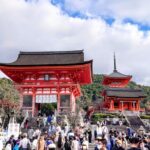
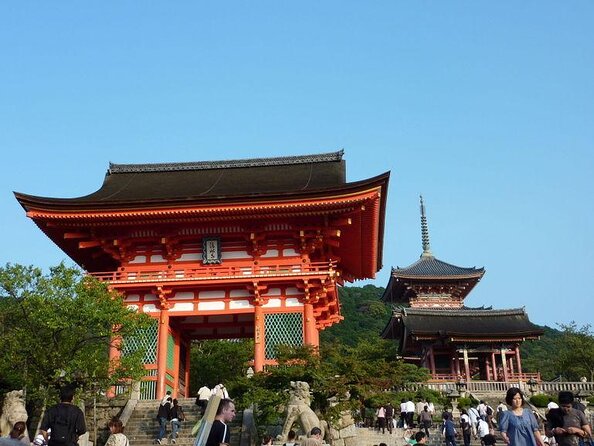
Stop 1: Kiyomizu-dera Temple for souvenirs and classic Kyoto views
Kiyomizu-dera is one of those places you plan your Kyoto trip around. On this tour, you get about one hour, which is enough time to see the temple grounds and also browse along the souvenir streets nearby.
Here’s the practical way to use your time there:
- Arrive with comfortable shoes and a plan for what you want first (temple views vs. shopping).
- If you love photos, treat the temple as your anchor, then work around the souvenir area after you get your bearings.
- Expect some walking even if the overall time is tight, since temple areas naturally draw foot traffic.
Potential drawback: because you’re there for roughly an hour and admission fees aren’t included, you’ll want to factor in any ticket time (and any lines) as part of your visit rhythm. If you prefer slow shopping, you may want to scale back souvenir time so you don’t feel rushed at the temple itself.
Stop 2: Sanjūsangen-dō and its 1,000 statues
Next up is Sanjūsangen-dō, famous for its 1000 statues. The whole experience is about scale and repetition—the kind of sight that hits harder in person than it does in photos.
What you should expect from about an hour here:
- You’ll want a few minutes just to stand back and let your eyes adjust.
- Then you’ll likely move along the viewing areas to catch details across the hall.
- It’s one of those stops where a short explanation can make the place feel more grounded, not just like a room full of figures.
One consideration: like the other major sights, admission fees are not included. So, if you’re the type who likes to avoid last-minute stops, budget for tickets before you arrive or be ready to handle them quickly when you get there.
You can also read our reviews of more tours and experiences in Kyoto
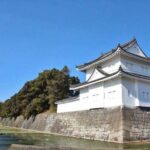
Stop 3: Nijo Castle for big rooms and power stories
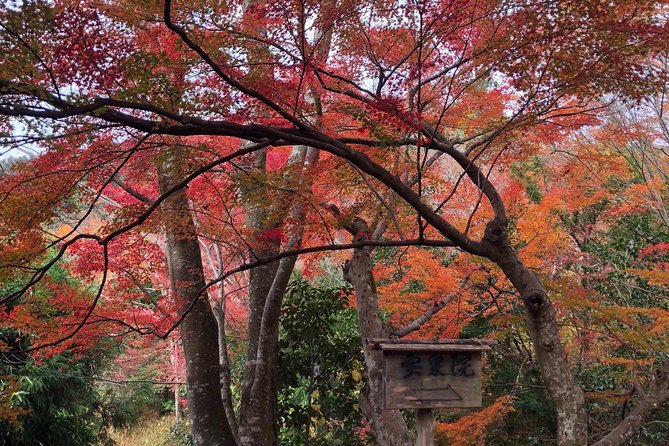
Nijo Castle is described as huge for a reason. On this tour, you’ll spend about one hour, which gives you a realistic look without turning it into an all-day museum session.
A castle visit is different from temple time. At a place like Nijo Castle, the experience is usually about:
- Moving through rooms and corridors,
- Noticing architecture and layout,
- And trying to connect the site to the broader historical story happening in Kyoto.
With only an hour, I’d suggest you aim for quality over quantity. Hit the main highlights, then decide whether you want to go deeper into specific areas or just enjoy the atmosphere and views.
As with the other stops, admission fees aren’t included, so check your budget. Also, castles tend to involve more walking indoors and outdoors, so plan on light-to-moderate stamina.
Stop 4: Nishiki Market for shopping and a very Kyoto kind of snack stop
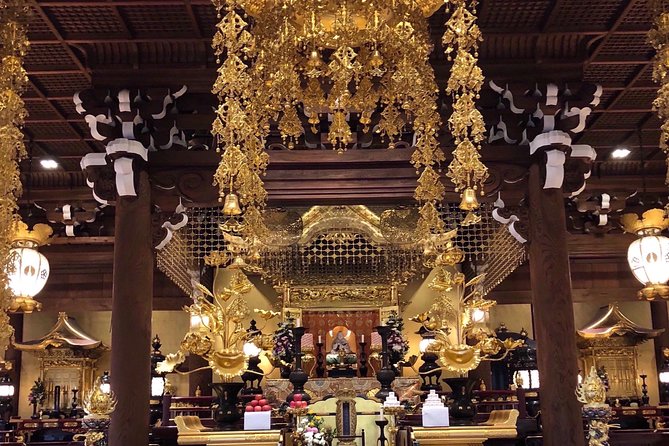
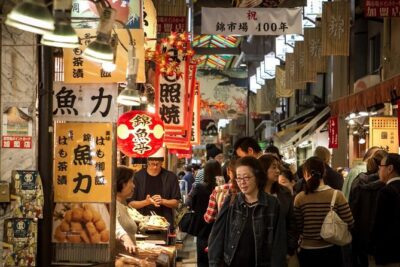
Nishiki Market is a different tempo. It’s not a temple or a castle—this is where Kyoto shows up as food, shopping, and street-life energy.
You get about one hour here, which is ideal for:
- Quick browsing,
- Trying a small bite or two,
- Buying a couple of items as gifts.
One detail to keep in mind: the market is especially known for its fish market reputation. That means you’ll see a lot of seafood-related stalls and displays, and if you have dietary limits, it’s still usually manageable—you can steer your path toward what fits you.
Drawback: since lunch isn’t included, Nishiki can tempt you to treat it as your meal. That can work, but if you’re hungry later, decide in advance whether you want Nishiki to be a snack stop or a full lunch.
Stop 5: Gion for the geisha district atmosphere at day’s end
Finishing in Gion is a classic Kyoto move, because it shifts you from big sights to neighborhood mood. You’ll spend about one hour there, which is long enough for a relaxed walk and people-watching, without turning it into a late-night mission.
When you’re there, focus on the atmosphere:
- Side streets and lanes,
- Traditional streetscapes,
- The feeling of Kyoto as a lived-in city, not just a museum.
A quick note on expectations: Gion is popular. If you want quiet, you’ll probably need patience and a willingness to walk a bit away from the most crowded lanes. The good news is that ending here keeps the day feeling lighter after temples and castles.
Value and pricing: how the $132 adds up in real time
Let’s talk money honestly. At $132 for a private car up to four people, you’re paying for:
- A full air-conditioned vehicle,
- Parking fees covered,
- And a guide who can move you efficiently between far-apart areas.
Your extra costs are basically:
- Admission fees at each stop (not included),
- Lunch (not included).
So is it a good value? For me, the math comes down to this: if you want to visit multiple major sights in one day, the car can save time that would otherwise be spent on transit and long walks. That time can be turned into more sightseeing, and it can also reduce fatigue. Even if you pay some ticket costs separately, you’re still getting a full day’s routing support and transportation.
This is especially smart if you’re:
- Traveling with someone who hates transit changes,
- Short on time and want the best-known Kyoto highlights,
- Want a private experience without splitting into groups.
What I’d plan for before you go (so the day feels smooth)
This is the part that keeps the tour from feeling stressful. Since admissions and lunch aren’t included, you’ll have an easier day if you plan a few basics:
- Budget extra for temple and castle tickets plus a meal (or plan to snack heavily at Nishiki).
- Wear shoes you can walk in for a full day. Kyoto sights usually involve stairs, uneven surfaces, and crowds at certain times.
- If you’re into photography, use the morning and mid-day temple windows for shots before the day gets busier.
- Bring small cash for market browsing or quick purchases, since street-level shopping can be spend-as-you-go.
One more practical detail: the tour uses a mobile ticket, and you get confirmation at booking time. That usually means less hassle right when you arrive.
And if the weather turns bad, you should know this experience requires good weather. In that case, you’ll be offered a different date or a refund.
Who this Kyoto private car tour fits best
This tour is a strong fit if you want a guided day that balances major sights with real pacing.
It’s ideal for:
- Couples and small families (up to four),
- First-timers who want a clean overview of Kyoto,
- People who want a car for efficiency,
- Travelers who like a guide who can adjust the day when your interests change.
It may not be ideal if:
- You only want one or two places and prefer long, slow visits with no schedule.
- You hate any structured timing at all, since each stop is set to about an hour.
Should you book this Kyoto private car tour with Kosuke?
If your goal is to hit top Kyoto sights in one day without wrestling transit, I’d book it. The private car factor is the big win, and Kosuke’s style—easy communication, schedule flexibility, and the ability to park close to attractions—helps the day feel efficient instead of rushed.
The main reason to hesitate is also clear: admission fees and lunch are on you, and the schedule is naturally packed to make the most of seven hours. If you can handle that, you’ll likely come away feeling like you used your Kyoto time well.
If you message ahead with what matters most to you—temples, castle architecture, food browsing, or a quieter Gion walk—you’ll set yourself up for a day that feels tailored.
FAQ
How long is the Kyoto private car tour?
The tour runs for about 7 hours.
Is this a private tour, and how many people can join?
Yes, it’s private, and it’s listed for up to 4 people in your group.
What time does the tour start, and is pickup offered?
The start time is 9:00am, and pickup is offered.
What is included in the price?
The price includes an air-conditioned vehicle and parking fees.
Are lunch and admission fees included?
No. Lunch and admission fees are not included.
Which main stops are included in the route?
The tour includes Kiyomizu-dera Temple, Sanjūsangen-dō Temple, Nijo Castle, Nishiki Market Shopping District, and Gion.
Do I need to pay admission tickets for the temples and castle?
Admission tickets are not included, so you should expect to pay entry fees at the stops.
Are service animals allowed?
Yes, service animals are allowed.
What is the cancellation policy?
You can cancel for a full refund if you cancel up to 24 hours in advance of the start time. Free cancellation is offered under that rule.