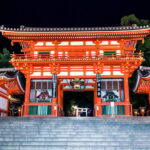
Kyoto can feel like a maze. This private tour turns it into an organized, custom day, starting at Kyoto Station and ending near Kawaramachi, with built-in time for the big sights plus slower moments in side streets. You’re also not just checking boxes; you’re learning how to move through sacred spaces and food neighborhoods with a guide who adjusts to your group.
I love two things right away: the way the day feels personal (your guide listens first and shapes the route around what you want), and the fact that the itinerary balances famous landmarks with time for food shopping and treats at places like Nishiki Market. One thing to consider is that not every cost is included—Sanjusangendo has a separate admission fee, and lunch plus any optional private transportation can add to your total.
In This Review
- Key points I think you’ll care about
- A 6-hour Kyoto route that’s built for real time, not rushing
- Price and logistics: what your $178 includes (and what doesn’t)
- Stop 1: Fushimi Inari Taisha at dusk, with torii gates doing the talking
- Stop 2: Sanjusangendo Temple and the 1,000 Kannon statues
- Stop 3: Sannenzaka and Ninenzaka for snacks, souvenirs, and lunch
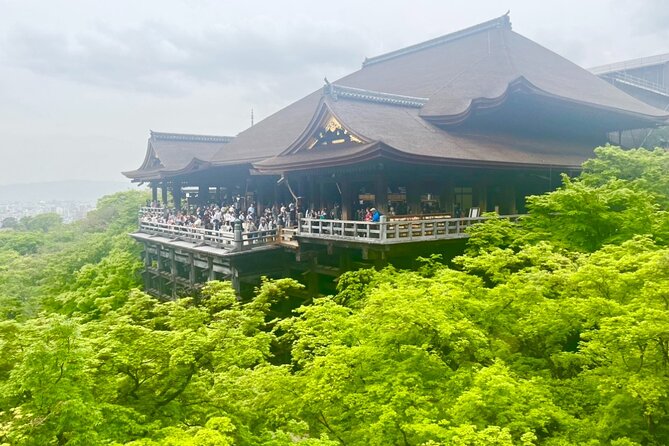
- Stop 4: Kiyomizudera, the million-and-more year reason
- Stop 5: Nishiki Market shopping district for food you can actually bring home
- What makes this tour feel special: the guide adapts to your people
- Timing and pacing: how to get the most from the route
- Who this Kyoto private tour is best for
- Should you book this private Kyoto tour?
- FAQ
- How long is the Kyoto private tour?
- Where do we meet, and where does the tour end?
- What’s included in the price?
- Which admission fees are not included?
- Is lunch included?
- Do I need private transportation?
- Can I cancel for a full refund?
Key points I think you’ll care about
- Private guide, just your group: no mixing with strangers, and the pace can match your family.
- Dusk potential at Fushimi Inari: walking the torii gates late evening feels different than daytime photos.
- Sanjusangendo is a must-see: 1,000 life-sized Kannon statues are the kind of sight that’s hard to forget.
- Food time is real time: Nishiki Market and Sannenzaka Ninenzaka give you space to snack, browse, and eat.
- Start near Kyoto Station, finish near Kawaramachi: easy to plug into the rest of your trip.
A 6-hour Kyoto route that’s built for real time, not rushing
This is a private Kyoto experience designed to run about 6 hours, so you can see major highlights without turning your day into a sprint. You’ll meet at Kyoto Station (Higashishiokoji Kamadonocho, Shimogyo Ward) and finish around Kawaramachi-dori near your hotel or that area.
The biggest practical win is that the guide’s job is not just pointing things out—it’s keeping your group comfortable. That matters because Kyoto’s top spots can be packed, and navigating on your own can turn into waiting, backtracking, and stressful route changes. With a private setup, you can slow down for photos, pause for questions, and spend more time where your group is genuinely interested.
Also, you’ll use a mobile ticket, which is the kind of detail that saves time and friction on travel days.
You can also read our reviews of more private tours in Kyoto
Price and logistics: what your $178 includes (and what doesn’t)
At $178 per person, you’re paying for a private tour guide for roughly 6 hours. You’re not paying for a large “package” of attractions. Most of the featured sights in this route are free to enter, but a couple costs show up once you’re there.
Here’s what’s explicitly included vs. not included:
- Included: Private tour guide
- Not included: Lunch (¥1,000 to ¥2,000 per person)
- Not included: Sanjusangendo Temple admission (¥600 per person)
- Not included: Private transportation (listed as ¥1,000 per person per day if you want it)
- Not included: Dinner (¥1,000 to ¥5,000 per person, if you’re adding it)
In plain terms: this tour is best value when you’d rather spend money on guidance and comfort than on lots of pre-paid admissions. If you’re okay with public transit and you’re fine paying one temple fee plus your meals, $178 looks pretty reasonable for a private guide.
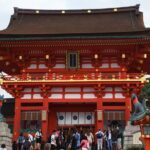
Stop 1: Fushimi Inari Taisha at dusk, with torii gates doing the talking
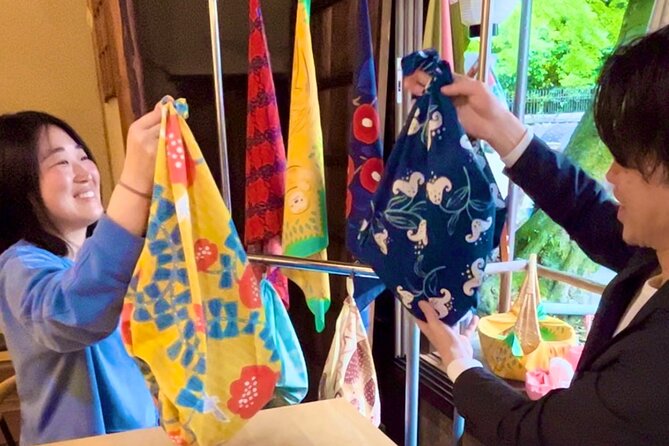
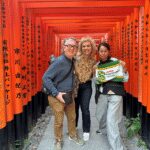
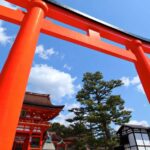
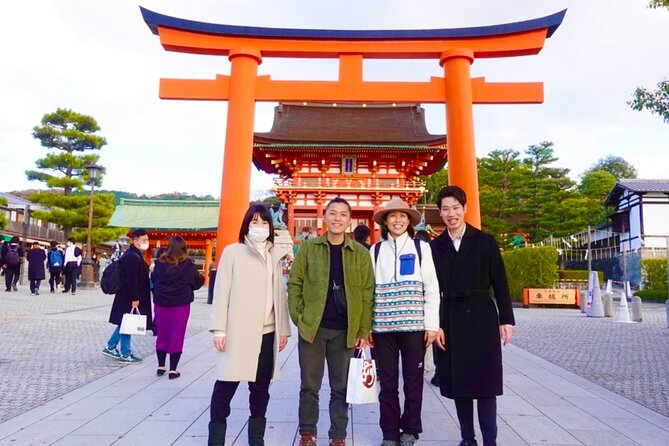
Fushimi Inari Taisha is famous for a reason: the torii gates turn a normal walk into something more atmospheric. This stop is about 1 hour, and it specifically sets you up for that late-evening feeling—like you’re stepping into a different mood, not just seeing a daytime landmark.
What I like about this part of the day:
- You get a guided sense of where to go and how to read what you’re seeing, without feeling lost.
- The lighting and crowd rhythm later in the evening can make the experience feel more thoughtful than a quick photo-and-go loop.
Practical tip: wear shoes you can walk in. The torii paths involve steady steps, and you’ll appreciate comfortable footing more than anything else.
Stop 2: Sanjusangendo Temple and the 1,000 Kannon statues
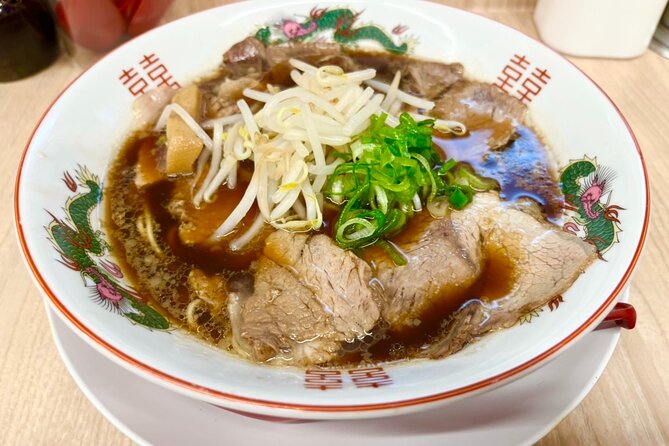
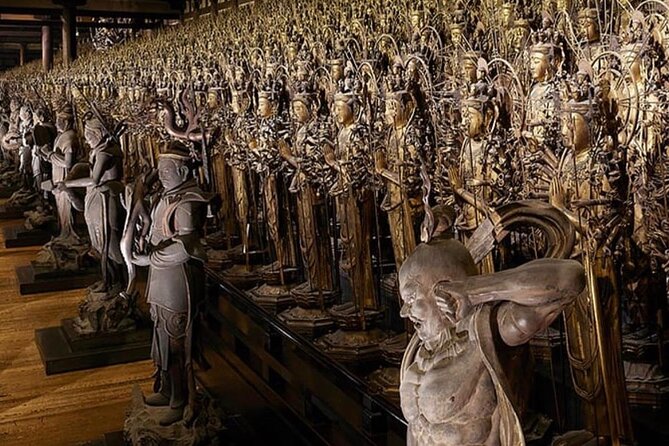
Sanjusangendo is one of those stops where your brain says, wait—how is that even possible? This temple is known for its main statue and one thousand life-sized Kannon statues. The time here is about 1 hour.
Two things to plan for:
- Admission is ¥600 per person and is not included.
- It’s an experience where you’ll probably want a slow pace, not a “look from the doorway” moment. A private guide helps here because you can ask questions without turning it into a rushed queue.
Even if you’re not a temple expert, the visual impact is the point. You’ll spend time inside absorbing the scale and repetition—then you’ll realize why people come back to this kind of place when they return to Kyoto.
Stop 3: Sannenzaka and Ninenzaka for snacks, souvenirs, and lunch
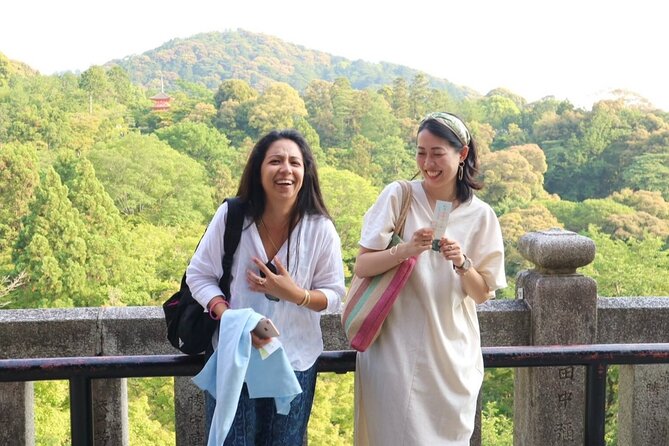
After Sanjusangendo, the route shifts into Kyoto’s older street lanes. Sannenzaka Ninenzaka is about 1 hour, and it’s set up as your lunch area.
What you can expect here:
- Street browsing for souvenirs.
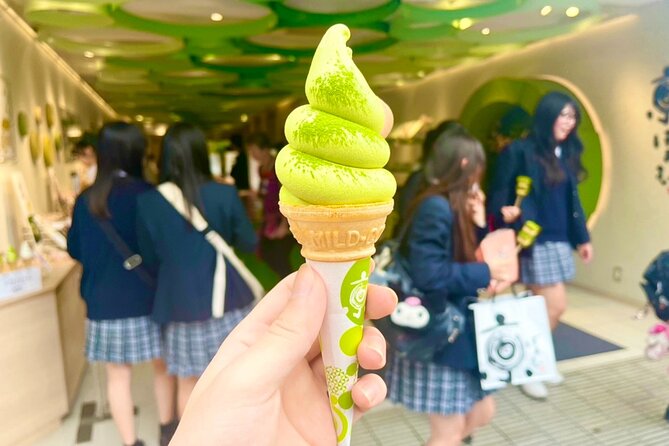
- Food stops and classic treats like green tea ice cream and yatsuhashi (and other familiar Kyoto sweets).
- A place to take a breath before the next big temple climb.
The good news: admission is listed as free, so you can focus your money on what you actually want to eat. The travel-day strategy is simple: use your guide’s suggestions to pick one or two bites you’ll enjoy, then keep walking rather than over-ordering and feeling stuffed before Kiyomizudera.
One consideration: this area can get busy, especially around lunch time. The private pacing helps you avoid the worst “stand still, wait, shuffle forward” feeling.
You can also read our reviews of more historical tours in Kyoto
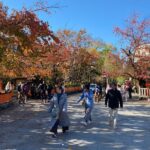
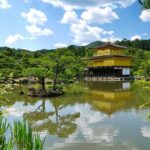
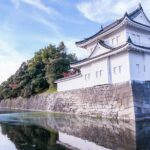
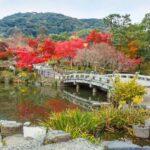
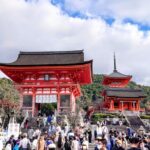
Stop 4: Kiyomizudera, the million-and-more year reason
Kiyomizudera is one of Kyoto’s headline temples. This stop is about 1 hour 40 minutes and is described as an older, extremely well-known site—on the order of 5 million tourists per year.
That scale can sound like a warning, but it can also be a benefit if you approach it smartly. The guide approach is what helps: you can spend more time in the most meaningful parts and less time just circling for the next photo spot. And because you’re not going at full “tour bus” pace, the experience feels more like you’re actually there to understand the place.
A practical note: admission for this stop is not included, so if you’re budgeting tightly, build that into your plan. Also plan for crowds. Even with private pacing, you’re going to feel the popularity here. The win is making that crowded feeling work for you instead of exhausting you.
Stop 5: Nishiki Market shopping district for food you can actually bring home
Nishiki Market is about 1 hour 20 minutes and has a history of over 400 years. It’s known as Kyoto’s leading market for food and food products, and it’s famous for browsing: snacks now, gifts later, and plenty of items you’ll only see in Japan.
I like this ending stretch because it naturally matches how Kyoto days end:
- You can snack as you walk.
- You can shop for take-home items while your group is still in a shopping mood.
- It’s an easy place to find gifts that don’t require a lot of guesswork.
Admission is listed as free, which keeps your spending more controllable. Just remember that “free admission” doesn’t mean “free temptation.” If you have a set budget, tell your guide before you start shopping so they can steer you toward options that fit.
What makes this tour feel special: the guide adapts to your people
The best praise in the information you shared isn’t about some secret shortcut. It’s about the human part of the tour—guides who listen, plan carefully, and keep the day comfortable for different ages and needs.
For example, the guide names Kazu and Risa show up in the feedback, and the common thread is thoughtful attention: adjusting the itinerary around what kids, teens, and adults in the same group want to see, then keeping the day relaxed instead of pushy. You also see mention of patience and kindness, plus the way guides handle dietary needs (including kosher), which is not something every tour operator handles well.
That last part matters a lot. If you have food restrictions, you don’t want to arrive at a famous food street only to realize you’ll have to improvise with limited options. A guide who’s prepared makes the day simpler right away.
And that’s the real value of a private tour in Kyoto: you’re not forcing a one-size-fits-all route on your group. You’re building a route that works for your pace, your interests, and your comfort level.
Timing and pacing: how to get the most from the route
This is a single-day loop with enough structure to keep you efficient, but enough flexibility to slow down when something catches your eye. The stops are spaced so you can move from shrines to temples to traditional streets to food-shopping without too much whip-crack switching.
A few pacing ideas:
- For Fushimi Inari, lean into the late-evening mood. If you’re there when it’s less harsh, photos and walking feel more peaceful.
- For Sanjusangendo, treat it as a “sit with it” kind of stop, not a quick glance.
- For Sannenzaka Ninenzaka, use lunch as a social break. Order what you’re excited about, then keep going.
If your group includes grandparents or anyone who tires easily, this tour format is especially helpful because you can ask for slower timing at the start and let the guide handle the flow.
Who this Kyoto private tour is best for
This tour is a strong fit if:
- You want private, flexible attention rather than a group scramble.
- You’re traveling with multiple generations (families with kids plus older relatives).
- You care about seeing the big classics—Fushimi Inari, Kiyomizudera, Nishiki Market—but you also want room for food and street time.
- You have dietary needs and want help navigating meal choices.
It might be less ideal if you’re the type who wants to do everything completely on your own with zero added cost besides transit. Since lunch and temple admission aren’t fully included, you’ll still be budgeting day-of.
Should you book this private Kyoto tour?
Yes, if you want a Kyoto day that’s organized, flexible, and guided—without turning your schedule into a checklist. The strongest reason to book is that you’re not just buying access to famous spots; you’re buying attention from a guide who can adapt for your group, including kids and food restrictions.
If you’re price-sensitive and you prefer paying only for what’s required, then factor in the extra meal costs and the Sanjusangendo admission fee. Also consider whether you’ll want optional private transportation; it’s listed separately, so decide early based on your group’s comfort and mobility.
If you line up those expectations, this is the kind of private day that makes Kyoto feel manageable—and still very special.
FAQ
How long is the Kyoto private tour?
The tour is about 6 hours.
Where do we meet, and where does the tour end?
You start at Kyoto Station (Higashishiokoji Kamadonocho, Shimogyo Ward). The tour ends near Kawaramachi-dori Street in the Nakagyo Ward area.
What’s included in the price?
The price includes a private tour guide. The tour also uses a mobile ticket.
Which admission fees are not included?
Sanjusangendo Temple has an admission fee of ¥600 per person that is not included.
Is lunch included?
No. Lunch is not included and is listed as ¥1,000 to ¥2,000 per person.
Do I need private transportation?
Private transportation is not included. It’s listed as an optional cost of ¥1,000 per person per day. The tour is near public transportation.
Can I cancel for a full refund?
Yes. You can cancel up to 24 hours in advance for a full refund. If you cancel less than 24 hours before the start time, you won’t receive a refund.