REVIEW · KYOTO
Kyoto, Nara and Osaka private up to 9 pax picked up from Kyoto
Book on Viator →Operated by Amazing Kyoto Experience · Bookable on Viator
One day can feel like three. This private Kyoto-to-Osaka experience pairs hotel pickup with tightly planned temple and food stops, so you spend less time figuring out transit and more time seeing the sights. I like how the route mixes famous highlights with quiet secret-temple energy, including moments that feel like a “wait—how is this so peaceful?” kind of break.
I also like that you can shape the finish. You can choose your drop-off location, then go straight to dinner in the way you want. One consideration: the full three-city version can be a long day, so if you’re sensitive to time on the go, plan snacks and a slower pace.
In This Review
- Key things that make this tour worth your time
- How the Kyoto–Nara–Osaka format actually helps you
- Pickup in Kyoto: less stress, more sightseeing
- Kyoto’s first hit: Fushimi Inari-taisha and its big “wow” factor
- Rengeji Temple: the quiet moss garden stop
- Myomanji and Koryu-ji: rock garden structure and a Korean-rooted story
- Kinkakuji and Koetsuji: famous gold pavilion, then refined garden calm
- A Kyoto sweets break: Nakamuraken’s mochi and yuzu flavors
- Matsuo Shrine: koi fish pond time and neighborhood charm
- Nara day elements: Todai-ji, deer crackers, and a serene matcha stop
- Osaka finish: Dotonbori food-walk and Abeno Harukas views
- Time, pacing, and who this tour fits best
- Price and value: what $329.02 per person buys you
- Guide quality: Takashi’s communication and photo help
- Should you book this Kyoto–Nara–Osaka private tour?
- FAQ
- Is this tour private?
- How many people can be on the tour?
- Where does pickup happen?
- How long is the tour?
- Are entrance tickets included?
- Is there a mobile ticket?
- Can I choose where I’m dropped off after the tour?
- Is there free cancellation?
- Is there an age requirement for alcohol?
Key things that make this tour worth your time
- Door-to-door Kyoto pickup that gets you to sites directly
- Private group up to 9 people, only your party in the car
- Free-entry stops on the listed temple and shrine visits
- A mix of big landmarks and lesser-visited spots for better variety
- Food and drink breaks like Kyoto-style sweets and a matcha moment in Nara
- Choose where you’re dropped off, so dinner plans don’t get derailed
How the Kyoto–Nara–Osaka format actually helps you
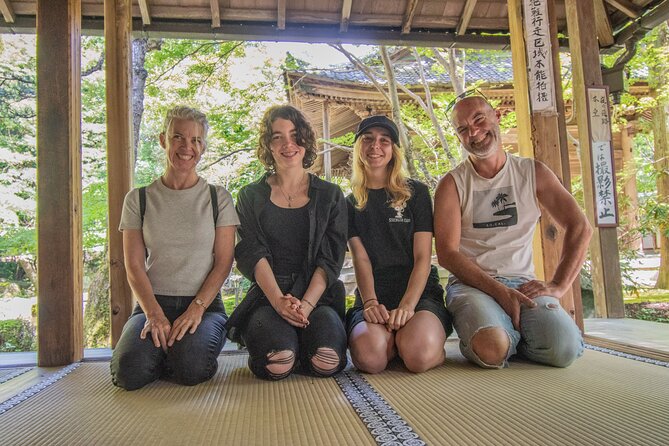
This is built for people who want “the main stuff” and the quieter side of Japan—without stitching together multiple buses and rail passes. You get pickup from Kyoto, and the tour is private, which matters more than most people expect. You can keep the pace sensible for your group, ask questions on the spot, and stop when the moment feels right for photos.
The other big plus is that this isn’t presented like a rigid checklist. The experience is described as tailored using the guide’s special recommendations, and you’ll see that in the stop choices: golden pavilion-style fame on one hand, and moss gardens, rock arrangements, and serene shrine corners on the other.
Possible mismatch to know about before you book: the tour is listed as about 7 hours, but the full “three cities” example plan is described as closer to 12 hours. That difference likely depends on which option you pick. If you want everything in one shot, be ready for the longer day.
You can also read our reviews of more private tours in Kyoto

Pickup in Kyoto: less stress, more sightseeing
Hotel pickup in Kyoto is offered, and it’s meant to take you directly to the stops. For most visitors, that’s the difference between enjoying Japan and spending half the day checking schedules. You also have the option to choose any dropoff location afterward, which is handy because dinner in Osaka or Kyoto can make or break the end of the day.
Private transport also helps with timing around popular places. Stops like Fushimi Inari-taisha and Kinkakuji are famous, and crowd patterns are real. Having a driver and a guide means you’re not stuck waiting in the wrong place at the wrong time.
Kyoto’s first hit: Fushimi Inari-taisha and its big “wow” factor
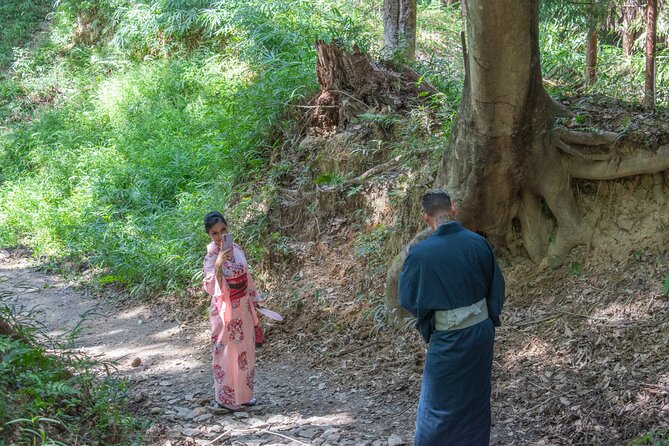
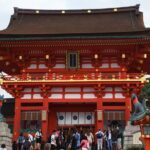
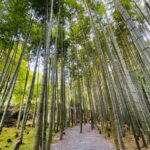
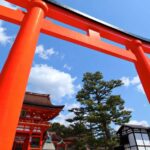
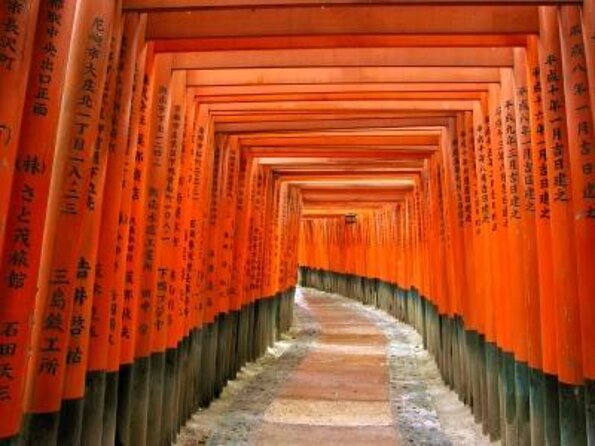
You’ll start at Fushimi Inari-taisha Shrine, the one known for thousands of torii gates. The best part here is how the shrine stretches upward and outward—so even when you’re walking in a crowd, you still get that sense of scale. The shrine is described as covering a whole mountain, with a long stretch of bamboo and peaceful birdsong vibes.
What you’ll love: this is one of the few Kyoto sights where the scenery changes as you move, instead of being the same view from one photo spot. It’s also a great orientation stop—after Fushimi, Kyoto’s temple geography makes more sense.
A small consideration: because it’s so iconic, you may still see busy areas. If your group hates crowds, keep your expectations realistic and aim to enjoy the atmosphere rather than treating it like a private landscape.
Rengeji Temple: the quiet moss garden stop
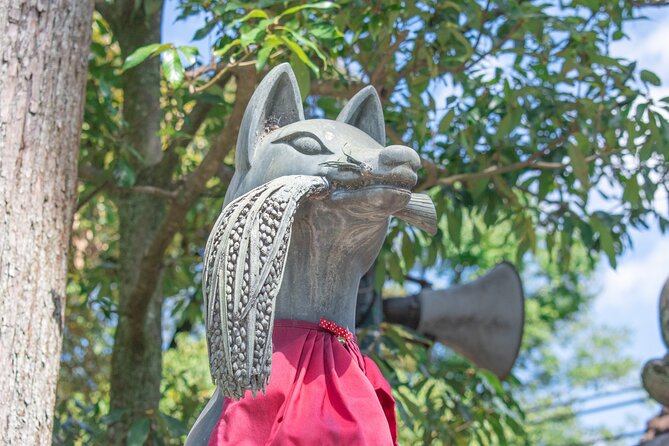
Next is Rengeji Temple, where the highlight is an extremely gorgeous moss garden. The big point here is that it’s described as not visited by many people due to its more distant, inconvenient location. That’s exactly what you want for a “breather” moment in Kyoto.
Expect to slow down. This stop is shorter (about an hour), but it’s the kind where the details reward you—green textures, calm footing on tatami, and the feeling that you’re stepping into a smaller world.
If you’re traveling with mixed ages (families or multi-generation groups), this is one of those stops that doesn’t require advanced knowledge. You can enjoy it just by looking and taking your time.
Myomanji and Koryu-ji: rock garden structure and a Korean-rooted story

Then you head to Myomanji Temple, described as having an organized garden made of millions of tiny rocks. The appeal isn’t only the visual—it’s the way the rocks are arranged into a large temple garden, plus the chance to connect to the broader history of Buddhist movements in Japan.
After that comes Koryu-ji Temple (about 30 minutes). This one’s story is unusual: it was originally erected by a group of people called Hatashi, said to have Korean-rooted ethnic roots in the 5th–6th century. The site also has a long survival thread after experiencing a burn in the 8th century.
Practical takeaway: these two stops feel different. Myomanji is about visual order (the rock layout). Koryu-ji adds a human-history layer. If you’re the type who likes meaning behind a place—rather than only the postcard view—this is where the day grows depth.
Kinkakuji and Koetsuji: famous gold pavilion, then refined garden calm
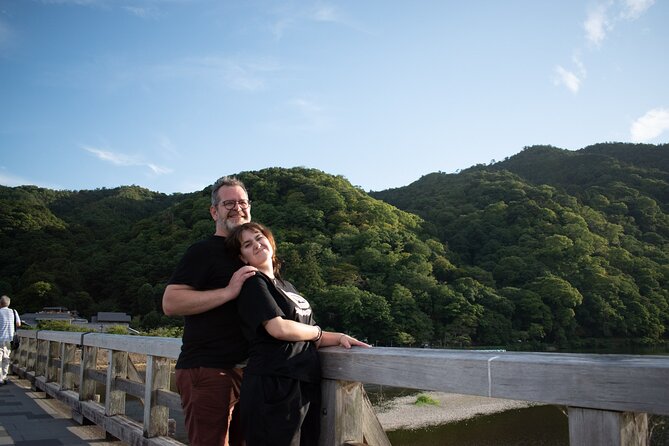
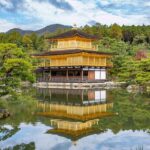
Kinkakuji Temple is your “big name” moment—the golden pavilion. It was connected to Shogun Yoshimitsu Ashikaga, and after his death it became a temple. The defining feature is the gold leaf covering the upper floors.
This is likely the stop most people picture before they arrive in Kyoto. The value in a guided day is not skipping it; it’s doing it without wasting time figuring out when and where to go for the best experience.
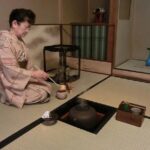
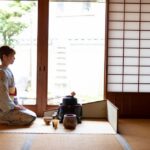
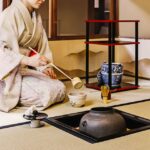
Then comes Koetsuji Temple (around 30 minutes). It’s described as having an art master’s background, tied to tea ceremony and calligraphy, with an awesome garden and tea ceremony-related items. This is the “slow sophistication” counterweight to the crowd energy at Kinkakuji.
If you’re deciding between fast sightseeing and calm appreciation, this pairing makes sense: one stop that’s instantly dramatic, one that rewards patience.
A Kyoto sweets break: Nakamuraken’s mochi and yuzu flavors
Between temples, you’ll stop at Nakamuraken, a local dessert shop. The tour highlights Kyoto-style sweets like mochi fused with different textures (pounded rice cake, not the same as plain mochi), shaved ice flavored with yuzu (Japanese citrus), and match-based options.
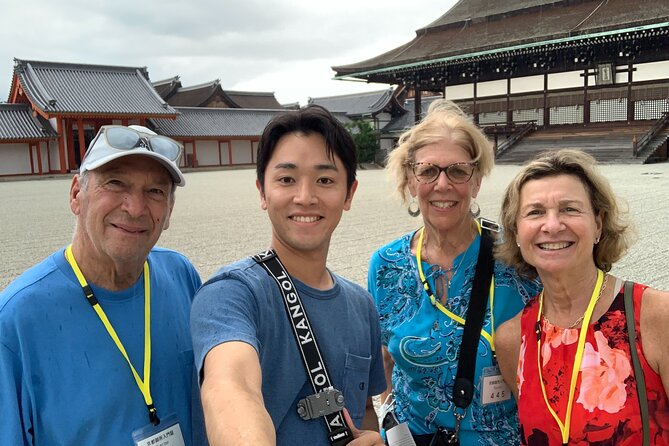
This is also where I think the guide choices matter. In one experience guided by Takashi, the day included pickle samples and then help pointing the group to what to buy from a stand. That kind of practical food direction—what’s good, what’s worth the money, and how to enjoy it—turns a random snack stop into a real memory.
Matsuo Shrine: koi fish pond time and neighborhood charm
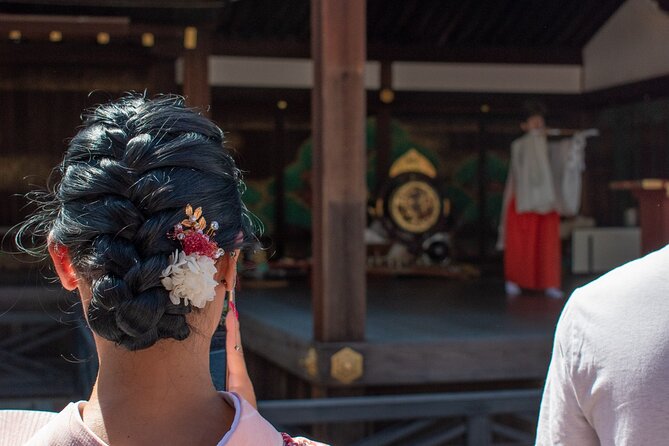
The Kyoto portion can also include Matsuo Shrine (about 30 minutes). It’s described as the biggest shrine erected by the Hatashi noble family, beloved by nearby households. There’s a koi fish pond where you can feed the fish.
This stop works because it’s not only “look at the shrine.” It’s also a simple, calming activity. If your group has kids, it’s one of the easiest places to keep everyone happy without long explanations.
Nara day elements: Todai-ji, deer crackers, and a serene matcha stop
Depending on the option you chose for the full three-city day, Nara is where the scale shifts. You’ll visit Todai-ji, including the Great Buddha hall and its massive statue. This is one of Japan’s “you need to see it in person” spaces—hard to fully capture in photos because of how large everything feels.
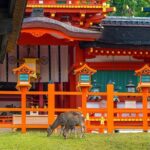
Then you’ll move to Nara Park, where you’ll feed deer using crackers. It’s a classic experience, but the guided part matters because it helps you navigate the timing and flow so it doesn’t turn into stress.
The plan can also include a secret temple moment in a serene place with matcha tasting. That combination—big hall wonder plus quiet tasting—creates a better emotional rhythm than jumping from one landmark to the next.
A consideration for deer feeding: be ready for animal interactions and keep your crackers/food managed. If you hate the idea of being near animals, this part might not be your favorite, even if it’s short.
Osaka finish: Dotonbori food-walk and Abeno Harukas views
In Osaka, the tone shifts from temple calm to street-level energy. You’ll walk Dotonbori, where the experience is described as eating local dishes right on the streets. If you want your Japan day to end with something you can taste—rather than only see—this is the right direction.
Then there’s Abeno Harukasu, described as the highest skyscraper with an observatory. This adds a “from above” perspective so the day doesn’t end only at sidewalk height.
One practical tip: if you’re sensitive to crowds or noise, Dotonbori can feel intense. The solution is simple: treat it like a food-walk, not a place to stand and stare for an hour.
Time, pacing, and who this tour fits best
This is a private, up-to-9 pax format, which makes it ideal for:
- Families that want a guide who can adjust the rhythm
- Friends traveling together who don’t want to split up
- Couples who want a curated day with both classics and quieter stops
- First-timers who want a highlight-packed overview without feeling lost
But it can also be a poor fit if:
- You’re looking for a short, low-effort day
- Your group hates transit time between Kyoto, Nara, and Osaka
- You want zero walking at temples (the stops are sightseeing-focused)
Remember the day length can vary. With the full three-city example described as longer, you’ll want comfortable shoes and a snack plan. Even though many admissions are free at the stops listed, you’re still paying in energy.
Price and value: what $329.02 per person buys you
The price is listed at $329.02 per person, and it’s a private experience (up to 9 people) with pickup from Kyoto. Value here isn’t only the sights—it’s the reduction in decision fatigue. You don’t have to plan transit between cities, sequence temple visits, and decide which detours are worth your time.
Also, many of the listed stops show admission free, which helps you feel like you’re spending on guidance and transport rather than entrance fees. The tour also offers mobile tickets, which is convenient, and there are group discounts, which can make a big difference if you’re traveling with more than two people.
Bottom line: if you’re going solo or as a pair, it can still feel reasonable because you’re paying for private car time and a guide-led flow. If you’re sharing with a small group, the price often starts feeling like a smart way to get “big Japan day” value.
Guide quality: Takashi’s communication and photo help
The guide factor is a major reason this experience gets top marks. Takashi is highlighted for excellent English and communication, plus taking people to peaceful shrines and temples instead of only the loudest spots. There’s also mention of photography support—help with angles, timing, and how to actually capture the feel of each place.
That may sound small, but it changes your results. A temple visit with the wrong framing can look like every other photo on social media. With better direction, you come home with images that match what you felt on the walk.
Should you book this Kyoto–Nara–Osaka private tour?
Book it if you want a single organized day that covers Kyoto classics, Nara scale, and Osaka street food—plus you like the idea of secret/lesser-visited temple stops. The private pickup, free-entry stops, and drop-off flexibility make it practical for real travel.
Skip it (or ask lots of questions before booking) if your top priority is a short time commitment. The full three-city plan may run long, and that’s not ideal if you want minimal walking or you’re easily tired by transit.
If you book, do one smart thing: confirm which exact route option you’re getting—especially because the overall duration is listed as both about 7 hours and the full three-city example described as longer.
FAQ
Is this tour private?
Yes. It’s a private tour/activity, so only your group participates.
How many people can be on the tour?
The private tour is up to 9 pax.
Where does pickup happen?
Pickup is offered from Kyoto.
How long is the tour?
The duration is listed as about 7 hours, and the full three-city example plan is described as longer.
Are entrance tickets included?
For the listed shrine and temple stops, the admission ticket is shown as free.
Is there a mobile ticket?
Yes, mobile ticket is included.
Can I choose where I’m dropped off after the tour?
Yes. You can choose any dropoff location.
Is there free cancellation?
Yes. You can cancel for a full refund up to 24 hours in advance.
Is there an age requirement for alcohol?
The minimum age requirement for alcohol consumption is 18 years old.