REVIEW · KYOTO
Kyoto: Meet the Geisha Maiko with Gion Walking Tour
Book on Viator →Operated by Japan Wonder Travel · Bookable on Viator
Forget chasing geisha on the street. This Gion tour turns the usual street-watching into a planned cultural visit, ending with a live maiko performance and a conversation in a private ochaya that’s typically off-limits. I love the up-close maiko encounter and the way the guide puts etiquette and meaning behind what you’re seeing, not just the facts. The main drawback to flag up front: you must follow strict rules at the venue, including wearing socks and climbing stairs to reach the performance area.
Guides like Haruki, Takuma, Naomi, Ayako, and Ellie (Eriko) are repeatedly praised for keeping things friendly and translating well when needed. The group stays small (max 30), so the night doesn’t feel like you’re herded through Kyoto like a theme park. Just know it’s rain-or-shine, and the pace is built around short stops plus time at the show.
In This Review
- Key Highlights You Can Actually Plan Around
- Why This Gion Tour Feels Different: Ochaya Access With Structure
- The 3-Hour Plan: Shirakawa, Shrines, Hanamikoji, Then the Tea House Show
- Stop-by-Stop Breakdown of the Gion Route (What Each Part Adds)
- Stop 1: Gion Shirakawa Lanes (About 30 Minutes)
- Stop 2: Tatsumi Daimyojin Shrine (About 5 Minutes)
- Stop 2: Tatsumi Bridge (A Traditional Photo Moment)
- Stop 3: Hanamikoji Street (About 10 Minutes) + Gion Corner Area
- Zen Temple Precinct Walk (Outside the Buildings)
- Stop 4: Miyagawasuji Tea House Performance (About 1.5 Hours)
- Meeting the Maiko and Retired Geiko: What to Expect in the Show
- Private Ochaya Etiquette: Socks, Stairs, and Photo Rules
- Socks are required
- There are stairs to the performance space
- Photos and video have boundaries
- Price and Value: Is $109.43 Worth It?
- Who Should Book This Gion Experience (And Who Might Prefer Something Else)
- Practical Tips Before You Go (So the Evening Runs Smoothly)
- Should You Book This Gion Walking Tour?
- FAQ
- How long is the Kyoto: Meet the Geisha Maiko with Gion Walking Tour?
- Where does the tour start and end?
- Is the tour a walking tour?
- Do I need to wear socks at the performance?
- Are photos and video allowed?
- Who is the tour suitable for?
- Can I cancel for a full refund?
Key Highlights You Can Actually Plan Around
- Private ochaya access with a real performance: You step into a high-status teahouse setting where geiko and maiko entertain guests.
- Maiko + retired geiko in one experience: You get both a current apprentice (maiko) and a retired geiko perspective.
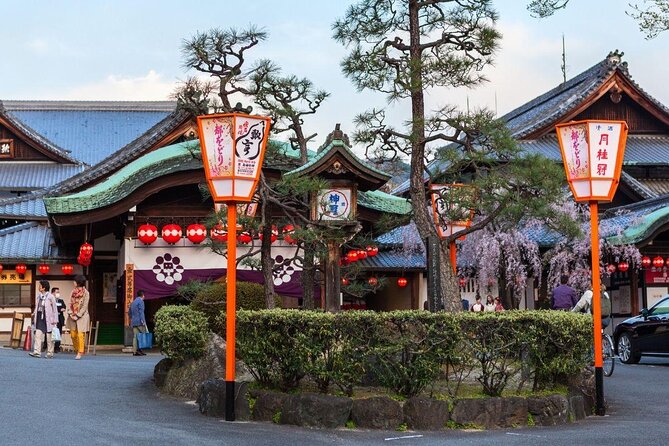
- Gion walking route with iconic sights: Shirakawa lanes, Tatsumi Bridge, Hanamikoji Street, and more, with context from your guide.
- Short shrine and precinct stops that explain the culture: A quick Shinto stop for travelers’ safety and a Zen temple precinct walk without entering.
- Socks and rainy-day etiquette are not optional: The venue has rules about socks and what you can wear when it’s wet.
- Photos are limited and permission matters: You can photograph during the performance and photo session, and social posting may require direct permission.
Why This Gion Tour Feels Different: Ochaya Access With Structure
Gion is one of those places in Kyoto where it’s easy to do the wrong thing: you can stand around with your camera and hope something magical happens. This tour flips the script. Instead of guessing when and where a maiko or geiko might appear, you follow a short, guided route through Gion and then head to the key moment: a private ochaya-style visit.
What makes it appealing is the combination of street-level context and inside-the-house access. You’re not only learning what the arts look like. You’re also learning why they exist, what the roles mean, and how visitors are expected to behave.
You’re also paying for something that can be hard to replicate on your own. That ochaya experience is described as ultra-rare, and even locals don’t get it like first-time tourists do. At this price point, the value depends on one thing: whether you want real interaction (questions, conversation, translation) rather than a quick photo stop.
You can also read our reviews of more walking tours in Kyoto


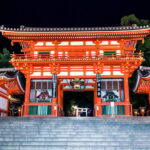
The 3-Hour Plan: Shirakawa, Shrines, Hanamikoji, Then the Tea House Show
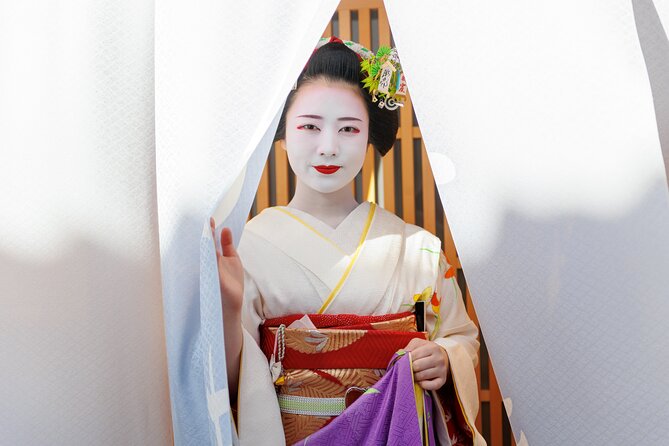
This is a walking tour that runs about 3 hours. The day-to-day total can run a bit longer depending on the schedule. You’ll meet at Miyagawasuji in Higashiyama Ward (same spot to start and end the main portion), and the experience finishes at the private house/venue where the performance happens.
Because it’s a walking tour, logistics matter more than usual:
- Wear comfortable walking shoes.
- You’ll be on your feet for most of the time.
- It’s “rain or shine,” so plan for weather.
Also, you can’t assume the venue will be easy to access. The performance is held on the 2nd floor, and the only access is via stairs. If stairs are a problem for you, this is something to consider before booking.
Stop-by-Stop Breakdown of the Gion Route (What Each Part Adds)
This tour is built like a story: set the scene in Gion first, then move into the arts and etiquette.
Stop 1: Gion Shirakawa Lanes (About 30 Minutes)
You start in Gion Shirakawa, a beautiful pocket of the district where the guide can explain who geishas (geiko) and maiko are, plus how lifestyle and tradition shape daily routines. This isn’t just pretty streets. It’s your orientation to what you’re going to see later.
If you’ve never been to Gion, I like this “warm-up” because it helps you notice details on the next stops. You’ll understand why certain buildings look the way they do and what the different sides of the district imply.
Stop 2: Tatsumi Daimyojin Shrine (About 5 Minutes)
Then you get a quick Shinto stop: Tatsumi Daimyojin, dedicated to protection, good fortune, and safety—especially for travelers and warriors. It’s short by design, but it adds a layer people often miss when they only focus on geisha culture.
Even a brief shrine moment changes how you walk through Kyoto. It reminds you this is still a living city, not a set.




Stop 2: Tatsumi Bridge (A Traditional Photo Moment)
Near Tatsumi Bridge, you’ll pause in an area that feels like stepping into a movie scene. The surrounding machiya houses and the narrow feel of the corner make it a memorable contrast to the larger, busier streets.
Keep your camera ready, but don’t go into full “trap photos” mode. Part of the point here is learning how to watch respectfully while you’re learning the cultural context.
Stop 3: Hanamikoji Street (About 10 Minutes) + Gion Corner Area
Hanamikoji Street is one of Gion’s main streets, lined with traditional machiya houses and tea houses. It’s the part visitors recognize from photos—but with a guide, you’ll get more than a postcard view.
The itinerary also includes Gion Corner, a cultural venue known for traditional performances. Even if you’re not there for a long show segment, this stop frames how Kyoto packages arts for visitors while still keeping deep tradition at the center.
Zen Temple Precinct Walk (Outside the Buildings)
Next is a Zen Buddhist temple that’s the oldest in Kyoto, located next to a geisha district. You won’t enter the temple buildings. Instead, you walk through the precinct like locals.
This is a smart pause in the tour. You get quiet, discipline, and atmosphere—before you head into the more theatrical world of the performance.
Stop 4: Miyagawasuji Tea House Performance (About 1.5 Hours)
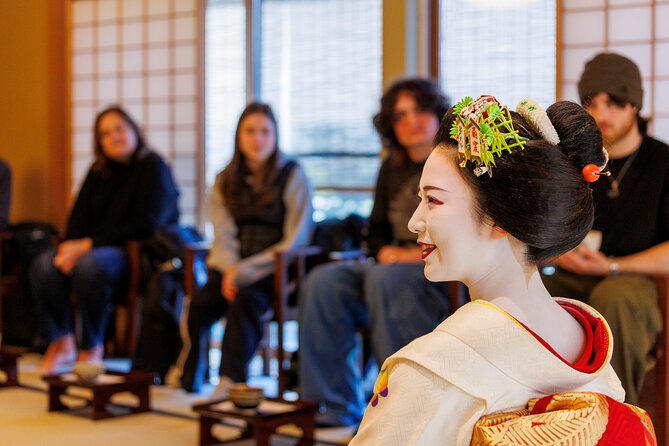
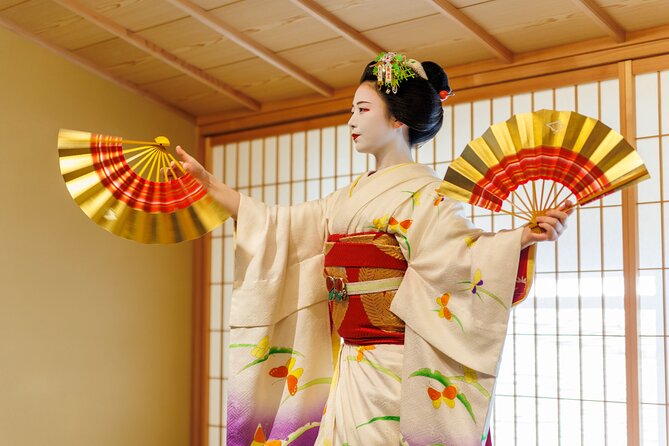
The heart of the experience is the performance at a traditional tea house. Your guide translates so you can follow the culture and history better, and you’ll have a chance to talk with a maiko.
This part is where the tour earns its reputation. You’re not watching from the sidewalk. You’re inside the setting, participating in a guided conversation, and seeing live performing art in a controlled, etiquette-driven environment.
Meeting the Maiko and Retired Geiko: What to Expect in the Show
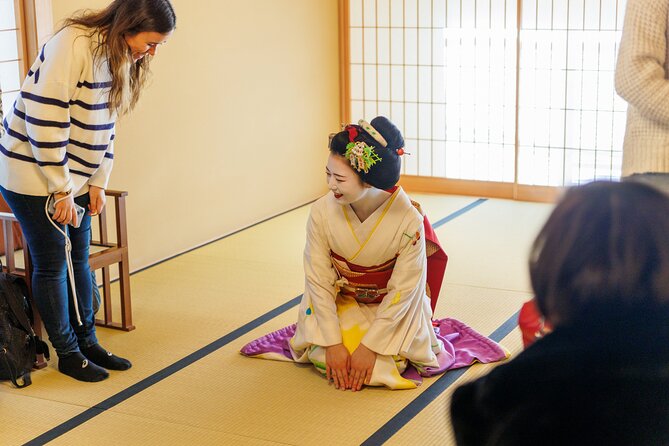
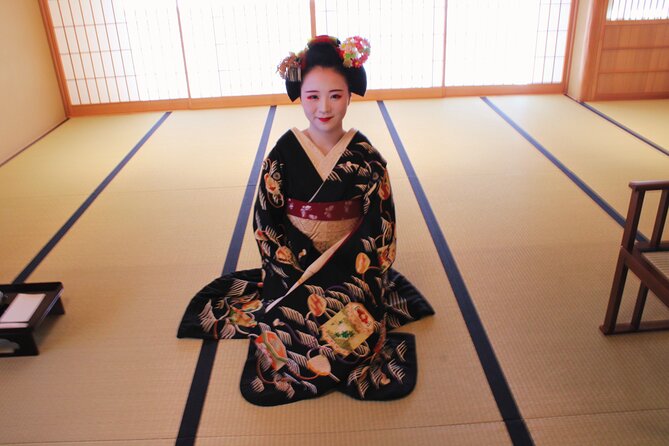
The big promise here is simple: you’ll watch graceful live performance by a maiko and a retired geiko, and you’ll be able to chat and ask questions.
What that means in practice is that the performance isn’t just a spectacle. It’s structured like an introduction to roles and artistry:
- The maiko performs.
- You get time for questions and interaction.
- A retired geiko provides perspective on the tradition and life after the spotlight.
This is also why small-group matters. With a max of 30, you’re more likely to feel like you’re part of the conversation rather than stuck behind a wall of tour groups.
One more note from the real-world vibe of this kind of setting: if you’re the type who likes loud, effortless storytelling, you might find that the experience relies on translation and being attentive. A couple of past guests mentioned translation/audio issues. That doesn’t mean it’s guaranteed bad, but it does mean you should set expectations: you’ll get the most out of the show if you lean in and position yourself well for hearing.
Private Ochaya Etiquette: Socks, Stairs, and Photo Rules
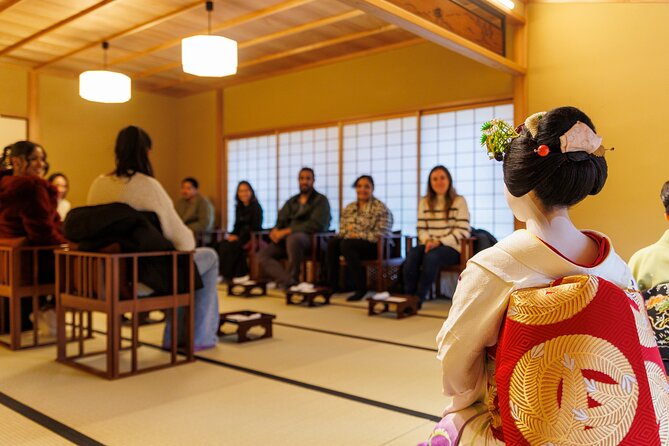
This tour comes with rules because it’s in a traditional private house. Treat it like visiting a professional performance space, not like a museum.
Socks are required
You must wear socks at the performance venue. On rainy days, wet cloth and socks are not allowed at the venue. That’s why the tour encourages umbrellas during the walk.
Translation: bring a plan for rain. Even if Kyoto sprinkles briefly, you’ll want dry socks ready.
There are stairs to the performance space
The performance happens on the private house’s 2nd floor, accessible only via stairs. Plan accordingly.
Photos and video have boundaries
Photography and video recording are allowed only during the performance and the photo session. If you want to upload images to social media, you need to obtain direct permission from the maiko beforehand.
So: take photos during the allowed windows, enjoy the moment during the rest, and don’t assume you can post anything instantly.
Price and Value: Is $109.43 Worth It?
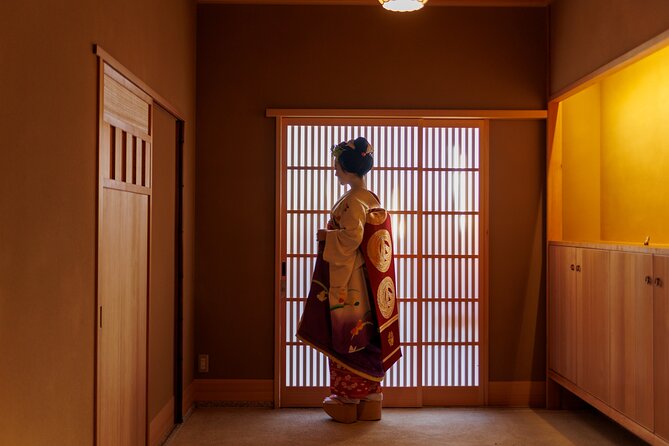
At $109.43 per person for a roughly 3-hour tour, this is not a budget pickup. The value comes from three specific things you’re paying for:
- Rare access to a private ochaya-style setting.
- Live performance by a maiko and a retired geiko.
- Guided interaction and translation so you understand what’s happening.
If you’re just trying to “see a geisha,” you’ll likely feel disappointed because your experience isn’t built around street spotting. It’s built around a controlled introduction to the arts and the people behind them.
If you want a story you can’t easily DIY—inside access, structured etiquette, and a conversation—then this price can make sense. The tour’s own reputation (high recommendation rate and strong satisfaction) also suggests that many people feel the ochaya component is exactly what they came for.
That said, there are also complaints about length and how much of the walk feels repetitive to some people. If you prefer efficient routes where every minute is a new view, you might wish the walking portion was tighter. You can reduce this risk by going in with the right mindset: the walking is part of the cultural lesson, not just transport.
Who Should Book This Gion Experience (And Who Might Prefer Something Else)
This tour fits best if you:
- Want structured cultural context in Gion, not just sightseeing.
- Care about etiquette and roles, especially the maiko/geiko world.
- Enjoy Q&A and translation-led conversation.
- Like the idea of a small group (max 30).
It’s not ideal for:
- Families traveling with children under 10 (not permitted).
- Anyone uncomfortable with moderate walking.
- Anyone who can’t handle stairs to the 2nd-floor venue.
- People hoping to pick up quick street photos without rules.
If your goal is to spend the whole time watching potential street encounters, you’ll likely feel like this is the opposite approach. This tour is for people who want the inside view and the meaning behind it.
Practical Tips Before You Go (So the Evening Runs Smoothly)
Here’s what will make your experience easier from start to finish:
- Bring dry socks if rain is possible. Kyoto rain can be brief but still ruin socks for the venue rules.
- Use comfortable shoes. You’ll be walking and pausing often.
- Arrive a few minutes early at Miyagawasuji so you can settle in and listen to the orientation without rushing.
- If you’re sensitive to audio, position yourself well during the show and conversation. This kind of venue can make hearing tricky if you’re not in the right spot.
- Plan your phone. Photo/video is only allowed during the performance and photo session, and social posting may require permission from the maiko.
Also, this tour runs rain or shine, and that’s not a minor detail. Dress for the weather and bring patience.
Should You Book This Gion Walking Tour?
Book it if you want the rare part: a private ochaya setting, a real maiko performance, and guided conversation where etiquette actually matters. This tour feels built for people who come to Kyoto to understand culture, not just collect photos.
Skip it if your main goal is street spotting, and you hate rules. Also think twice if stairs or rain-dry logistics would stress you out.
If you’re on the fence, I’d make the decision based on one question: do you want access and meaning, or do you want spontaneity? This experience is designed for access and understanding—and when you’re ready to follow the etiquette, it delivers.
FAQ
How long is the Kyoto: Meet the Geisha Maiko with Gion Walking Tour?
It lasts about 3 hours (approx.), though it may run a bit longer depending on the day.
Where does the tour start and end?
The meeting point is Miyagawasuji, Higashiyama Ward, Kyoto, and the tour starts and ends at that same area, before finishing at the special private house venue.
Is the tour a walking tour?
Yes. It includes multiple stops and is done on foot, so wear comfortable walking shoes and have moderate physical fitness.
Do I need to wear socks at the performance?
Yes. You MUST wear socks at the venue of the performance. On rainy days, wet cloth and socks are not allowed inside.
Are photos and video allowed?
Photography and video recording are allowed only during the performance and the photo session. For social media uploads, you must obtain direct permission from the maiko beforehand.
Who is the tour suitable for?
No children under 10 are allowed. The venue requires stairs to reach the 2nd-floor performance area.
Can I cancel for a full refund?
Yes. The experience is refundable with free cancellation up to 24 hours in advance of the start time.