REVIEW · KYOTO
Kimono Tea Ceremony at Kyoto Maikoya, NISHIKI
Book on Viator →Operated by Maikoya · Bookable on Viator
Kyoto’s tea ceremony feels like a reset button. Here you get two big cultural hits in one tidy kimono + matcha experience, led step-by-step by a tea master in Nishiki. I especially love how hands-on it is: you learn the utensil flow and actually make your own matcha.
Another highlight is the preparation moment: you pick a kimono, get simple matching hair styling (for ladies), and end up looking like you walked out of old Kyoto. The main drawback to plan for is simple logistics: you’re responsible for getting yourself to the Nishiki meeting point, and the venue is not open to children under 7.
In This Review
- Key things I’d prioritize before you go
- Kimono Tea Ceremony at Kyoto Maikoya: What You Actually Do
- Finding Kimono Tea Ceremony MAIKOYA Nishiki (and not wasting time)
- Choosing Your Kimono and Getting Help With Fit and Hair
- Sitting on Tatami: The Tea Room Mood Sets the Tone
- The Matcha Part: Utensils, Steps, and Mixing Like a Pro
- Wagashi and the Pause That Makes It Matter
- Price and Value: Is $65.66 Worth It?
- Timings, Duration, and How to Fit It Into Your Day
- Who Should Book This (and who might choose differently)
- Should You Book Kyoto Maikoya’s Kimono Tea Ceremony?
- FAQ
- FAQ
- What is the duration of the Kyoto Maikoya kimono tea ceremony?
- How much does the kimono tea ceremony cost?
- Where do I meet for the experience?
- Is transportation or hotel pickup included?
- What is included in the price?
- Can children under 7 attend?
- Do I need a printable ticket?
- Can I cancel and get a refund?
- What happens if weather is bad?
Key things I’d prioritize before you go
- Kimono first, tea second: dressing and photos happen before you sit for the ceremony
- You make your own matcha: instructions focus on the steps, utensils, and matcha mixing
- Wagashi with your tea: sweet pairings are part of the pacing, not a side note
- Central Nishiki location: near public transportation, so it’s easy to fit into a day
- Small, personal session: your booking is up to 2 travelers, and the ceremony still feels intimate
Kimono Tea Ceremony at Kyoto Maikoya: What You Actually Do
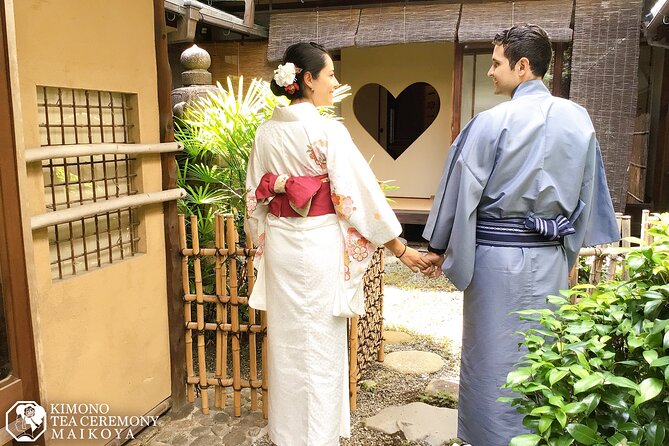
This is a classic Kyoto combo: clothing tradition meets a ritual built for attention and calm. Your 1 hour 30 minutes is structured so you don’t feel rushed, but you also don’t lose the thread. The pacing goes from dressing up, to understanding what matters, to doing the matcha process yourself.
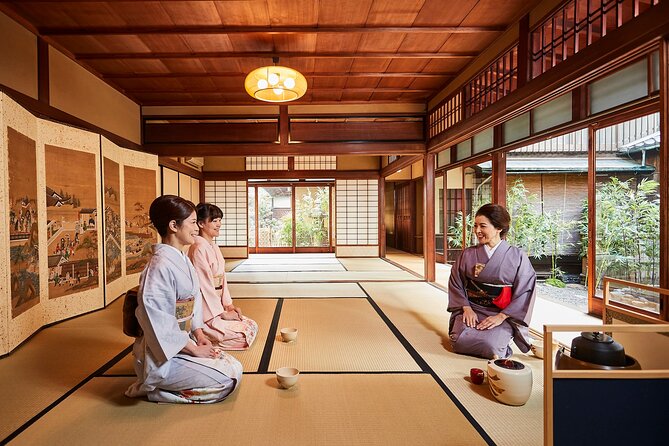
You start by meeting your host and a small group. Then you choose a kimono from the selection and get it fitted properly. If you’re traveling as a woman, you also get a simple hairstyle to match the kimono. After that, you sit on the tatami floor for the ceremony and follow along step-by-step.
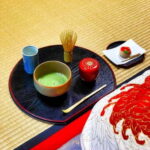
The core of the experience is learning how the tea ceremony works in real practice: how the utensils are used, what each step is trying to communicate, and how to whisk matcha using high-quality matcha powder. You finish by sipping your tea with wagashi (Japanese sweets). It’s educational, but the point is that you feel the rhythm, not just memorize facts.
You can also read our reviews of more tours and experiences in Kyoto.

Finding Kimono Tea Ceremony MAIKOYA Nishiki (and not wasting time)
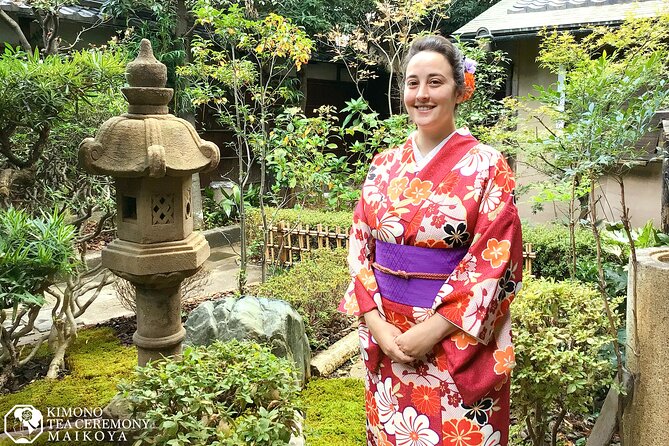
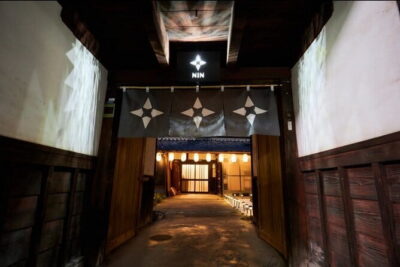
You meet at Kimono Tea Ceremony MAIKOYA Nishiki: 329 Ebiyachō, Gokomachi-dori Sanjo sagaru, 329 海老屋町, Chūō-ku? (Listed as 中京区 京都市 京都府 604-8076), Japan. The start and end are the same place, and the activity ends back at the meeting point.
You’ll want to give yourself a little buffer. Even though it’s near public transportation, kimono experiences rely on punctual arrivals. If you’re late, it can scramble everyone’s dressing schedule.
Good news: you don’t need to figure out hotel pickup. This is a self-guided logistics model. That usually means fewer surprises, as long as you plan transit the day before.
Tip: keep your day simple around this. Wear easy clothes, and try not to schedule something right before that requires lots of walking through tight streets.
Choosing Your Kimono and Getting Help With Fit and Hair
This part is more than photo bait. It’s part of learning how the ceremony expects you to slow down and be comfortable. You’ll pick from a selection of kimonos, and staff will help you put everything on properly. People consistently talk about the care and professionalism here.
For ladies, there’s also simple hairstyling to match the kimono. Expect it to be practical rather than over-the-top, but it matters for the final look and for staying comfortable while you sit on tatami.
One small detail I really appreciate: they help you organize valuables. Some past visitors have noted that you’re given a purse for keeping your essentials. In a ritual setting, that’s huge. You don’t want to be fumbling with bags when you should be focusing.
Photo time is built in. You’ll likely have time to change and look around before you sit for the tea. If you’re into street style shots or just want a clean kimono backdrop, this is the easiest window of the whole day.
Sitting on Tatami: The Tea Room Mood Sets the Tone
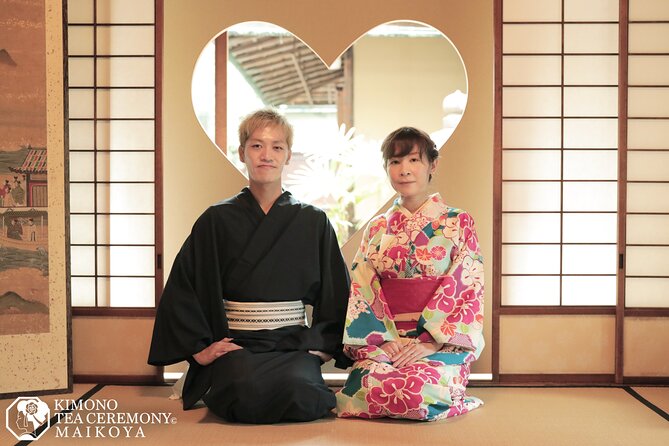
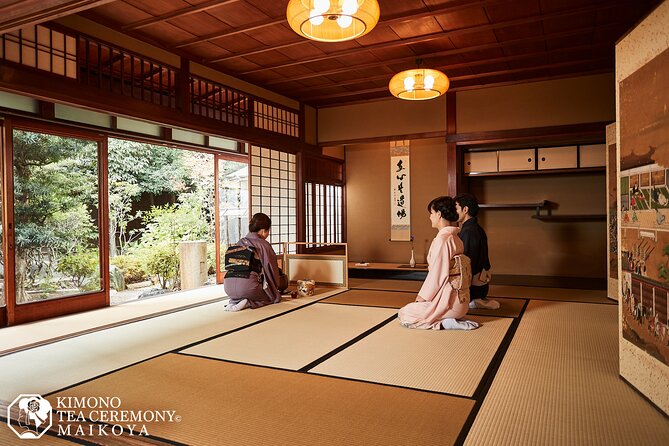
Once you’re ready, you sit Japanese-style on the tatami floor. That might sound basic, but it’s where the ceremony starts to feel different from a quick show-and-tell. Tatami seating forces a certain posture and calm, even if you’re not used to it.
Your host explains the history and significance of the tea ceremony as you go. The goal isn’t a lecture that turns into a blur. Instead, the explanations connect to what you’re about to do with the utensils and matcha.
The tea room is also part of the experience. Past visitors have mentioned traditional decoration that helps the whole session feel grounded in Kyoto rather than staged. That’s exactly the kind of detail you want for a cultural activity.
Practical note: tatami and seated posture can be tricky if you have mobility issues. The ceremony includes you sitting for the steps and waiting between them, so plan for some stillness.
The Matcha Part: Utensils, Steps, and Mixing Like a Pro
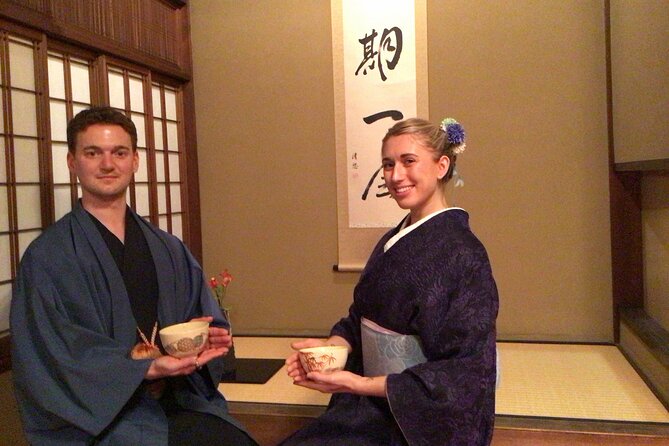
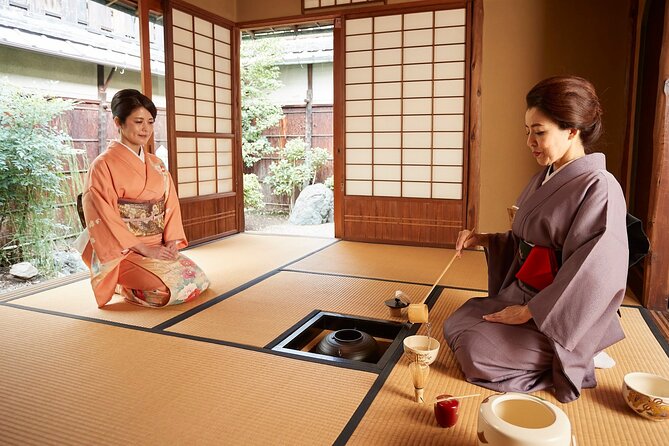
This is the hands-on highlight. You’re shown how to use the utensils and how each step fits into the flow. Then you make your own matcha using high-quality matcha powder.
You’re not just pouring hot water and hoping for the best. The host guides the process so you understand what you’re aiming for: a properly mixed tea that’s smooth and balanced, not lumpy and rushed. You’ll see the steps, then do them with instructions in real time.
Why this matters for your trip: tea ceremonies in Japan can be very technical. Here, it’s taught in a way that’s learnable even if you’ve never held a whisk before. The result is that you leave with a skill you can repeat at home, not just a memory of a nice moment.
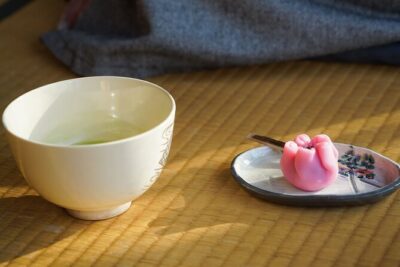
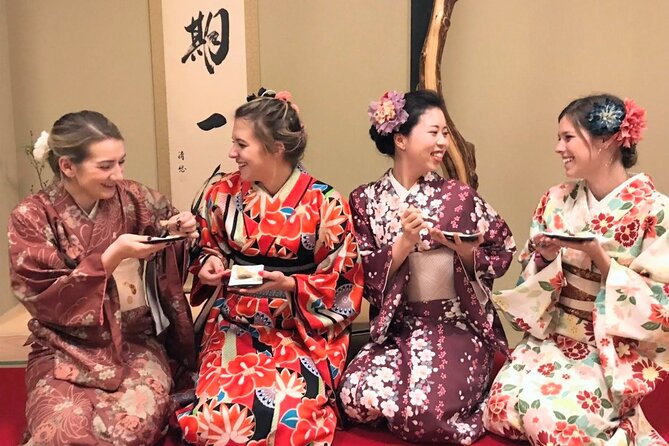
And yes, you get to sip. The ceremony ends with you drinking the matcha alongside wagashi sweets. That final taste turns the lessons into something you can actually carry forward.
A note on hosts: some visitors have specifically mentioned a presenter named Sono. If you happen to get the same style of guide, expect clear explanations and an emphasis on the meaning behind each step.
Wagashi and the Pause That Makes It Matter
The tea is paired with wagashi Japanese sweets. These aren’t just included so you don’t feel hungry. They’re part of the ceremony’s pacing and flavor balance.
The typical rhythm is: prepare, whisk, then settle into the sip while you enjoy the sweets. This is where you feel the difference between watching a cultural performance and doing a ritual. You’re not sprinting to the next photo spot. You’re sitting, tasting, and letting the explanations sink in.
If you’re the type who likes small, thoughtful experiences, you’ll probably love this. If you want constant action, it can feel slower than a typical “activity.” But the slow pace is the point. Tea ceremony isn’t a race.
One experience detail worth calling out: some past visitors also mentioned a brief meditation-like moment. That kind of pause fits the tea ceremony theme. It can be surprisingly calming after a busy day of Kyoto walking.
Price and Value: Is $65.66 Worth It?
At $65.66 per person, this isn’t a budget throwaway. But you should see what’s actually included.
You get:
- Kimono costume
- Green tea (matcha)
- Utensils for the ceremony
- Hair styling (simple style) for ladies
- Snacks
- Tea ceremony instruction and the step-by-step process
You’re not paying extra for entry, because the key service is the ceremony and the full kimono experience. And because transportation and hotel pickup aren’t included, you’re paying mostly for the cultural and practical components, not for someone driving you around.
For value, ask yourself two questions:
1) Do you want to wear a kimono in Kyoto without having to plan separate rentals?
2) Do you want to do the matcha process yourself, not just observe?
If the answer is yes, the price starts to make sense. If you only want a quick tea tasting and zero dressing, it may feel a bit heavy.
Timings, Duration, and How to Fit It Into Your Day
The session runs about 1 hour 30 minutes. You also get a choice of morning or afternoon timings. That flexibility helps if you’re trying to pace your Kyoto itinerary and not stack too many activities.
Group size is another key factor. Your booking can be for up to 2 travelers. Even with that, the ceremony setting may include other participants during the same session window. Either way, the experience is designed to stay small enough that you’re not lost in a crowd.
Because you’ll be getting dressed and then seated, treat this as a main event. Build your day around it. Try not to schedule it at the very end of your trip unless you’re comfortable with a bit of uncertainty in timing.
Who Should Book This (and who might choose differently)
I’d steer you toward this experience if you:
- want a real Kyoto cultural activity with instruction, not just sightseeing
- like hands-on learning (you’ll make matcha)
- want kimono dressing handled for you, including basic hair styling for ladies
- enjoy a calm, structured pace
It may be less ideal if you:
- hate sitting still for a stretch (tatami requires patience)
- want minimal involvement and zero dressing
- are traveling with children under 7, since children cannot enter the tea ceremony venue and reservations can’t be made for them
Also consider that you need good weather. The data says the experience requires good weather, and if it’s canceled for poor weather, you’ll be offered a different date or a full refund. So keep an eye on forecasts for Kyoto.
Should You Book Kyoto Maikoya’s Kimono Tea Ceremony?
Yes, if you want a Kyoto moment that’s both practical and peaceful. This one earns its place because you do more than watch. You’ll get dressed in a kimono with staff support, you’ll sit on tatami in a properly traditional setting, and you’ll learn the utensil steps and whisk your own matcha.
I’d particularly recommend it if you’re worried about the logistics of kimono rental plus tea ceremony. This experience bundles the hard parts. You just show up, get helped, and follow the host through the process.
I’d only hesitate if you’re trying to keep costs ultra-low, or you’re not into seated calm. Otherwise, $65.66 buys you real participation, a skill you can repeat, and a break from the usual Kyoto walking grind.
FAQ
FAQ
What is the duration of the Kyoto Maikoya kimono tea ceremony?
The experience is about 1 hour 30 minutes.
How much does the kimono tea ceremony cost?
It costs $65.66 per person.
Where do I meet for the experience?
You meet at Kimono Tea Ceremony MAIKOYA Nishiki, 329 Ebiyachō, Gokomachi-dori Sanjo sagaru, 329 海老屋町, 中京区 京都市 京都府 604-8076, Japan. The tour ends back at the meeting point.
Is transportation or hotel pickup included?
No. Transportation and hotel pickup and drop-off are not included.
What is included in the price?
Included items are kimono costume, green tea, utensils, hairstyling (simple style), and snacks.
Can children under 7 attend?
No. Children under 7 cannot enter the tea ceremony venue, so reservations cannot be made if you have a child under 7 in your party.
Do I need a printable ticket?
No. The experience uses a mobile ticket.
Can I cancel and get a refund?
Yes. Free cancellation is available up to 24 hours in advance for a full refund. If you cancel less than 24 hours before the start time, the amount paid will not be refunded.
What happens if weather is bad?
The experience requires good weather. If it’s canceled due to poor weather, you’ll be offered a different date or a full refund.