REVIEW · KYOTO
Nishiki Market Food Tour with Cooking Class
Book on GetYourGuide →Operated by Cooking Sun · Bookable on GetYourGuide
Donburi turns shopping into lunch. This Nishiki Market experience pairs an English-speaking local guide with a hands-on donburi cooking class, so you go beyond sampling and actually learn what you’re buying and why it matters. I especially like the private pace and the way the guide helps you focus on the right stalls in a crowded market.
One thing to keep in mind: while ingredients are included, taste can vary by choice and availability—one review noted a less-than-ideal item (fatty tuna). If you’re picky about specific seafood or texture, communicate preferences early.
In This Review
- Key things you’ll notice right away
- Nishiki Market with an English guide: faster sense-making in a crowded place
- Timing reality: 15 minutes alone vs. hours with explanation
- From stall tips to your donburi list: how the ingredient shopping actually works
- Pick your bowl: Kaisen-don, Ten-don, or Oyako-don
- Custom requests are part of the point
- Tastings during the tour: pickles, samples, and optional sake
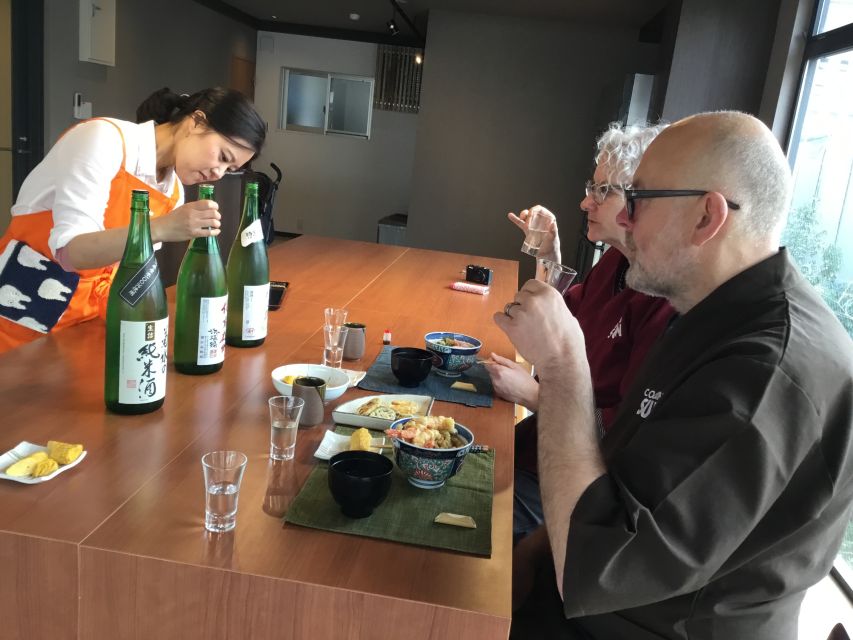
- Optional sake tasting of 3 types
- The cooking class: a cozy studio kitchen with real instruction
- What you learn goes beyond one bowl
- Family-friendly, without feeling like a children’s class
- Lunch you control: eating what you cooked, with the right expectations
- Price and value: why $109 can make sense for the right traveler
- Who this experience suits best (and who might skip it)
- Practical tips to get the most from your day
- Should you book the Nishiki Market donburi cooking class?
- FAQ
- FAQ
- Where do we meet for the tour?
- How long is the experience?
- Is the tour private?
- What do I cook during the cooking class?
- Are the donburi ingredients included in the price?
- Is sake tasting included?
- What tastings are included during the market part?
- What is included in transportation?
Key things you’ll notice right away
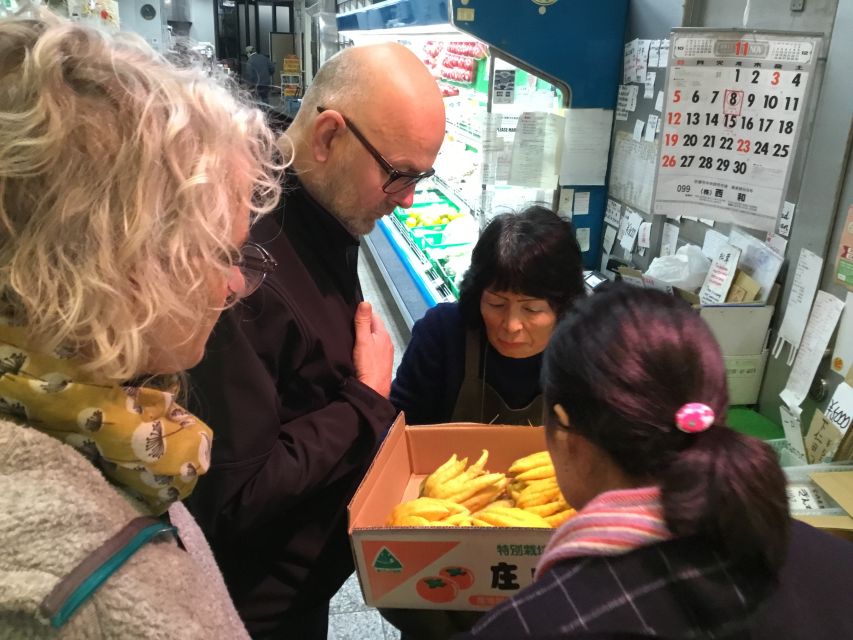
- Private, at-your-pace market walking with an English-speaking guide and translation help at stalls
- Donburi made from your market buys, not a pre-set menu
- Choose your bowl: Kaisen-don (seafood), Ten-don (tempura), or Oyako-don (chicken & egg)
- Included tastings, including free Japanese pickles during the tour
- Optional sake tasting of 3 different types
- A built-in move to the studio, with taxi cost included from market to kitchen
Nishiki Market with an English guide: faster sense-making in a crowded place
Nishiki Market is famous, and it can also feel like sensory overload—tight lanes, constant arrivals, and a ton of things you’ll recognize and a lot you won’t. The biggest practical win here is having a fluent English local guide who slows the experience down just enough for you to understand what you’re looking at and what’s actually worth your time.
What you get from the market portion isn’t just “here’s food.” It’s context: where stalls originated, what kinds of shops are known for, and what to pay attention to when you’re deciding what ingredients to grab for your donburi later. One review praised how the guide pointed out original stalls and helped them decide where to return, which matters when you only have a set amount of time.
Also, you’re not stuck guessing etiquette. You’ll get clear guidance on what you can and can’t do while walking and snacking—like the basic rule that you shouldn’t eat and walk in the market. That kind of information saves you from awkward moments and helps you move through the space like a guest who understands the local rhythm.
You can also read our reviews of more food & drink experiences in Kyoto

Timing reality: 15 minutes alone vs. hours with explanation
Left to your own devices, the market could be a quick loop—about 15 minutes to pass through. With real explanations, it’s easy to spend much longer. Expect roughly 1 hour in Nishiki Market, then a separate stretch for cooking and eating your bowl.
If you’re the type who loves wandering, this structure helps because your guide keeps you moving toward the donburi shopping list. If you’re the type who likes a plan, it also works because you’re not randomly sampling—you’re building meals intentionally.
From stall tips to your donburi list: how the ingredient shopping actually works
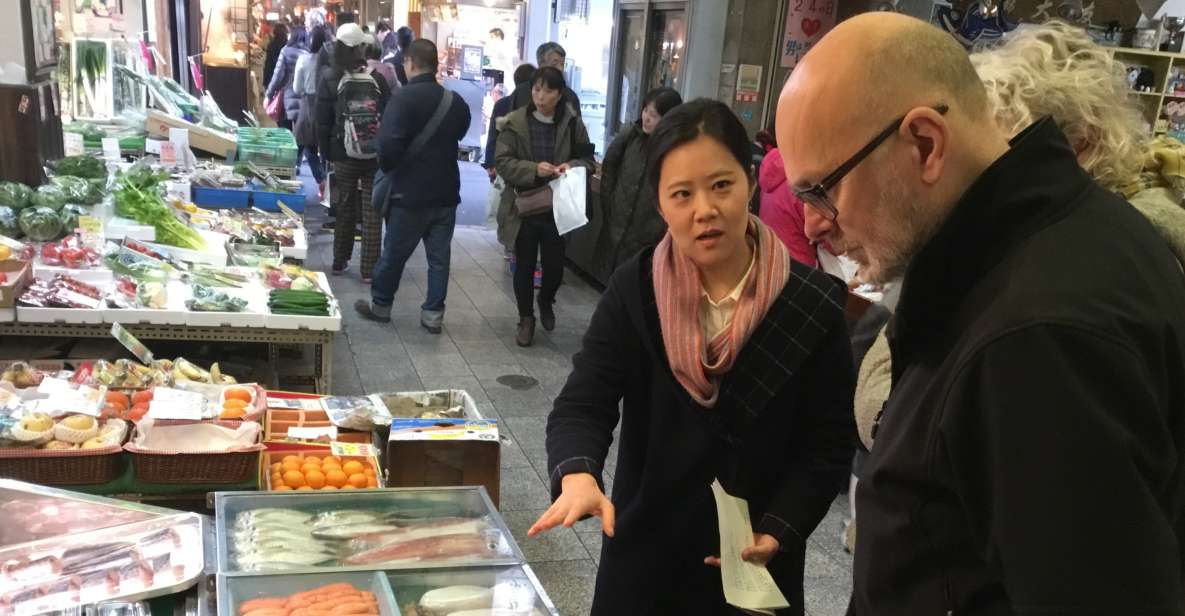
Here’s what makes this tour feel different from a standard food crawl: your donburi is built from the ingredients you buy during the market walk. The ingredients cost is included, so you can focus on choosing what you want rather than doing mental math about every little add-on.
You’ll be told how the experience flows right after you meet at the western side entrance of Nishiki Market. Then you start walking, and you can ask questions about foods you haven’t seen before. The guide can also help translate with shop staff, which is a big deal in Japan when you want to understand packaging, freshness, or how a product is normally used.
Pick your bowl: Kaisen-don, Ten-don, or Oyako-don
You choose one of three donburi styles:
- Kaisen-don (seafood bowl)
- Ten-don (tempura bowl)
- Oyako-don (chicken and egg bowl)
What you’ll find helpful is that you’re not just choosing a name—you’re choosing a cooking process and flavor direction. Tempura-based bowls, for instance, tend to be more about timing and technique, while chicken & egg bowls often highlight sauces and how ingredients are combined.
If your group has different preferences, one review mentioned that multiple dish options were made within the same group setup—so even if you’re traveling with family, you may not all end up with the exact same bowl.
Custom requests are part of the point
One of the more encouraging details from the feedback: the class can accommodate substitution requests. A review specifically mentioned tofu as a substitution for chicken. That tells me the kitchen team isn’t rigid about only one “right way” to do the bowl, as long as substitutions fit what they have available and what they can guide you through safely.
If you have dietary needs or strong preferences (like avoiding certain seafood), tell your guide during the market portion. They’re already translating and choosing ingredients with you, so it’s the best moment to adjust.
You can also read our reviews of more tours and experiences in Kyoto
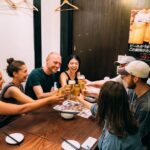
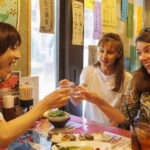
Tastings during the tour: pickles, samples, and optional sake
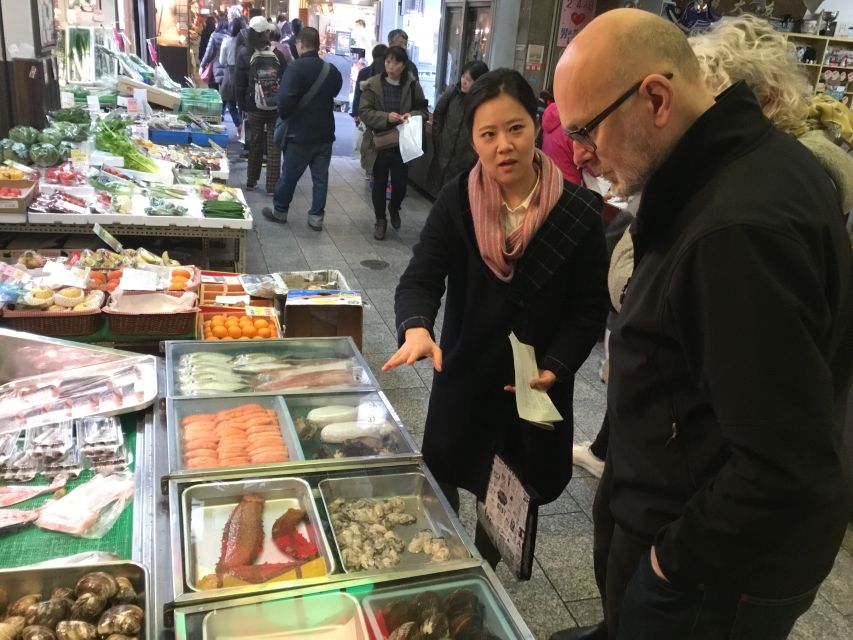
A lot of market tours hand you a few bites and call it a day. This one includes specific tasting components that make sense with the shopping and cooking.
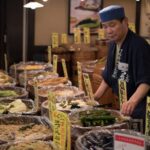
You’ll get sample food tasting during the market walk and free Japanese pickles tastings. Pickles are a clever addition because they show you how Japanese flavors handle contrast: salty, sour, crunchy—often used to cut through richness. It also helps you learn what to look for later when you’re deciding what tastes go well with your future bowl.
Optional sake tasting of 3 types
If you want to go further, you can try 3 different types of sake as an optional add-on. This is a fun way to connect the cooking experience to Kyoto-area food culture, especially since the market is the kind of place where alcohol and small food pairings fit naturally.
Practical tip: if you’re not used to sake, treat the tasting as a flavor sampler, not a goal to finish. You’ll be cooking afterward.
The cooking class: a cozy studio kitchen with real instruction
After the market, you’ll head to the kitchen studio by taxi—taxi cost is included—so you don’t have to figure out transport while hungry and carrying ingredients. Once you arrive, you’ll start cooking fairly quickly. The class portion totals about 1 hour, with enough time to prepare and then eat what you made.
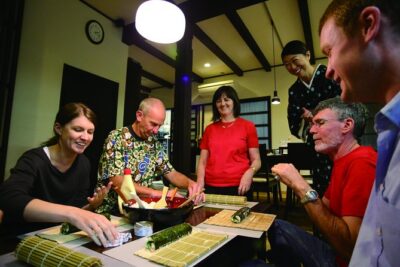
The kitchen setup is described as clean and well-stocked, and the instruction style is a major strength. Multiple reviews mention teachers with excellent English and a friendly, patient tone—names you might see connected with this experience include Chie, Chei, Momo, Mio, and Mae. That variety matters because it suggests the program maintains consistent standards even with different instructors.
What you learn goes beyond one bowl
A good cooking class should teach you how to recreate the method at home. Several comments focus on getting explanations not only for taste, but for appearance—how to make things look good, how sauces work, and even which brands to watch for. That’s useful because it means you’re not just copying a recipe; you’re understanding building blocks like dashi basics and sauce use.
If you cook already, you’ll likely appreciate the small technique notes. If you don’t cook much, you’ll still benefit because the steps are guided and paced for a group.
Family-friendly, without feeling like a children’s class
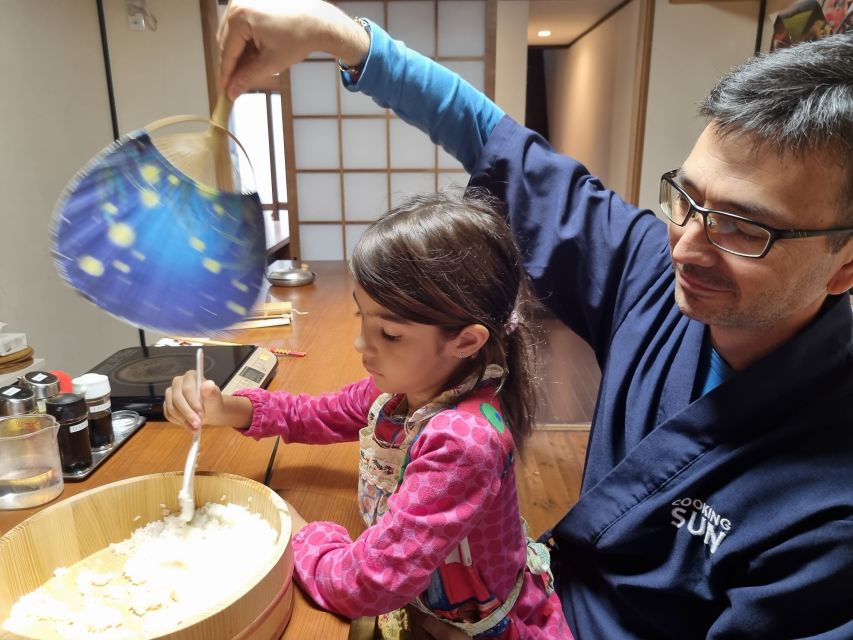
One review said the methods and pacing kept kids interested, so this isn’t only for serious food nerds. Still, it’s not dumbed down. You’ll be cooking real components of your bowl, and the teacher will guide you through each step.
If you’re traveling with children, this format tends to work because everyone has a job and a reward at the end: a bowl they helped make.
Lunch you control: eating what you cooked, with the right expectations
When the cooking finishes, you eat your donburi. Since ingredients came from the market, your meal reflects the choices you made, not a predetermined lunch set. That’s a big psychological difference: you feel ownership of the result.
Keep expectations grounded: you’ll also likely want to eat more in the market on your own afterward, because the tour includes specific tasting and your donburi meal, but does not cover all additional food you might want to buy.
A balanced way to think about it: the tour is designed to give you one structured, meaningful meal plus learning. It’s not an all-you-can-eat plan.
Price and value: why $109 can make sense for the right traveler
At $109 per person for about 150 minutes, it’s not the cheapest thing you can do in Kyoto. But the value story is pretty clear if you look at what’s included:
- A private market tour with an English guide
- Ingredients included for your donburi cooking
- Recipe support
- Sample tasting and free pickles
- Optional sake tasting (if you choose it)
- Taxi included from market to studio
- A private group format, meaning you’re not squeezed into a large, fast-moving crowd
For comparison in a general sense, most “market + cooking” experiences charge separately for market access, instruction, and ingredients. Here, ingredients are bundled into the class meal, so you’re not paying twice—once for the tour and again for the food used in your cooking.
This is especially good value if you’re the type who wants to come away with skills you’ll use. If you only want casual tastings and zero kitchen time, you’d probably feel the cost more. But if you want a real “learn and eat” experience, the structure justifies the price.
Who this experience suits best (and who might skip it)
This is a strong match if you:
- Want to shop a market with an English-speaking guide who can explain what you see
- Like hands-on activities and want to cook something you chose
- Enjoy Japanese flavors like dashi-based dishes, tempura styles, or chicken & egg bowls
- Travel with family and want an activity that works for kids, too
- Prefer private pacing, where questions don’t get cut off
You might reconsider if:
- You only want to snack your way through Nishiki Market and hate kitchen work
- You’re extremely picky and won’t tolerate any substitutions or availability changes
- You’re hoping the tour includes every possible bite in the market (it doesn’t; extra market eating is up to you)
Practical tips to get the most from your day
A few things that make this tour smoother and better, based on how the experience is set up:
- Plan to ask questions early. The market portion determines your ingredients, so clarifying choices while you’re there saves stress later.
- If you have substitutions in mind, mention them during the market walk. The guide is actively translating and selecting ingredients.
- Wear comfortable shoes. Nishiki Market is a walking experience, and you’ll move through enough stalls to stay on your feet.
- If you opt for sake tasting, keep it light. You’ll still be cooking and eating afterward.
And one small mindset shift helps: treat the market walk like an ingredient scouting mission. The more you pay attention to what you’re buying, the more satisfying the bowl becomes.
Should you book the Nishiki Market donburi cooking class?
I’d book it if you want a Kyoto food experience that’s more than tasting. The private market guide + hands-on donburi cooking format is the core strength here, and the included ingredients plus recipe support make it feel like real learning, not just entertainment.
I’d hesitate only if cooking is a hard no for you, or if you have very strict dietary rules you’re not willing to discuss during the ingredient-buying stage. For the right traveler, this is one of those experiences where your lunch comes with a story, and the story comes with skills you can repeat at home.
FAQ
FAQ
Where do we meet for the tour?
You meet at the western side entrance of Nishiki Market.
How long is the experience?
The duration is about 150 minutes total.
Is the tour private?
Yes, it’s a private group experience.
What do I cook during the cooking class?
You cook your own donburi bowl, choosing from Kaisen-don (seafood), Ten-don (tempura), or Oyako-don (chicken & egg).
Are the donburi ingredients included in the price?
Yes. The ingredients for the donburi cooking are included, along with the recipe.
Is sake tasting included?
Sake tasting is optional. You can try 3 different types of sake if you choose.
What tastings are included during the market part?
The tour includes sample food tasting and free Japanese pickles tastings.
What is included in transportation?
Taxi cost from the market to the studio is included.