REVIEW · KYOTO
Experience Kimono in Kyoto
Book on Viator →Operated by 京都着物レンタル · Bookable on Viator
Kimono in Kyoto, minus the stress. This one-hour kimono experience gets you into traditional Kyoto style fast, with an expert doing the hard work: dressing you, setting your hair, and styling the details so you can focus on walking and photos. You’ll be set up in a private room, then head out from a spot near transit with places like Gion and Kawaramachi within easy reach—ready for that classic street-and-temple look.
I like that everything that makes kimono feel complete is included, not just the outfit: hair styling plus accessories like obi and a bag. I also love the guidance part—staff will help you pick what to wear and point you toward the best photo locations around Kyoto, including walkable areas near you.
One thing to plan around: you’ll need to return your kimono by 17:00, and the main dressing portion is about an hour, so it’s best for people who want a set plan and then a relaxed stroll.
In This Review
- Key Things You’ll Notice Right Away
- Your Kyoto Kimono Start: Picking a Look You’ll Actually Wear
- Hair Styling in a Private Room: Fast, Polished, and Comfortable
- Accessories That Make the Outfit Feel Finished (Obi, Shoes, Bag)
- Where Staff Recommendations Actually Help: Photo Spots and Simple Routes
- Exploring Kyoto After Dressing: Gion Streets, Temples, and Shopping Lanes
- The Value Question: Why $25 Can Make Sense Here
- Practical Stuff You’ll Want to Know Before You Go
- Who This Fits Best (And Who Might Skip It)
- Should You Book Kimono in Kyoto?
- FAQ
- How long does the kimono experience take?
- What’s included in the price?
- Is this a private activity?
- Do I get help choosing and styling my kimono?
- Is there a tabi sock gift?
- What happens in summer months?
- Where do I meet for the activity?
- Is it easy to reach using public transportation?
Key Things You’ll Notice Right Away
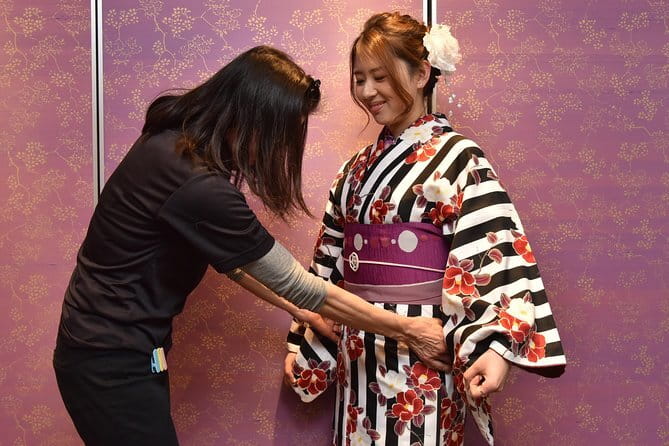
- Expert dressing plus hair set so you don’t wrestle with obi and knots
- Private dressing room for a calmer, more comfortable prep time
- Choose your kimono and build your look with obi, accessories, and guidance
- Staff photo tips to get better results than wandering randomly
- Seasonal swap to yukata in summer months (same idea, lighter garment)
- Nearby walking base in Higashiyama with Gion and Kawaramachi within reach
Your Kyoto Kimono Start: Picking a Look You’ll Actually Wear

This experience starts with the most important decision: choosing your kimono. You’ll select from a collection of garments, then build the rest of your look from there. That means it’s not just put-on-and-go. You get to make choices about the vibe—color, style, and the way the whole outfit comes together.
Once you choose your kimono, you’ll move to the accessories side. You can create a coordinated style using items like the obi and additional accessories, and staff will help you assemble it in a way that looks right. If you’re not sure how kimono styling usually works, don’t stress. They’ll guide you through it.
This matters because kimono can look very different depending on how it’s put together. Getting the obi and accessories positioned well is the difference between a costume feel and a Kyoto feel. Here, you’re not guessing, and you’re not wasting time trying to solve it yourself.
You can also read our reviews of more tours and experiences in Kyoto.

Hair Styling in a Private Room: Fast, Polished, and Comfortable
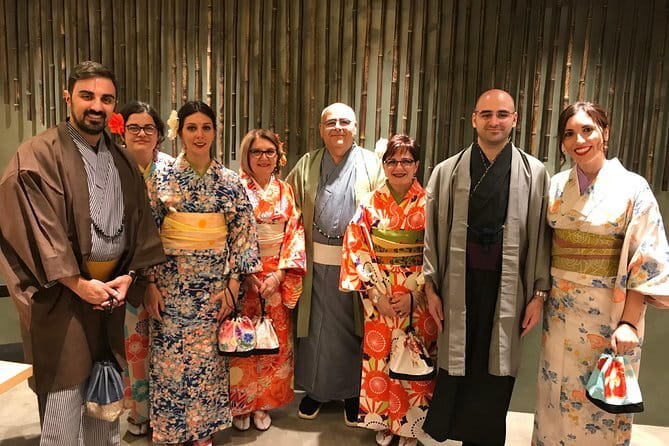
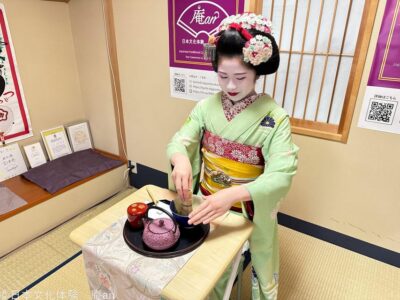
Hair-styling is included, and it’s done for you by an expert in a private room. That private setup is a real quality-of-life upgrade. You’re not getting in anyone’s way, and you can relax while you get ready.
The goal isn’t just “hair, done.” It’s hair that matches kimono style, with the right finishing touches and accessories. You’ll also have hair accessories included, so you can get that complete look instead of leaving your hair feeling unfinished.
If you care about photos, the hair piece is a big deal. In kimono, hair and outfit details are what the camera catches first. With this setup, you’ll look like you belong in Kyoto’s older streets, not like you’re waiting for a makeover to start.
Also, there’s a seasonal detail that’s easy to miss: you’ll get a pair of tabi, the traditional socks. That gift is available from October through May. In summer months, they prepare yukata, which typically changes the whole feel of your outfit, so it’s worth asking what’s available when you book.
Accessories That Make the Outfit Feel Finished (Obi, Shoes, Bag)
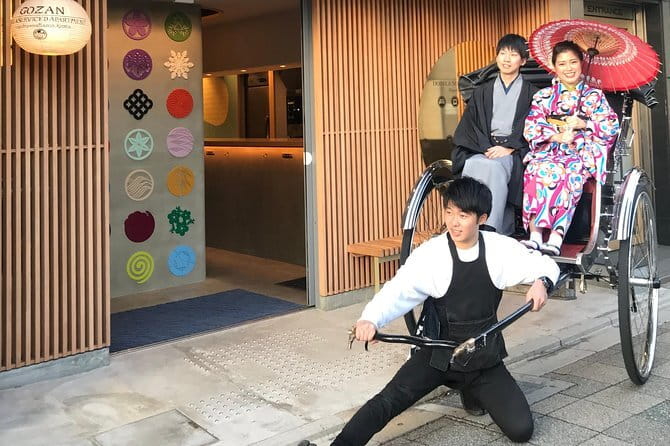
Kimono rental can be tricky when the “small stuff” isn’t included. Here, it is. You’ll get the obi, shoes, Japanese socks, and a Japanese bag along with the garment itself. In other words, you’re not hunting for extra items after the dressing part ends.
The obi is the heart of the look, and staff involvement is the difference between something wearable and something that looks awkward. They’ll also help you with accessory choices so your outfit feels intentional.
One practical bonus: having the right footwear and socks matters for walking. Kyoto streets include lots of uneven pavement and long stretches on foot. Proper shoes and tabi-style socks help you move without constantly thinking about your outfit.
Where Staff Recommendations Actually Help: Photo Spots and Simple Routes
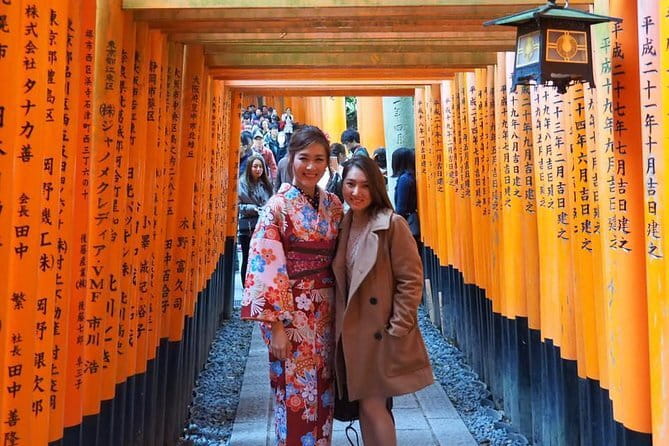
One of the best parts here is that staff don’t just hand you a kimono and disappear. They give personal recommendations on places to visit in Kyoto and tips for where to take photos.
This is useful for two reasons. First, it saves time. You don’t have to guess which streets and viewpoints match your outfit. Second, you’ll get ideas that fit your timing—especially because the kimono experience has a real start and end window.
A practical way to think about their advice: use it to plan your first hour of wandering. Walk to one or two “big photo” areas, then move on to nearby streets. The goal is to avoid turning your kimono day into a frantic rush.
Since you’re conveniently located near public transportation—specifically close to the subway and the Keihan railway—your staff tips can guide you into a walking pattern that doesn’t require complicated transit decisions. From there, Gion and the Kawaramachi shopping district are within walking distance, and you can also head to temples and other famous landmarks nearby.
Exploring Kyoto After Dressing: Gion Streets, Temples, and Shopping Lanes
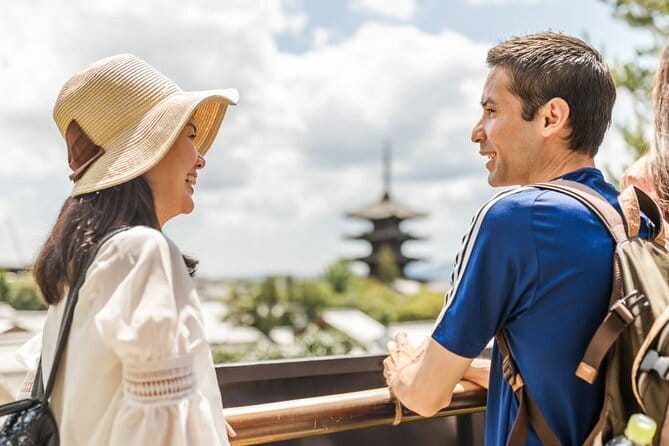
After everything is done, it’s time to stroll around at leisure. You can keep exploring until the shop’s closing time, and there’s also a hard return deadline: you need to return your kimono by 17:00. That creates a clear structure. You’re not stuck waiting for the next part of a tour, but you still have guidance and a timeframe that keeps the day smooth.
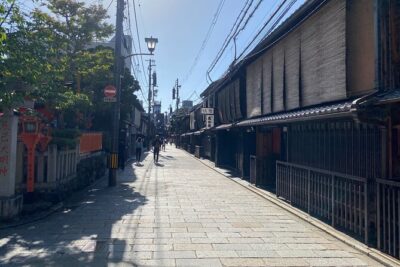
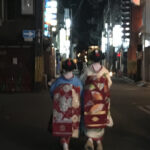
Gion is the obvious target. It’s the kind of area where kimono just fits the scenery, with picturesque streets that make photos look effortless. If you want that classic Kyoto look, start there while the streets still feel calm.
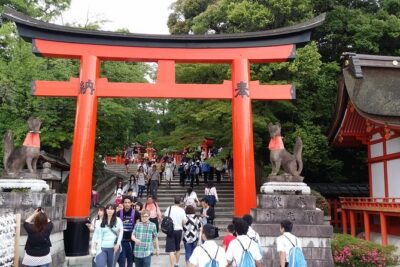
Temples and landmark areas are also a natural pairing. You’ll get the contrast of traditional clothing against stone paths, gates, and temple grounds. The important thing is pacing. You’ll be dressed up, so take breaks, hydrate, and don’t try to speed-run Kyoto.
Kawaramachi is a fun alternative once you want a bit of variety—shopping atmosphere and lively streets, still close enough to keep your day from getting complicated. It’s a good place to explore after you’ve already gotten your main photo sets.
The Value Question: Why $25 Can Make Sense Here

Price is simple: it’s $25 for about 1 hour (plus the time to explore afterward). Kimono is traditionally expensive to buy, and it can be difficult to put on yourself. This experience solves both problems in one package.
Here’s where the value comes from. You’re not paying only for fabric. You’re paying for the expertise that gets you into a properly styled outfit, plus hair styling, accessories, shoes, and a bag.
The other hidden value is time. Learning to tie obi correctly and arranging a kimono look can eat up a day. With an expert dressing session, you get to Kyoto’s best walking streets while you still have energy.
You’ll also notice how the private room and included hair and accessories reduce stress. Less stress means better photos, smoother walking, and fewer “I wish I had started earlier” moments. For many people, that’s the real luxury.
Practical Stuff You’ll Want to Know Before You Go

If you want your kimono day to feel easy, plan around a few realities.
First, your main dressing portion happens quickly, but you’ll still want time afterward to walk, look around, and take photos without rushing. The biggest mistake is treating this like a quick photo booth stop. It’s better as a focused Kyoto experience with a stroll at the end.
Second, plan your route around the return deadline. Because you must return by 17:00, it helps to choose one area to emphasize early (like Gion or a temple cluster), then keep the rest flexible nearby.
Third, consider the seasonal garment difference. In summer months they prepare yukata, which can feel lighter and more casual than kimono. If you’re sensitive to heat or humidity, the seasonal version may be more comfortable for long walking.
Finally, since it’s a private activity for your group, it tends to work well for friends and families who want a shared outing. You’re not joining a large mixed group where personal questions get rushed.
Who This Fits Best (And Who Might Skip It)

This kimono experience is a strong fit if you want an authentic Kyoto look without turning your day into a clothing project. It’s also ideal if photos matter to you. The staff recommendations and styling help you look right and find better spots faster.
It’s also a good option if you prefer a more personal setup. The dressing happens in a private room, and your group participates only with you.
It may not be the best choice if you’re looking for a full guided day tour with long temple stops or lots of transit planning. This is mainly about getting dressed and then exploring on your own with advice.
There are also clear limits worth respecting: it’s not recommended for children under 3, and it’s not recommended if you’re sick. If you have mobility concerns, you’ll want to consider how long you’ll be on your feet while dressed up, even though you’re exploring at leisure.
Should You Book Kimono in Kyoto?
If your goal is a traditional Kyoto moment—kimono, hair styling, and photo help—this is a high-value choice. The low price works because you’re getting expert dressing plus accessories and footwear, not just renting fabric.
Book it if you want an easy plan: choose your look, get styled in a private room, then stroll places like Gion and Kawaramachi with staff guidance behind you. Skip it if you need a full-day guided itinerary or you’re tight on time before the 17:00 return deadline.
FAQ
How long does the kimono experience take?
It’s approximately 1 hour for the kimono experience, with additional time to stroll afterward until the shop’s closing time.
What’s included in the price?
The price includes the kimono or yukata, obi, shoes, Japanese sox (socks), a Japanese bag, hair set, and hair accessories. No additional charge is listed.
Is this a private activity?
Yes. It’s a private tour/activity, and only your group will participate.
Do I get help choosing and styling my kimono?
Yes. You choose a kimono from a collection, then staff help with styling, including guidance on obi and accessories. They also help with recommendations for where to go in Kyoto.
Is there a tabi sock gift?
Yes. A pair of tabi is included as a memory of your trip, but it’s available from October through May only.
What happens in summer months?
During summer months, they prepare yukata.
Where do I meet for the activity?
The start point is GOZAN HOTEL & SERVICED APARTMENT Higashiyama Sanjo, 35-7 Sanchōme, Higashiyama Ward, Kyoto, 605-0005, Japan.
Is it easy to reach using public transportation?
Yes. The meeting area is near public transportation, including the subway and the Keihan railway.