REVIEW · KYOTO
Tea Ceremony Experience in Kyoto
Book on Viator →Operated by Travel Japan Together · Bookable on Viator
Matcha tastes better when you make it. I really liked the chance to make your own matcha step by step, and the fact that wagashi is included so you get the full tea-and-sweet rhythm. The only real catch: it’s not wheelchair accessible.
This is a calm, focused hour led by Chisato, who teaches with over 30 years of experience. The spot is easy to combine with your Kyoto day since it’s about a 15-minute walk from the Kamogawa Delta and also within a 15-minute walk of Demachiyanagi Station.
In This Review
- Key highlights before you go
- Finding Tea Ceremony Experience Chisato near Shimogamo
- What happens during the 1-hour matcha session
- Making matcha: whisking, movements, and mindfulness
- Wagashi included: the sweet pause that completes the cup
- Why Chisato’s long experience matters
- Small group size: max 6 and why you’ll notice it
- Price and value: what $39.09 covers (and what it doesn’t)
- Where this fits in your Kyoto day
- What to expect from the setting and pace
- Should you book Tea Ceremony Experience in Kyoto?
- FAQ
- How long is the tea ceremony?
- How much does it cost?
- Where is the meeting point?
- Is it a small group?
- What’s included in the price?
- Is kimono included?
- Are tips included?
- What language is the session in?
- Do I need to print anything since it’s a mobile ticket?
- Can I cancel for a full refund?
- Is the experience wheelchair accessible?
Key highlights before you go
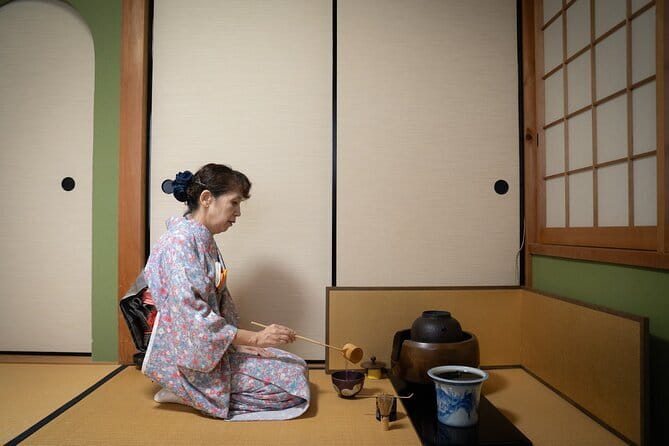
- Make your own matcha using the whisking ritual, guided at each step
- Wagashi is included, so you taste the classic tea pairing
- Chisato’s teaching style emphasizes respect and being present
- Small group size (max 6) helps the session feel personal
- English instruction with help keeping questions simple
- Simple plan: about 1 hour, and you return to the meeting point
Finding Tea Ceremony Experience Chisato near Shimogamo
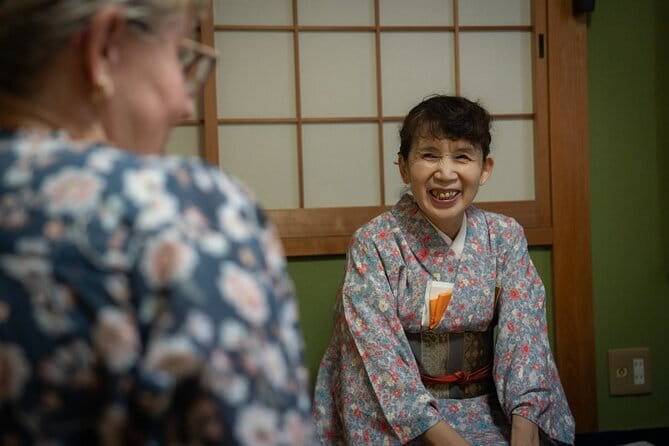
You’ll meet at Tea Ceremony Experience Chisato, 67-23 Shimogamo Matsunokichō, Sakyo Ward, Kyoto, 606-0816. This matters because Kyoto tea spots can be tucked away, and having a precise address keeps you from doing the classic tourist shuffle.
Getting there is pretty manageable. The meeting area is about a 15-minute walk from Kamogawa Delta, a riverside stretch where the mood is slow and scenic. It’s also about a 15-minute walk from Demachiyanagi Station, which is handy if your day includes Kibune Shrine and Rurikou Temple (since Demachiyanagi is where those outings typically start).
Plan to arrive a little early. Tea ceremonies run on timing, and you’ll want a minute to settle your head before you start whisking.
You can also read our reviews of more tours and experiences in Kyoto.
What happens during the 1-hour matcha session
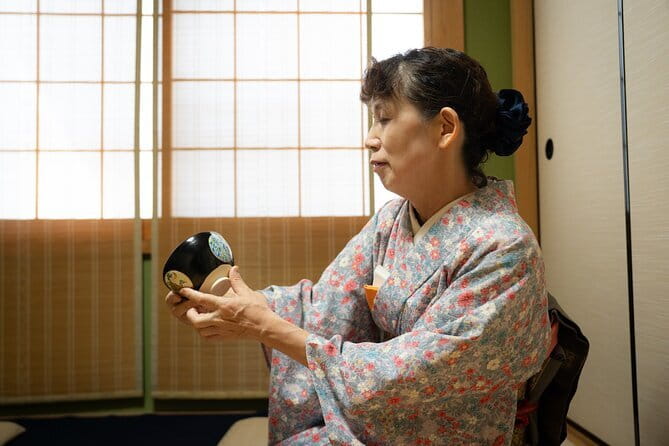
This experience runs for about 1 hour, and it’s designed to feel welcoming even if you’ve never done a tea ceremony before. There’s no “you must know the rules already” vibe. You get taught the steps, you get explanations, and you get time to do it yourself.
Here’s the shape of the session, as you’ll experience it on the day:
- You’ll start with guidance from the teacher (Chisato).
- You’ll learn what’s going on—matcha preparation and the basic etiquette.
- If you want, you can prepare your own matcha, whisking the powdered tea with the correct movements.
- You’ll share in the sweet side of the ritual with wagashi included.
- The activity ends back at the meeting point.
Because the group is limited to 6 travelers, the pace tends to be human-scale. If you’re traveling as a family or with mixed ages, that small group size can make the whole thing feel less rushed.
Making matcha: whisking, movements, and mindfulness
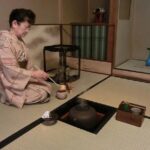
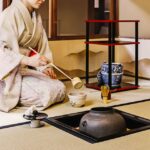
The core of this tea ceremony is hands-on matcha preparation. If you opt in, you’ll learn how to whisk the powdered tea and perform the movements that go with the ritual. The big idea isn’t just technique—it’s focus. The teacher frames the ceremony around harmony and mindfulness, so your body is doing a task, but your mind is also “on purpose.”
I especially like that this session tries to lower the barrier that often makes tea ceremonies feel intimidating. Even if you’ve never touched a whisk before, you’re not expected to pretend you know what’s happening. You follow the steps, ask what you need, and learn by doing.
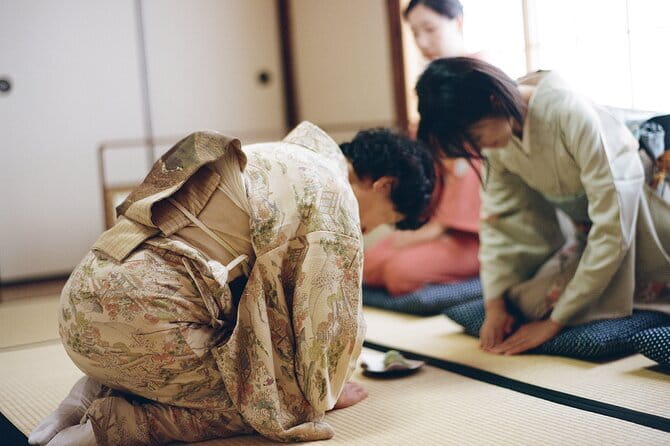
Chisato’s approach also puts a spotlight on respect. In plain terms, that means you’ll be guided on how to behave in the space and how to treat the ritual as something more than a show for photos. One helpful detail from actual experiences: when questions come up, you may need to keep them simple in order to get the clearest answers in the session’s English flow.
Wagashi included: the sweet pause that completes the cup
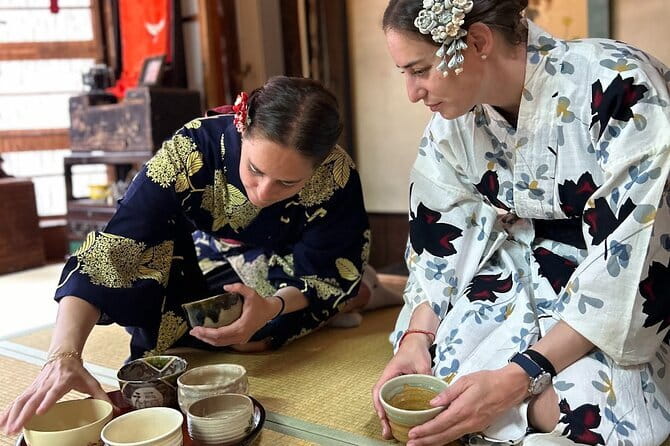
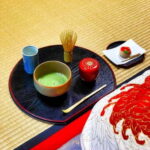
Wagashi is included, and that’s a meaningful part of the value. You’re not just drinking matcha; you’re pairing it with Japanese sweets that match the mood of the tea.
Wagashi also gives you a built-in reset. Instead of speeding through the ceremony, you get a moment to slow down, taste something traditionally served with tea, and then return to the matcha ritual with better focus. This is one of those “small detail, big effect” things.
If you’re picky about sweetness, don’t worry about it too much—this is a structured pairing. The teacher guides you through the order and pacing so you can enjoy it without guessing.
Why Chisato’s long experience matters
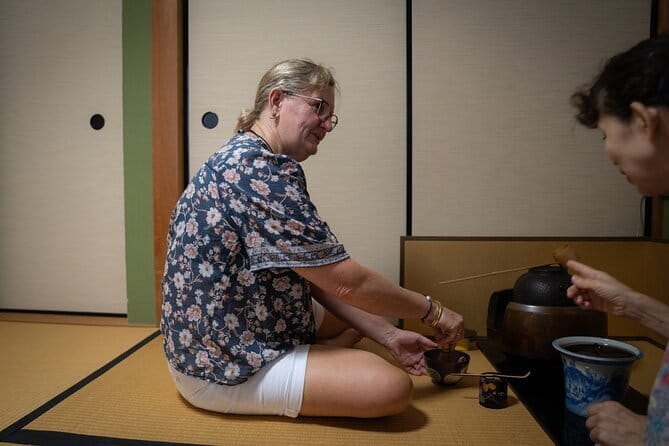
The session is led by a teacher with over 30 years of experience, and you’ll feel it in how the lesson is delivered. The best part is that the guidance is gentle and practical. You’re not just hearing theory—you’re getting reminders on what the ritual is trying to accomplish.
Several experiences highlight the same teaching strengths:
- A warm, kind tone that keeps you comfortable if you’re nervous
- Clear explanations of how to treat the ceremony with presence
- Patience, including with children
- An ability to handle questions in English at a pace that works for the group
That mix matters because tea ceremony etiquette can sound formal from afar. In a short, guided setting like this, etiquette becomes doable instead of mysterious.
Small group size: max 6 and why you’ll notice it
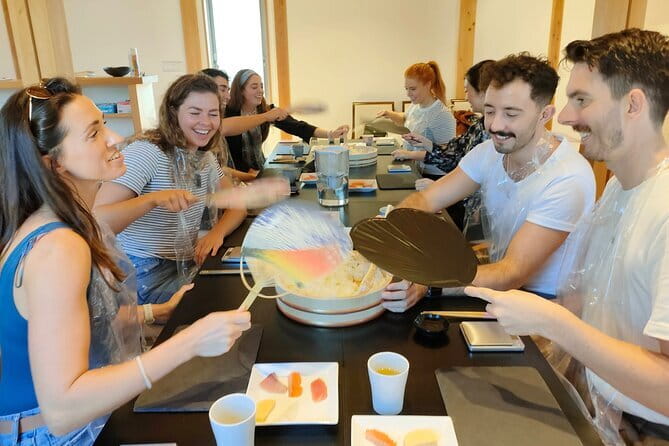
With a maximum of 6 travelers, this isn’t a crowded “watch and move on” style class. You’re more likely to get direct attention when you’re learning the whisking steps, and it’s easier to ask a question without feeling like you’re interrupting a train schedule.
I also like that the group limit helps the environment stay calm. A tea ceremony is supposed to be quiet and measured. A small group makes it easier for the ritual to feel like a real experience rather than a checklist.
Price and value: what $39.09 covers (and what it doesn’t)
At $39.09 per person, this is priced like a focused cultural activity, not a souvenir tour. The real value is that the essentials are included: matcha, wagashi, and the guide. In other words, you’re paying for the lesson and the materials that make it possible.
A few things are not included:
- Kimono (so you’ll wear your own clothes)
- Tips (so you’ll decide based on your comfort and service)
So is it worth it? If you want to learn how matcha is made with a teacher guiding your hands, yes. If you’re only interested in taking photos and skipping the craft, you’ll probably feel like you paid for more participation than you wanted. The session is designed for doing, not just watching.
Where this fits in your Kyoto day
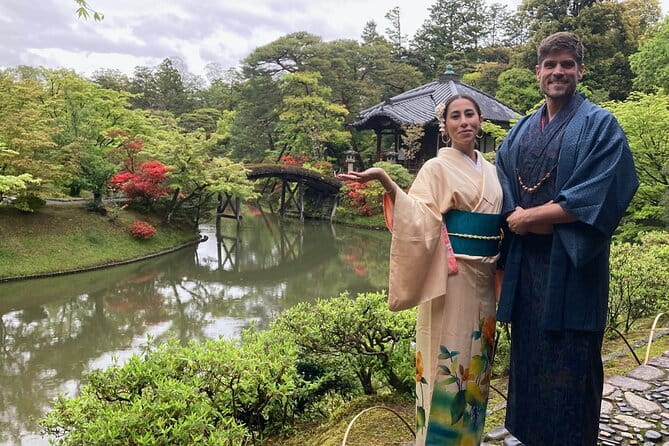
This tea ceremony location is placed well for a day plan. You can walk over from the Kamogawa Delta for a peaceful warm-up, then settle into the tea ritual. Or you can use it as a calm stop between longer shrine and temple plans.
Demachiyanagi Station is also a useful anchor. Since it’s about a 15-minute walk from the meeting point, it makes sense to pair this with a day that includes Kibune Shrine and Rurikou Temple. You don’t need to reorganize your whole trip—just treat the tea ceremony like a reset button in the middle of your Kyoto exploring.
Timing tip: since the ceremony is about 1 hour, you can slot it before dinner without it dragging your schedule into the night.
What to expect from the setting and pace
This experience is set up to be accessible to beginners. Still, it’s helpful to know what the pace feels like: a short lesson, then hands-on matcha prep, then sweets and finishing calmly. If you’re the type who needs lots of time for questions, the one-hour window means you’ll want to ask the most important things early.
Also, the activity is not wheelchair accessible. If mobility is an issue, check your route and plan accordingly before you book.
If you’re bringing kids, this tends to work well. The teacher has experience accommodating small children, and the small group size helps keep the attention and pacing manageable.
Should you book Tea Ceremony Experience in Kyoto?
Book it if you want a short, meaningful Kyoto cultural experience where you can do the main activity yourself. I think it’s especially smart for first-timers who want to avoid the awkward feeling of not knowing tea ceremony rules. The combination of hands-on matcha, wagashi included, and a patient guide makes this one of the more practical cultural classes.
Skip it if you strongly prefer purely observational experiences or if you’re traveling with limited time and hate anything that requires quiet focus. This is not a “run in, snap a picture, run out” stop. It asks you to slow down for an hour and follow instructions.
If your goal is to leave Kyoto with a story you can actually explain—how matcha gets made and why the ritual matters—this is a solid choice.
FAQ
How long is the tea ceremony?
The experience lasts about 1 hour.
How much does it cost?
The price is $39.09 per person.
Where is the meeting point?
You’ll meet at Tea Ceremony Experience Chisato, 67-23 Shimogamo Matsunokichō, Sakyo Ward, Kyoto, 606-0816, Japan.
Is it a small group?
Yes. The activity has a maximum of 6 travelers.
What’s included in the price?
Matcha, wagashi (Japanese traditional sweets), and a guide are included.
Is kimono included?
No. Kimono is not included.
Are tips included?
No. Tips are not included.
What language is the session in?
The session is conducted in English.
Do I need to print anything since it’s a mobile ticket?
You’ll have a mobile ticket for the experience.
Can I cancel for a full refund?
Yes. Free cancellation is available up to 24 hours in advance of the experience start time for a full refund.
Is the experience wheelchair accessible?
No. The experience is not wheelchair accessible.