REVIEW · KYOTO
Full Day Guided Tour to Kyoto and Nara from Osaka by Van
Book on Viator →Operated by Explorer Tours · Bookable on Viator
Torii gates and deer in one day. This Kyoto and Nara van tour from Osaka strings together the big hits fast, with guided stops and an easy ride between cities.
I like the small group size and the low-stress format. You’re also set up for the day with an air-conditioned vehicle, bottled water, and WiFi while you travel.
One heads-up: it’s a full day, so expect real walking around Nara and the main Todaiji approach areas.
In This Review
- Key things I’d plan around
- Why this Osaka-to-Kyoto-and-Nara format works
- Pickup in Osaka: Shinsaibashi or Umeda DT Tower
- Fushimi Inari-taisha: torii gates with guided timing
- Gion lunch and a Kyoto-style street pause
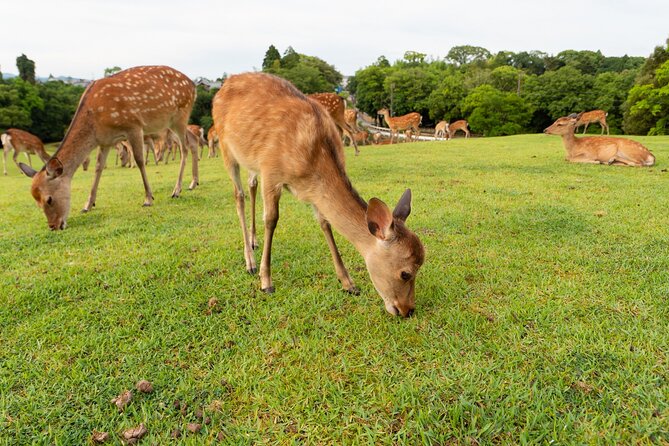
- Nara Park deer feeding: the moment everyone remembers
- Todaiji and Nandaimon: the giant Buddha payoff
- Yumekaze Plaza stop and the rhythm back to Osaka
- Comfort and small-group energy in a long day
- Price and value: what you’re really paying for
- Guides and drivers: why the storytelling matters
- Timing tips: walking, crowds, and energy management
- Should you book this Kyoto and Nara van day trip?
- FAQ
- What time does the tour start?
- Where do you get picked up in Osaka?
- How long is the full-day tour?
- What’s included in the price?
- Are temple and shrine tickets included?
- Is there a lunch stop?
Key things I’d plan around
- Two Osaka pickup options (Shinsaibashi or Umeda DT Tower) make it easier to start on your route
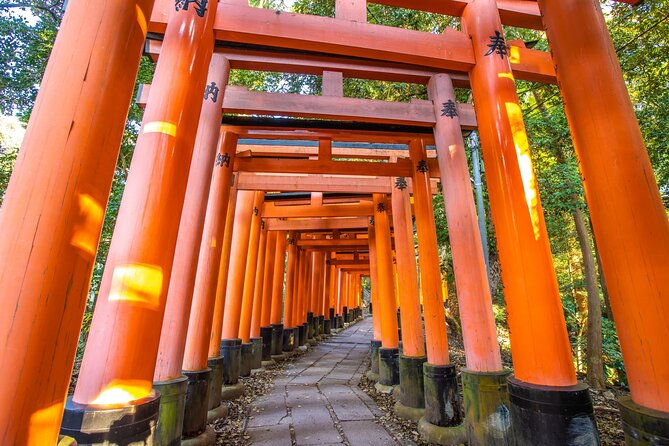
- Fushimi Inari first gets you onto the iconic torii paths with guided timing
- A Gion lunch-and-stroll window lets you eat and wander without rushing every step
- Nara Park deer time plus Todaiji gives you both the famous outdoors moment and the giant-buddha payoff
- WiFi and water on board keep the day comfortable when schedules shift slightly
- Up to 11 travelers means more personal attention than big group buses
Why this Osaka-to-Kyoto-and-Nara format works
This is the kind of day trip that helps you get a lot done without turning your trip into an all-day transit marathon. From Osaka, you travel by van between Kyoto and Nara, so you spend less time figuring out trains and more time actually seeing the places you came for.
The pacing is also built for real sightseeing. You hit Kyoto’s Fushimi Inari and Gion, then you shift gears toward Nara for Nara Park and Todaiji. It’s efficient, but not so rushed that every stop feels like a photo line.
The best part for most people is that the tour handles the hard parts: meeting you in the morning, getting you to each key spot, and including English-speaking guidance. You bring the curiosity, comfy shoes, and patience for the crowds that come with these famous sights.
You can also read our reviews of more guided tours in Kyoto

Pickup in Osaka: Shinsaibashi or Umeda DT Tower
Your day starts at 9:45 am, with pickup offered at two central Osaka meeting points: Shinsaibashi or Umeda DT Tower. Having two options matters. It’s often the difference between a smooth start and a stressful scramble across town.
From there, you ride about 1 hour to Kyoto. The van is air-conditioned, and you get bottled water and WiFi on board, which is handy for mapping your own next steps during breaks. If you’re the type who likes to plan your next evening in Osaka, you’ll appreciate being able to look things up during the transfer.
Practical tip: be a little early to the pickup spot and double-check the meeting instructions you receive at booking. One passenger experience noted that meeting directions were confusing enough to cause a long detour by cab. Even if that’s not typical, a 10–15 minute buffer is cheap insurance.
Fushimi Inari-taisha: torii gates with guided timing
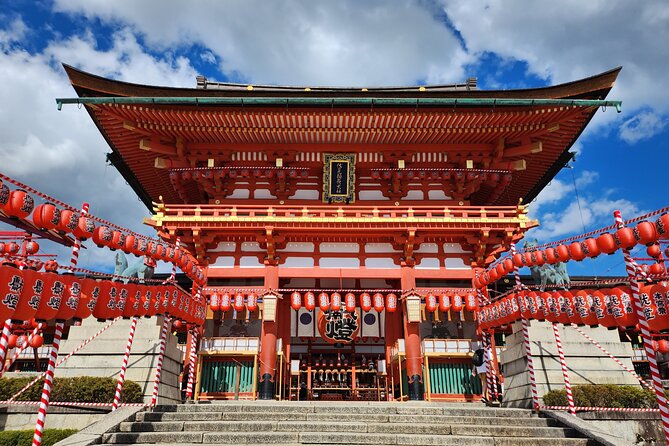
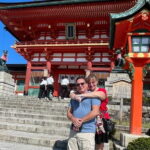
Fushimi Inari-taisha is one of Japan’s most recognized shrine settings, and you see it in a way that feels organized instead of chaotic. The tour sets you up for about 1.5 hours here, which is a good chunk of time for the classic torii views without feeling like you’re trapped at the first photo spot.
You’ll learn the basics as you go. The shrine dates back to 711, and it’s dedicated to Inari, the Shinto god of rice. This is also described as the most visited shrine in all of Japan, which helps explain why it can feel busy even outside peak hours.
What I like about placing Fushimi Inari early is the rhythm. You’re fresh enough to enjoy the walking and still have plenty of energy left for Gion and Nara later. You’ll also want to think about your footwear and pace. Even if you don’t do the longest hike routes, the torii paths involve steady walking.
Tiny but important: bring bug spray if you plan to linger along any wooded paths. One helpful tip from a past ride suggested this, especially if you’re tempted to go deeper along greener sections.
Gion lunch and a Kyoto-style street pause
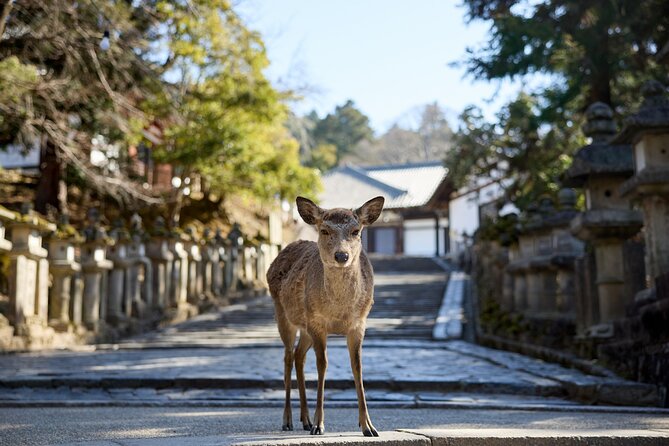
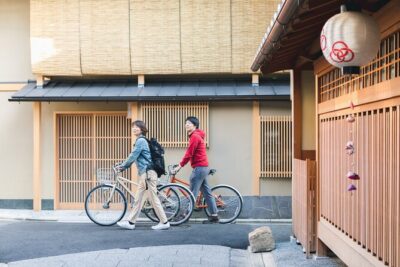
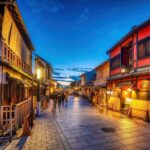
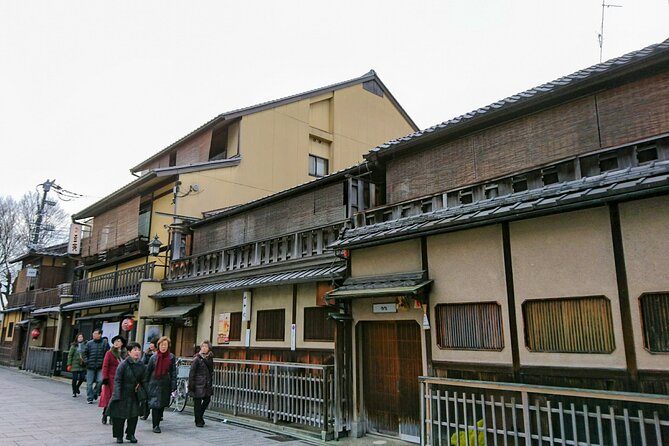
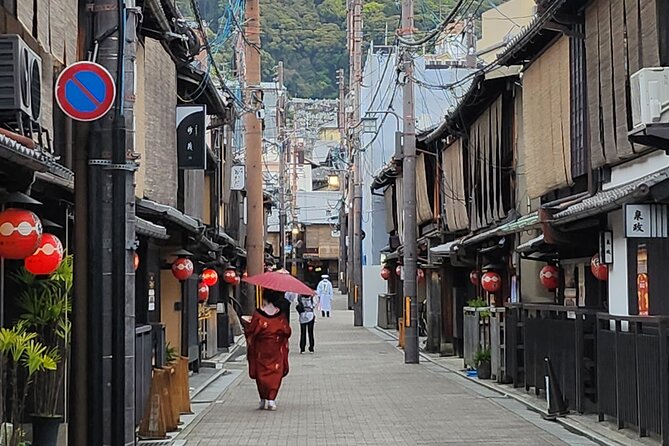
After Fushimi Inari, you get a stop in Gion for about 1.5 hours. This is where the tour gives you something more than monuments: a chance to absorb Kyoto’s traditional streetscape and do your own thing.
You’ll have lunch plus free time in the area, and the guide can steer you toward where to eat and shop. That matters because in a place this famous, it’s easy to miss the simple wins when you’re trying to decide what to do on the fly.
A realistic note: the time here is helpful, but it’s not a full half-day to explore everything in depth. If you’re hoping to fit in very specific extras like special cultural displays, you may find the window a bit tight. Still, as a Kyoto intro from Osaka, Gion is the right kind of stop for most schedules.
I also like the way this stop breaks the day emotionally. You go from shrine walking to neighborhood strolling, and it feels less like a checklist.
Nara Park deer feeding: the moment everyone remembers
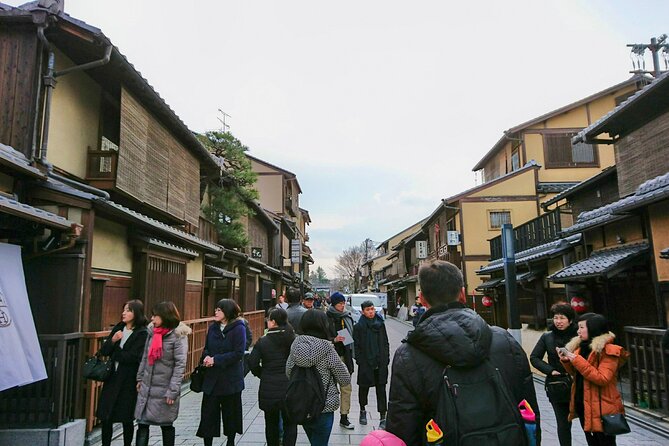
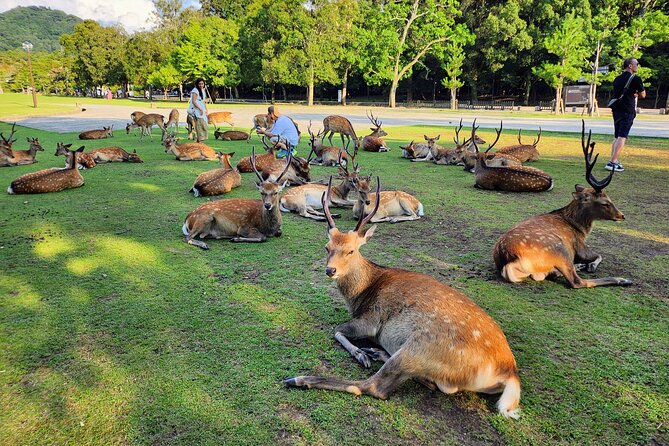
Then the day turns fun. You arrive at Nara Park for a guided setup that focuses on history and, yes, the deer. You’re there long enough to enjoy the atmosphere and get into the moment without it feeling like a quick drive-by.
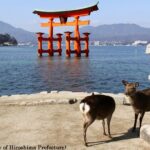
Your conductor talks about Nara’s background and also helps with the deer-feeding experience. You’ll see bowing deer up close and get a chance to feed them using crackers sold by vendors nearby. (The exact snack price wasn’t provided in the information, so just plan on buying crackers as needed.)
One small safety-and-sanity note: the deer are famous for a reason, and not all of them will behave like perfect photo props. Keep your pockets managed and avoid sudden movements if a deer gets too curious. Enjoy the comedy, but stay in control.
What makes this stop valuable isn’t just the spectacle. It’s the chance to slow down for a few minutes in a setting that feels different from the shrine corridors. For many people, this is the emotional high point of the whole day.
You can also read our reviews of more tours and experiences in Kyoto


Todaiji and Nandaimon: the giant Buddha payoff

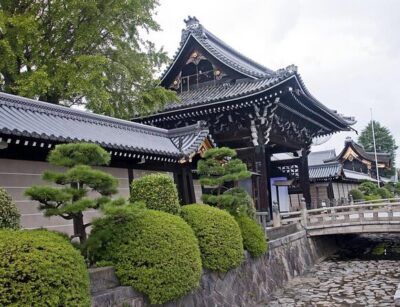
After the deer park moment, the tour moves into the Todaiji area. You get roughly 40 minutes at Todaiji Temple, plus a short walk by the main gate.
Todaiji is described as a temple built to pray for the peace of the country. The standout is the Great Buddha Hall, home to the Great Buddha, noted as one of the largest wooden structures in the world, with a width of about 57 meters. That scale is the reason most people stop in awe rather than just taking pictures.
Next you pass by Todaiji Nandaimon, the Grand South Gate (the main gate on the approach). Even if you’re not the type to read every sign, the gate gives you the sense of arrival: it feels like you’ve reached the center of something important.
One practical drawback to know upfront: the walking between these areas can add up, and it’s not just flat strolling. If your knees get grumpy easily, consider pacing yourself and using bathroom breaks when the tour offers them.
Yumekaze Plaza stop and the rhythm back to Osaka
Between Nara Park and the final return, there’s a short bathroom stop at Yumekaze Plaza. It’s brief, but it’s smart timing. Those few minutes can save a lot of stress when the day is already long.
Then you board the van and travel back to Osaka, dropping you at your pickup point. The return drive is about 1 hour, and it wraps up the day neatly.
If you like to plan dinner after a long day out, this structure helps. You’re not stuck needing to navigate complicated transit when you’re tired. You can get back to your base and decide what you want to eat without feeling stuck.
Comfort and small-group energy in a long day
This tour caps group size at a maximum of 11 travelers (some descriptions also mention 12). Either way, it’s a small group compared with the big buses that flood these sites.
That smaller number tends to matter in real life. You get easier listening to your English-speaking guide, faster movement during transitions, and fewer crowd bottlenecks at photo stops. It also helps your guide manage the timing so you spend more minutes at highlights and less time waiting.
On top of that, you get basic but helpful comforts: WiFi on board and bottled water. In summer, air-conditioning isn’t a luxury; it’s the difference between enjoying the day and feeling worn out before you even reach the shrines.
One more thing I’d watch: the day is built around guided movement and set stops, so you won’t have total freedom to wander indefinitely. If you love open-ended exploration, you’ll still appreciate the free time at Gion, but the rest is about hitting key sights efficiently.
Price and value: what you’re really paying for
The price is $106.12 per person for a full day (about 7 to 8 hours). What makes that feel like good value is what’s included and what isn’t.
Included: English-speaking guide, air-conditioned vehicle, WiFi, bottled water, and all fees and taxes. Also, the tour lists admission as free for several stops and marks Todaiji as included. In practice, you avoid the annoying part of deciding which tickets to buy and where to buy them mid-day.
Not included: lunch. You do get free-time in Gion in a designated area to find food for you and your group.
So the value equation is simple: if you were doing this on your own, you’d pay for transportation plus tickets plus time spent planning and lining everything up. Here, you trade some flexibility for smoother logistics and less mental workload. For many people, that trade is worth it.
I also think this price point is especially fair because the highlights are not tiny. Fushimi Inari and Todaiji are big-name sights with strong crowd gravity. The tour helps you spend more time there and less time in transit.
Guides and drivers: why the storytelling matters
The experience really depends on how well your guide can connect the dots as you move from place to place. Past tour names you may see in these kinds of departures include guides such as Taka, Woody, Jin, Andy, and Chan, with drivers also called out like Toru and Tom.
What people tend to value in this format is not just facts. It’s the ability to explain why a shrine matters, what you’re looking at at Todaiji, and how to navigate photo-friendly moments. One useful practical idea: guides can point out good picture spots, which saves you from wandering aimlessly once you’re already tired.
If you want a hands-on experience, ask questions during rides. You’re in the van with a guide who can tailor answers to what you’re most interested in: photography, cultural context, or where to eat in Kyoto after the tour ends.
Timing tips: walking, crowds, and energy management
Even when a day trip is well organized, it can still feel like a lot because you’re stacking major sights.
Here’s how I’d think about the energy:
- Fushimi Inari involves steady walking on torii paths
- Gion is more flexible, but you still have to be on your feet for lunch time and strolling
- Nara Park is where you’ll likely spend energy feeding and photographing deer
- Todaiji + Nandaimon is worth it, but expect movement between key points
A practical approach: treat the day like a hike with stops, not like a series of museums. Eat early, drink your bottled water, and keep a comfortable pace. If it’s hot or rainy, that’s even more reason to stick to the group schedule and let the guide handle transitions.
Also, the tour notes that it requires good weather. If weather is bad enough, you may be offered a different date or a full refund. Either way, it’s smart to watch forecasts closely as your travel date gets close.
Should you book this Kyoto and Nara van day trip?
If your goal is to see Kyoto and Nara highlights from Osaka in one day without dealing with transfers, trains, and ticket lines, I’d say this tour makes sense. The included guide, the air-conditioned van, and the way it bundles famous stops like Fushimi Inari, Gion, Nara deer, and Todaiji are a strong match for time-crunched schedules.
Skip it (or at least reconsider) if you strongly prefer slow, free-form exploration. This is a structured day. You’ll have a lunch window in Gion, but the rest is built around set timing and sightseeing priorities.
One final decision rule: if $106.12 for guide-led highlights plus transport-plus-fees sounds like a fair trade for less planning stress, book it. If you want maximum control over pacing, you’ll probably prefer a DIY day plan.
FAQ
What time does the tour start?
The start time is 9:45 am.
Where do you get picked up in Osaka?
Pickup is offered from two central meeting points: Shinsaibashi or Umeda DT Tower.
How long is the full-day tour?
The duration is about 7 to 8 hours.
What’s included in the price?
The tour includes an air-conditioned vehicle, English-speaking guide, all fees and taxes, WiFi on board, and bottled water. Lunch is not included.
Are temple and shrine tickets included?
The tour lists admission as free for some stops, and Todaiji is marked as having admission included. Overall, all fees and taxes are included.
Is there a lunch stop?
Yes. In Gion, you get lunch and free time in a designated area where you can choose where to eat, but lunch itself is not included in the price.