REVIEW · KYOTO
Kyoto: Kimono Rental in Gion Provided by RikaWafuku
Book on GetYourGuide →Operated by TripFarm · Bookable on GetYourGuide
Kimono fitting in Gion feels like turning a switch. I like how easy it is to start with no prep—you can come empty-handed—and I like the huge choice of kimono items and accessories once you arrive. One thing to consider: the changing area is shared, so if you dislike changing in front of other people, plan for that.
RikaWafuku’s store in Gion is a 2-minute walk from Gion-Shijo Station, which matters because you’ll want to be in the streets quickly. You’ll typically move from reception to dressing and hair styling in about 45 to 70 minutes, depending on season and what you choose. The final return time is always 5:30 p.m., no matter what time you book.
If you want the kimono experience without a headache, this is a strong option. Just note that added accessories require cash payment only, and hair styling is women only.
In This Review
- Key points before you go
- Where RikaWafuku fits in your Kyoto day
- What $19 really covers
- Step-by-step: the flow from store door to Gion streets
- ① Arrive and check in at your reserved time
- ② Reception: confirm your rental and accessory options
- ③ Kimono selection: more freedom than you expect
- Practical tip: choose based on how you’ll move
- ④ Change luggage: stash what you don’t need
- ⑤ Kimono dressing: a dedicated fitting area
- ⑥ Hair set (women only): choose from 5 patterns
- ⑦ Sandals and geta: matching matters
- ⑧ Walk in Gion: this is where it becomes real
- ⑨ Return your kimono on time
- Timing that won’t derail your Kyoto plans
- A smart way to schedule around 5:30 p.m.
- What the experience does well (and what to watch)
- The strengths: choice, staff help, and a fast start
- The main consideration: changing space and language
- Is it worth it compared to other kimono options?
- Who this is best for
- Who should skip it
- Small-group vibe: what 6 people changes
- Practical tips to make your kimono day smoother
- Wear clothes you can remove fast
- Bring cash if you think you might add accessories
- Decide your sightseeing plan before you get dressed
- Leave yourself time to return before 5:30 p.m.
- Should you book RikaWafuku in Gion?
- FAQ
- How far is RikaWafuku from Gion-Shijo Station?
- How much does the kimono rental cost?
- How long does the experience take?
- Do I need to bring accessories for the kimono?
- What’s included in the rental set?
- Is there hair styling for men?
- Can I choose any kimono regardless of the plan I book?
- Do I pay extra for add-on accessories?
- Can I leave luggage at the store?
- What is the return time for the kimono?
Key points before you go
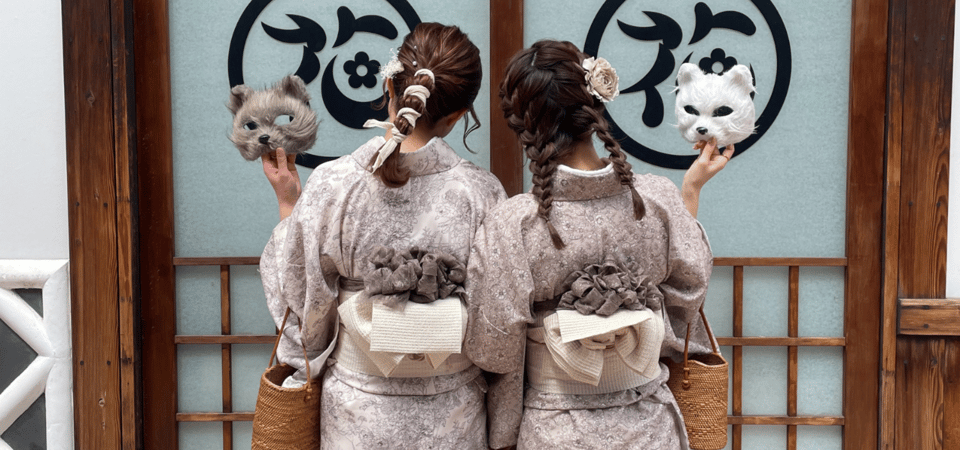
- 2-minute walk from Gion-Shijo Station makes timing painless.
- 400+ items on hand means you’re not stuck with the leftovers.
- You can come empty-handed and still leave ready to walk.
- Women-only hair set uses irons and hair accessories are included.
- You can leave extra clothes and luggage, but big bags/carry cases cost extra.
- You’ll be fitted, then immediately head into Gion for sightseeing in kimono.
Where RikaWafuku fits in your Kyoto day

If Kyoto is your priority and you only want a kimono detour that actually pays off, this setup works well. You get in, get dressed, get styled, and you’re out. With a small group capped at 6 participants, it also avoids that chaos feeling that can happen with bigger setups.
The location is practical. You’re not wrestling with buses or long walks before you even start dressing. A short hop from Gion-Shijo means you can pair this with nearby sights and meals without turning it into a full-day project.
You can also read our reviews of more tours and experiences in Kyoto.



What $19 really covers
At about $19 per person (for the rental experience), the value comes from what’s included. You’re not just getting a garment. You’re getting the dressing help, and for women, a hair set too. That’s important because the effort of tying an obi and arranging hair is exactly what turns kimono-wearing from a fun idea into a stressful one.
On top of that, you get lots of choice. The store says it has over 400 items in stock, and you can pick a kimono regardless of which rental plan you booked. In other words, you’re not paying extra just to access the better-looking options.
Step-by-step: the flow from store door to Gion streets
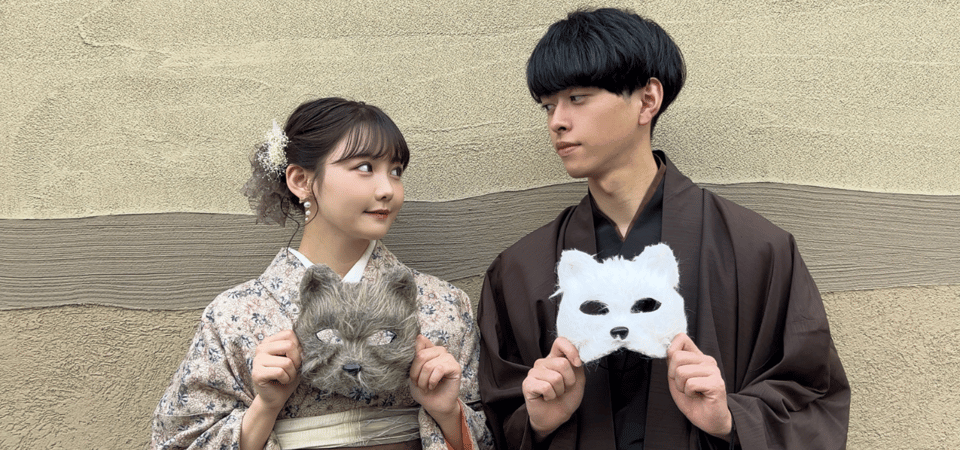
This experience is built like a smooth assembly line, but a friendly one. You have a clear start point, a clear process, and a clear finish. Here’s what you can expect, in the order you’ll feel it.
① Arrive and check in at your reserved time
Plan to show up at the time you reserved. The team will have your rental session organized, so arriving late can squeeze your schedule.
The good news: you do not need to bring a wardrobe full of kimono accessories. The store provides what you need for the rental. That means you can just show up in regular clothes, shoes, and go.
② Reception: confirm your rental and accessory options
At check-in, they confirm your kimono/yukata rental plan. Then they’ll offer accessory options that you can add. Here’s the detail that matters for planning: if you add options, the only payment method is cash payment.
You might not need add-ons to look great. But if you like matching details—extra decorative pieces, specific styles, or extra finish work—this is where you’ll choose them.



③ Kimono selection: more freedom than you expect
This is one of the best parts. You can choose as many kimonos as you like at the store, even if you booked a specific plan. The price also doesn’t change based on kimono type or yukata type, so you’re not stuck paying extra just to try a different look.
The staff can also advise you. If you want help matching an obi style or figuring out what works for your rental look, this is where their experience shows up.
Practical tip: choose based on how you’ll move
In Gion, you’ll walk. Choose a style that matches your comfort and your route. Some looks are stunning but more complicated in how they sit and move. You can ask for advice during selection—then you’ll enjoy the walk instead of adjusting all day.
④ Change luggage: stash what you don’t need
Once you’re ready to dress, you can leave clothes you take off and luggage you don’t need for sightseeing. That’s huge in a place like Kyoto where you might otherwise carry a day bag around.
There is an additional charge for large luggage, such as carry cases. If you’re traveling light, you’ll likely find this easy. If you have bulky items, think ahead about whether you want to check them or carry them.
⑤ Kimono dressing: a dedicated fitting area
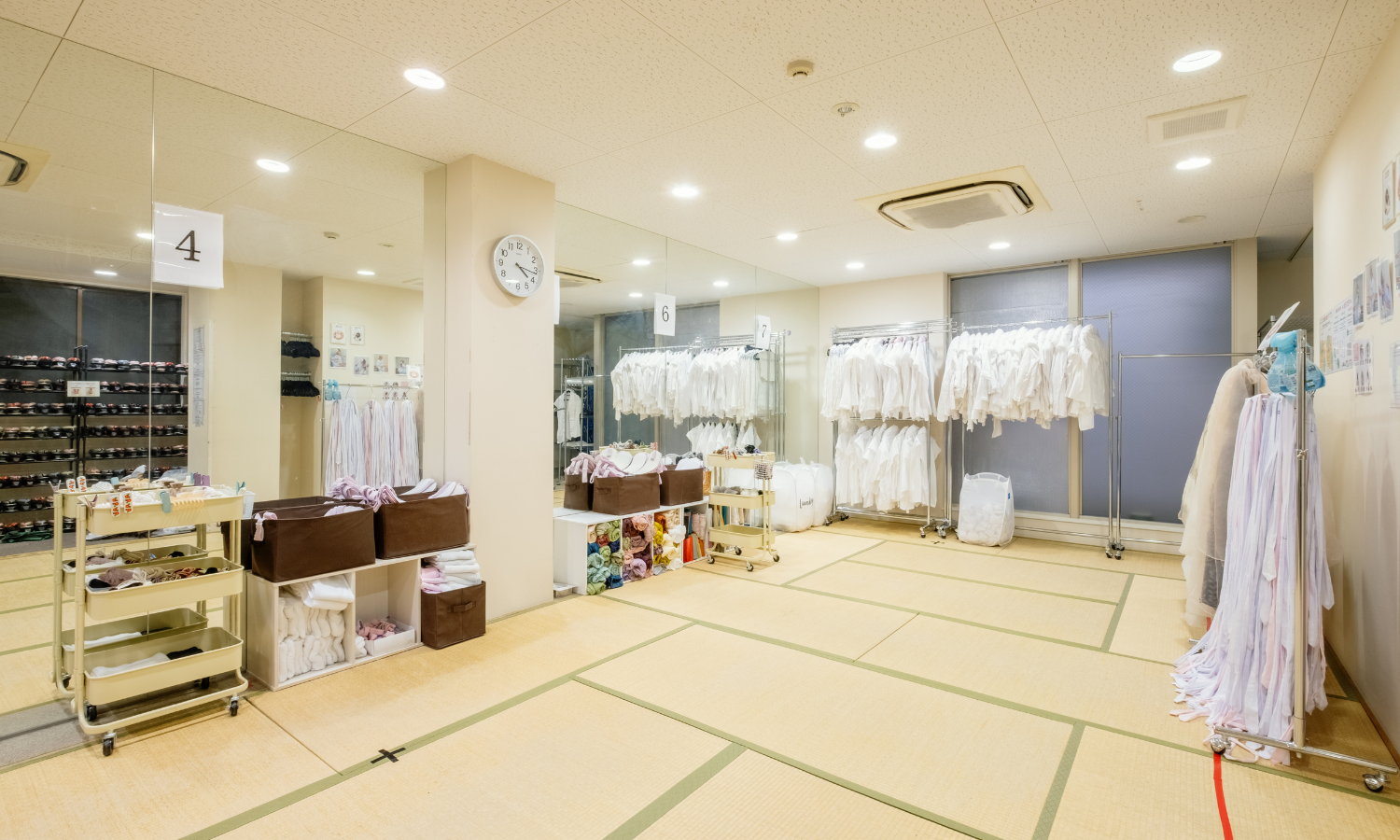
This is not a self-serve situation. Experienced staff fit you in the kimono and help you get into place. The store includes dressing guidance through their own dedicated dressing area, so you’re not wandering around trying to figure out where everything goes.
Again, the big comfort point: you don’t need special preparation. Wear clothes that are easy to remove and put back on.
⑥ Hair set (women only): choose from 5 patterns
If you’re a woman, you’ll get a hair styling session after dressing. The styling uses irons, and hair accessories are included.
You can choose a hairstyle from 5 patterns. And because they’re matching hair to the kimono, you’ll usually look more intentional in photos than if you try to do this yourself.
Important limitation: hair styling service is not available for men.
⑦ Sandals and geta: matching matters
After the kimono is on and hair is set, you’ll choose sandals and geta. This is not just aesthetic. The right pair helps your kimono outfit feel complete.
RikaWafuku also mentions custom-made zori sandals that are designed to go well with trendy kimono each season. If you like getting the little details right, this part matters.
⑧ Walk in Gion: this is where it becomes real
Once you’re dressed and ready, you can go sightseeing right away. The store location is convenient for exploring, and there are tourist spots and restaurants nearby.
This is the moment when kimono stops being a “rental activity” and becomes an actual Kyoto experience. In Gion, you’re surrounded by traditional architecture and street life, and wearing kimono makes you feel like you stepped into a different time—without needing to do anything complicated.
⑨ Return your kimono on time
You’ll return the kimono by the final return time. If you miss the final time, a late fee is charged. Since the final return time is 5:30 p.m. for every reservation, plan your sightseeing loop with that in mind.
The store notes that an extension fee is added if the return time is exceeded. So if you want a long evening stroll, you’ll need to budget time carefully.
Timing that won’t derail your Kyoto plans
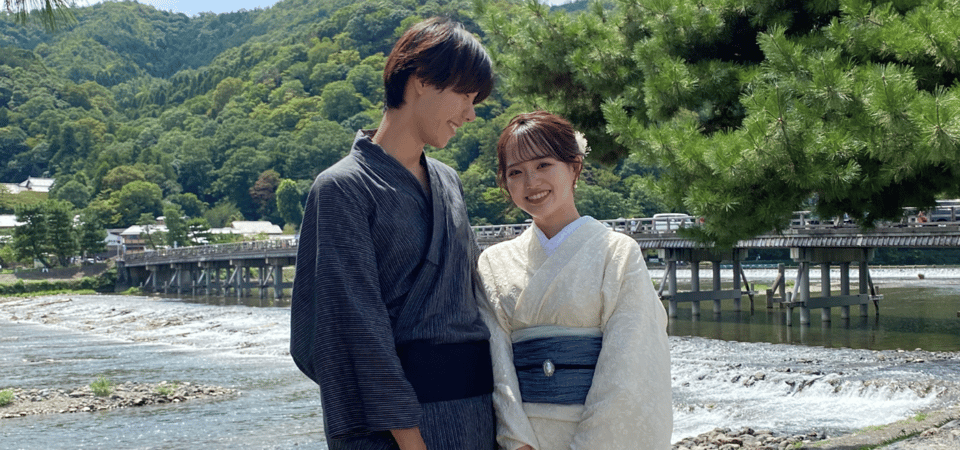
A one-hour duration sounds tight, but the reality is more nuanced. The store says it usually takes 45 to 70 minutes from reception to dressing and hair styling to departure. The time varies based on what you pick and the time of year.
So think of it this way: your actual “kimono time” on the street starts after you’ve been fitted and styled. If you book this too close to another timed activity, you might feel rushed.
A smart way to schedule around 5:30 p.m.
Because the final return time is fixed at 5:30 p.m., your best move is to plan a sightseeing block earlier in the day or mid-afternoon. That way you’re not cutting your kimono walk short.
Also remember: you’ll need a buffer to walk back and return the rental. Don’t treat 5:30 p.m. as a suggestion. Treat it like a hard stop.
What the experience does well (and what to watch)
Let’s talk about what tends to work for people, and what might not match your style.
The strengths: choice, staff help, and a fast start
The big wins are practical:
- A huge inventory means you’re more likely to find the look you actually want.
- The staff help with accessories, obi considerations, and pairing sandals/footwear.
- Women get hair styling that uses irons and includes accessories, and you choose from 5 patterns.
The reviews information lines up with that. People often highlight that the staff are kind and do their best, and that the haircut and hair styling comes out well. If you’re hoping to look polished for photos, this is usually where you see it.
The main consideration: changing space and language
One drawback shows up for some guests: you may need to change in a shared area. If you’re uncomfortable changing in front of others, that’s the one part to think through.
Language is the other practical issue. The store lists Japanese language support, and one guest found it tricky at first because staff spoke limited English. In practice, you’ll likely be fine with pointing, showing preference during kimono selection, and being ready with a calm patience. But if you need detailed English explanations, you should go in with simple choices in mind.
Is it worth it compared to other kimono options?
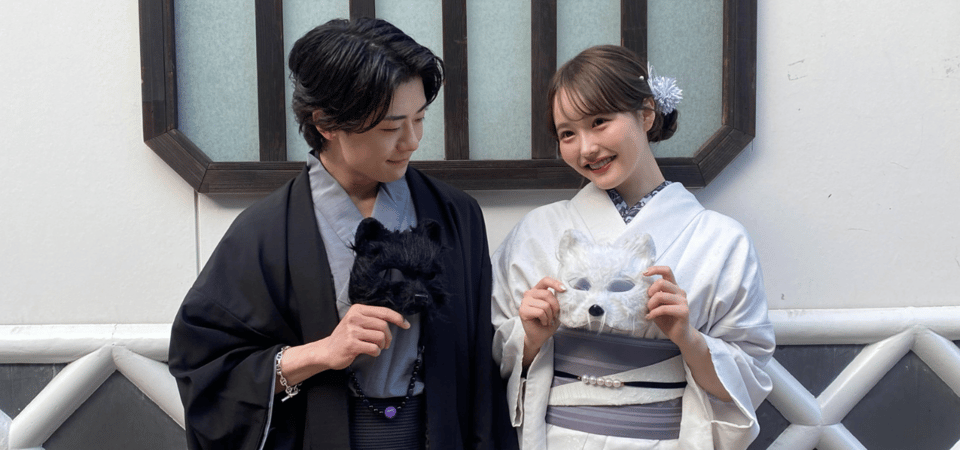
At around $19, you’re getting a full rental set and, for women, a hair set. That’s usually the difference between a low-cost rental and a low-effort rental. Here, the included dressing and hair work lower the stress significantly.
The other value lever is the store’s scale. It’s used by more than 230,000 customers annually, and that kind of repeat demand usually means the process is smoother and quicker than small, one-off shops.
Could you pay more elsewhere and get more customization? Maybe. But if your goal is to walk Gion looking right, this strikes a fair balance.
Who this is best for
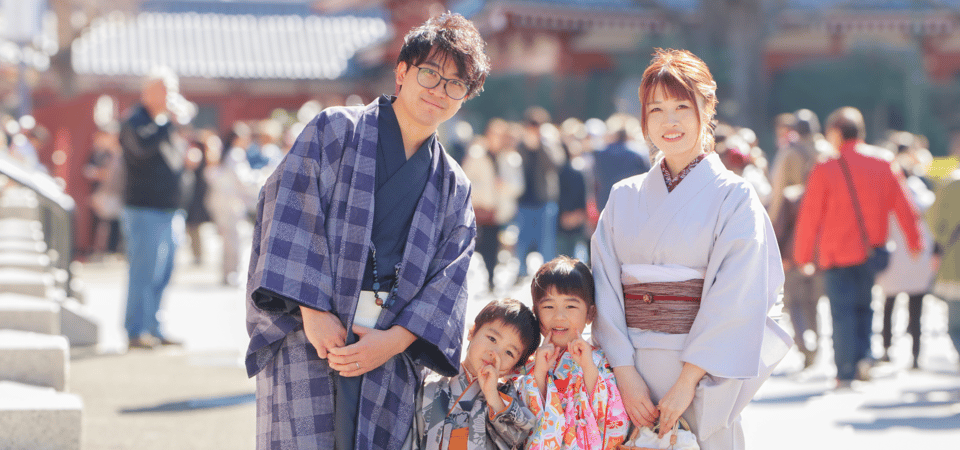
This fits well if you:
- Want an easy kimono experience in central Gion
- Appreciate lots of outfit choice without paying a big premium
- Prefer having dressing and styling handled by staff
- Are a woman who wants hair styled to match the kimono
It’s also a good pick if you’re traveling light and want to rent without bringing a kit from home.
Who should skip it
The activity is not suitable for:
- Children under 3 years
- Pregnant women
- Men who were hoping for hair setting (hair styling is women only)
Small-group vibe: what 6 people changes
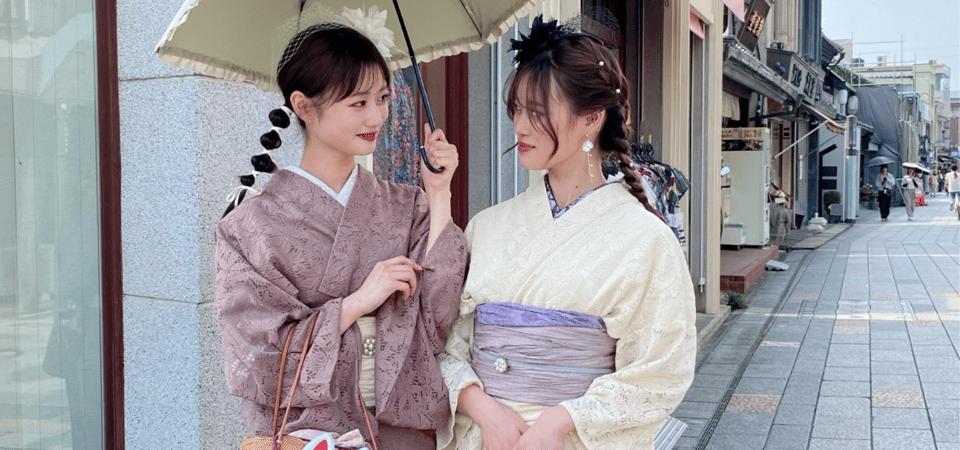
With a max group size of 6 participants, you’re less likely to feel like you’re waiting forever. It also usually means you can get personal attention during selection, especially when it comes to matching obi and accessories and choosing footwear.
You might still wait your turn, but the flow is designed for short sessions. That helps if you’re managing a packed Kyoto itinerary.
Practical tips to make your kimono day smoother
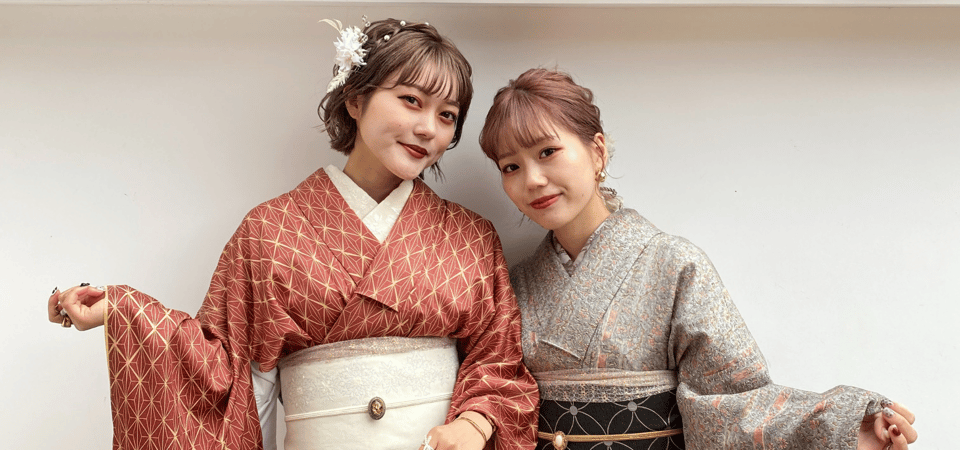
These are the small things that make the biggest difference.
Wear clothes you can remove fast
Plan for quick changes. If you’re sensitive about changing in a shared space, arrive wearing something easy to take off and put back on.
Bring cash if you think you might add accessories
Because optional decorations require cash payment only, I’d rather you be ready than surprised. If you’re not sure what you’ll want, you can decide after seeing the accessory options.
Decide your sightseeing plan before you get dressed
Once you’re in kimono, you’ll want minimal fuss. Choose where you’re going for your kimono walk so you don’t spend extra time thinking.
Leave yourself time to return before 5:30 p.m.
It’s tempting to treat the final time like a guideline. Don’t. The store charges a late fee if you don’t return by the final time, and extensions cost extra.
Should you book RikaWafuku in Gion?
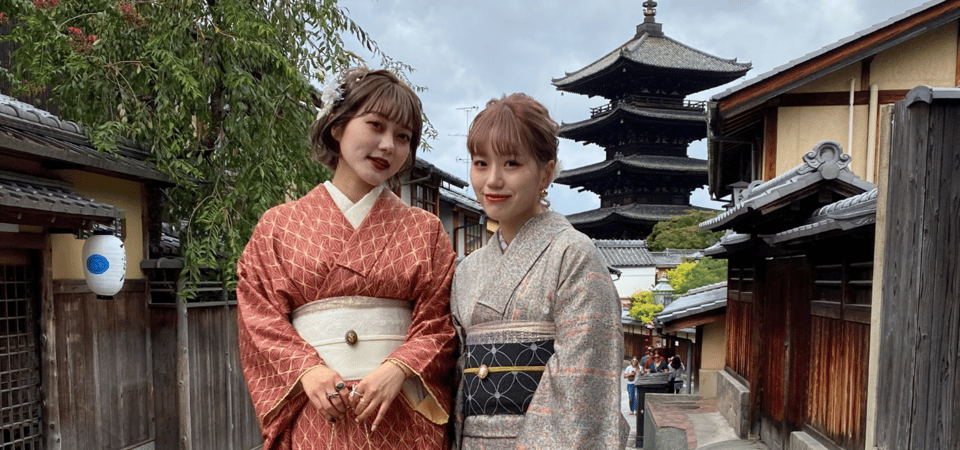
I think this is a solid booking for most people doing Kyoto for the first time. You’re paying a reasonable price for a full process: kimono rental set, dressing help, and (for women) hair styling that’s built to match your look. The central location and efficient flow make it easy to work into a day.
Book it if you want:
- Convenient Gion access
- lots of kimono choice
- a guided outfit setup that gets you out the door quickly
Skip or reconsider if:
- you strongly dislike shared changing areas
- you’re looking for men’s hair styling
- you have a language requirement for detailed explanations and instructions
If you’re flexible, keep it simple, and plan your walk around the 5:30 p.m. return, this is a good way to get a real Gion kimono experience without turning your day into a logistics puzzle.
FAQ
How far is RikaWafuku from Gion-Shijo Station?
The Rika Wafuku Gion store is a 2-minute walk from Gion-Shijo Station.
How much does the kimono rental cost?
The price is $19 per person.
How long does the experience take?
The duration is 1 hour, and it usually takes 45 to 70 minutes from reception to dressing and hair styling to departure, depending on the season and your selections.
Do I need to bring accessories for the kimono?
No. You can rent it empty-handed, and the store provides the accessories you need for kimono rental.
What’s included in the rental set?
Included are the kimono rental set, dressing, and a hair set for women. Hair ornaments are also included for women.
Is there hair styling for men?
No. Hair styling is not available for men.
Can I choose any kimono regardless of the plan I book?
Yes. At the store, you can choose as many kimonos as you like no matter which plan you book, and prices do not change depending on the type you rent.
Do I pay extra for add-on accessories?
If you add options during reception, there are extra costs. Optional add-ons require cash payment only.
Can I leave luggage at the store?
Yes. You can leave clothes you take off or luggage you don’t need for sightseeing. Large luggage such as carry cases has additional storage charges.
What is the return time for the kimono?
The final return time is 5:30 p.m., and returning after the final time can result in a late fee.