REVIEW · KYOTO
Private Walking Tour in Gion and Higashiyama
Book on Viator →Operated by IKOO - let's go! · Bookable on Viator
Kyoto feels manageable with the right route. This private walk through Gion and Higashiyama is built to save you time, keep you moving on the right streets, and point out the traditions you’d likely miss on your own—especially around geisha culture and Kyoto’s major temple stops.
What I like most is the setup: you get your guide’s full attention on a private format, and you’re guided so you can focus on what you’re seeing instead of constantly checking maps. The other big plus is that the itinerary hits the classics without turning it into a rushed checklist, with stops that include Yasaka Shrine and Kennin-ji Temple.
The main thing to consider is the pace and length: in about three hours, you’ll cover multiple highlights, so you may not have as much time as you want for long browsing or lingering if you’re the type who likes to spend extra time inside every small shop.
In This Review
- Key reasons this walk works
- A 3-hour plan through Kyoto’s most walkable highlights
- Meeting at Izumo-no-Okuni and ending at Yasaka Shrine’s south gate
- Gion first: geisha culture in plain sight
- Kennin-ji Temple: Buddhism origins, Zen roots, and a calm reset
- Hokan-ji Temple and the Yasaka Pagoda area
- Ninenzaka Path: a classic Higashiyama street for old-shop energy
- Maruyama Park for seasonal color and temple-area views
- Yasaka Shrine: architecture, Omikuji fortune slips, and Kyoto etiquette
- Price and value: what you pay for (and what you get)
- Who this tour suits best
- The guide experience: clarity, pacing, and friendly explanations
- Should you book this private Gion and Higashiyama walk?
- FAQ
- How long is the Private Walking Tour in Gion and Higashiyama?
- What is the price per person?
- Is this tour private or shared?
- Where do you meet and where do you end?
- What are the main stops on the route?
- Are there admission tickets to pay for the stops?
- Do I get a mobile ticket?
- What is the cancellation policy?
Key reasons this walk works
- Private, with your group only: no sharing the guide’s attention with strangers.
- A time-saving route through Gion and Higashiyama: you follow an order that makes sense for sightseeing.
- Free temple and shrine admissions on the route: you can focus on experiences, not ticket logistics.
- Kennin-ji and Hokan-ji (Yasaka Pagoda): two standout spiritual stops with clear cultural context.
- Seasonal timing at Maruyama Park: cherry blossoms in spring and momiji in autumn get built into the route.
- Yasaka Shrine practice like Omikuji: you’ll know what you’re looking at when it’s time to try the fortune slips.
A 3-hour plan through Kyoto’s most walkable highlights
This tour is designed for a day when you want Kyoto flavor without turning the morning into research time. You’re out for about three hours, which is the sweet spot for first-timers: long enough to see real neighborhoods and important sites, but short enough that you still have energy for the rest of your Kyoto plans.
The route is also built around logic. You start in the Higashiyama area, hit Gion early, then work your way through the temple stops and classic walking streets, ending at Yasaka Shrine. The net effect is that you spend your time watching and listening, not zigzagging around the map.
There’s also a practical benefit: a private guide handles navigation. That matters in Kyoto, because even when areas are famous, the best streets and best angles aren’t always obvious. On this kind of walk, you can just keep your attention on the places and traditions you came for.
You can also read our reviews of more walking tours in Kyoto


Meeting at Izumo-no-Okuni and ending at Yasaka Shrine’s south gate
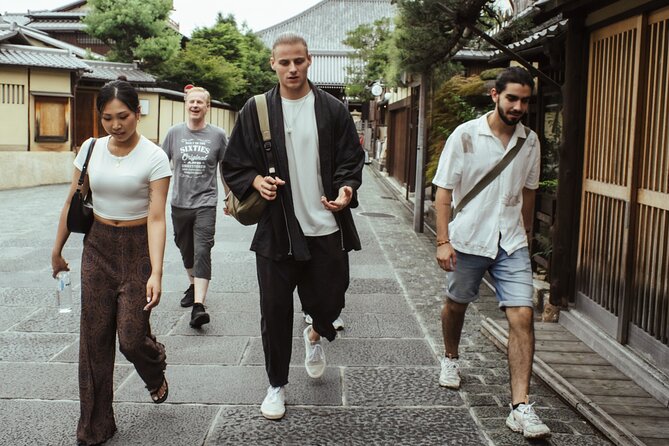
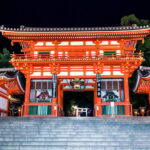
You’ll meet at the Statue of Izumo-no-Okuni (in Higashiyama Ward), at Kawabatacho, and you’ll finish near Yasaka Shrine, about a seven-minute walk from the starting area. The end point is in front of the main gate on the south side of Yasaka Shrine.
Why that matters: finishing at Yasaka Shrine is a strong “day end” location because it puts you right where many visitors want to go next for evening atmosphere and nearby streets. It also helps if you’re trying to keep your day tidy: you’re not stuck traveling across town after the tour.
If you’re using transit, the tour is listed as being near public transportation, which is useful in Kyoto where arrival times can shift depending on crowds and train connections.
Gion first: geisha culture in plain sight
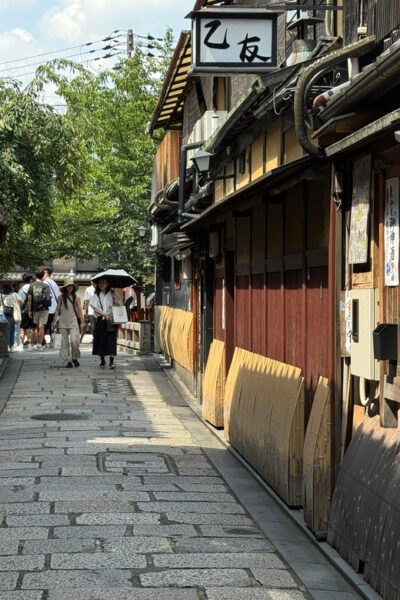
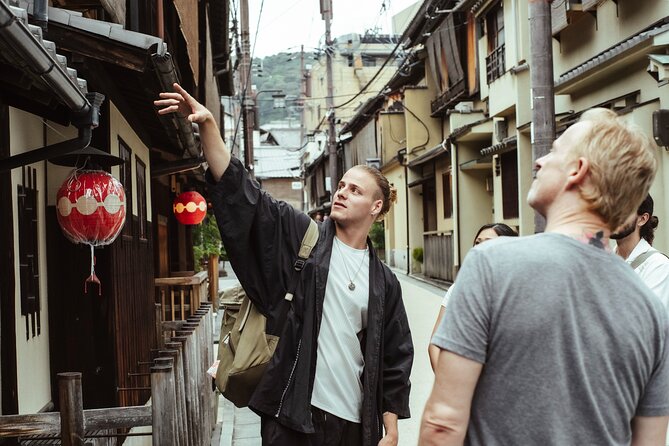
The walk starts in Gion, and you spend about one hour there. This is where the tour does something smart: it frames what you’re looking at with context about Kyoto’s traditions and the world around geisha culture.
Gion can be tricky for solo travelers because it’s easy to treat it like a photo stop. With a guide, you get to slow down just enough to understand the setting—why the streets and traditional buildings matter, and what the cultural references mean when you’re standing in the middle of them.
Also, Gion is a good place to start because it helps you orient yourself. Once you’ve seen Gion through a cultural lens, the later stops across Higashiyama and the temple areas feel less random. The tour’s commentary around Japanese traditions and geisha culture is meant to connect the dots as you go.
Kennin-ji Temple: Buddhism origins, Zen roots, and a calm reset
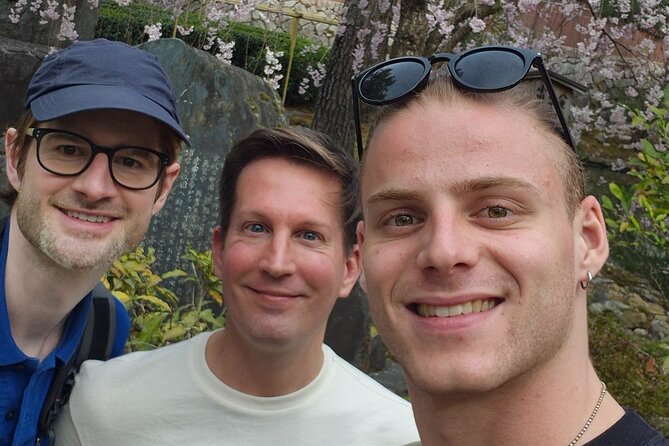
Next is Kennin-ji Temple for about 30 minutes, and the focus here is spiritual history—specifically the origins of Buddhism and how it shaped culture in Japan. Kennin-ji is described as one of Kyoto’s oldest Zen temples, so this stop isn’t just scenic. It’s also anchored in the “why” behind Kyoto’s religious heritage.
What you can expect is a slower, more reflective moment after walking the streets. Even though the tour is moving, this stop is timed so you’re not rushed out the door. It’s also a helpful contrast: you’re going from cultural tradition in Gion to religious tradition at one of Kyoto’s older Zen sites.
A consideration: if you like spending a lot of time inside temples (reading signs slowly, checking side areas, taking your time), thirty minutes can feel like “just enough.” Still, for most people doing a highlights route, it’s a good balance between seeing and understanding.
Hokan-ji Temple and the Yasaka Pagoda area
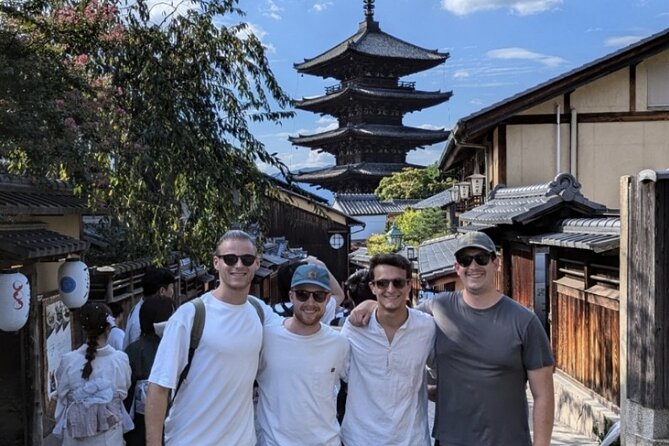
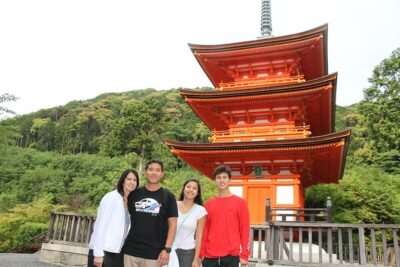
The tour then moves to Hokan-ji Temple—also known for the Yasaka Pagoda—for about 20 minutes. This stop blends spirituality with atmosphere. You’re not only looking at the temple area; you’re also walking through the surrounding old-town streets with narrow lanes and traditional shops and cozy cafes nearby.
This part of the route works well because it’s not all about one landmark. It’s about the feeling of the neighborhood: the small-scale streets and the way old Kyoto still shapes the walk. If you enjoy stopping for snacks or just wandering into small storefronts, this is the portion where you’ll naturally want to slow down.
The drawback to watch for: because the tour schedule is tight overall, you might need to be selective with shopping. If your priority is browsing lots of shops, plan to do that after the tour—when you’re not balancing a set itinerary.
You can also read our reviews of more private tours in Kyoto


Ninenzaka Path: a classic Higashiyama street for old-shop energy
After Hokan-ji, you’ll walk along the Ninenzaka Path in the Higashiyama district. The itinerary doesn’t give a specific time for this segment, but it’s clearly positioned as a street-walk highlight—lined with old shops, cozy cafes, and teahouses.
Ninenzaka is popular for a reason: it feels like Kyoto is speaking in its old dialect. The tour guide’s role here is valuable because you don’t just pass the shops; you’re moving through the area with context, which keeps the walk from becoming “just a street.”
Practical tip for your planning: If you want photos, this is the time window when you’ll likely want to stop briefly for shots. If you want tea or a snack, this is also a good moment to fit it in—just keep an eye on the pacing, since the tour has more stops ahead.
Maruyama Park for seasonal color and temple-area views
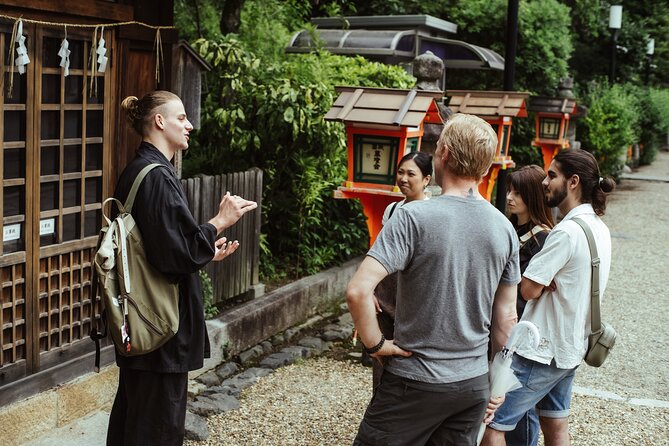
You’ll visit Maruyama Park for about 10 minutes. This stop is built around seasonal scenery: cherry blossoms in spring and momiji (autumn leaves) in fall. The park is also described as surrounded by temples, so it’s a view-and-setting moment, not a long sit-down.
Ten minutes is short, but in Kyoto a short scenic stop can be exactly right—especially when the rest of the walk includes major temple sites and iconic shrine areas. Think of it as a “breather” that keeps your eyes refreshed as you transition toward the final highlight at Yasaka Shrine.
If you’re going in a non-peak season, you’ll still get a nice park pause, but the weather and timing will be more about ambiance than peak blossom or leaf viewing.
Yasaka Shrine: architecture, Omikuji fortune slips, and Kyoto etiquette
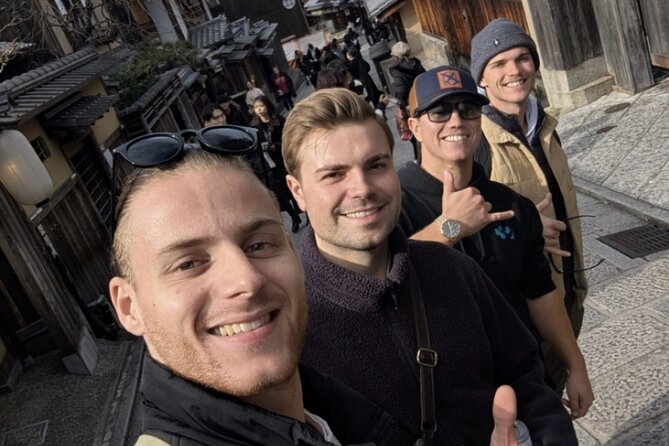
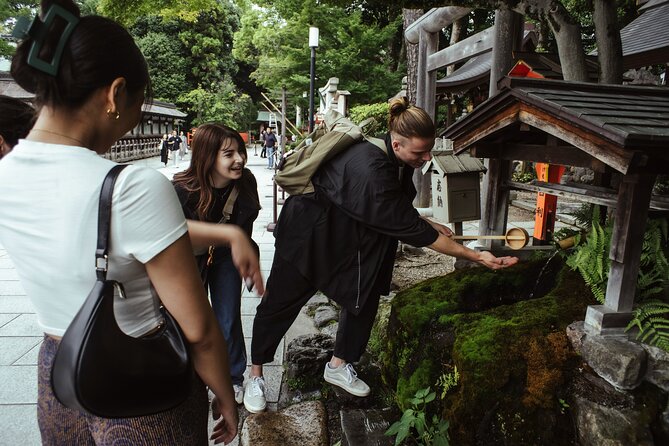
The final stop is Yasaka Shrine, for about 30 minutes. This is a big one: the shrine is noted for stunning architecture and cultural significance, and you’ll come across traditional practices like drawing Omikuji fortune slips.
This is where a guide really earns their fee. Omikuji isn’t just a gimmick. Without context, you might not know how to participate (or what you’re supposed to do once you get your slip). The tour’s guidance helps you understand what the practice is, what to look for, and how to fit it into a respectful visit.
Also, Yasaka Shrine is a great closing point because it brings everything together: culture, religion, and daily tradition. After the earlier temple stops, you’ll recognize familiar themes—how shrines and temples shape daily life and how visitors participate in those traditions.
If you’re hoping to do more at Yasaka Shrine after the tour ends, you’ll have the advantage of being placed at the main entrance area—so you won’t waste time figuring out where you are.
Price and value: what you pay for (and what you get)
The price is $144.88 per person for a private walking tour lasting about three hours. That’s not “cheap,” but it’s also not random pricing—it lines up with what you’re buying:
- Private guide time (only your group participates)
- Navigation support so you don’t burn energy on maps and route decisions
- Interpretation around geisha culture, Buddhism history, and what you’re seeing at major stops
- Free admissions at the listed stops, which helps you avoid “ticket surprise” costs
When does this price make sense? If you’re a couple, a small group of friends, or anyone who hates planning anxiety and wants a smooth, guided route through Kyoto’s big-name neighborhoods. Paying for a guide can be a value win if it keeps you from missing key context—especially in areas like Gion and Higashiyama where the meaning behind what you see matters.
The main value caution is time. Since the itinerary is tightly scheduled, if you want a slower “wander and shop” day above all else, a private tour might feel a bit structured. In that case, consider whether you’re buying guidance for context—or just buying scenery.
One more practical note: the tour uses a mobile ticket, and it’s listed as free-cancellation up to 24 hours before start time. That gives you a bit of flexibility if your Kyoto plans shift.
Who this tour suits best
This private walk is a strong match if you:
- Want an efficient highlights route without doing your own research
- Prefer a guide who can answer questions as you walk, not after the fact
- Are interested in both geisha culture context and temple/shrine heritage
- Like the idea of a route that includes classics like Kennin-ji and Yasaka Shrine, plus the street feel of Ninenzaka
It’s also a good fit if you’re traveling with someone who needs a structured plan—Kyoto can be beautiful, but it can also be confusing if you’re trying to connect every neighborhood on your own.
The guide experience: clarity, pacing, and friendly explanations
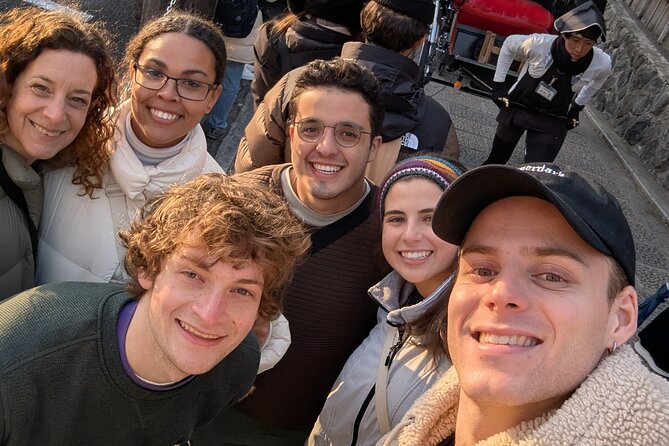
One review highlight that stood out is the guide quality. In one case, the guide named Dominic was described as extremely friendly and knowledgeable, with answers to questions and local insights that went beyond the basics. That’s the kind of guide performance that makes a private tour feel worth it—because you’re not just getting directions. You’re getting meaning.
Even if you don’t get the exact same guide, the tour’s design emphasizes commentary as you walk, including practical explanations about Japanese traditions and what you’re seeing at each stop. That’s the difference between “walking through Kyoto” and “understanding Kyoto while you walk through it.”
Should you book this private Gion and Higashiyama walk?
Yes—if your goal is to see Gion and Higashiyama in one organized pass, with a guide who helps you interpret what you’re seeing. It’s a good value when you want cultural context fast and you’d rather spend your energy enjoying the sights than planning every turn.
I’d skip or modify the plan if you prefer a fully freeform shopping-and-wandering day, because the three-hour schedule means you’ll be limited in how long you can linger at any one place. If you’re okay with that trade-off, this is a solid way to get Kyoto’s highlights without the guesswork.
FAQ
How long is the Private Walking Tour in Gion and Higashiyama?
It’s about 3 hours.
What is the price per person?
The price is $144.88 per person.
Is this tour private or shared?
It’s private. Only your group participates.
Where do you meet and where do you end?
You meet at the Statue of Izumo-no-Okuni (Kawabatacho, Higashiyama Ward, Kyoto) and you end at Yasaka Shrine, near the main gate on the south side.
What are the main stops on the route?
The tour includes Gion, Kennin-ji Temple, Hokan-ji Temple (Yasaka Pagoda), Ninenzaka Path, Maruyama Park, and Yasaka Shrine.
Are there admission tickets to pay for the stops?
The tour lists admission ticket Free for the stops included.
Do I get a mobile ticket?
Yes, the tour includes a mobile ticket.
What is the cancellation policy?
You can cancel for free up to 24 hours in advance for a full refund. Canceling within 24 hours doesn’t provide a refund.