REVIEW · KYOTO
Kyoto Gion Private Tour with a Local Guide – Geisha District
Book on Viator →Operated by City Unscripted · Bookable on Viator
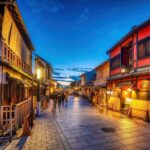
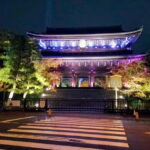
Gion can feel like a movie set—until you learn the rules. This private Kyoto walk gives you a local guide’s eye view of Gion’s lantern-lit lanes and entertainment district culture, with a route that also includes Yasaka Shrine and the calm-to-buzzy switch at Pontocho Alley.
The best part is that your guide can tailor the pace and focus after a short questionnaire, so you’re not stuck with a one-size tour. One watch-out: sightings of geiko and maiko are never guaranteed, even with a great guide, so plan to enjoy the culture and streets rather than count on a photo op.
In This Review
- Key things I’d bet on
- Getting Oriented in Kyoto’s Gion Without Getting Lost
- Gion District Walk: Lantern Lanes and Machiya House Details
- Gion’s Famous Street: Ochaya, Edo-Period Clues, and What to Look For
- Yasaka Shrine Between Gion and Higashiyama: 1,300 Years of Festival Energy
- Shinbashi Dori and Tatsumi Bridge: Willows, Street Scenes, and a Local Photo Spot
- Pontocho Alley Finish: Traditional Atmosphere Meets Nightlife
- Price and Value: What $101.57 Gets You in Real Terms
- Timing, Crowds, and Your Best Chance at Seeing Geiko or Maiko
- Guide Choice Makes or Breaks the Walk
- What to Bring for a Better Gion + Pontocho Walk
- Who This Tour Fits Best (and Who Should Skip)
- Should You Book This Kyoto Gion Private Tour?
- FAQ
- How long is the Kyoto Gion Private Tour?
- What does the tour cost?
- Is this a private tour?
- Does the tour include pickup?
- Is transportation included?
- What’s included in the tour price?
- What’s not included?
- Where does the tour start?
- Where does the tour end?
- What’s the cancellation policy?
Key things I’d bet on
- Private pacing with your guide’s undivided attention, not a crowded group shuffle
- Geisha district context as you walk past machiya houses and teahouses in Gion
- A real shrine stop at Yasaka Shrine, tied to long-running Kyoto festivals
- Photo-worthy spots with meaning like Tatsumi Bridge, explained by your host
- End at Pontocho Alley for that classic Kyoto “daylight to nighttime” contrast
Getting Oriented in Kyoto’s Gion Without Getting Lost
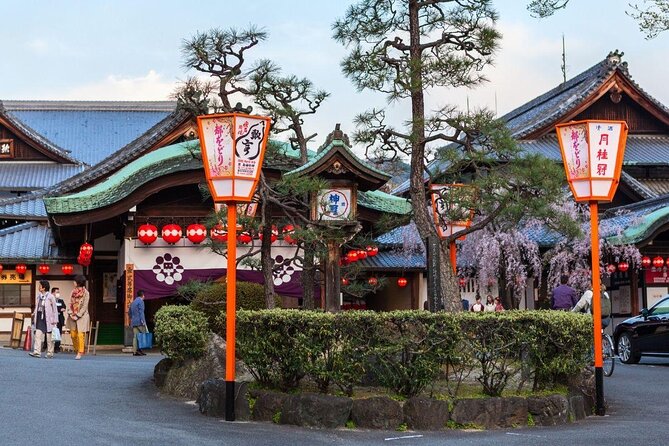
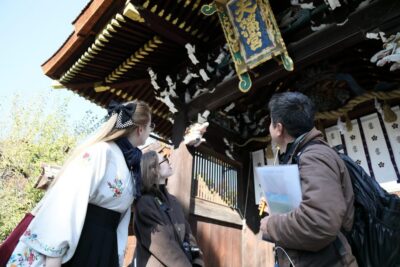
Kyoto’s old neighborhoods look similar at first glance. Gion has that same “oh wow” factor—wooden machiya houses, stone or cobbled lanes, and paper lantern glow—but the details are what make it click. A private guide helps you read the area like a local, not like a tourist following a checklist.
I like that this experience starts with customization. After booking, you fill out a short questionnaire about your interests and must-sees. Then your guide reaches out to shape the route around what you care about—history, food, hidden spots, or culture. In past tours under this same style, guides such as Emi and Ada have been praised for clear explanations and strong prep, while others like Olan and Milo have been noted for keeping the walk relaxed yet informative.
The possible drawback is simple: if your goal is to see geiko or maiko, you still have to be flexible. The streets are active, schedules change, and discretion is part of the culture. More than one guest mentioned a great experience even without a guaranteed sighting; others were disappointed when geisha weren’t seen. So I’d treat that as a bonus, not the foundation of your plan.
You can also read our reviews of more guided tours in Kyoto
Gion District Walk: Lantern Lanes and Machiya House Details
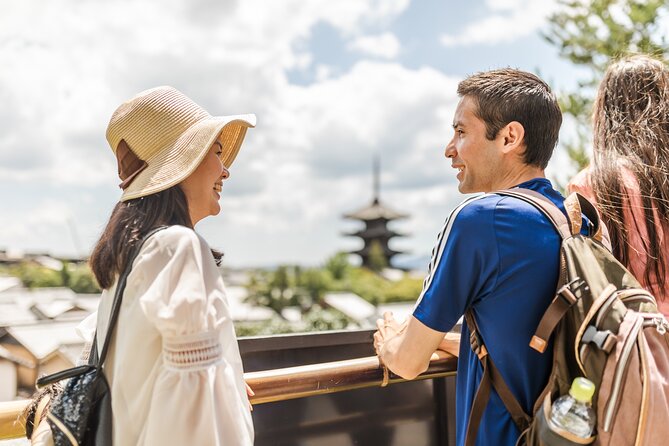
You begin by stepping into Gion, one of Kyoto’s most iconic traditional neighborhoods. The vibe is compact and easy to miss when you’re wandering on your own. A guide slows you down in the right places so you notice things you’d otherwise gloss over.
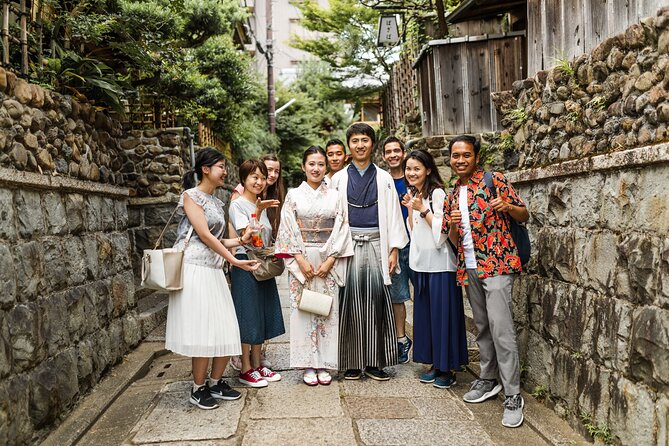
You’ll walk narrow lanes lined with traditional wooden machiya houses and see the entertainment district atmosphere without needing to force a conversation with strangers. Your host shares what’s going on around you—how the district functions historically, what the teahouses are, and how the geiko and maiko world fits into everyday Kyoto life.
This is also where timing matters. Gion can be lively at the wrong moments and oddly quiet at others. The advantage of a private format is that your guide can adjust the pace—moving along before foot traffic stacks up, pausing to point out cultural markers, then continuing when it’s easier to take in the setting. If you’ve got mobility limits, tell the guide early; the tour is primarily a walk, and public transport may be used between spots if needed.
Gion’s Famous Street: Ochaya, Edo-Period Clues, and What to Look For
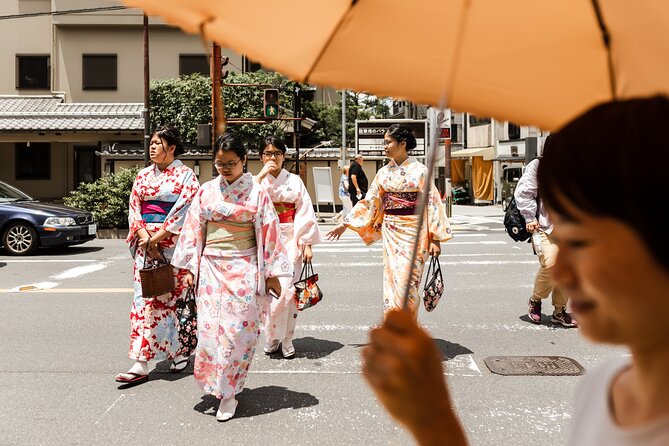
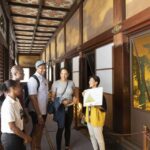
Next comes a stroll along one of Gion’s most recognizable streets, known for its historic ochaya (teahouses) and well-preserved Edo-period architecture. From the outside, it’s easy to think it’s just scenery. With a guide, you learn how to spot the subtle signals that locals notice—who the buildings served historically, why certain features matter, and how the district’s design supports its traditions.
I like this stretch because it’s not just “pretty streets.” It’s culture in architecture form. You’re moving past spaces that have long held roles in Kyoto’s performance and hospitality world. Even if you’re not a deep-history person, you’ll come away with a clearer mental map of what you’re looking at: teahouses, the rhythm of the street, and why certain areas feel both public and private at the same time.
One caution: if your expectations lean heavily toward meeting or photographing performers, adjust your mindset. The charm here is in understanding the district respectfully. Your guide’s job is partly to help you observe properly—where to pause, how to avoid crowding, and how to take in details without turning it into a spectacle.
Yasaka Shrine Between Gion and Higashiyama: 1,300 Years of Festival Energy
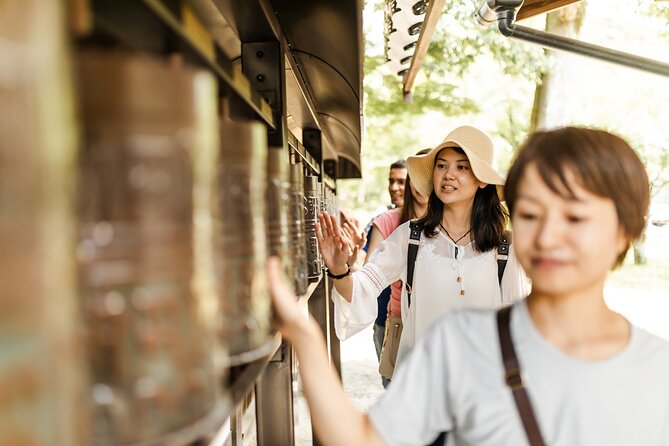
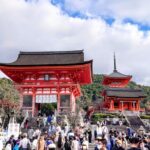
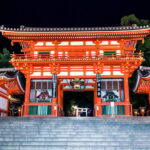
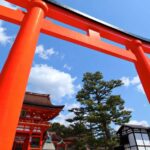
A major pivot point on this walk is Yasaka Shrine. It sits between Gion and Higashiyama and is tied to Kyoto’s festival culture. This stop adds the “Kyoto beyond the nightlife district” layer that makes the entire tour feel balanced.
Your visit includes time to explore the shrine setting and learn about its role in Shinto tradition. The shrine’s history spans over 1,300 years, and your guide can connect what you see today with the festivals that repeatedly bring Kyoto’s seasons and community spirit to the front.
This stop also helps you cool down—mentally and physically. After lantern lanes and teahouse streets, moving into shrine grounds feels like shifting gears. It’s calmer, more spacious, and it gives you a deeper understanding of why Gion is more than just an entertainment district. Kyoto’s spiritual calendar and its cultural life are linked, and Yasaka is one place where that connection becomes obvious.
Shinbashi Dori and Tatsumi Bridge: Willows, Street Scenes, and a Local Photo Spot
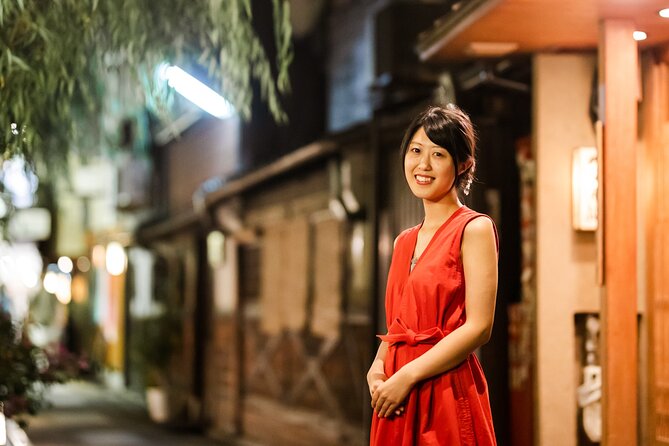
After Yasaka, you head toward Shinbashi Dori, a picturesque street framed by willows and traditional facades. This part of the walk is great for two reasons: it’s visually pleasant, and it’s a change from the heavier “center stage” feeling of Gion’s busiest lanes.
Your guide also takes you to Tatsumi Bridge, described as a beloved photo spot with deep local significance. You don’t just stop for a picture—you learn why locals care about that spot and what to notice while you’re there. That’s the difference between a random photo and a meaningful one.
This segment is also where your guide’s tailoring can show up. If you’re into photography, expect coaching on where to stand and how to time your stop. If you’re more into everyday Kyoto life, your host can steer the conversation toward street habits and how districts connect to each other.
You can also read our reviews of more private tours in Kyoto


Pontocho Alley Finish: Traditional Atmosphere Meets Nightlife
The tour concludes in Pontocho Alley, a narrow passage famous for its classic Kyoto charm and its mix of bars and restaurants. This is a smart ending point because it mirrors what many people come to Kyoto for: the feeling that the city is old, but alive.
Pontocho has that “small world” feel. You’re walking through a maze of intimate dining spaces where the street itself is part of the experience. A guide’s help here is practical: they can point out what you’re seeing, share context for the district, and suggest how to continue your evening without wasting time.
If you’re deciding between a day tour and an evening tour, this ending point is exactly where your choice shows up. One guest noted they might have preferred the experience during the day instead of at night, while other guides have been praised for making the timing feel right. My advice: pick evening if you want atmosphere and lantern-light vibes; pick daytime if you want easier sightseeing and less crowd pressure for photos.
Price and Value: What $101.57 Gets You in Real Terms
At $101.57 per person, you’re paying for more than a route through Gion. You’re buying time with a guide who can adjust to your interests and keep the experience smooth as you move between multiple key areas.
What you get for the price:
- A private walking experience with personalized direction
- A pre-tour questionnaire that affects the itinerary
- Direct communication with your host for planning and local recommendations
- Flexible durations and start times based on what you choose when booking
- Pickup offered (so you may not need to start the walk from a random corner)
What you don’t get (and why that matters):
- Food and drinks are not included
- Attraction tickets are not included
- Transportation isn’t included; this is primarily on foot, with public transport or local taxis potentially used between sites at additional cost
- Gratuities are not included (optional)
For value, the big question is this: will you enjoy learning the “why” behind what you’re seeing? If yes, the private format usually feels worth it fast. If you’re mainly chasing scenery and already know Kyoto well, the cost may feel steep for a walking loop. But even then, a good guide can save you from misreading what you’re looking at, especially in a district as layered as Gion.
Timing, Crowds, and Your Best Chance at Seeing Geiko or Maiko
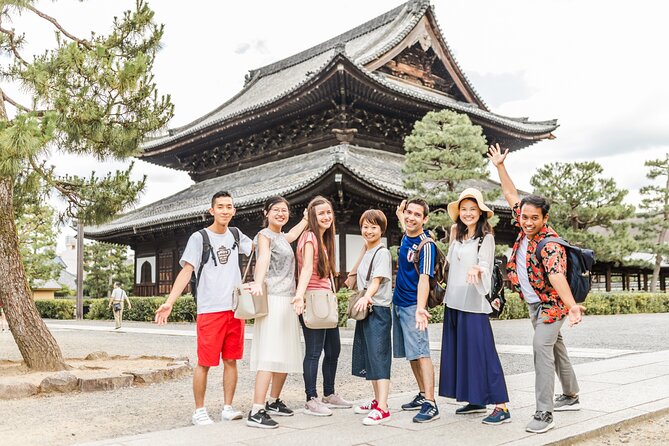
Let’s talk expectations honestly. This tour can give you context and help you notice the right cues, and some guests have shared moments like seeing a maiko during the walk or spotting a few geisha passing by. But other guests have reported not seeing geisha despite doing the tour.
So here’s how I’d plan your mindset:
- Treat geiko/maiko sightings as a bonus, not the ticket price justified outcome
- Focus on understanding the district: teahouses, machiya streets, shrine connections, and how the cultural world is embedded into Kyoto’s layout
- Use your questionnaire to clearly say what you want to prioritize. If you want geisha district culture explained more than street photography, say that. If you want fewer stops, say that too.
Also, ask your guide what’s realistic for the time you’ll be out. Evening can feel magical, but it can also change how crowds move through narrow streets.
Guide Choice Makes or Breaks the Walk
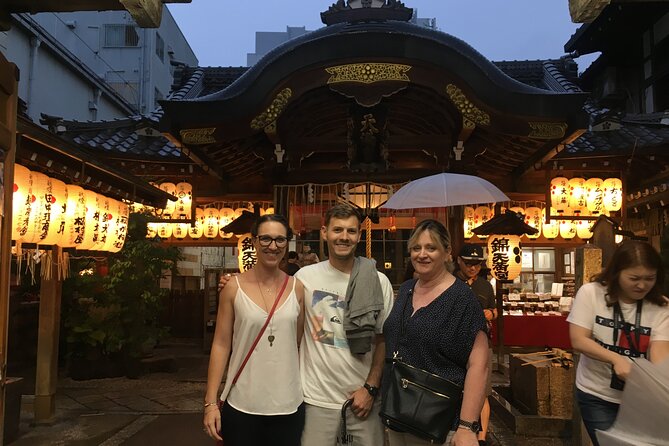
In Kyoto, your guide is the product. And with this kind of private tour format, guide personality and match quality matter.
The strongest praise I saw across guide names comes down to a few themes:
- Guides adapting to interests quickly, such as Milo and Ai
- Communication that keeps you relaxed while still learning a lot, such as Nisa, Tess, and Michael
- Hosts who help beyond the walk—like making a dinner reservation or adjusting the schedule after a late arrival, mentioned with Brenda
- People who end the experience in a way that fits a booked add-on, like Kenta coordinating an ending at Gion Corner Geisha Show when that matched plans
- Guides who also share “how to enjoy the area” tips, such as the chance to pause in a tiny coffee shop and chat with the owner, credited to Takaya-san
There are also the other side of the coin. A small number of experiences had problems like a guide not showing up, or a lack of alignment with what was expected around geisha-focused content. That’s not something you can fully control, but you can reduce the risk: double-check your meeting details and be sure your guide has your best contact method (the tour includes direct communication). If anything feels off, reach out early.
What to Bring for a Better Gion + Pontocho Walk
Because this is primarily walking, plan for comfort. I’d pack:
- Comfortable shoes for stone and cobbled lanes
- A light layer for shrine/river-adjacent weather shifts
- A charged phone or camera for lantern streets and Tatsumi Bridge
- An open mind. The “best” part is often the stories behind what you see, not the postcard angle
Also, decide your style before you meet up. If you want more street context, say so. If you want fewer stops and more time at Pontocho, tell your host. This tour’s structure is built to flex.
Who This Tour Fits Best (and Who Should Skip)
This tour is ideal if:
- You want a private guide through Kyoto’s most recognizable traditional neighborhoods
- You like walking tours but want one person steering you toward meaning, not just sights
- You’re curious about Gion’s cultural world—geiko/maiko traditions, teahouses, and how they connect to broader Kyoto life
- You want a route that includes both a heritage district (Gion) and a spiritual anchor (Yasaka Shrine), then ends in a lively dining alley (Pontocho)
You might want to skip or choose something else if:
- You only want food and don’t care about cultural context
- You’re extremely price-sensitive and could do Gion/Yasaka on your own
- Your main goal is guaranteed geisha sightings. Even with a great guide, that’s not something anyone can promise responsibly.
Should You Book This Kyoto Gion Private Tour?
If you want your Kyoto days to feel connected—streets to shrines, teahouses to festivals, and lantern lanes to how locals actually read the neighborhood—this is a strong pick. The price makes sense when you use the real advantage: a guide who tailors the walk and gives context you can’t get from a map.
I’d book it if your priorities match one of these:
- learning how to see Gion properly
- getting a guided approach to Yasaka Shrine
- ending in Pontocho with ideas for what to do next
- having a person help you plan so you don’t waste time guessing
Book it with one clear expectation: geiko/maiko sightings are possible but not guaranteed. The tour’s real win is understanding the culture and the streets.
FAQ
How long is the Kyoto Gion Private Tour?
It runs about 2 to 3 hours.
What does the tour cost?
It costs $101.57 per person.
Is this a private tour?
Yes. Only your group participates.
Does the tour include pickup?
Pickup is offered.
Is transportation included?
Primarily no. It is a walking experience, and public transportation or local taxis may be used between sites at additional cost.
What’s included in the tour price?
You get a private and personalized walking experience with insider tips, flexible durations and start times, a pre-tour questionnaire, and direct communication with your host.
What’s not included?
Food, drinks, attraction tickets, transportation, and gratuities are not included.
Where does the tour start?
It starts at Matsumoto Kiyoshi Kyoto Shijo Kawaramachi, 103-2 Hashimotochō, Shimogyo Ward, Kyoto, 600-8011, Japan.
Where does the tour end?
It ends back at the meeting point.
What’s the cancellation policy?
You can cancel for a full refund up to 24 hours in advance of the experience’s start time.