REVIEW · KYOTO
KYOTO-NARA: Giant Buddha Deer Pagoda “Geisya” (Italian, full day)
Book on GetYourGuide →Operated by Agenzia Turisti Italiani in Giappone · Bookable on GetYourGuide
One day, two old capitals, and a herd of deer you do not have to chase. Kyoto-Nara comes with an Italian guide, tight timing, and the kind of temple-and-street storytelling that helps places click fast. You start at Kyoto Station, ride to Nara, then come back for Kyoto’s most famous hillside temple area and the Gion-kobu art district.
I like two things most: the guide gives Italian explanations that connect the sights, not just a list of stops, and the pacing keeps you moving without feeling like you’re trapped on a bus. The group stays small (up to 15), so questions land and you get real help when you need it.
One possible drawback: it’s a full day with transfers and walking, so if you want lots of free time to linger in only one place, the schedule may feel a bit packed. I’d also consider what one visitor noted as a mild mismatch between time available and the price, even though the overall experience looks strong.
In This Review
- Key Takeaways Before You Go
- Starting at Kyoto Station: Where Your Day Really Begins
- Getting to Nara by Train and Bus: Simple, Guided, and On Schedule
- Todai-ji Temple: Seeing the Giant Buddha With Context
- The Deer Park Experience: Cookies, Photos, and Good Manners
- Ukimido: A Short Walk That Adds Another Layer
- The Midday Reset Back in Kyoto Station
- Kiyomizu-dera: Guided Temple Time on the Pilgrimage Streets
- Gion-kobu and the Geisya Connection: Where the Arts Work
- Guide Quality in Practice: Why Italian Makes the Day Work
- Price and Value: What You’re Paying For
- Timing and Pace: Walking, Transfers, and the Real Rhythm
- Who Should Book This Kyoto-Nara Geisya Day Tour
- Should You Book This Kyoto-Nara Geisya Day Tour?
- FAQ
- What language is the tour guided in?
- Where exactly do we meet in Kyoto Station?
- How long is the tour?
- How big is the group?
- What places does the tour visit?
- Is there time for the deer park and feeding deer?
- What’s included in the price?
- Is the tour accessible for wheelchair users?
Key Takeaways Before You Go
- Italian-language guiding that focuses on monuments and what people believe and do there
- A small group capped at 15, which makes questions and assistance easier
- Todai-ji in Nara plus the nearby deer park, with cookies for feeding the tame deer
- An afternoon centered on Kiyomizu-dera and the pilgrimage-street area with shops and sweets
- Gion-kobu time where Maiko and Geiko artists work, often called Geisya
- Flexible pacing requests are possible, within reason, so you can steer the day slightly
Starting at Kyoto Station: Where Your Day Really Begins
Kyoto Station is busy, but your meeting point is specific and easy to recognize once you arrive. You meet in the space between the four escalators in front of the cab (not bus) terminal, on the east side just outside the north central entrance. If you look around, you should be able to see Kyoto Tower above you in the top left of your view from there.
This matters because a tour like this lives and dies by timing. You’re catching a train to Nara in the morning, then swapping to a bus, and the day keeps flowing. A clean start reduces stress, and that is one of the underappreciated parts of any good tour day.
You also get a confirmation email with detailed meeting point info the day before. Still, it’s worth arriving a bit early so you can check the exact spot and not start the day sprinting.
You can also read our reviews of more tours and experiences in Kyoto


Getting to Nara by Train and Bus: Simple, Guided, and On Schedule
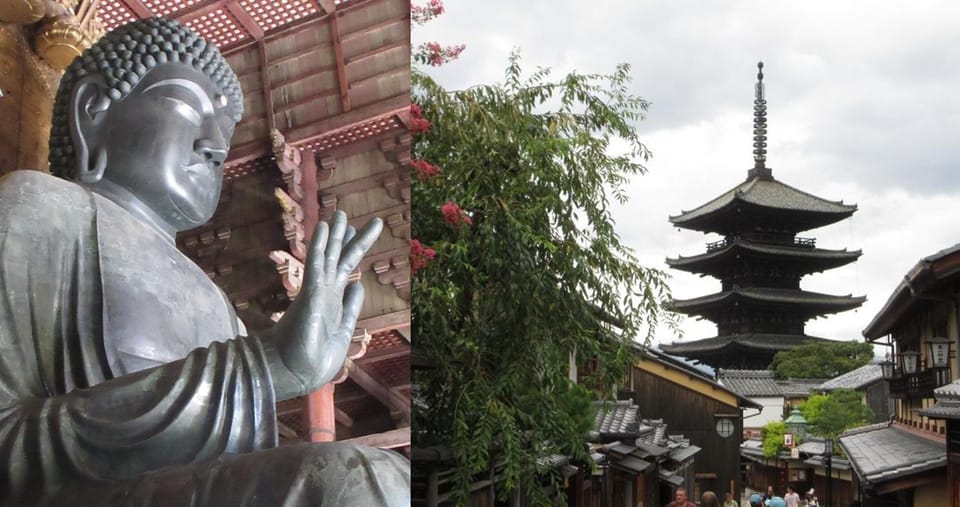
The morning route is straightforward: you take a train for about 45 minutes, then a bus/coach for about 15 minutes. You then move on foot through the temple area and park. There’s a short, practical rhythm to it—ride, arrive, walk, see—so you always know what phase you’re in.
The tour is designed for an all-in-one day. You’re not just going to one famous place; you’re trying to fit Todai-ji in Nara and then Kyoto’s Kiyomizu-dera and Gion-kobu later, with a mid-day break at Kyoto Station. If you’re used to DIY travel, this can feel controlled. If you’re not, it feels like a steady hand.
And since you have a live guide who assists you as needed, you’re not stuck figuring things out if you get turned around. That support can be especially useful when you’re switching between rail, bus, and short walks.
Todai-ji Temple: Seeing the Giant Buddha With Context
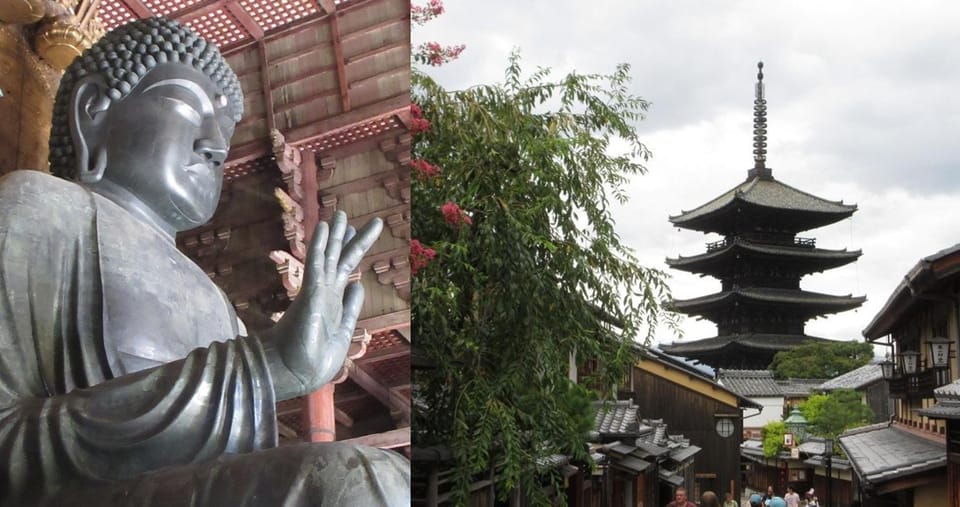
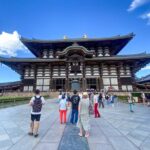
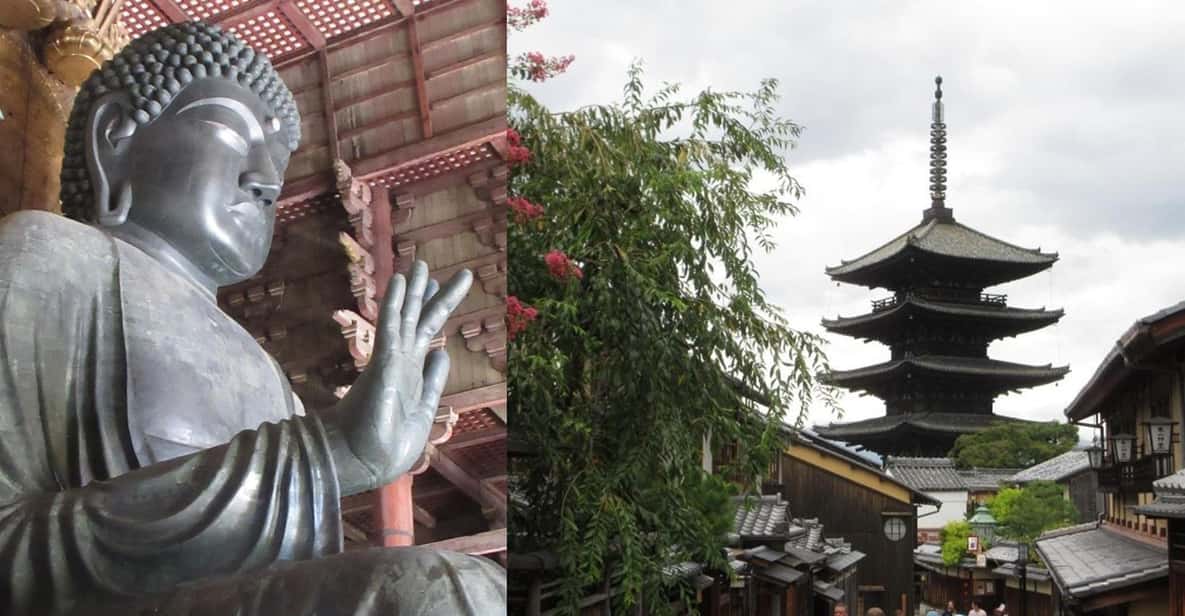
Todai-ji is the anchor of the Nara half. The headline is the giant Buddha statue, known as one of the largest in Japan. But the real value comes from having a guide who explains what you’re looking at, including monuments connected to Japan’s national treasures.
Instead of just pointing, the guide ties the site to how people practice and understand Buddhism. The emphasis is on stories and history you can’t easily pick out from signage alone. It’s the difference between seeing a structure and understanding why it matters to devotion.
There’s about 1.5 hours here for a guided visit plus time for shopping and sightseeing. That shopping window is handy because it prevents the classic problem of arriving at a temple, spending every minute inside, and then having no time to pick up simple snacks or small souvenirs before the ride back.
The Deer Park Experience: Cookies, Photos, and Good Manners
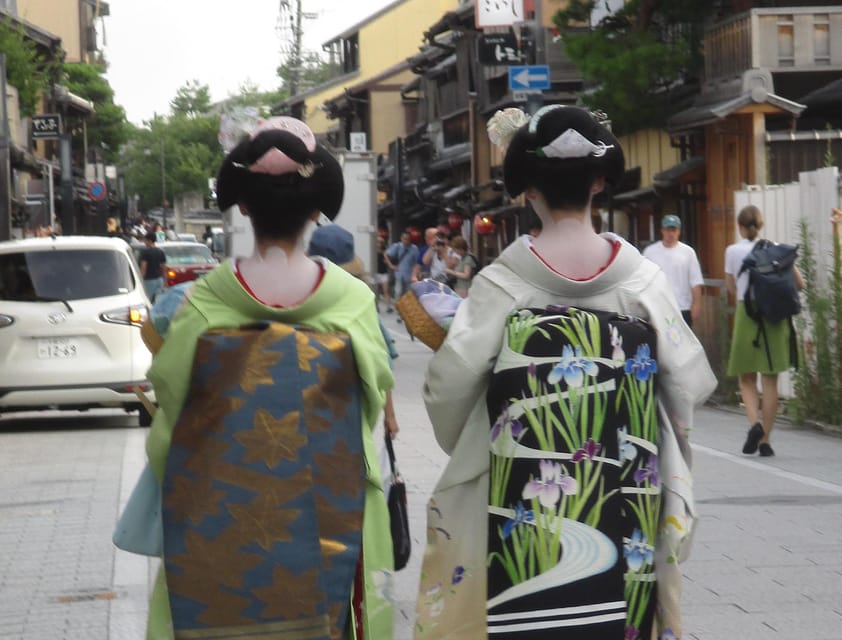
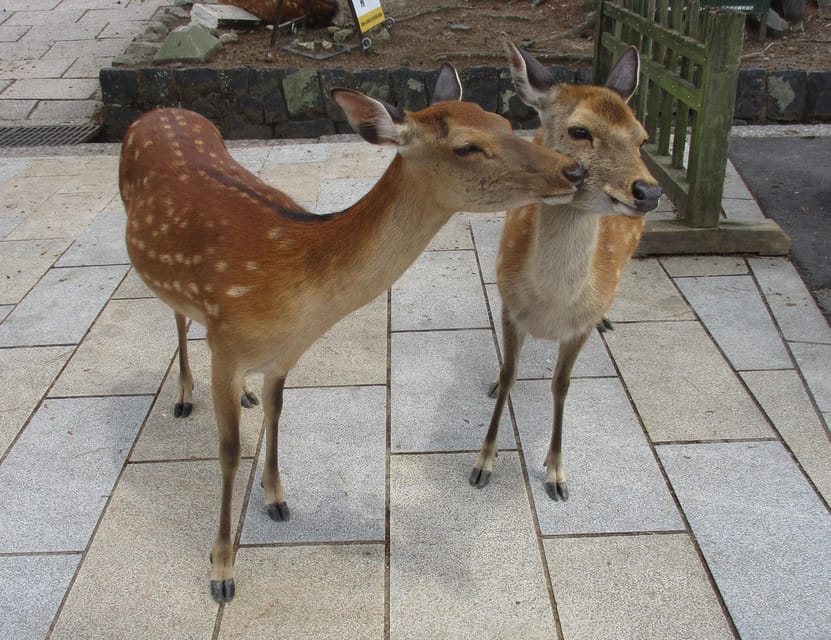
Next to the temple complex is the large park where tame deer roam freely. The tour includes the simple, fun detail that you can feed them cookies sold at special stalls. This is one of those experiences that turns a landmark day into a memory you’ll still smile about later.
The guide’s role here is bigger than you might expect. Deer wandering around can be chaotic if everyone panics, and a group with a guide tends to move more smoothly. You get help staying oriented, and the whole scene becomes less about managing surprises and more about enjoying the moment.
Also, don’t assume you need to interact for the experience to work. Even if you keep your distance, the deer add atmosphere to the entire area. They make Todai-ji feel like a living place, not a theme-park stop.
Ukimido: A Short Walk That Adds Another Layer
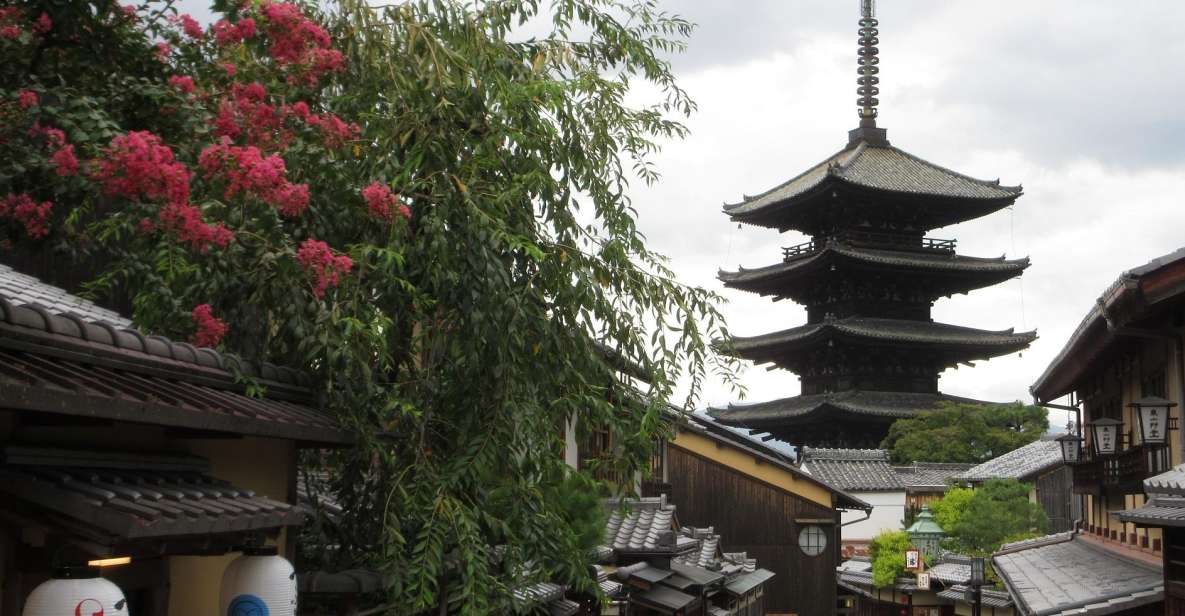
After the main temple time, the schedule includes a brief on-foot segment and a visit to Ukimido. The itinerary gives you about 10 minutes to visit, walk, and pass by. That short stop is exactly the kind of add-on that makes a guided tour feel worth it: you’re not skipping it blindly, but you also are not spending a long time somewhere you might not understand.
Even with limited time, the payoff is learning how the site fits into the broader temple story. The guide’s explanations are what turn a quick stop into a meaningful pause.
If you’re traveling with family or someone who likes variety, this kind of stop helps break up the heavier monument time. If you’re someone who hates rushing, keep your expectations aligned: this is a day built for multiple highlights.




The Midday Reset Back in Kyoto Station
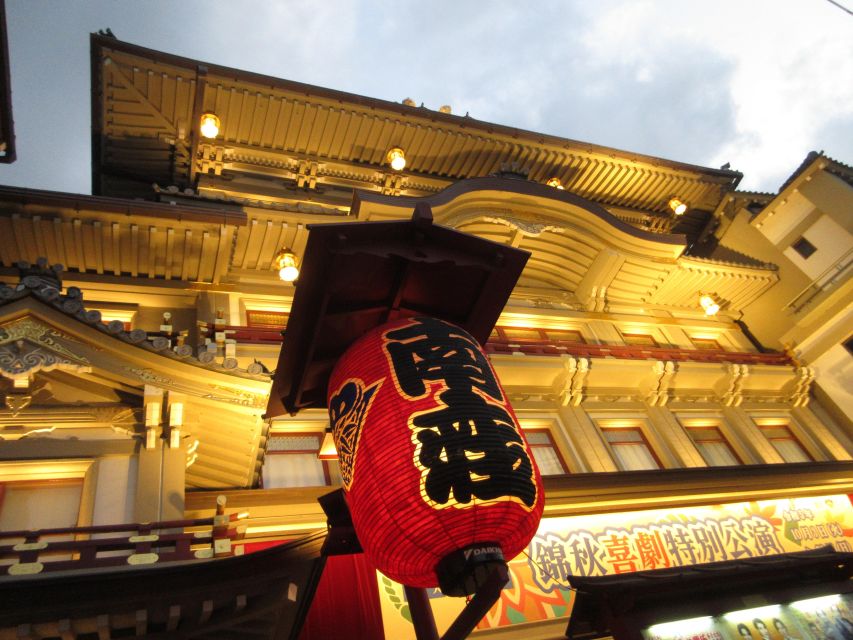
Between Nara and the Kyoto afternoon, the tour gives you a 1-hour break time at Kyoto Station. That’s a gift. You can grab a drink, use restrooms, regroup, and decide whether you want a quick snack or a little shopping before the next leg.
This break also matters because the day is built around movement. After the morning’s train-and-bus commute and the temple/park walking, you’ll feel better with a clear reset point rather than a rushed handoff from Nara to Kyoto.
It’s also a smart setup logistically: Kyoto Station is a hub, so regrouping there is easier than trying to meet up on narrow streets. You’ll then head out by bus/coach again for about 15 minutes to reach the Kiyomizu-dera area.
Kiyomizu-dera: Guided Temple Time on the Pilgrimage Streets
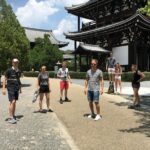
Kiyomizu-dera is where the Kyoto part of the day turns scenic. You get about 1 hour for the visit with a guide, and then about 20 minutes to walk through the pilgrimage routes and nearby streets.
The tour emphasizes the historical feel of this area, developed from the 8th century to the present day, and it also acknowledges the modern reality around you: streets lined with souvenir shops, sweet shops, bars, and entertainment for visitors of all ages.
In other words, you’re not only visiting a temple. You’re experiencing the in-between zone where people actually spend time. That matters because temple areas can feel dead if you’re only there during strict sight-only hours. Here, the streets keep the day feeling human and playful.
The guide’s job is to point out details you might miss, including historical and religious context, and to answer questions while you walk. When you ask, you get explanations that connect what you’re seeing in front of you.
Gion-kobu and the Geisya Connection: Where the Arts Work
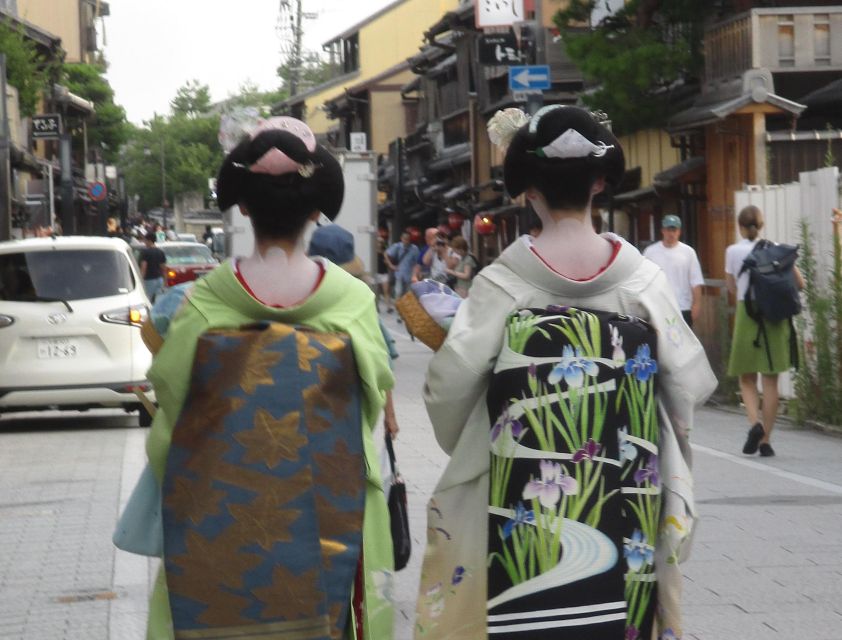
After Kiyomizu-dera, you move on foot for about 20 minutes to reach the Gion area, with about 20 minutes of guided time there. This is the stop that introduces the tour’s title in a grounded way.
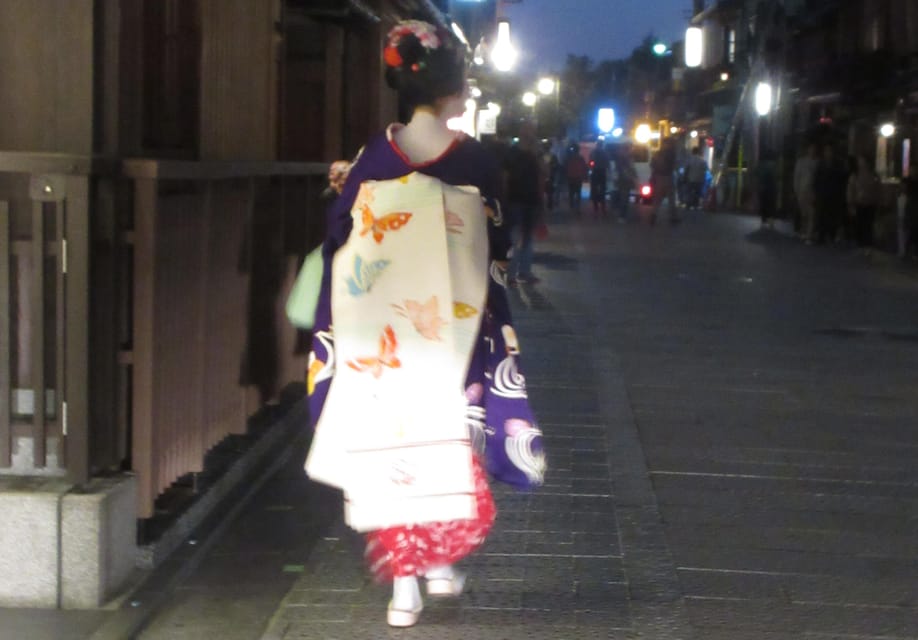
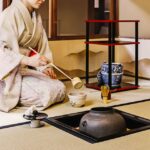
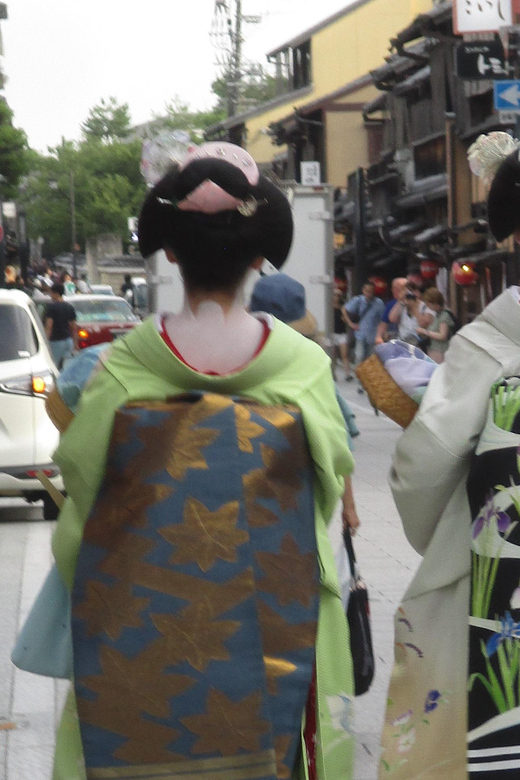
The focus is on the Gion-kobu area, where professional Maiko and Geiko artists work. The tour notes that they’re often called Geisya, and the guide helps you understand what you’re seeing in that district without turning it into a “look but don’t know” photo safari.
This portion feels different from the temple half because it’s about culture in motion. Instead of a single monument, you’re in a neighborhood where performance and tradition are part of everyday life.
Even with only 20 minutes guided, you get orientation: where to look, what matters, and how the arts relate to place. And then the tour ends with a walk to Pontocho as the finish point, so you’re not left feeling like the day just drops you off somewhere random.
Guide Quality in Practice: Why Italian Makes the Day Work
The tour is fully guided in Italian, which is a big deal when you’re touring religious and historic sites. You want more than captions; you want someone to explain what you’re looking at and why people care.
The feedback highlights a guide named Omae, praised for Italian that’s excellent and for a sense of humor. In particular, people mention how he answered questions well and shared legends and myth-like stories connected to monuments and objects you pass. That kind of storytelling is useful because it turns “this is old” into “this means something.”
You also get a practical advantage: if you need help during the day, the tour is set up with assistance in mind. That can mean group support for timing, walking directions, and any on-the-spot questions that come up when you’re in crowded areas.
Price and Value: What You’re Paying For
At $176 per person for a full day, this is not a bargain-seat outing. But the value case is clear when you look at what’s included: transportation fares (train and bus), entrance fees for the monuments, and the Italian-language explanatory illustration covering the historical monuments you visit.
You’re also paying for guided interpretation at two different sites (Nara and Kyoto) plus a district walk in Gion. A lot of DIY travelers can reach these places, but they rarely get structured context for national treasure monuments or Buddhist devotion, and they usually spend more time figuring out logistics.
The small group size (up to 15) also supports the price. In a large crowd, you might miss the chance to ask questions. In a small one, you can get real answers—and that’s where tours justify their cost.
One caution to keep in mind: a small handful of feedback suggests the tour could feel a bit short for the amount paid. If you are the type who wants extra free wandering time in each area, you might feel a pinch. If you want a guided highlights day with structure, you’ll likely feel the price matches the service.
Timing and Pace: Walking, Transfers, and the Real Rhythm
This itinerary has a predictable rhythm. Morning: train and bus, then Todai-ji and the deer park. Midday: back to Kyoto Station for a 1-hour break. Afternoon: bus to Kiyomizu-dera, guided temple visit, then walking through the pilgrimage streets, a short guided time in Gion, and finishing at Pontocho.
The walking is not endless, but it adds up. There are several on-foot segments: short walks between stops and longer stroll time in Kyoto areas. The guide can help, and the tour is wheelchair accessible, but you should still be prepared for a full day on your feet.
What makes the pace work is that the itinerary breaks the day into blocks. You get guided time where it counts, and you get just enough independent time to look around, shop, and take photos without feeling totally disconnected.
Also note there’s a flexibility option: you can request schedule changes as far as possible and within reason. That’s useful if someone in your group needs a slower pace or has a specific interest, as long as you keep expectations realistic.
Who Should Book This Kyoto-Nara Geisya Day Tour
This tour is a strong fit if you want:
- a full-day plan that covers Nara’s Todai-ji and Kyoto’s Kiyomizu-dera plus Gion-kobu without complex planning
- an Italian-speaking guide who explains history and devotion, not just where to stand for photos
- a small group experience with help available during the day
It may be less ideal if you prefer long, solo time in one place, because the day is designed for multiple highlights. It can also feel like a lot if your travel style is slow and sensory-heavy rather than guided-and-efficient.
Wheelchair accessibility is listed, so it can suit mobility needs, but always keep an eye on the fact that you still have multiple transit legs and short walking segments throughout.
Should You Book This Kyoto-Nara Geisya Day Tour?
Book it if you want a structured, Italian-guided day that blends major sights with the context that makes them click. The Todai-ji plus deer park combo is a fun start, and the Kiyomizu-dera and Gion-kobu pairing gives you both a temple atmosphere and a cultural neighborhood feel. The small group size and guide support are the kind of details that often separate a good day from a stressful one.
Skip it or adjust expectations if you hate tight scheduling. The itinerary moves efficiently, and a few minutes here and there can feel limited if you want to linger. If that’s you, consider pairing this with a slower follow-up day in the city you liked most.
FAQ
What language is the tour guided in?
The tour is guided in Italian.
Where exactly do we meet in Kyoto Station?
You meet in the space between the four escalators in front of the cab terminal, east just outside the north central entrance to Kyoto Station. You should be able to see Kyoto Tower in front of the station at the top left of your location.
How long is the tour?
It’s a full-day experience.
How big is the group?
The group is limited to a small size, with up to 15 participants.
What places does the tour visit?
You visit Todai-ji in Nara, then later Kiyomizu-dera in Kyoto and the Gion area (Gion-kobu), with time in the neighborhood of Maiko and Geiko artists.
Is there time for the deer park and feeding deer?
Yes. In the park around Todai-ji, you can encounter tame deer, and there are cookies sold at special stalls to feed them.
What’s included in the price?
Included are train and bus transportation fares, entrance fees for the monuments visited, an explanatory illustration in Italian for the historical monuments, and practical travel information about Japan upon request.
Is the tour accessible for wheelchair users?
Yes, the tour is wheelchair accessible.