REVIEW · KYOTO
Private Guided Traditional Buddhist Cooking in Japan
Book on Viator →Operated by Yukari’s Japanese Home Cooking · Bookable on Viator
A Buddhist kitchen lesson in Kyoto changes how you think about dinner. You’ll learn Shojin-ryori, a vegan style rooted in temple life, then cook classic dishes with modern care. I especially love how the class connects ingredients to real Japanese flavor, and how the final lunch actually feels like a proper meal, not a cooking demo.
One possible drawback: the format blends temple stops with hands-on cooking, so you’ll want comfortable shoes and a bit of stamina for the walking time.
In This Review
- Key Highlights You’ll Actually Feel During the Class
- Shojin-ryori in Kyoto: Why This Cooking Class Feels Different
- Your Private Setup: What You’re Signing Up For
- Meeting Point and Time: Plan Your Morning So It Doesn’t Feel Rushed
- The Temple Stops: Enkoji, Shisendo, Ginkakuji and the “Why” of Shojin-ryori
- Hands-On Cooking: The 7 Shojin-ryori Dishes You’ll Make (Plus Rice Balls)
- If you’re gluten-free
- The Meal Itself: A Lunch Plate You’ll Want to Recreate
- Yukari’s Teaching Style: Clear Steps, Good Energy, Written Recipes
- Who This Class Fits Best (and Who Might Reconsider)
- Price and Value: $70.94 for a 7-Dish Workshop That Ends in Lunch
- Small Logistics That Matter on the Ground
- Should You Book This Kyoto Buddhist Cooking Class?
- FAQ
- How long is the Private Guided Traditional Buddhist Cooking in Japan experience?
- Is this a private tour or a shared group activity?
- Where does the tour start and end?
- What time does it start?
- What dishes will I be cooking?
- Is gluten-free available?
- What’s included in the price?
- Is transportation included?
- Are service animals allowed?
- Is free cancellation available?
Key Highlights You’ll Actually Feel During the Class
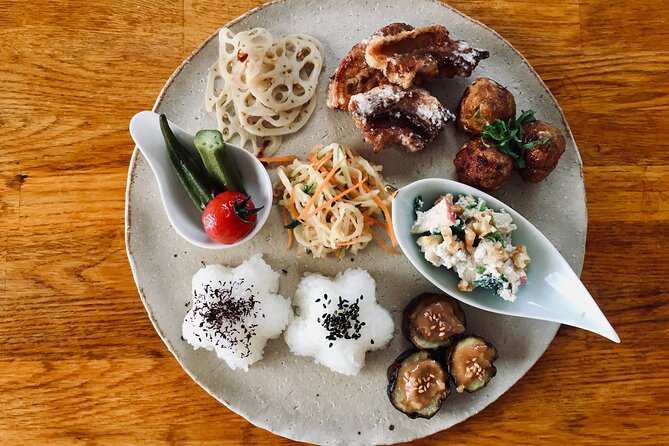
- Shojin-ryori without animal products: tofu, grains, seaweed, fermented foods, and seasonal vegetables stay at the center.
- 7 cooking items + rice balls: you’ll work through a full plate of textures, from miso-grazed eggplant to wheat-gluten fried bites.
- Temples as context: Enkoji, Shisendo, and Ginkakuji set the “why” behind Kyoto Buddhist cooking.
- Yukari’s teaching style: clear step-by-step guidance, lots of detail, and written recipes you can use later.
- Dietary flexibility: gluten-free is accepted if you let the host know in advance.
Shojin-ryori in Kyoto: Why This Cooking Class Feels Different
Kyoto has a way of making food feel personal. This private class is built around Shojin-ryori, traditional Buddhist cooking that avoids animal products—because killing animals is prohibited in Buddhism. That one rule changes everything: flavors tilt toward vegetables, tofu, grains, seaweed, and fermented ingredients. The result is healthy, balanced food that still tastes distinctly Japanese, not like a generic vegan meal.
I like that the experience doesn’t treat vegan cooking as a compromise. Instead, it treats it as a craft. You’ll be shown how classic Kyoto flavors come from technique—how vegetables are cut, how seasonings are balanced, and how you build depth using soy-based ingredients and careful timing.
One more thing: this is a private experience. Only your group participates, so Yukari can pace instruction to your needs. If you’re bringing kids or you want questions answered without rushing, the setup is designed for that.
You can also read our reviews of more guided tours in Kyoto
Your Private Setup: What You’re Signing Up For
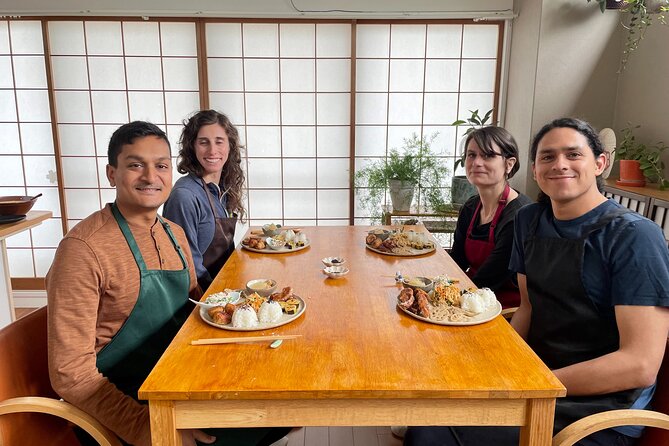
This is a private guided cooking experience in Kyoto, priced at $70.94 per person for about 2 hours 30 minutes. You’ll start at 10:00 am and finish back at the same meeting point. It’s a mobile ticket experience, and it’s located near public transportation, which matters because the listing notes that private transportation is not included.
Value-wise, I see three reasons this isn’t just “pay for a meal”:
- You get hands-on cooking with multiple dishes, not only tasting.
- Everything you need is included, from ingredients to equipment to apron and even recipes.
- You also get context via temple stops, which turns dinner into cultural learning.
A practical note: price can feel steep until you picture the full package—ingredients, equipment, instruction, and a composed plate lunch at the end. Then it starts to feel like you’re paying for a chef-led workshop plus the lunch you make.
Meeting Point and Time: Plan Your Morning So It Doesn’t Feel Rushed
You’ll meet at:
Japan, 606-8165 Kyoto, Sakyo Ward, Ichijōji Nodachō, 16 フェ어モントビル
The activity starts at 10:00 am and ends back at that meeting point.
Because there are temple stops included, I’d treat this like a small walking plan rather than a seated class only. Comfortable shoes are a smart move even if the walking time doesn’t sound huge on paper.
Also, since private transportation isn’t included, you’ll want to make your own way to the meeting point. The good news: the experience is near public transportation, so you’re not forced into taxis unless you want them.
The Temple Stops: Enkoji, Shisendo, Ginkakuji and the “Why” of Shojin-ryori
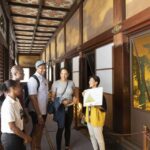
The day includes three temple stops in sequence: Enkoji Temple, Shisendo Temple, and Ginkakuji Temple. Even without overexplaining, these names carry Kyoto’s Buddhist cooking logic: food isn’t just about taste. It’s about restraint, seasonality, and balance.
Here’s what I think you’ll gain from the temple context:
- You’ll understand the ingredients as choices, not trends.
Shojin-ryori develops in a world where animal products aren’t used. That forces creativity with soybeans (tofu), grains, seaweed, and fermented foods.
- You’ll see why seasonal vegetables matter more than “fancy.”
Temple cooking traditionally respects what’s available and teaches you to make vegetables taste complete.
- You’ll get the quiet shift in expectations.
By the time you reach the cooking portion, you’re not thinking about substitutes. You’re thinking about technique and texture—exactly what Buddhist cooking demands.
A small consideration: you’re doing three temple-related stops plus cooking within about 2.5 hours. If you prefer a slower pace, plan your Kyoto day around this experience and avoid stacking it with another heavy activity immediately afterward.
Hands-On Cooking: The 7 Shojin-ryori Dishes You’ll Make (Plus Rice Balls)
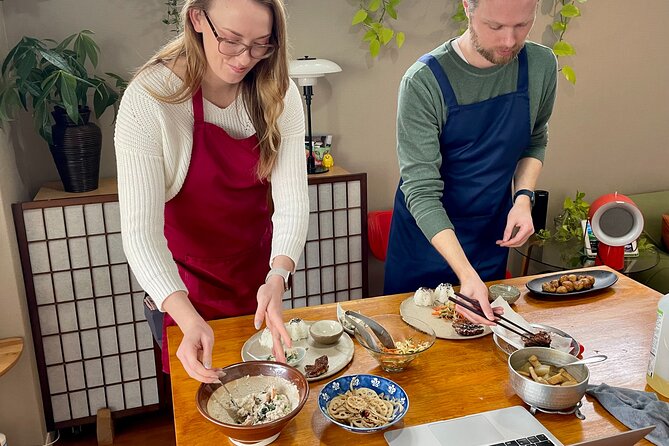
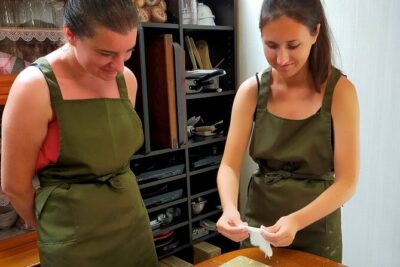
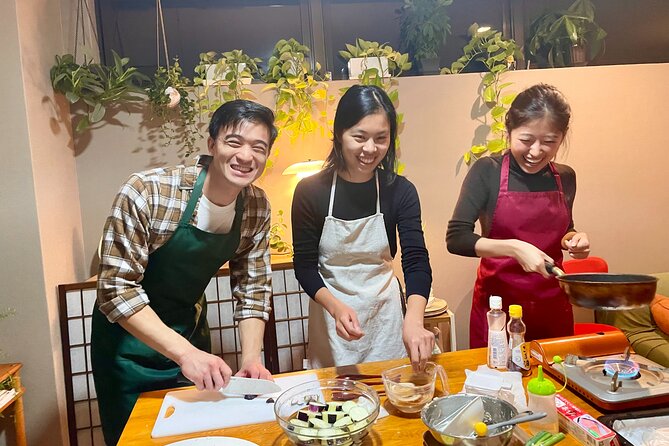
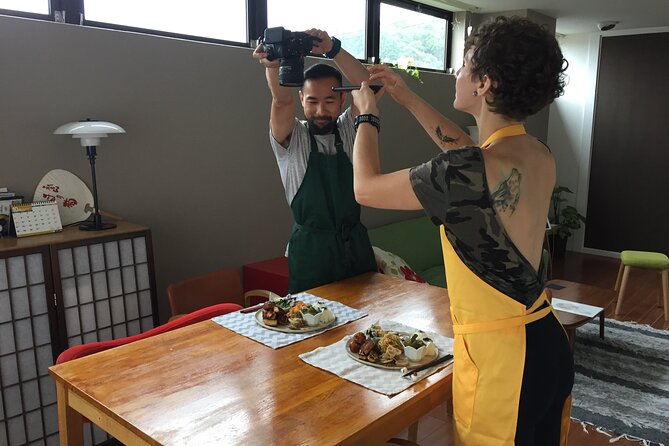
After the ingredient and tradition talk, you’ll put on aprons and start cooking hands-on. The class walks you through a set of dishes inspired by classic Buddhist cooking, with modern care for flavor.
You’ll cook 7 dishes, including:
- Simmered seasonal vegetables
- Dried strips of daikon salad
- Kinpira of lotus (braised thinly sliced lotus)
- Nasu dengaku (miso-grazed eggplant)
- Shiraae (mashed tofu salad)
- Spicy teriyaki balls
- Vegetarian fried chicken made with wheat gluten
- 2 rice balls to finish the meal
That mix is smart. It gives you multiple “skill categories” in one session:
- Miso and glaze work (nasa dengaku; also helps with teriyaki-style flavors)
- Tofu technique (shiraae shows how tofu becomes creamy, not bland)
- Braising and simmering (seasonal vegetables; kinpira of lotus)
- Texture contrast (daikon salad gives snap; fried gluten gives bite)
- Finishing with a grain-based component (rice balls tie the plate together)
You can also read our reviews of more private tours in Kyoto



If you’re gluten-free
The class notes that gluten-free is accepted, and you just need to let them know. That’s important here because one of the dishes uses wheat gluten to mimic fried chicken. If gluten-free is required, confirm early so the kitchen can adjust.
The Meal Itself: A Lunch Plate You’ll Want to Recreate
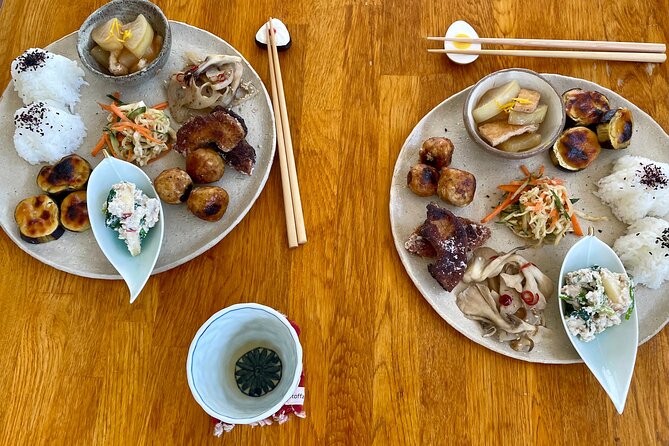
At the end, you get to enjoy a beautifully presented plate lunch (dinner)—the meal you made together. This is one of the best parts of cooking classes like this: you don’t just cook and leave. You eat what you cooked, while the flavors are still fresh and the teaching is still in your mind.
From the dish lineup, I’d expect a balanced plate:
- Vegetables that are tender but not mushy
- Miso-forward eggplant with a glossy finish
- Creamy shiraae from tofu
- A daikon salad component that keeps things bright
- A savory gluten-based fried element for a satisfying “main course” feel
- Rice balls to round it out
Also, the class includes a drink (water or tea), which makes the meal feel complete without you having to hunt for refreshments.
Yukari’s Teaching Style: Clear Steps, Good Energy, Written Recipes
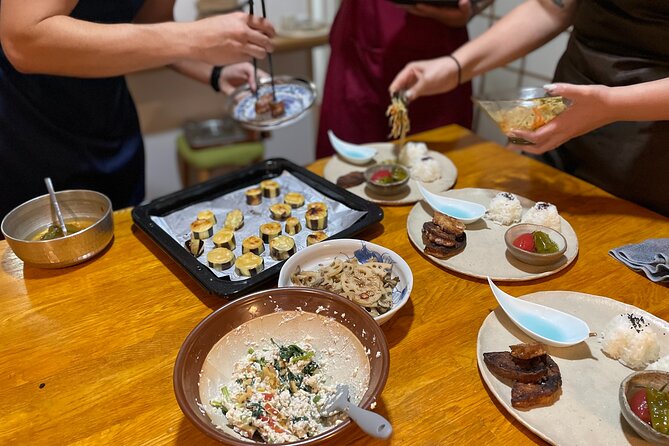
The real difference in a cooking class isn’t just the food list—it’s how instruction lands in your hands. Yukari’s approach shows up clearly in the experiences you’re likely to have.
What you can look forward to:
- Detailed, careful explanations during cooking
- A warm, welcoming host who keeps the pace comfortable
- Written recipes you can take home
Those written recipes matter more than people think. When you’re home trying to recreate shiraae or nail miso glazing on eggplant, the difference between tasting good once and cooking well again comes down to having notes you can follow.
It also helps that Yukari has a background that includes writing books and articles on aspects of Japanese food. In practice, that usually means you’ll get answers when you ask why something works, not only instructions for what to do next.
Who This Class Fits Best (and Who Might Reconsider)
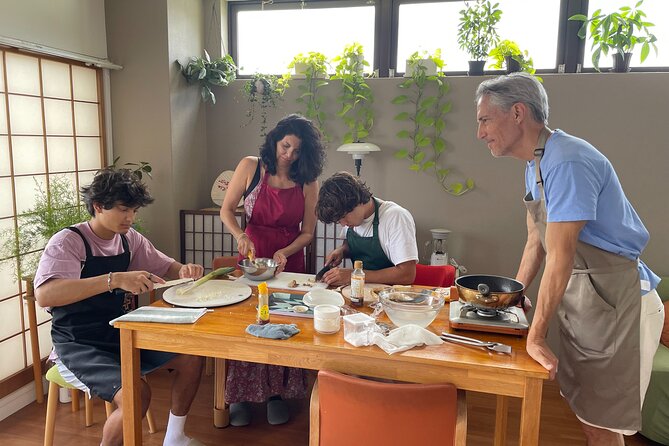
This is a strong match if:
- You like plant-based food or you want to learn vegan cooking that’s rooted in Japanese tradition.
- You want a Kyoto-specific culinary experience, not a generic sushi or noodle workshop.
- You learn best by doing, with clear steps and a structured dish lineup.
- You care about making flavors from technique—especially tofu, miso, and fermented ingredients.
It may be less ideal if:
- You hate walking or standing for short periods. Temple stops are part of the plan.
- You want only cooking and no cultural context. This experience intentionally mixes both.
- You’re not interested in vegan cooking at all. The whole point is Shojin-ryori.
Price and Value: $70.94 for a 7-Dish Workshop That Ends in Lunch
At $70.94 per person for about 2.5 hours, you’re paying for a bundled experience: temple context, guided ingredient instruction, hands-on cooking, equipment, included ingredients, and the recipes to take home. You’re also getting a real meal: you don’t leave hungry.
Compare that to:
- Paying separately for transportation to a restaurant plus a meal and then paying for another class later.
- Paying for a generic cooking class that may not cover multiple dish types or may not include ingredients and recipes.
Here, the included items reduce the “hidden costs” feeling. You get the apron and equipment too, which signals this isn’t just a casual kitchen meetup.
And because it’s private, you’re not sharing instruction with strangers. That can matter if you want your questions answered or if you’re traveling as a family.
Small Logistics That Matter on the Ground
A few practical points to keep your day smooth:
- Private transportation isn’t included, so plan your route to the meeting point using public transit.
- You’ll return to the meeting point at the end, which makes the next part of your day easier to plan.
- Service animals are allowed, so if that’s relevant for you, you can plan confidently.
- Recipes are included, and that’s a big quality-of-life benefit after you’re back in your hotel.
Should You Book This Kyoto Buddhist Cooking Class?
I think you should book it if you want a Kyoto experience that’s both hands-on and meaningful—where you learn how shojuin-style vegan cooking works through real dishes, not just substitutions. The temple stops give the flavors a reason, and the menu is varied enough that you’ll walk away with techniques you can use again: tofu salads, miso glazing, simmering, braising, and wheat-gluten “fried” texture.
Book with confidence if you like cooking classes that end with you eating what you made, and if you value written recipes.
Skip it if you want only a quick bite or you’re looking for a class that doesn’t include temple walking time and cultural context.
FAQ
How long is the Private Guided Traditional Buddhist Cooking in Japan experience?
It’s about 2 hours 30 minutes.
Is this a private tour or a shared group activity?
It’s a private tour/activity, so only your group participates.
Where does the tour start and end?
It starts at and ends back at Japan, 606-8165 Kyoto, Sakyo Ward, Ichijōji Nodachō, 16 フェアモントビル.
What time does it start?
The start time is 10:00 am.
What dishes will I be cooking?
You’ll cook 7 dishes: simmered seasonal vegetables, dried strips of daikon salad, kinpira of lotus, nasu dengaku (miso-grazed eggplant), shiraae (mashed tofu salad), spicy teriyaki balls, vegetarian fried chicken using wheat gluten, plus 2 rice balls.
Is gluten-free available?
Yes. Gluten-free is accepted if you let the host know.
What’s included in the price?
Included are lunch ingredients, a drink (water or tea), apron, all equipment, utility charges, facility fee, and recipes.
Is transportation included?
Private transportation is not included.
Are service animals allowed?
Yes, service animals are allowed.
Is free cancellation available?
Yes, you can cancel for a full refund if you cancel at least 24 hours before the experience starts.