REVIEW · KYOTO
Kyoto: Nishiki Market Tea Ceremony with Koto Performance
Book on GetYourGuide →Operated by KOTOLILY KYOTO · Bookable on GetYourGuide
Tea and music in one calm hour.
At KOTOLILY KYOTO, you learn to whisk your own matcha with clear instruction, aiming for a creamy cup that’s less bitter. Then koto music punctuates the session before and after your tea, turning a simple workshop into a small cultural pause in central Kyoto.
I also really like the human scale here. You stay in a small group (up to 8 people) with a bilingual instructor, and the live performance is part of the flow, not an add-on tacked to the end. One key consideration: the session includes tea sweets, so it’s not suitable for people with food allergies.
In This Review
- Key highlights you’ll feel right away
- Entering KOTOLILY KYOTO near Nishiki Market
- The matcha lesson: what you actually learn (and why it matters)
- The quiet magic of koto: music that fits the moment
- Kimono photos and the optional koto-playing add-on
- Price and value: what $56 buys in central Kyoto
- Timing, group size, and what to expect in the room
- Who should book this, and who should skip it
- Should you book this Kyoto tea ceremony with koto?
- FAQ
- How long is the Kyoto tea ceremony with koto performance?
- What’s included in the $56 per person price?
- Where is the meeting point?
- Is flash photography allowed?
- What languages are the instructors?
- Is there a group size limit?
- FAQ
- Can I wear a kimono for photos?
- Is a koto lesson included?
Key highlights you’ll feel right away
- Matcha that tastes the way it should: you learn how to make it creamier and less bitter, step by step
- Live koto in between the ritual: music happens before, during pauses, and after your tea
- A calm room in busy Kyoto: central location, easy access even in bad weather, but still quiet inside
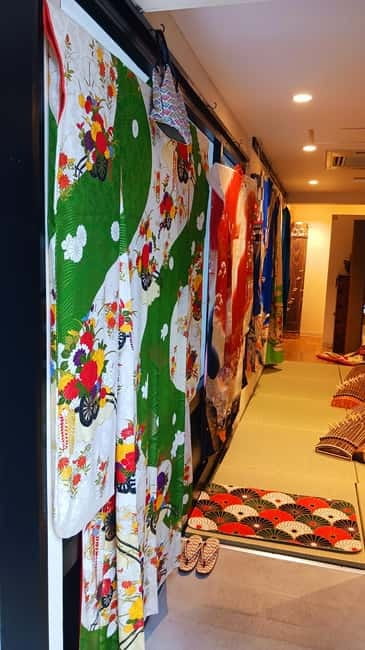
- Photo-ready kimono time (optional): you can wear a gorgeous kimono on-site for an extra fee
- Optional koto-playing add-on: you can add a short koto experience for an additional fee
- Shoes off, socks on: the studio style means you’ll likely remove shoes at the door
Entering KOTOLILY KYOTO near Nishiki Market
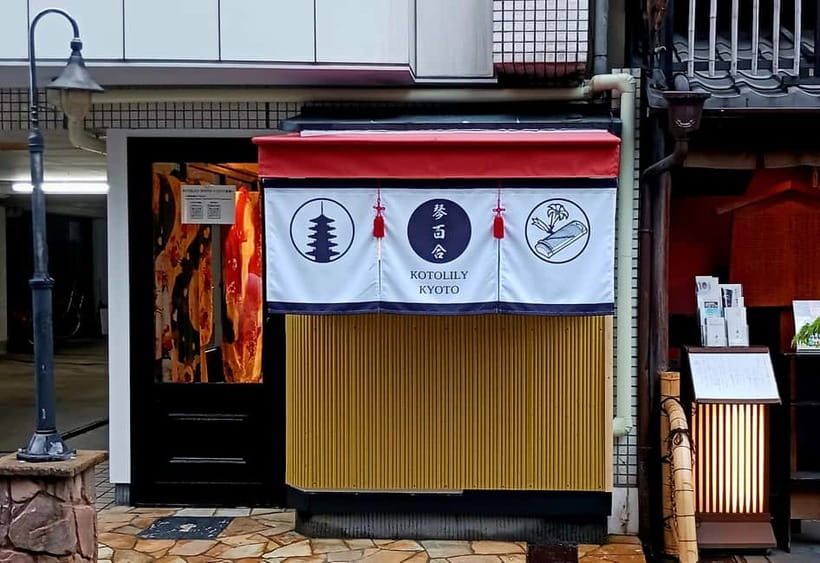
This is the kind of activity that resets your brain. Outside, Kyoto is Kyoto: shops, streets, noise. Inside KOTOLILY KYOTO, it’s a focused hour built around tea steps and quiet attention.
Getting there is straightforward, which matters because Kyoto traffic can be chaotic. Your meeting point is the shop named KOTOLILY KYOTO—come inside. It’s next to KINMATA Restaurant, and across the street from Hotel GOCO stay. Don’t wait at the hotel; go to the shop door.
I like that it’s central Kyoto and close to shopping areas. That makes it easy to pair with Nishiki Market and nearby streets afterward, since you’re not crossing town just to sit for tea.
One practical note: the session runs about 1 hour, so show up with enough time to settle in and not feel rushed. The room is a small studio setting, and that “everything is close” feeling is part of what makes the experience work.
You can also read our reviews of more shopping tours in Kyoto
The matcha lesson: what you actually learn (and why it matters)
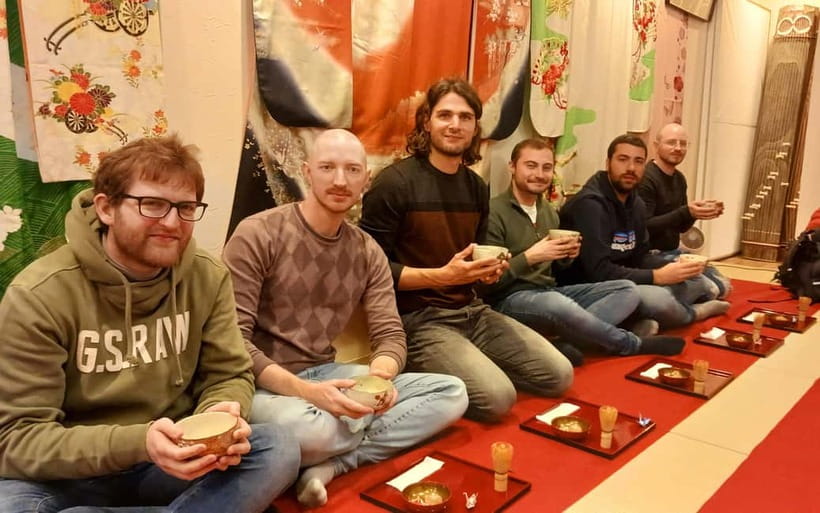
The core of the experience is matcha making. You’ll be taught to prepare matcha green tea with guidance, and the goal is a smoother, less bitter cup. That detail is important. A lot of first-time matcha experiences can taste sharp or chalky if the technique is off. Here, the instruction is there so you can get to a more pleasant texture and flavor.
You’ll also learn tea ceremony etiquette and meaning as you go. In practice, that means the host explains what you’re doing and why each step counts—so you’re not just copying motions. You’re building a sense of rhythm: whisk, observe, taste, and slow down enough to notice the changes.
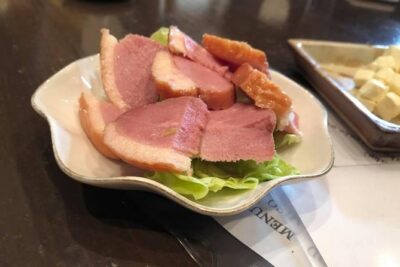
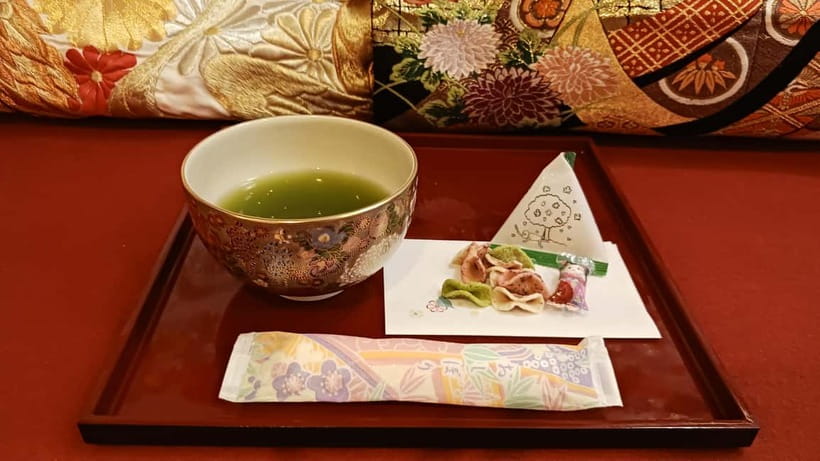
After making the matcha, you’ll have tea sweets alongside your tea. That pairing is not random. It gives you an easy way to experience balance—bitter notes, sweetness, and the calming effect of warm tea. If you love food details, you’ll probably find yourself paying attention to how the sweets change the way the tea tastes.
Don’t expect a “big stage” workshop. Think more like being shown how to make something carefully, then being allowed to do it yourself with help. With a small group up to 8, you get enough attention that your questions won’t get lost.
What to wear matters more than you think. Comfortable clothes are the call, since you’ll be in a traditional setting and likely moving through the steps at close range.
The quiet magic of koto: music that fits the moment
The koto performance is built into the session, not delivered as a separate show. You can expect live koto playing before and after the tea ceremony, and music interludes during the overall experience. In other words, the hour has different “soundtracks,” so your tea doesn’t become background noise.
This matters because koto is not loud. It’s delicate, and it works best when your attention is already on small actions—pouring, whisking, sipping. The host’s playing also comes with explanations, so you get more than pretty sound. You hear about the instrument and the context behind what you’re listening to.
In many workshops, music is either a marketing flourish or a final encore. Here, it feels integrated. That’s why people walk away mentioning both the ceremony and the music as a single experience, not two unrelated activities.
If you’re curious about Japanese arts, this is a good way to see how they connect. Tea culture is about attention and form. Koto performance is also about control, timing, and restraint. Put them together, and the hour clicks.
And yes, it’s professional-level music. Multiple recent bookings highlight how moving and beautiful the pieces were, and how often the host plays several times during the session.
Kimono photos and the optional koto-playing add-on
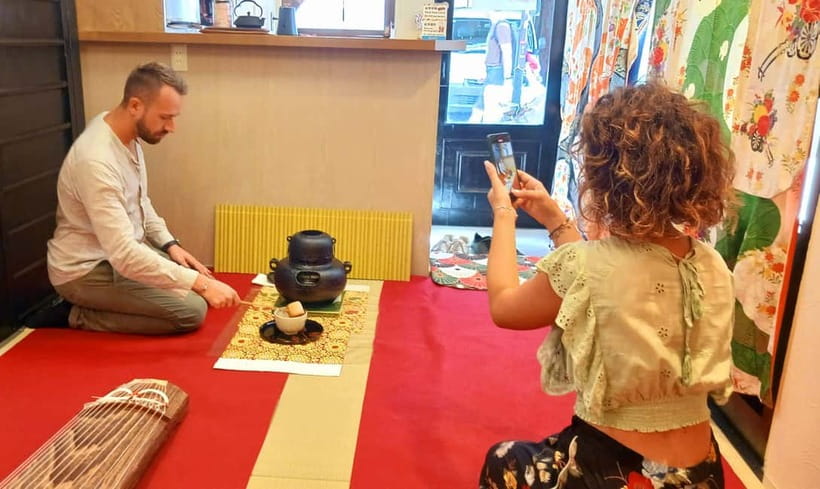
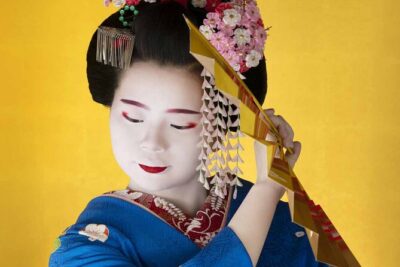
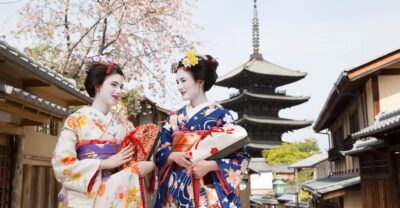
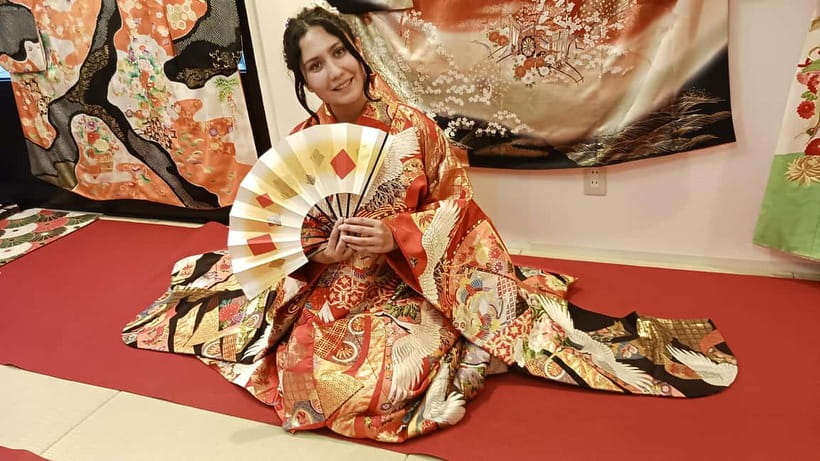
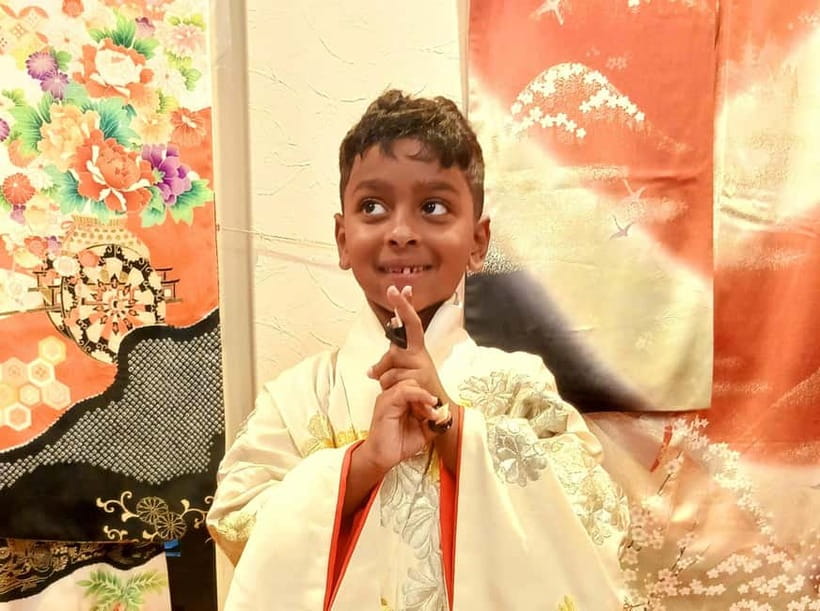
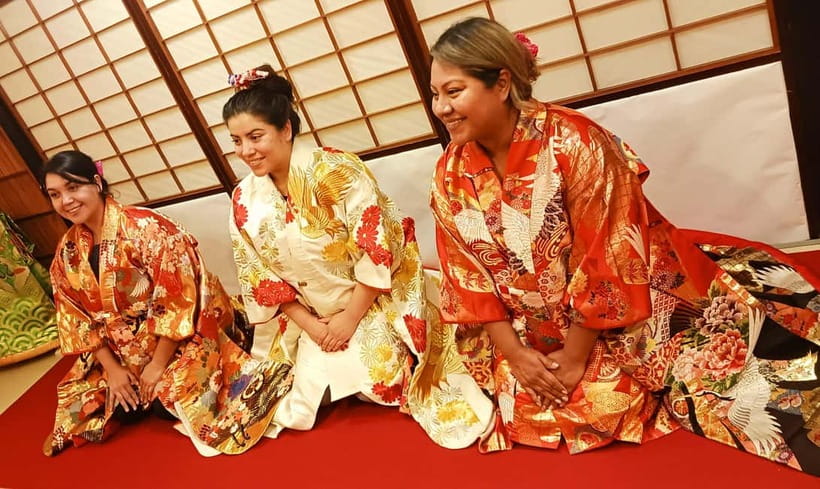
The kimono part is fun, and it’s also practical if you like taking memories that look like Kyoto instead of generic Instagram backdrops. Kimono is available on-site for an additional fee, and it’s tied to photos and videos.
Here’s the key detail: the kimono option is generally handled on-site and often happens at the end, so you focus on the tea first. Staff can help you with what’s available during your time slot, including photo/video add-ons.
If you want more than watching koto, there’s an optional add-on for koto (Japanese harp) lesson + photos/videos. That’s a good fit if you’re the type who likes hands-on learning, even for a short session.
One practical tip: if you care about photos, bring your camera as the experience encourages it, but remember no flash photography. So you’ll want steady hands and a decent camera setting for indoor light.
Also, the studio vibe affects your comfort. You may need to remove shoes, so wear fresh socks. It’s a tiny thing that can save your mood if you’re not used to Japanese-style indoor settings.
Price and value: what $56 buys in central Kyoto
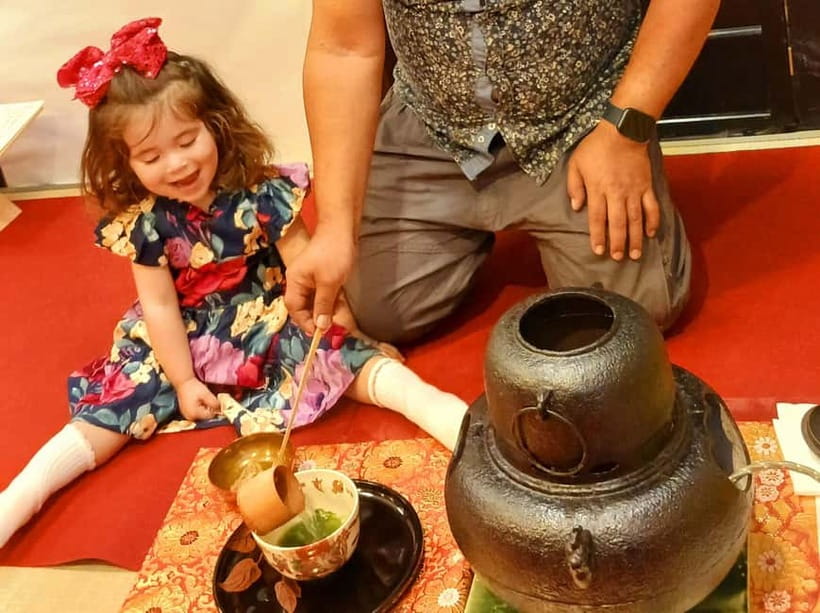
At $56 per person for a 1-hour experience, you’re paying for more than just a matcha tutorial. The price includes the tea ceremony experience, making matcha green tea, tea sweets, and a live koto performance.
So the value is in the combination:
- You actively make the tea, with guidance so the matcha comes out better
- You get live performance time, not just recorded music
- You get sweets and the full tea flow, so the tasting feels complete
- You stay in a small group, which keeps the experience personal
Optional items (kimono photos/videos and extra koto experience) are extra fees. That means the base price stays focused on the ceremony + performance.
If you’re deciding between a generic “tea show” and something more hands-on, this one leans hands-on. The matcha-making portion isn’t just watching. You whisk, you learn, you taste.
If you’re price sensitive, do the math based on your preferences. If you like tea, you’ll appreciate the technique. If you like music, the live koto is the main event alongside the ceremony. If you’re mainly after sightseeing photos, the kimono add-on is what you’ll want to budget for.
You can also read our reviews of more tours and experiences in Kyoto


Timing, group size, and what to expect in the room
Your session is about 1 hour, and it’s scheduled by availability. The group size is limited to 8 participants, which is a big deal. Small groups mean you’re not shoved into the corner like a spectator. You’ll be able to follow instructions and do the steps without constantly waiting your turn.
Languages are English and Japanese, which helps if you want to understand both the practical technique and the cultural reasons behind it. In practice, this means the host can explain clearly and keep the pace workable even if you’re new to the ritual.
Also, plan for a traditional studio rhythm. People mention being guided through the ceremony steps with calm attention. You’ll likely spend time whisking and tasting, with koto music interludes that give you a breather.
If you’re coming from Nishiki Market shopping, you’ll like the timing. It’s long enough to feel meaningful, short enough that you can still enjoy the area afterward without feeling like your whole day vanished.
Who should book this, and who should skip it
This is a great choice for couples, solo travelers, and small groups who want a break from Kyoto walking. It’s especially appealing if you want both:
- an educational cultural moment (matcha + etiquette)
- and a live art performance (koto)
It’s also a strong pick if you like calm, structured experiences. You’re not doing a scavenger hunt or sprinting between stops. You’re sitting, learning, tasting, and listening.
Skip it if you fall into any of the stated limitations:
- Children under 8 are not suitable
- Wheelchair users are not suitable
- People with food allergies are not suitable
And if you’re a photo person, double-check your style. You’ll be taking photos, but flash is not allowed, so don’t count on bright flash shots indoors.
Finally, bring comfortable clothes and be ready to follow the room rules. A small detail like shoes off can make the difference between feeling relaxed and feeling self-conscious.
Should you book this Kyoto tea ceremony with koto?
If you want a real Kyoto cultural moment that stays small, focused, and hands-on, I’d book it. The biggest draw for you will be the combination: you make matcha yourself, then you get live koto music in multiple moments during the hour.
This is also a smart decision if you’re short on time. At one hour, it’s not a half-day commitment, yet it feels complete because sweets, music, and instruction are all part of the same flow.
I’d consider skipping only if food allergies affect you, or if you’re uncomfortable with the traditional indoor setup (including the likelihood of removing shoes). Otherwise, it’s exactly the kind of ticket you buy for the feeling of stillness you’ll remember later, not just the photos you’ll post.
FAQ
How long is the Kyoto tea ceremony with koto performance?
The experience lasts about 1 hour.
What’s included in the $56 per person price?
The price includes the tea ceremony experience, matcha green tea making, tea sweets, and a live koto (Japanese harp) performance.
Where is the meeting point?
Meet at KOTOLILY KYOTO. Come inside the shop next to KINMATA Restaurant, opposite the street from Hotel GOCO stay. Do not wait at the hotel.
Is flash photography allowed?
No. Flash photography is not allowed during the experience.
What languages are the instructors?
The instruction is available in English and Japanese.
Is there a group size limit?
Yes. It’s a small group limited to 8 participants.
FAQ
Can I wear a kimono for photos?
Yes. Kimono is available on-site for a fee, and photos/videos are handled by the staff during the experience.
Is a koto lesson included?
A live koto performance is included, but a koto-playing experience (lesson) is an optional add-on available for an additional fee at the location.