REVIEW · KYOTO
Gion Walking Tour by Night
Book on Viator →Operated by WaRaiDo Guide Networks · Bookable on Viator
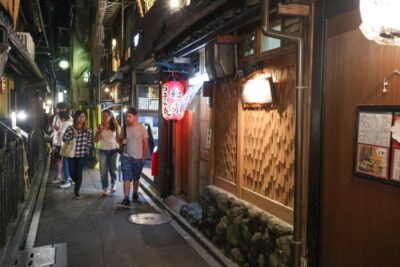
Gion at night can feel like a maze. This walking tour keeps you pointed the right way through Gion’s narrow lanes, while your guide explains the real life of geiko and maiko—and shows you areas tied to Memoirs of a Geisha near the Shirakawa River.
I especially love the street-smart route and the fact that you’re not wandering in the dark, guessing which alley leads back to the main streets. I also love the cultural payoff: you get clear, practical explanations of kimono, hairstyles, makeup, and daily routines, plus help translating the differences between terms like maiko and geiko.
One possible drawback: it’s a group walk, and even though the max size is capped, the experience can still feel crowded if you end up in a larger-than-ideal group.
In This Review
- Key things I’d watch for
- Finding Gion Night Magic Without Getting Lost
- The 5:30 pm Start: Timing that Lets You See More
- Where the Tour Takes You: Gion’s Lanes by the Shirakawa River
- Geiko, Maiko, and What to Notice in Real Time
- Seeing Geiko and Maiko: The Odds (and the Etiquette)
- Stop-by-Stop: What the Two Hours Actually Do
- Price and Value: Why $19.82 Can Work
- Who This Tour Fits Best (and Who Might Skip It)
- Should You Book This Gion Night Walk?
- FAQ
- What time does the Gion Walking Tour by Night start?
- Where does the tour meet?
- How long is the tour?
- What’s included in the ticket price?
- Is transportation or hotel pickup included?
- What happens if weather is poor?
Key things I’d watch for
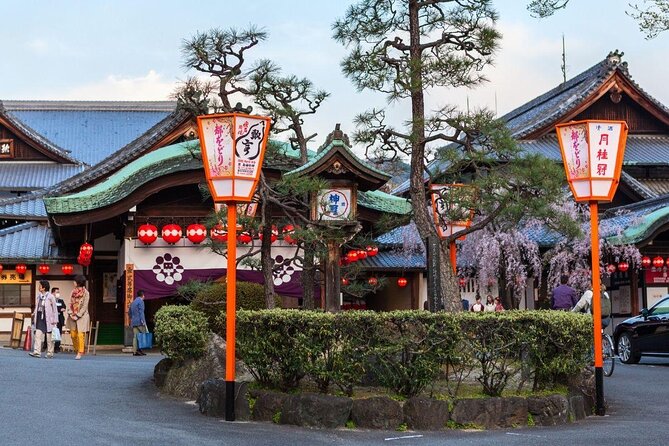
- English-speaking guidance that helps you understand what you’re seeing, not just where to stand
- Avoiding dead-end alleyways in Gion’s unmarked lanes after dark
- Shirakawa River cobblestones and the night atmosphere that matches the area’s famous film look
- Geiko vs maiko explanations you can actually use when you see someone in traditional dress
- Good odds of sightings of geiko and maiko on the walk, depending on the evening
Finding Gion Night Magic Without Getting Lost
Kyoto’s Gion is one of those places that looks simple on a map and then proves you wrong in real life. At night, the lanes are narrower, the signs are easier to miss, and every side street starts to look like the same one. That’s exactly why this tour is built around navigation. You’re not just sightseeing—you’re being led.
This is also a good way to get oriented fast on a short trip to Kyoto. The tour runs about 2 hours, starting at 5:30 pm, so you’re in the district while it transitions into that after-dark glow. If you’re tired from daytime travel, it’s a focused way to spend an evening without planning your route block by block.
The guide part matters here. Several guides named in reviews—like Mia, Mai, Cheko, and Mae—are praised for humor, making the walk feel fun, and keeping the pace reasonable. That doesn’t mean you’ll never move at a walk-walk pace, but it does mean the tour doesn’t feel like a rushed lecture.
You can also read our reviews of more walking tours in Kyoto


The 5:30 pm Start: Timing that Lets You See More
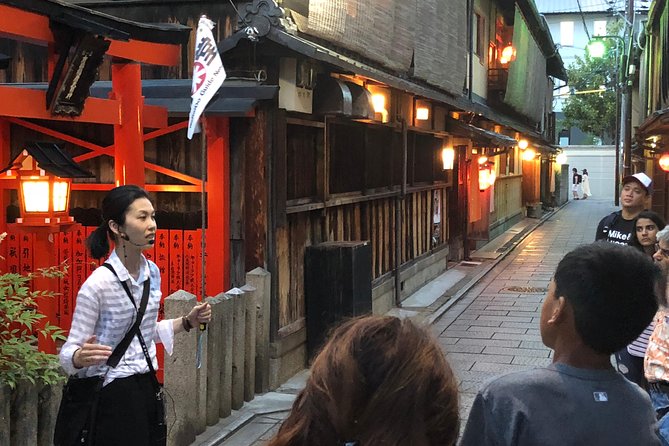
This walk starts early enough to catch Gion at its best, without forcing you to stay out super late. You’ll begin at 5:30 pm, and the guide’s reception starts at 5:00 pm. The important practical point: they won’t wait for late arrivals or respond if you’re running behind.
So plan to arrive a little early—especially because the meeting address is specific: 178 Tokiwachō, Higashiyama Ward, Kyoto. If you’re coming by transit, give yourself buffer time, then treat the first 10 minutes like part of the experience. You’ll relax more, and you won’t spend the beginning searching around.
Also note the weather requirement. This tour requires good weather, so if rain or poor conditions hit, expect a date change or a full refund option. For a night tour in Japan, that’s normal, but it’s still worth building in flexibility.
Where the Tour Takes You: Gion’s Lanes by the Shirakawa River
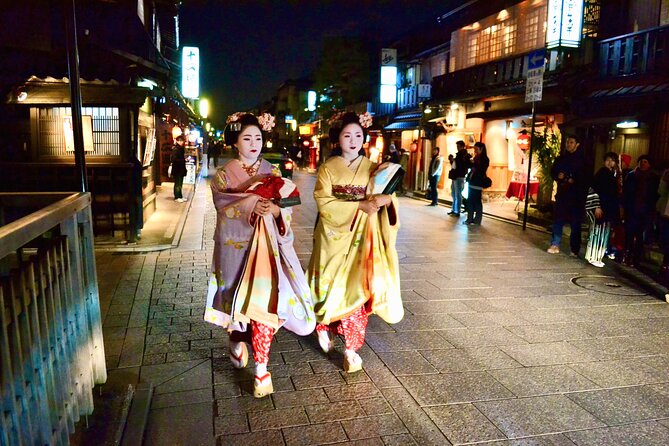
The main experience is a guided walk through Gion, starting with hidden streets and moving along classic lanes near the Shirakawa River. The river area is part of why Gion feels so cinematic. It’s also the setting people connect to the look and mood from Memoirs of a Geisha.
During the walk, your guide points out details that are easy to miss on your own. It’s not just “here’s a street, here’s a bridge.” You’re learning how the district works—where sight lines are, how the lanes connect, and what to notice when someone is dressed in traditional attire.
In practice, the value is speed. You get a structured route in about two hours, which is a big deal if you only have one evening free. And because it’s a guided night walk, you’re less likely to spend the best parts of the evening stuck at the wrong intersection.
Geiko, Maiko, and What to Notice in Real Time
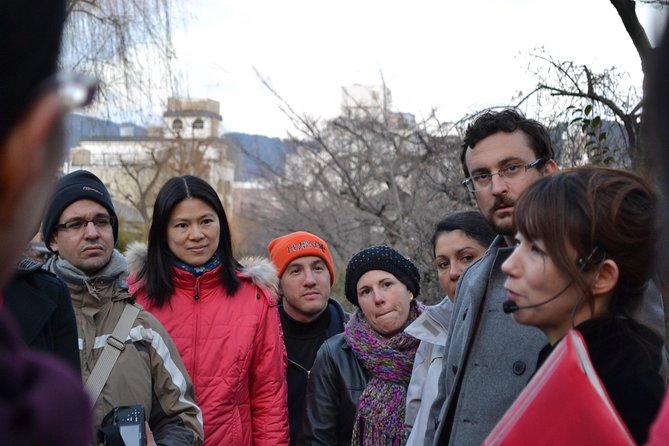
This is the cultural core of the tour. You’ll learn the difference between maiko and geiko, and why people dress and behave the way they do in Gion. The explanations cover things you can actually look for: traditional kimono, hairstyle styles, makeup, and the kind of daily routines that shape the world you’re walking through.
What makes this useful is that it turns the district from scenery into a living system. Instead of thinking of Gion as a single “geisha district,” you start understanding it as a set of roles, training paths, and traditions. Your guide also helps with translation, which removes the stress of trying to interpret everything on your own.
If you spot someone in traditional dress, you’ll be better prepared to make sense of what you’re seeing. That doesn’t guarantee you’ll identify every person correctly, but it gives you a framework. And once you have that framework, the whole experience feels more respectful and more interesting.
Seeing Geiko and Maiko: The Odds (and the Etiquette)

One theme in the reviews is luck with sightings—people mention spotting geiko and maiko on the walk. You shouldn’t treat that as guaranteed, because nightlife schedules vary. But the tour routing and timing do give you chances, since you’re covering the right parts of the district after dark.
What you can control is your behavior. If you do see someone, your guide’s explanations about tradition and the general rules of how to treat people in this world will matter more than getting a perfect photo. A good guide will keep the group moving carefully and explain what’s respectful in the moment.
The practical payoff: you’re not just chasing a photo. You’re learning how to watch. That shift alone is why I think this tour earns its spot as a “first night in Kyoto” type activity.
You can also read our reviews of more evening experiences in Kyoto





Stop-by-Stop: What the Two Hours Actually Do
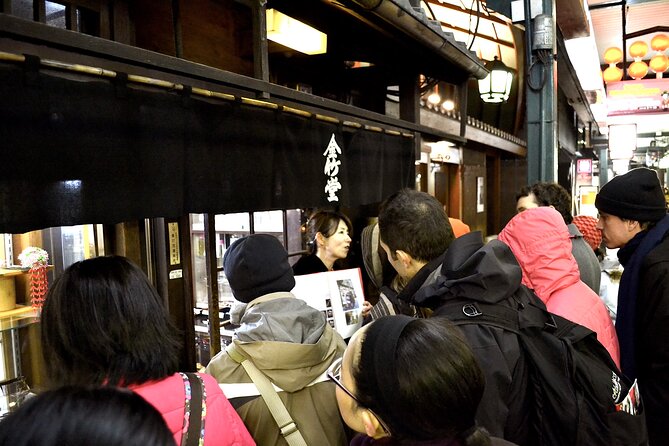
This tour is focused and simple: one main stop, Gion, with a guided route through lanes near the Shirakawa River and key viewpoints tied to the district’s fame.
You’ll start exploring the narrow streets during the 2-hour window. Along the way, you’ll get stories and context about geisha history, plus practical explanations about kimono, hairstyles, makeup, and day-to-day life. Your guide also helps you understand how the district functions, including the kind of rules and customs you’d never get from a standard map.
The big “stop” here is really the rhythm: walk, pause, look, listen, then move again. That rhythm works well at night because it gives you time to actually see details before you’re back in motion.
A small consideration: the pace can be brisk enough that comfortable shoes matter. Reviews repeatedly point that out—this isn’t a slow, sit-and-chat style tour.
Price and Value: Why $19.82 Can Work
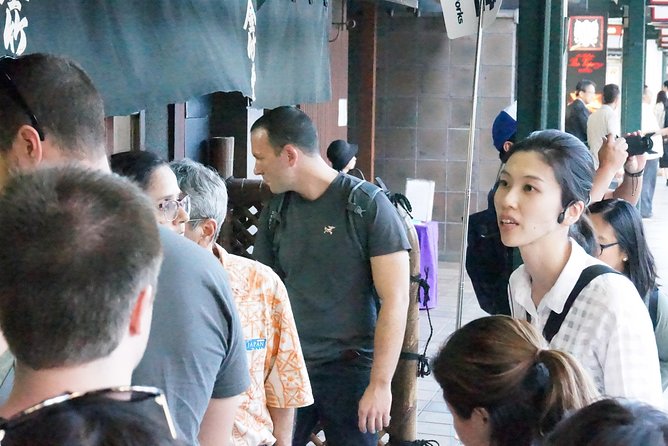
At $19.82 per person for a roughly 2-hour guided walk, this can be great value—especially if it helps you avoid the most common Kyoto beginner problem: getting turned around and losing time. The tour also includes a professional, English-speaking guide, and the experience lists free admission (so you’re mostly paying for the guide time and cultural context).
You’re also buying something you can’t easily DIY. You can walk Gion on your own, sure, but a guide gives you the explanations while you’re in the exact place where the details make sense. That’s the difference between “I walked through Gion” and “I understood what I was looking at.”
Group size affects value, though. The tour is capped at 20 travelers maximum overall, and each booking is limited to 15 passengers. There’s also a small-group option under 12 guests for a different price. If you hate crowds or want more Q&A, the smaller group option is the smarter pick.
Who This Tour Fits Best (and Who Might Skip It)
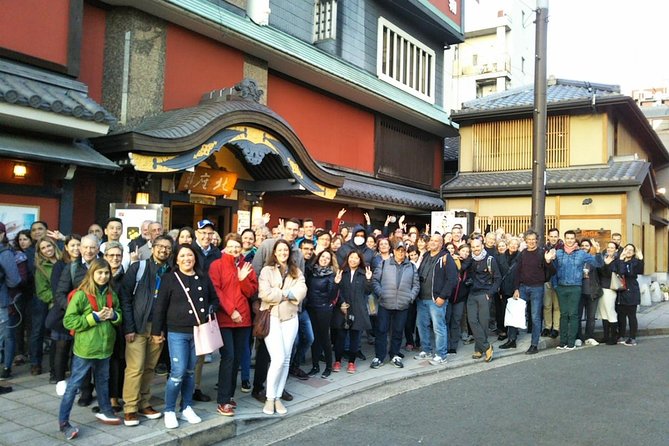
This tour is a strong fit if you want an easy entry into Gion without planning every turn. It also suits you if you care about culture and want clarity on geiko/maiko terms and what to look for in traditional attire.
It’s also a good option if you’ll be doing other Kyoto sights in the daytime and you want your evening to be low-stress. The start time and end point are straightforward: it starts at the meeting location and ends back at the same spot.
Skip it or consider something else if you:
- want a totally flexible, stop-anywhere pace (this is still a guided group walk)
- dislike crowded group tours, since even the capped numbers can feel big at times
- have serious medical conditions, since the tour is described as needing moderate physical fitness
Should You Book This Gion Night Walk?
I’d book it if you want a fun, structured way to see Gion at night and you value explanations you can use immediately while you’re there. The guide-led navigation is the real selling point, and the geiko/maiko breakdown is what turns the walk into more than just photos.
If you’re on a tight schedule, this is also one of the easier cultural choices: two hours, one district, clear focus. And if you can choose the smaller group option, do it—it’s the easiest way to get more personal attention during the questions.
If you love DIY travel and already feel confident navigating Kyoto streets, you might manage without a guide. But if you want the night atmosphere plus cultural context in one package, this tour is an excellent use of an evening.
FAQ
What time does the Gion Walking Tour by Night start?
The tour starts at 5:30 pm. Reception begins at 5:00 pm, and the guide cannot wait for late arrivals.
Where does the tour meet?
The meeting point is at 178 Tokiwachō, Higashiyama Ward, Kyoto, 605-0079, Japan.
How long is the tour?
The duration is about 2 hours.
What’s included in the ticket price?
You get a professional, English-speaking guide. Admission ticket is listed as free, and there’s a mobile ticket.
Is transportation or hotel pickup included?
No. Transportation to and from attractions, and hotel pickup/drop-off, are not included.
What happens if weather is poor?
This tour requires good weather. If it’s canceled due to poor weather, you’ll be offered a different date or a full refund.