REVIEW · KYOTO
Kyoto : Okada Tea Ceremony & Kimono
Book on Viator →Operated by OKADA Japan Culture Center · Bookable on Viator
Two hours can change how you see Kyoto. Choose a kimono, get dressed, then settle into a tea ceremony with matcha and sweets, all near Kiyomizu-michi. It is tradition, but made practical for a real day of sightseeing.
I love how the staff guide you through the kimono piece by piece, so you know what you are wearing, not just how to pose in it. I also like the focus on tea culture—you are taught tea customs and the meaning behind them, right as you enjoy the ceremony.
One thing to plan for: you are in your kimono until 6:00 PM, so comfort and timing matter more than you might expect. If your day is built around sprinting between major sights, this experience will set the pace for you.
In This Review
- Key highlights worth your time
- A single ticket that ties Kyoto together
- Finding OKADA: 30 seconds from Kiyomizu-michi
- Choosing a kimono that actually feels like Kyoto
- The tea ceremony: matcha, sweets, and the meaning behind it
- Why keeping the kimono until 6:00 PM changes the day
- Small-group comfort: what “max 4 travelers” really means
- Price and value: what you are really paying for
- Who should book this Kyoto kimono and tea ceremony
- Quick practical tips to make it smoother
- Should you book Okada Tea Ceremony & Kimono?
- FAQ
- How long is the Kyoto Okada Tea Ceremony & Kimono experience?
- What does the tour include?
- How long can I keep the kimono after the ceremony?
- Where do I meet for the experience?
- How many people are in the group?
- What is the cancellation policy?
Key highlights worth your time
- Kimono fitting plus simple hairstyling in the same flow as the tea ceremony
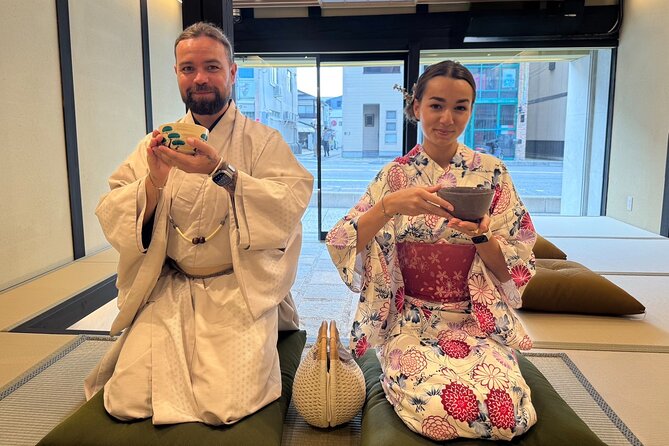
- A one-hour tea ceremony with matcha and sweets, taught in plain language
- Small group size (max 4 travelers) for a calmer, more personal experience
- Okada’s attentive hosting, including taking photos during the ceremony
- Kimono pickup location right by the tea venue, plus a short walk from Kiyomizu-michi bus stop
- Kimono return by 6:00 PM, giving you real time to stroll afterward
A single ticket that ties Kyoto together
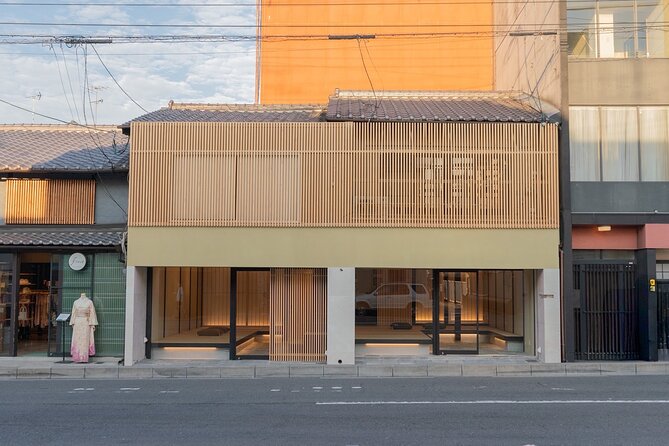
This is one of those Kyoto experiences where the parts actually match each other. You start with the kimono and hairstyling, then shift straight into a tea ceremony. No extra travel after dressing means less hassle and more time enjoying the moment.
The biggest value isn’t just that you get matcha—it is the way the experience connects costume, etiquette, and meaning. Tea culture can feel like “just a performance” in other settings. Here, you learn the ideas behind the customs while you are sitting down for the ritual itself.
And because the group is limited to four travelers, you are less likely to feel pushed along. You get time to ask questions and take in what is happening around you.
You can also read our reviews of more tours and experiences in Kyoto.



Finding OKADA: 30 seconds from Kiyomizu-michi
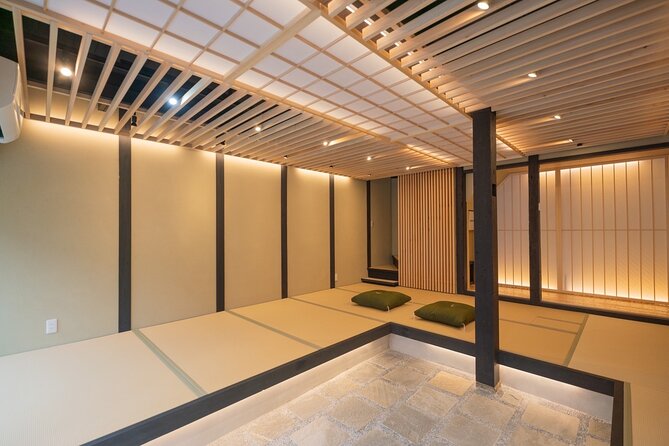
The meeting point is 岡田-OKADA-102 Tatsumichō, Higashiyama Ward, Kyoto, 605-0855, Japan. The kimono shop is right next to the tea ceremony venue, so after you get dressed, you can proceed without crossing town or catching another ride.
It is also a very short walk (about 30 seconds) from the “Kiyomizu-michi” bus stop, which matters in Kyoto. Bus delays happen. Walking that last bit is simple, and it makes the experience feel less like a “logistics project.”
The tour ends back at the meeting point. That is nice if you are trying to keep the rest of your day flexible—especially around Higashiyama’s traffic patterns.
Choosing a kimono that actually feels like Kyoto
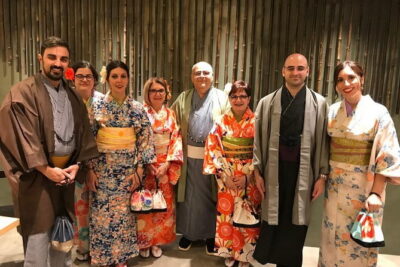
Before the tea ceremony, you spend about 1 to 1.5 hours on kimono selection and getting dressed. This isn’t just picking a color and moving on. The process includes getting into the kimono correctly and adding simple hairstyling, which helps the whole look feel finished.
What I like about this setup is that it slows things down in a good way. In a place like Kyoto, everything can feel rushed—temples, lanes, crowds. Dressing first means you mentally switch modes. You start paying attention to details, and the tea ceremony later lands harder because you are already in that mindset.
A standout detail from the experience description: the kimono rental shop is positioned so you can go straight from dressing into the tea. That reduces the awkward period where your outfit is done but you are still waiting.
The tea ceremony: matcha, sweets, and the meaning behind it
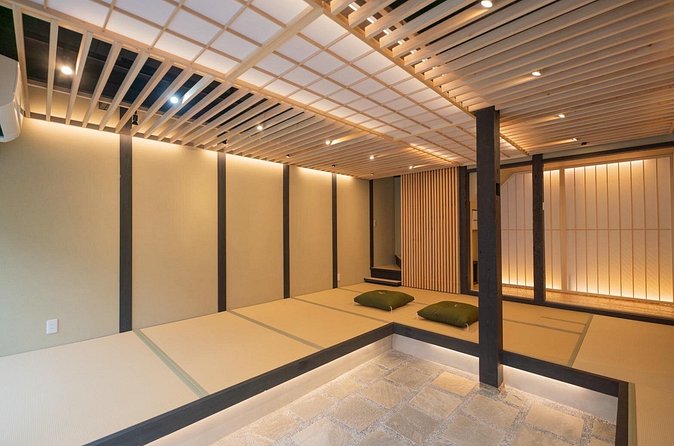
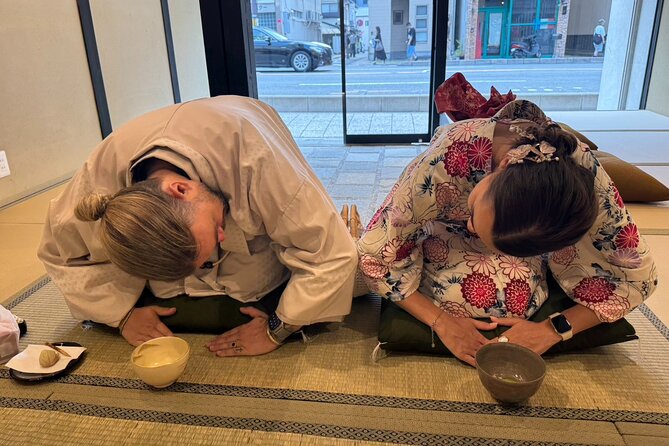
The tea ceremony itself lasts about 1 hour. You learn tea culture as you enjoy matcha and sweets. That combination is key: the lesson isn’t purely theoretical. You can connect the explanations to what you are tasting and seeing.
From the feedback, one thing people consistently value is how the host stays attentive and thoughtful. Okada is mentioned by name, and guests highlight the way the host explains history and customs in a way that actually helps you understand what you are doing. That is the difference between “watching tea” and learning the logic behind the ritual.
Another nice touch: photos. One guest specifically noted that Okada took photos while the group was in kimonos. Even if you are traveling with friends, having someone else capture the moment saves time and stress. You also do not have to keep stepping away from the ceremony to chase the right angle.
And yes, it is an experience, not a lecture. Expect to sit, receive the tea, and learn as part of the flow. If you like cultural etiquette that has a purpose—like how gestures, timing, and presentation communicate respect—you will probably enjoy this section most.
Why keeping the kimono until 6:00 PM changes the day
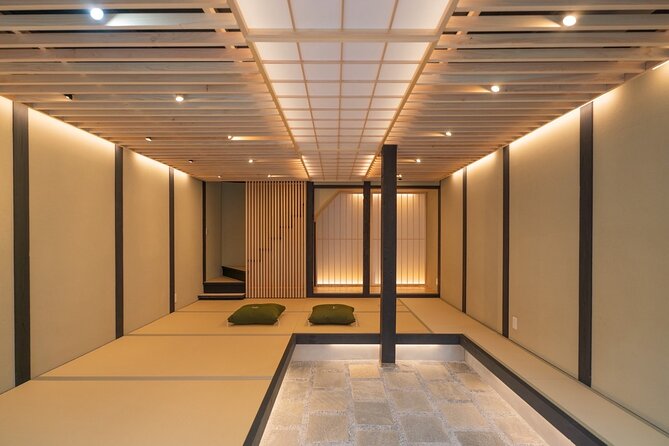
This is where the experience stops being a “ticket activity” and becomes part of your Kyoto itinerary. You can keep the kimono until 6:00 PM to explore nearby and stroll.
That matters for two reasons:
1) You get time to absorb Kyoto at a human pace. Wearing a kimono naturally encourages slower movement and better looking.
2) You do not lose the outfit right after the ceremony. Many rentals have a strict quick-return window. Here, the evening gives you more flexibility.
Also, the logistics support this. Because the shop and tea venue are together, you do not spend your limited free time wandering around to change back out of your outfit. It feels like one continuous experience.
Practical note: plan your evening walking around comfort. Kimono footwear and fit can be different from regular shoes, and long distances can tire you out. If you want to pack your day with big sightseeing miles, you might feel the tradeoff.

Small-group comfort: what “max 4 travelers” really means
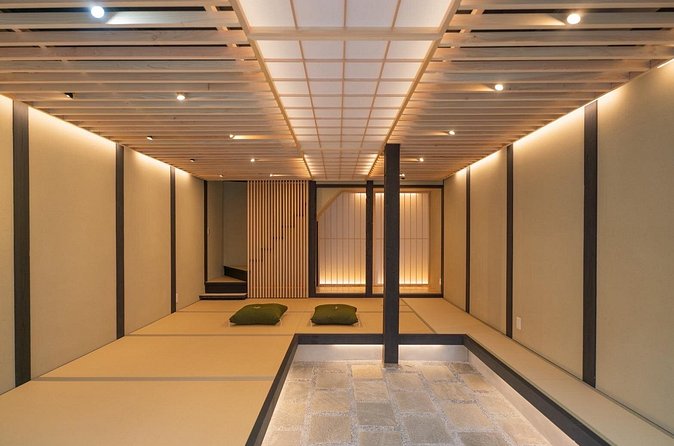
A maximum of four travelers sounds like a detail, but it changes the tone. In larger groups, it is easy for people to feel like they are part of a schedule. In a small group, the host can watch what is going on and adjust how the explanation is delivered.
From the feedback, attention and patience come up more than once, including the way the host interacts during the ceremony. That makes this a strong choice for anyone who learns best by asking questions or who just wants a calmer pace.
If you are traveling with kids, that can be a big deal. One guest mentioned that this was one of the few tea houses that accepted them with a 3-year-old. That does not guarantee every situation, but it does suggest the environment can be practical, not rigidly formal.
Price and value: what you are really paying for
At $84.70 per person for about 2 hours 30 minutes, you are paying for more than matcha. You are paying for a full package:
- Kimono rental and dressing time (1–1.5 hours)
- Simple hairstyling
- A 1-hour tea ceremony with matcha and sweets
- Time to wear the kimono until 6:00 PM
- A location setup where the kimono shop is next to the tea venue
The value is strongest if you planned to do a tea ceremony anyway and also wanted a kimono moment. If you were only looking for a quick tea stop, the kimono add-on might feel like extra. But if you want the full Kyoto feel—costume first, then etiquette and tea—this is a clean bundle.
Mobile ticket support can also make the experience easier on arrival. Still, the real value is the time structure: you get both culture and sightseeing dressing-friendly pacing.
Who should book this Kyoto kimono and tea ceremony
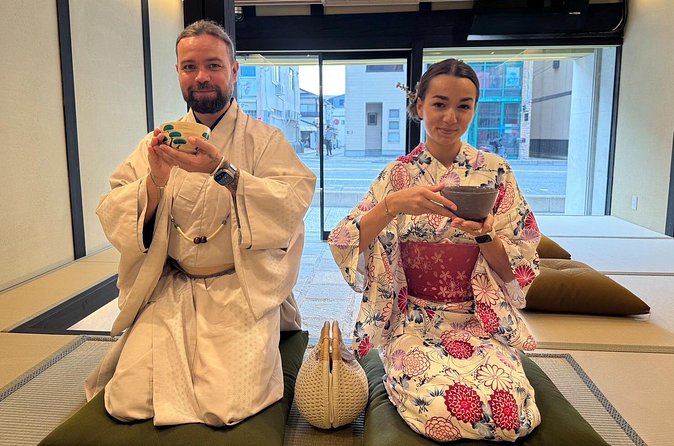
This experience fits best if you want a structured, guided cultural activity that does not eat half a day. The duration—about 2.5 hours—is long enough to matter, but short enough to keep your afternoon plan alive.
It is also ideal if you like hands-on learning:
- You choose and get dressed in a kimono
- You sit for a guided ceremony
- You learn the meaning behind customs
- You get photos and then you continue wearing the kimono afterward
If you are the type who cares about etiquette, symbolism, and how everyday traditions were built, you will likely connect with the tea culture explanations.
Who might reconsider:
- If you hate dressing up or have limited patience for clothing steps.
- If you plan to walk nonstop for hours. The kimono experience is rewarding, but it can be less comfortable than normal travel clothes for long distances.
- If your day is already extremely tightly scheduled, because you will be in kimono through 6:00 PM.
Quick practical tips to make it smoother
A few small things can make this day feel effortless.
Wear shoes you can remove and put back on comfortably, since kimono dressing can involve changing footwear. If you are sensitive to heat or cool air, consider layers under your kimono so you stay comfortable without messing up the look.
Bring a bit of buffer time around your start. Even with the short walk from the bus stop, Kyoto travel timing can be unpredictable. If you arrive stressed, it shows up in how you experience tea.
And if you want photos, ask when it makes sense in the flow. One of the strengths of this experience is that the host can take pictures for you, so you do not have to interrupt your group’s moment.
Should you book Okada Tea Ceremony & Kimono?
Book it if you want a Kyoto experience that links kimono dressing, tea culture education, and real sightseeing time afterward. The combination of kimono until 6:00 PM, a one-hour guided tea ceremony, and a small group of up to four makes it feel personal rather than rushed.
Skip it (or at least think twice) if you are mainly hunting for a quick stop. This is a “do the whole thing” experience. You will be in costume, then you will explore in costume, and that is the point.
FAQ
How long is the Kyoto Okada Tea Ceremony & Kimono experience?
The experience is approximately 2 hours 30 minutes.
What does the tour include?
You choose your kimono and get dressed with simple hairstyling, then enjoy a 1-hour tea ceremony where you learn tea culture and enjoy matcha and sweets.
How long can I keep the kimono after the ceremony?
You can keep the kimono until 6:00 PM to explore and stroll nearby.
Where do I meet for the experience?
The start location is 岡田-OKADA-102 Tatsumichō, Higashiyama Ward, Kyoto, 605-0855, Japan.
How many people are in the group?
This activity has a maximum of 4 travelers.
What is the cancellation policy?
You can cancel for a full refund up to 24 hours in advance of the experience’s start time, based on local time. Free cancellation is available.