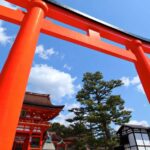
A quiet temple detour makes Arashiyama feel personal. This 4-hour Kyoto Arashiyama tour strings together iconic sights with calmer spots, guided explanations included, so you get the why behind what you see. I especially like the small group size (up to 8) for easy questions, and the guide-led navigation that saves you from zigzagging on a time-crunched visit. One thing to weigh: there’s a moderate amount of walking, so comfortable shoes matter.
You’ll visit atmospheric temples such as Otagi Nenbutsu-ji, Adashino Nenbutsu-ji, and Jōjakkō-ji, plus photo-friendly stops like the Bamboo Forest and Togetsukyo Bridge. I also like the practical rhythm of the day: short temple stays, a drink break at Sabou Sagano, and enough viewpoint time to actually look around. If you’re coming on a Wednesday, one itinerary element changes, so check the day-of temple swap.
In This Review
- Key Highlights You’ll Feel Right Away
- Why This 4-Hour Arashiyama Plan Works
- Meeting Point and Timing: Start Your Day Without Stress
- Otagi Nenbutsu-ji: 1,200+ Stone Rakan Statues in a Calm Setting
- Adashino Nenbutsu-ji: The Wednesday Replacement (And the Story Behind It)
- Saga Toriimoto Preserved Street: A Historic Walk with Mountain Views
- Sabou Sagano Drink Break: Keep Your Energy for the Classics
- Jōjakkō-ji, Mikami Shrine, and Ogura Pond: Quiet Spots That Feel Like Kyoto’s Pause Button
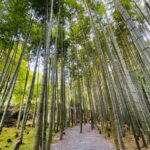
- Bamboo Forest Street: The Photo Spot You’ll Actually Enjoy If You Slow Down
- Togetsukyo Bridge: River Views That Anchor the Whole Area
- Price and Value: Is $79.07 a Fair Deal?
- Best Season for Arashiyama: Aim for Spring or Autumn
- Who This Tour Suits (and Who Might Prefer Something Else)
- Should You Book This Arashiyama Tour or DIY It?
- FAQ
- Is this tour a small-group experience?
- How long is the Arashiyama tour?
- Where does the tour start and end?
- What temples and sights are included?
- What happens if I book for a Wednesday?
- Do I need to bring money for transportation?
- Is there any walking involved?
- What’s the cancellation policy?
- Quick Verdict: Should You Book?
Key Highlights You’ll Feel Right Away
- Up to 8 people means your questions actually get answered, not just nodded at.
- Guide-led route saves time finding the right streets in Arashiyama.
- Otagi Nenbutsu-ji’s rakan statues: over 1,200 stone figures with distinct looks.
- Wednesday swap: Adashino replaces Otagi when Otagi is closed.
- Bamboo Forest photo spot plus Togetsukyo Bridge for classic river-and-mountain views.
- Drink included at Sabou Sagano (coffee, tea, or juice), so you’re not hunting mid-walk.
Why This 4-Hour Arashiyama Plan Works
Arashiyama can swallow a day. Between the Bamboo Forest crowds and the scattered temples, you can easily lose time deciding what’s next.
This tour keeps things tight and intentional. In about 4 hours, you hit major landmarks plus quieter spiritual stops, all with a guide explaining what you’re seeing along the way.
And because it’s capped at a small group size, the tour doesn’t feel like a race. It feels like someone local is helping you make sense of the area.
You can also read our reviews of more tours and experiences in Kyoto.
Meeting Point and Timing: Start Your Day Without Stress
The tour starts at 9:30 am at Hannari Hokkori Square (20 Sagatenryūji Tsukurimichichō, Ukyo Ward). It ends at the Site of Kotokiki Bridge in the same neighborhood area, so you’re not forced to backtrack all the way to where you started.
You’ll get a mobile ticket, which is handy in Japan where every minute matters. Confirmation comes at booking time, and the tour runs rain or shine.
One practical note: bus fee is excluded. Bring an IC card or ¥230 in coins, since that’s specifically called out for you to prepare.
Otagi Nenbutsu-ji: 1,200+ Stone Rakan Statues in a Calm Setting
Your first stop is Otagi Nenbutsu-ji Temple. This is the kind of place that feels like a secret once you’re inside the grounds.
The headline is the collection of over 1,200 stone statues called rakan. The tour description highlights that the figures are distinct from one another, which makes your walk through the temple more like slow observation than quick sightseeing.
The time at this stop is about 20 minutes, and that’s actually a good fit. Too long and it turns into stamina testing. Too short and you miss the detail that makes Otagi worth visiting.
If you like atmosphere, this is one of the best early anchors. You start with quiet, then the famous Arashiyama sights come right after.
Adashino Nenbutsu-ji: The Wednesday Replacement (And the Story Behind It)
On most days, Otagi is the move. But there’s an important schedule reality: Otagi-Nenbutsu-ji is closed on Wednesdays.
If you’re on a Wednesday, the tour swaps in Adashino Nenbutsu-ji. This temple is in Kyoto’s Sagano district, and it’s described as peaceful and Buddhist in tone.
The deeper context here matters. Adashino was founded in 811 by the monk Kūkai, and it was established to honor those who died without family. That background changes how you read the place while you’re there.
You’ll also have about 20 minutes for Adashino on the day it’s used. That’s enough time to look closely and still keep the day flowing toward the more photogenic stops.
Saga Toriimoto Preserved Street: A Historic Walk with Mountain Views
After the temple time, you’ll move into a scenic, more old-school Kyoto stretch: Saga Toriimoto Preserved Street. It’s described as a historic hiking trail that runs from the base of Mount Atago to the summit area, which is one of the higher points in Kyoto.
The fun part is the scale of it. This isn’t just a sidewalk stop. It’s connected to a traditional village setting, including thatched-roof homes, which gives you a different feel than the main Arashiyama corridor.
The tour doesn’t oversell this as a big hike. It’s framed as something you can wander through as part of the route, which is useful if you’re balancing temple time and Bamboo Forest time without burning out.
Sabou Sagano Drink Break: Keep Your Energy for the Classics
Next up is a short pause at Sabou Sagano, timed at about 25 minutes. You get a drink service here—coffee, tea, or juice—and anything beyond that (like matcha) is on your own.
This stop isn’t just for comfort. It’s a smart mid-tour reset when you know the day includes multiple walking stretches and at least a couple of classic photo areas.
If you tend to run low on energy while sightseeing, this is one of the small design choices you’ll appreciate. It keeps the pacing steady instead of turning the afternoon into a snack scramble.
Jōjakkō-ji, Mikami Shrine, and Ogura Pond: Quiet Spots That Feel Like Kyoto’s Pause Button
Then the tour slows down again with more reflective scenery.
First is Jōjakkō-ji Temple, where the focus is nature and spirituality with gardens and a calm atmosphere. You get about 30 minutes here, which feels generous enough to actually settle in instead of just standing in front of a sign.
From there, you’ll also pass through two stops that lean more “odd and special” than “everyone knows this.” One is Mikami Shrine, described as the shrine of hair, with visitors often praying for beautiful hair. The other is Ogura Pond, where the calm water reflects greenery and surrounding mountains—and the look shifts with seasons.
These are the kinds of stops that add texture to the day. Bamboo Forest can dominate your photos. But places like Ogura Pond and Mikami Shrine often end up being the scenes you remember when the photos blur together.
Bamboo Forest Street: The Photo Spot You’ll Actually Enjoy If You Slow Down
No Arashiyama day is complete without the Bamboo Forest Street photo spot. The tour keeps the time short here—about 10 minutes—and frames it as a clear photographic moment.
That’s a good approach. Bamboo groves are visually intense, and they’re easy to rush. With a guide managing the flow, you’re less likely to end up stuck in the wrong spot at the wrong moment.
Tip for getting better photos: treat it like a quick visual feast, then look at your surroundings beyond the bamboo itself—path curves, light gaps between stalks, and the way the grove frames distant views.
Togetsukyo Bridge: River Views That Anchor the Whole Area
Your final iconic stop is Togetsukyo Bridge, spanning the Hozu River. It’s described as a functional crossing with centuries-old value, but the main reason you’re there is the view.
You’ll get about 10 minutes at the bridge for the mountains-and-river scene. This is the moment that connects the whole Arashiyama puzzle: temples in the hills, pathways, greenery, and the river acting like the visual spine of the district.
It also helps that the tour ends nearby at the Site of Kotokiki Bridge, so you’re finishing in the same general zone rather than hopping across town at the end.
Price and Value: Is $79.07 a Fair Deal?
At $79.07 per person for about 4 hours, this tour sits in a “buy time and reduce stress” category.
You’re paying for:
- a small group (max 8),
- guide commentary about temple significance,
- guided routing so you don’t spend precious hours figuring out transfers and entrances,
- and multiple paid sights plus at least one included perk (the drink at Sabou Sagano).
If you’re the DIY type, you can absolutely piece together Arashiyama on your own. But if you want a cleaner flow—especially with the Wednesday Otagi closure logic already handled—you’ll likely feel the value fast.
Also, the mobile ticket and rain-or-shine plan reduce friction on a day when weather can change quickly.
The booking pace is another clue. On average, it’s booked about 39 days in advance, which usually means people find it easy to slot into their schedule.
Best Season for Arashiyama: Aim for Spring or Autumn
Kyoto’s seasons matter here. The tour experience is calendar-friendly because it runs rain or shine, but the comfort of walking changes a lot.
I’d plan on spring or autumn. Summer in Kyoto can feel hot and humid, and this route includes enough walking that you’ll notice the weather.
In colder months, you’ll appreciate the structure of short stops and built-in pacing. You’ll still want layers and good shoes, but at least you won’t be stuck commuting all over town between scattered sights.
Who This Tour Suits (and Who Might Prefer Something Else)
This tour is a strong match for you if:
- you want to see Arashiyama’s icons but also care about temple context,
- you prefer a guide to handle navigation,
- you’d rather ask questions than silently guess what you’re looking at,
- you like a manageable pace with short time blocks.
It may be less ideal if you want lots of free roaming time. The day is clearly structured: temple visits, viewpoint moments, and set photo stops. That’s a feature for most people, but it’s not the best fit if you want to wander at your own tempo for hours.
Should You Book This Arashiyama Tour or DIY It?
Book this tour if you want an efficient Arashiyama checklist with a human guide explaining cultural meaning, plus a smoother route through several areas that can be annoying to stitch together solo.
Go DIY if you already feel comfortable navigating Arashiyama’s temple cluster and you don’t mind planning around closures. If you do DIY, you’ll still need to decide how to split time between Bamboo Forest and the temple side streets.
My practical takeaway: for first-time Arashiyama visits, this tour is an easy win. It saves you effort and keeps the day from getting derailed.
FAQ
Is this tour a small-group experience?
Yes. The tour has a maximum of 8 travelers, which is part of how you get access to the guide for questions.
How long is the Arashiyama tour?
It runs about 4 hours approximately.
Where does the tour start and end?
It starts at Hannari Hokkori Square and ends at the Site of Kotokiki Bridge. The listed start time is 9:30 am.
What temples and sights are included?
The itinerary includes Otagi Nenbutsu-ji Temple, Adashino Nenbutsu-ji Temple (used on Wednesdays), Jōjakkō-ji Temple, Bamboo Forest Street (photo spot), and Togetsukyo Bridge, plus stops at places like Mikami Shrine and Ogura Pond.
What happens if I book for a Wednesday?
On Wednesdays, Otagi-Nenbutsu temple is closed. The tour takes you to Adashino-Nenbutsu temple instead.
Do I need to bring money for transportation?
The bus fee is excluded. You should have an IC card or coins (¥230) prepared.
Is there any walking involved?
Yes. There is a moderate amount of walking, so comfortable walking shoes are recommended.
What’s the cancellation policy?
You can cancel for free up to 24 hours in advance for a full refund.
Quick Verdict: Should You Book?
If you want Arashiyama’s big hits plus quieter temple moments, and you’d rather let a guide handle the route and timing, book it. The small group size, guide commentary, and built-in pacing make it feel like a smarter way to see more without stress. If you love total freedom and planning your own temple-hopping, DIY can work—but this tour removes the guesswork.