REVIEW · KYOTO
Kyoto Evening Gion Food Tour
Book on GetYourGuide →Operated by Arigato Travel KK · Bookable on GetYourGuide
Lanterns in Gion make your Kyoto plans snap into place. This 3-hour evening walk is built around Gion and Shirakawa at twilight, plus the stories of maiko and geiko culture you won’t get by wandering alone. I especially like how you mix architecture + etiquette with real food you can taste, not just sightseeing.
One thing to keep in mind: this isn’t a full “food crawl” where you’re eating constantly. You’ll grab several snack samples along the way, but the big payoff is the 10-course kaiseki dinner at the end—so go in ready for a meal, not a buffet of bites.
Also, wear shoes you can actually walk in. The route is easy enough for most people, but you’re moving through Kyoto’s old streets for the full 3 hours, guided in English by a small group capped at 10.
In This Review
- Key things you’ll notice on this Kyoto evening walk
- Gion and Shirakawa after dark: when the streets start telling stories
- Maiko and geiko culture: what you learn (and how to read it)
- Snack stops: the tasty warm-up before the main event
- 10-course kaiseki dinner: why it’s more than a big meal
- Architecture walk: practical “slow travel” in the right places
- Meeting point, timing, and what “small group” really means
- Allergies and dietary needs: tell them early, and they’ll work with you
- Price and value: does $216 make sense for what you get?
- Who should book this tour, and who might not love it
- Should you book Kyoto Evening Gion Food Tour?
- FAQ
- How long is the Kyoto Evening Gion Food Tour?
- Where do we meet?
- What’s included in the price?
- Do I need to bring passport information?
- What should I do if I have food allergies or dietary requirements?
- How big is the group?
Key things you’ll notice on this Kyoto evening walk
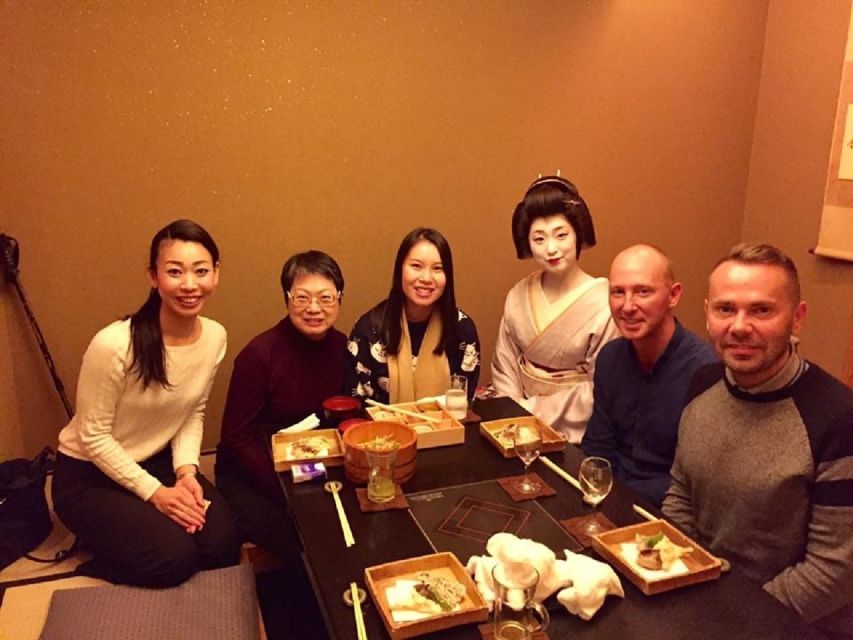
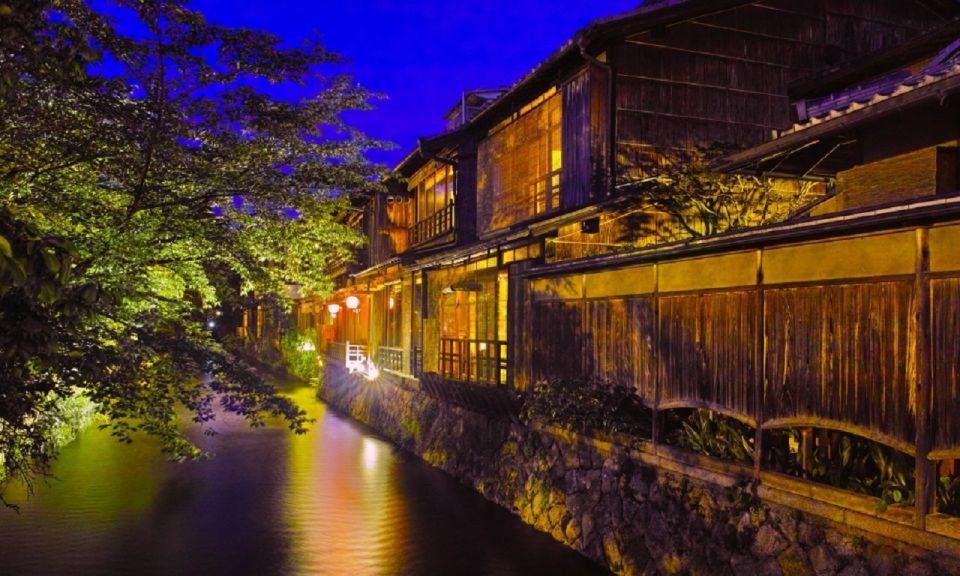
- Gion and Shirakawa after dark: lantern light, teahouses, and the lanes where traditional Kyoto still shows up
- Maiko and geiko culture made practical: history plus what’s current in day-to-day customs
- Snack stops that build your food radar: small tastings that set up what comes later
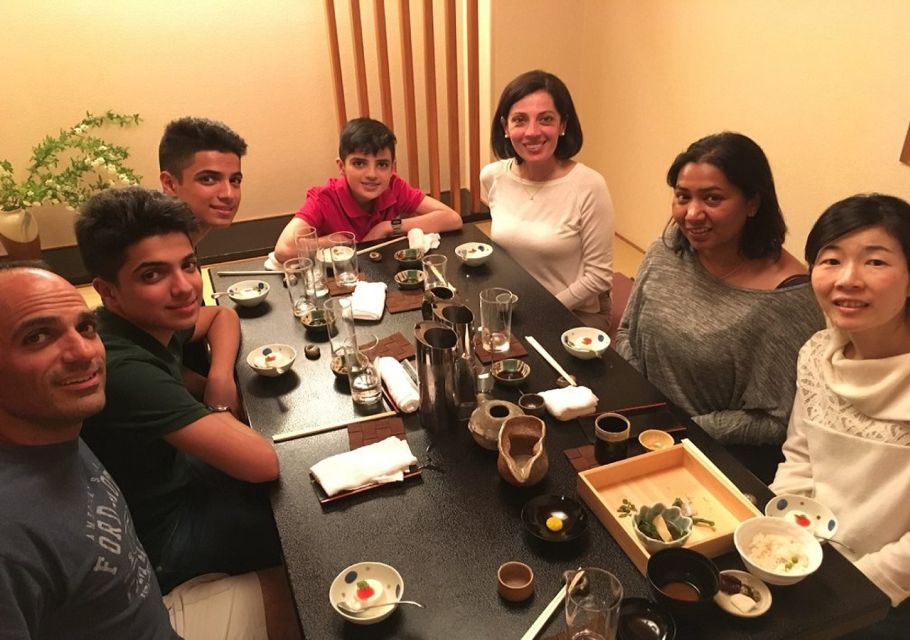
- A true 10-course kaiseki dinner: seasonal, regional flavors served with care in beautiful ceramics
- English-speaking guide with high-touch pacing: multiple guides are praised for explaining without rushing
Gion and Shirakawa after dark: when the streets start telling stories
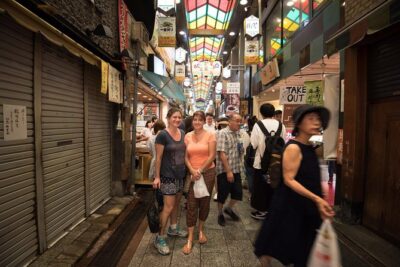
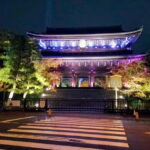
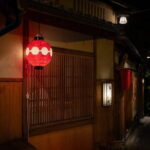
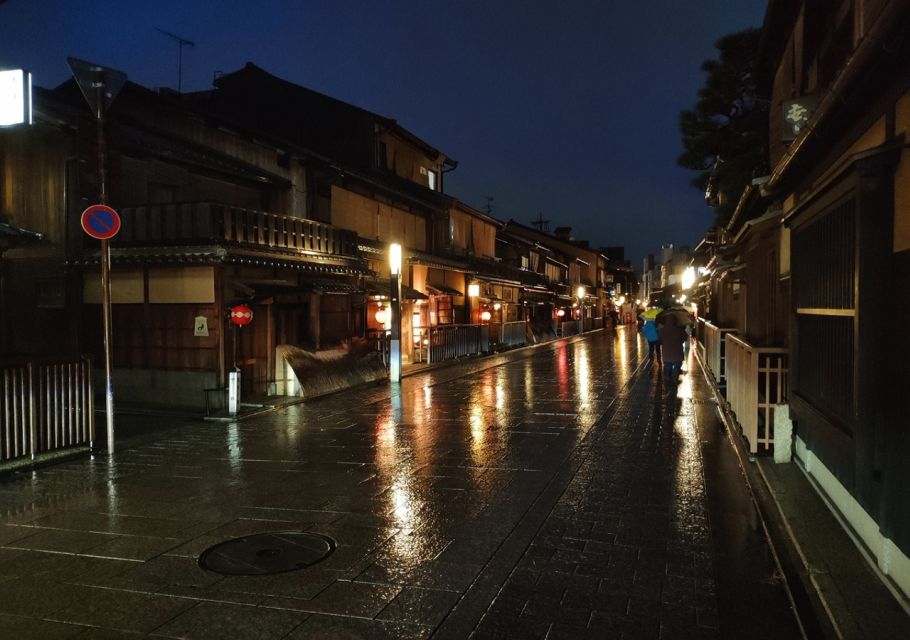
If you’ve only seen Gion in daylight, you’re missing half the point. In the evening, the area changes pace. Lanterns come on, the cobblestones look warmer, and the whole neighborhood feels more like a stage where tradition isn’t frozen in time—it’s just working.
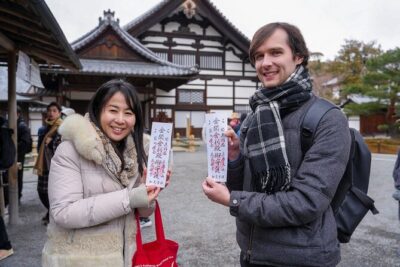
You’ll spend time walking through historic alleys and around the kinds of streets lined with older teahouses. The guide’s job is to give you the “how to look” skills: what to notice, where the districts begin and end, and why people respect the quiet rhythms in these areas. This is the kind of context that turns a casual photo stop into a real understanding of Kyoto life.
Even if you don’t see a performance (not guaranteed), you can still catch small cues: the atmosphere, the architecture, and the way the district holds itself together at night.
You can also read our reviews of more food & drink experiences in Kyoto

Maiko and geiko culture: what you learn (and how to read it)
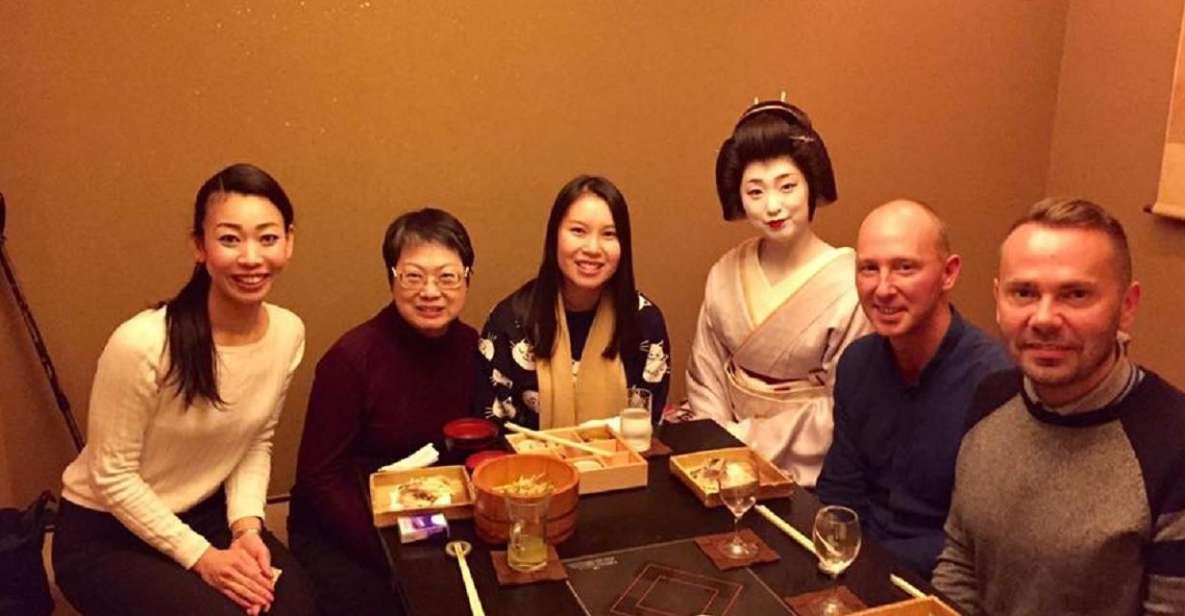
This tour isn’t just about spotting geiko or maiko. It’s about understanding their world—history and current practices—so you don’t end up treating performers like props.
The guide covers both the cultural background and the real-life details of the maiko/geiko arts. You learn what the terms mean, how the traditions have evolved, and what kinds of behavior visitors should keep in mind. That matters in Kyoto. People aren’t performing for crowds in the casual, touristy sense. Respect is part of the experience.
Some guides on this format have helped visitors feel lucky when they do spot a maiko or geisha in the area. Still, the value doesn’t depend on that moment. The real win is that you leave knowing how the culture works, not just what it looks like for a second.
Snack stops: the tasty warm-up before the main event
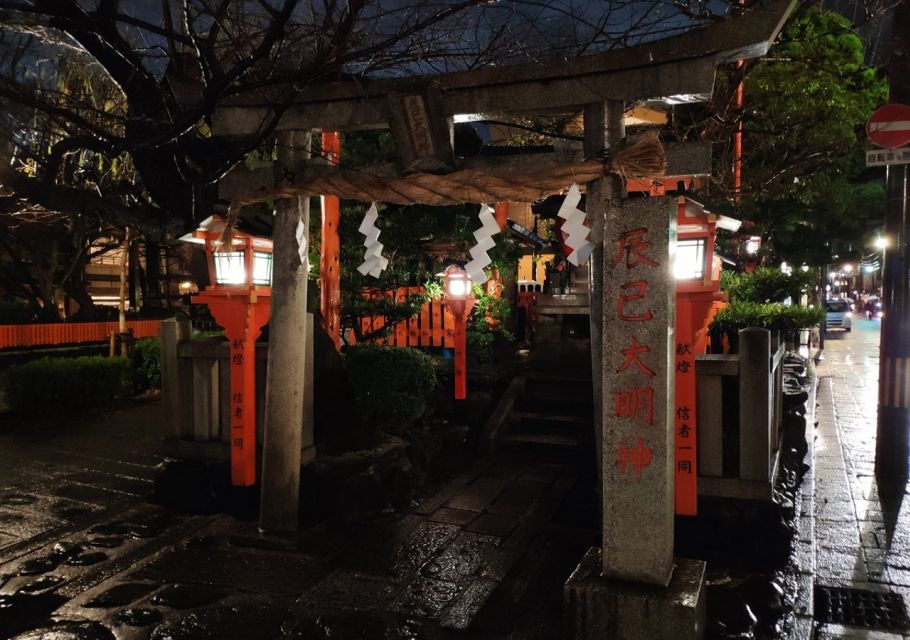
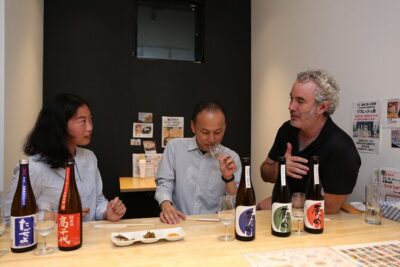
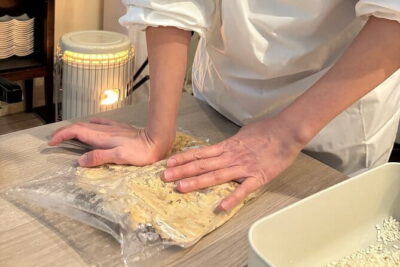
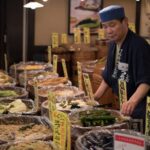
You’ll make several snack stops on the walk, sampling Kyoto traditional cuisine along the route. Think of these as calibration bites. You taste your way through flavors—then your full kaiseki dinner makes more sense.
That said, I’d plan your expectations around the structure. The snack stops are not a nonstop parade of courses. One review-style takeaway from this kind of format is that you may only get a couple of bites in shops along the way, while the meal is concentrated at the final restaurant. If you’re the type who wants to eat constantly at multiple spots, you might find the pacing more “guided dinner experience” than “food market marathon.”
The upside: you don’t end up stuffed before your kaiseki. You get light snacks that keep you curious, not overwhelmed, so the dinner can do its job properly.
10-course kaiseki dinner: why it’s more than a big meal
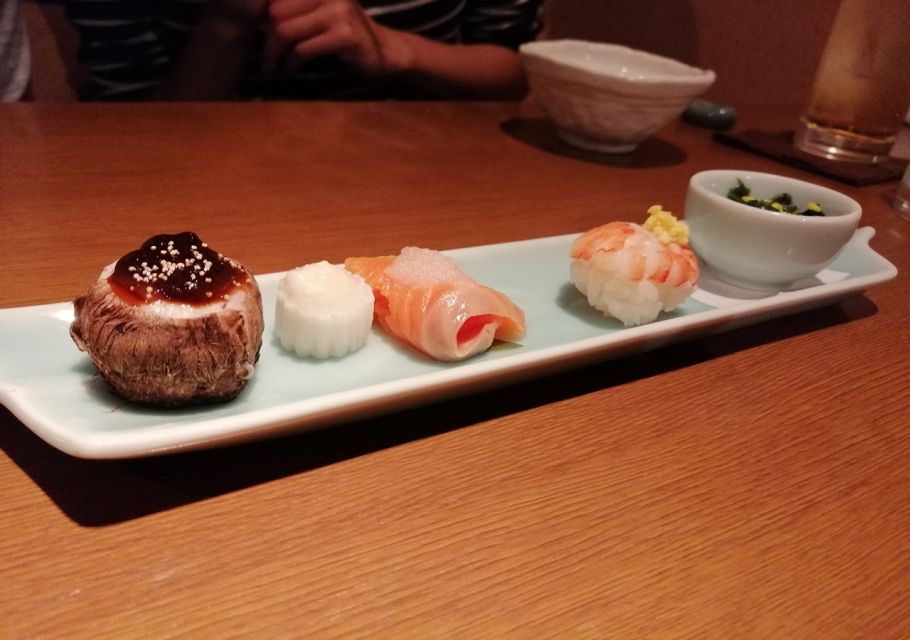
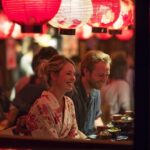
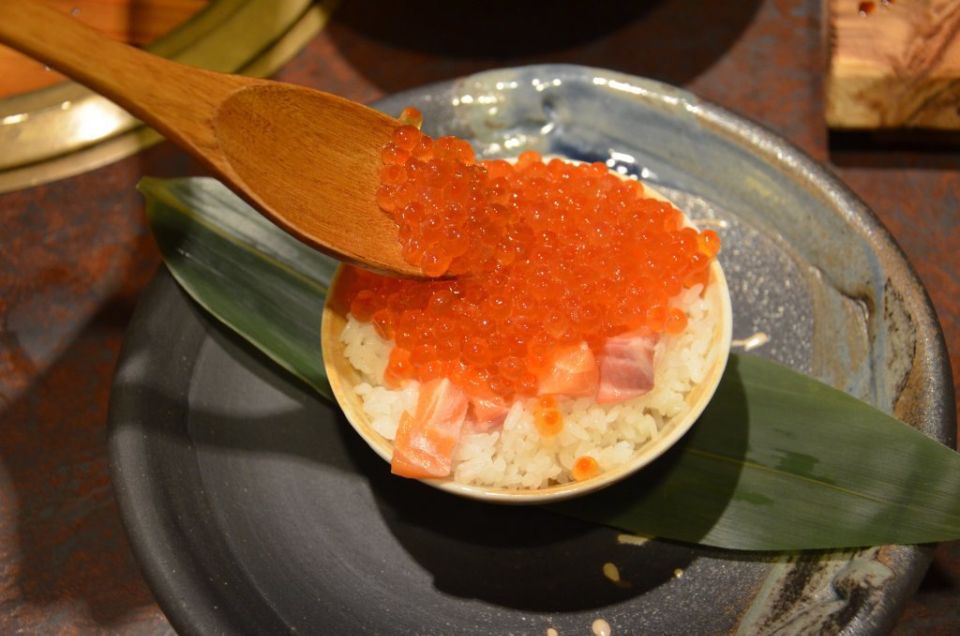
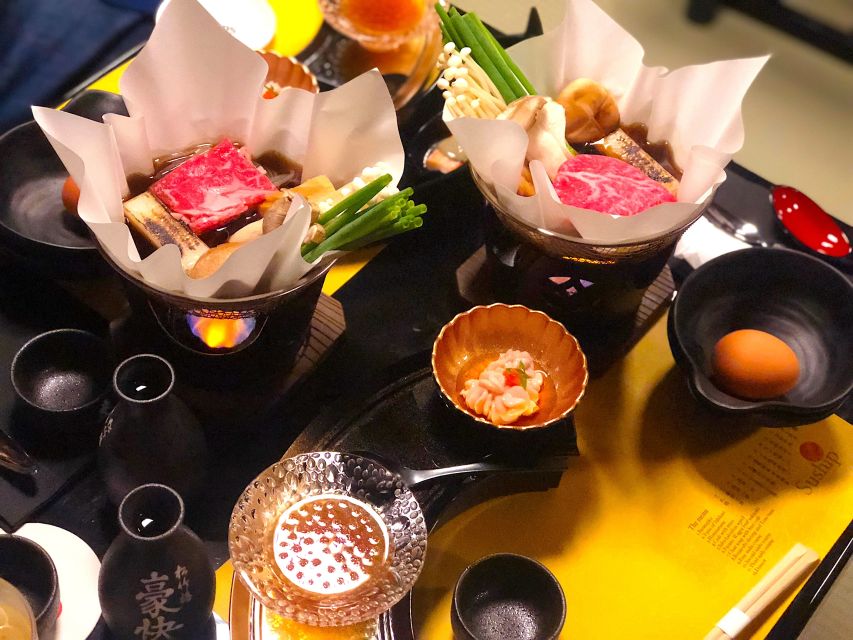
Kaiseki is often described as fancy, but the best explanation is simple: it’s seasonal cooking with attention to detail. On this tour, you get a 10-course dinner plus dessert, and one drink included.
What makes it special here is the way the menu is framed: seasonal and regional food, arranged carefully and served on small, beautiful Japanese ceramics. You’re not just eating flavors—you’re eating timing and presentation.
You might see classic elements highlighted in the experience description, like miso, yuba (soy-based tofu skin), and grilled fish. Even when the exact courses vary, the structure stays true: multiple courses designed to change texture, temperature, and flavor direction as the meal progresses.
This is where the cultural storytelling pays off. When you understand what you’re eating and why it’s seasonal, kaiseki becomes a lesson you can taste.
Architecture walk: practical “slow travel” in the right places
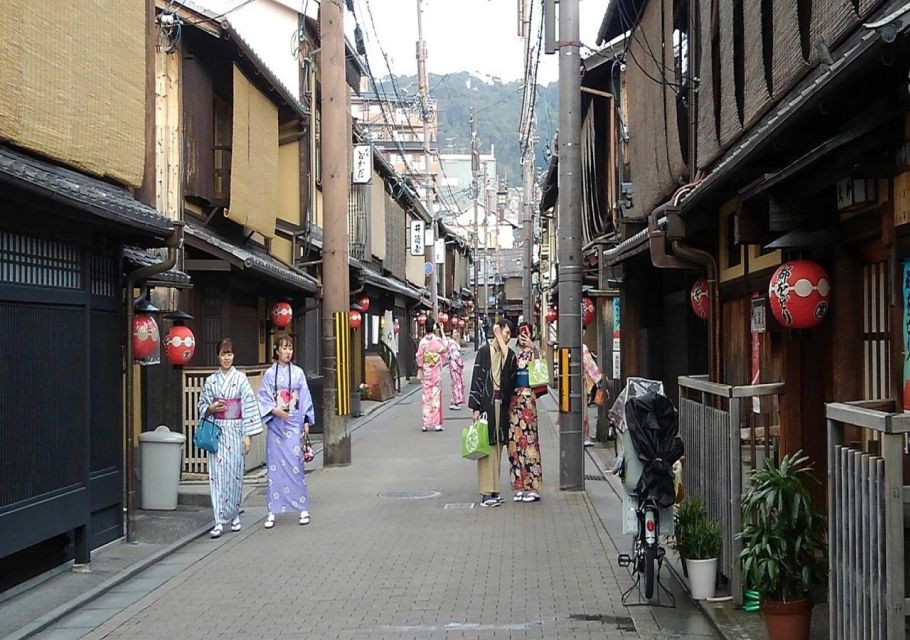
Kyoto can feel maze-like. This is why a walking guide is worth it, especially at night. The tour weaves architecture into the experience, so you’re not only passing buildings—you’re learning how to notice them.
You’ll see parts of the districts that feel cohesive: old lanes, teahouse-lined streets, and the kinds of corners that make Gion look like Gion. A good guide will point out details you’d miss if you were just scanning for icons.
Also, because you’re with a small group, you can actually keep up without feeling like you’re being herded. The group size is limited to 10 participants, which helps the walk stay calm enough to pay attention.
You can also read our reviews of more tours and experiences in Kyoto

Meeting point, timing, and what “small group” really means
You meet in front of the Japan Kanji Museum & Library. The address is Gionmachi Minamigawa, Higashiyama Ward, Kyoto, Kyoto Prefecture 605-0074, Japan. Your guide will be holding a sign, and they wait no more than 5 minutes after the starting time before the tour departs.
That short wait sounds strict, but it’s also normal for Kyoto evening scheduling. If you’re arriving by public transport, give yourself buffer time so you’re not sprinting in the lantern glow.
The tour runs about 3 hours, and it’s designed as a walking evening. You’ll want comfortable shoes. Kyoto’s streets look charming, but they’re still streets, with cobblestones and gentle uneven spots.
A second detail that matters: the minimum booking requirement is 2 people. So if you’re traveling solo, you may need to check whether your departure date is still running with your group size.
Allergies and dietary needs: tell them early, and they’ll work with you
Food tours are where planning pays off. This experience asks you to inform the guide about food allergies and dietary requirements ahead of time.
That’s not just “good practice.” Some guides in this format have been praised for handling restrictions without turning the meal into a stressful compromise. Still, the safest move is simple: give clear allergy info when you book, and double-check anything sensitive when you arrive.
If you have dietary needs like vegetarian or other restrictions, plan on the guide and restaurant adjusting within what they can do on the kaiseki course. The goal is to keep you part of the meal experience, not sidelined.
Price and value: does $216 make sense for what you get?
At $216 per person, the price isn’t low. But you’re paying for a bundle:
- A local English-speaking guide
- A small-group evening walk
- Multiple snack stops
- A 10-course kaiseki dinner
- Dessert
- One included drink
The biggest value driver is the dinner. Kaiseki isn’t a simple “pick something off the menu” situation. It’s structured, multi-course, and planned with seasonal intent. Add in the guided cultural context and the snack sampling, and the cost starts to look more like a curated evening package than a regular restaurant reservation.
What isn’t included: additional drinks or extra food, and transportation to get yourself to the meeting point. So if you’re the type who orders extra alcohol or want to extend the meal, you’ll want to budget that on top.
The best way to judge value for you: if you want Kyoto’s food culture explained and eaten properly in one night, this format fits. If you only want casual bites, you may feel the price is more than you need.
Who should book this tour, and who might not love it
This works best if you:
- Want your first evening in Kyoto to feel guided but not hectic
- Like culture with context, not just “look and go”
- Are excited by kaiseki and want the full multi-course experience
- Enjoy walking through atmospheric districts with a small group
You might consider skipping or pairing it with something else if you:
- Want a constant stream of street-food style tastings instead of a major dinner payoff
- Prefer to explore districts at your own pace without a set 3-hour window
- Have very limited tolerance for walking, since the evening is built around a walking route
Should you book Kyoto Evening Gion Food Tour?
I’d book it if your ideal Kyoto night is: guided cultural storytelling in Gion/Shirakawa, a calm walk, then a real kaiseki dinner that you understand while you eat it. The small group size and the guide-led context are the difference between “I ate in Kyoto” and “I got Kyoto.”
Before you decide, do two quick checks:
- Are you genuinely excited for a 10-course kaiseki dinner? If yes, this price can feel fair.
- Are you okay with snacks being the warm-up, not the main event? If you want nonstop food, you may need a different style of tour.
If both answers are yes, this is a strong way to spend an evening in Kyoto.
FAQ
How long is the Kyoto Evening Gion Food Tour?
The tour lasts about 3 hours.
Where do we meet?
Meet in front of the Japan Kanji Museum & Library at Gionmachi Minamigawa, Higashiyama Ward, Kyoto, Kyoto Prefecture 605-0074, Japan. The guide will be holding a sign.
What’s included in the price?
You get a local English-speaking guide, a 10-course dinner, dessert, and one drink.
Do I need to bring passport information?
Yes. A copy of your passport information is required for all participants aged 10 and over.
What should I do if I have food allergies or dietary requirements?
Please inform the provider of any food allergies or dietary needs ahead of time.
How big is the group?
The tour is a small group limited to 10 participants, and the tour departs if the guide hasn’t met you within 5 minutes of the starting time.