REVIEW · KYOTO
Tailored Full Day Private Experience of Kyoto for 1 Day Visitors
Book on Viator →Operated by Japan Experiences and Tours Company · Bookable on Viator
Kyoto is easier with your own driver. You get a private car flow between top sights and you can keep the day moving at your pace with a guide who adjusts to your group, not a cookie-cutter schedule. The best part is that you’re not stuck waiting for taxis between major stops, and you get help with timing and photo spots along the way.
I especially like how the day is built around Kyoto’s signature landmarks (hello Golden Pavilion and Fushimi Inari) while still leaving room for real pacing. The one thing to watch is the cost stack: the base price covers guiding fees and transportation arrangement, but transportation and key admissions are separate.
In This Review
- Key Highlights at a Glance
- A Private Car Makes Kyoto Feel Like One Day, Not Ten
- Arashiyama Bamboo Forest: The Start That Can Set Your Whole Day
- Kinkaku-ji Golden Pavilion: Icon Status Without the Stress
- Nijo Castle: Edo-Period Architecture With a Real Sense of Time
- Nishiki Market: Kyoto’s Kitchen and a Fun Break in the Middle
- Fushimi Inari-taisha: Torii Gates That Work Even When You’re Short on Time
- Gion: Geisha District Stroll With Time to Actually Look Around
- Guides Who Really Adjust the Day (Ahmed, Keiko, Jaime, Yuka, Noriko, Kazz, Yukari)
- Price and Logistics: Where the Real Value Comes From
- Timing Tips for a 1-Day Kyoto Hit
- Who This Tour Suits Best
- Should You Book This Kyoto Day Tour?
- FAQ
- How long is the Kyoto private tour?
- How many people can this tour accommodate?
- Which attractions are included in the day?
- Are temple and castle admission tickets included?
- Is transportation included in the $490 price?
- What is the cancellation window?
Key Highlights at a Glance
- Private car between stops: no taxi wrangling and less time lost on transfers
- Tailored pacing: your guide can adjust for your interests and group energy
- Photo-friendly planning: guides focus on the best angles and less-stress moments
- A smart six-stop sampler: Arashiyama, Kinkaku-ji, Nijo Castle, Nishiki, Fushimi Inari, Gion in one day
- English-speaking guide support: including guidance for families and kids
A Private Car Makes Kyoto Feel Like One Day, Not Ten
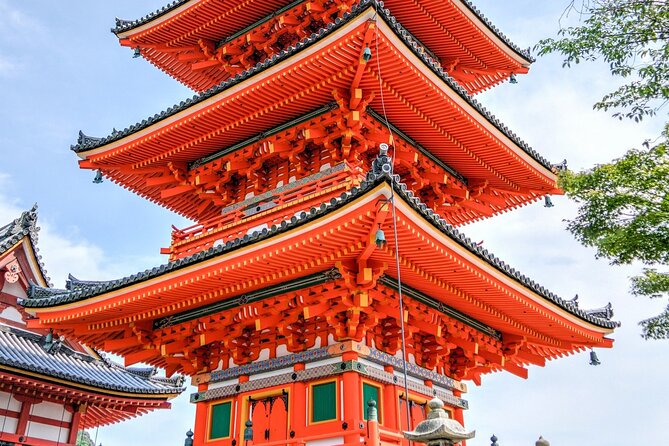
Kyoto is one of those cities where the distances can quietly eat your whole plan. This tour solves that problem by using a private vehicle for the day, so you’re moving directly from area to area. That matters most if you’re traveling with kids, older relatives, or you simply hate rushing from landmark to landmark.
The other big win is the guide. On a day this packed, you don’t just need facts. You need someone who can steer the schedule when crowds build, when it’s hot, and when your group needs a shorter stop. In guide accounts like Ahmed and Keiko, you see the same theme: the day runs smoothly, and the pacing adjusts in the moment.
The main consideration is budgeting. The headline price is $490 per group (up to 8), but you’ll still pay for the vehicle in cash and cover paid admissions like Kinkaku-ji and Nijo Castle. If you’re the type who likes to know the total up front, this is the one thing to review carefully before you book.
You can also read our reviews of more private tours in Kyoto

Arashiyama Bamboo Forest: The Start That Can Set Your Whole Day
Arashiyama is often where people decide whether their Kyoto day will feel calm or chaotic. This tour begins there, which is smart. You get about an hour for the area, including the Sagano Bamboo Forest experience.
The bamboo grove itself is famous, and the district around it has formal scenic-site status. Practically speaking, what you care about is timing and walking comfort. One guide (Keiko) met a group early, before a surge of tourists rolled in. That kind of early start makes the bamboo feel less like a line and more like a place.
What you should know: Arashiyama is not just bamboo. You’ll be in a scenic zone that invites slow wandering. But with only around an hour, you’ll want your guide to help you prioritize what’s most important to you: the bamboo corridor views, nearby scenery, or quick photo stops.
Possible drawback: if your group wants to linger for long stretches, the hour can feel short. In that case, this tour is best as a “see it and enjoy it” day, not a “spend the afternoon here” day.
Kinkaku-ji Golden Pavilion: Icon Status Without the Stress
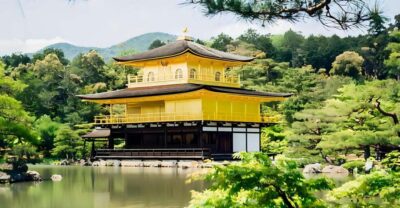
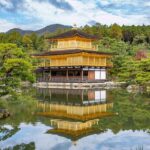
Kinkaku-ji is Kyoto’s Golden Pavilion, and it’s famous for a reason. You’ll have about an hour here. The temple complex includes gardens and pond views, and the scenery is built for photos from multiple angles.
The paid admission is a separate cost (¥500 per person). That’s normal for major Kyoto sights, but it does add to the total. Still, I like that the tour keeps the stop tight and purposeful. Your guide can help you move through the area efficiently so you don’t waste time deciding where to go next.
Photo tip, straight from guide-style patterns in this tour: ask for suggested viewpoints. Multiple guide notes highlight finding easy photo spots that would be hard to spot on your own, especially if you’re trying to get a clean shot without constantly repositioning.
Possible drawback: this is a top landmark, so crowds can happen. You’re unlikely to have a private, empty temple experience, but you can reduce stress with good timing and a guide who keeps you moving.
Nijo Castle: Edo-Period Architecture With a Real Sense of Time
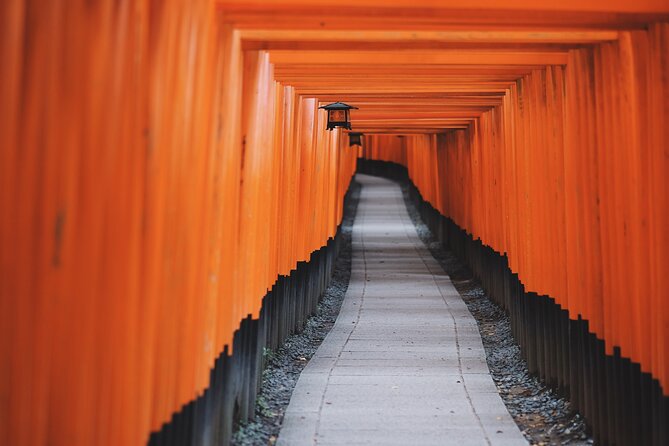
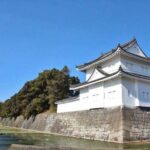
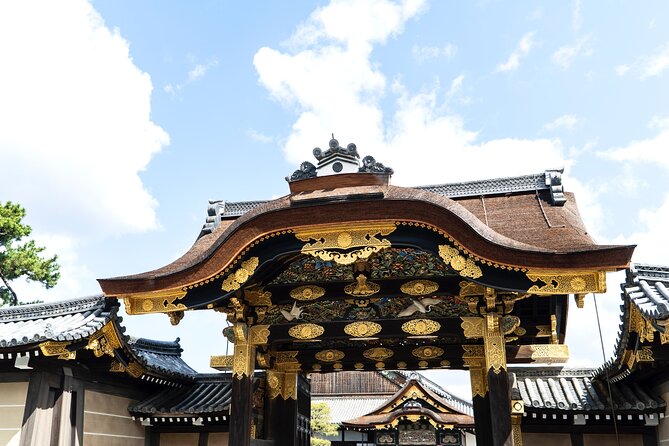
Next up is Nijo Castle, a UNESCO World Heritage site. You get about an hour. The point of Nijo isn’t just the pretty buildings. It’s the Edo-period layout and the way the palace is designed, including the Ninomaru Palace and the formal garden setting.
Admission is not included (¥1,350 per person). If you’re trying to control costs, this is the one entry most worth planning for. It also tends to feel more “Kyoto beyond postcards” than a single photo spot, because the experience is about structure and atmosphere.
How to enjoy it: give yourself a few minutes at key rooms and corridors rather than rushing the whole place. A strong guide can explain what you’re looking at—how the palace works as a statement of power and life in its era—while still keeping the timeline realistic for a one-day itinerary.
Possible drawback: if you’re temple-and-shrine tired by this point (very common on a long day), castle visits can feel like more walking. That’s where a flexible guide makes a difference. The tour’s private nature helps you slow down without breaking the entire day.
Nishiki Market: Kyoto’s Kitchen and a Fun Break in the Middle
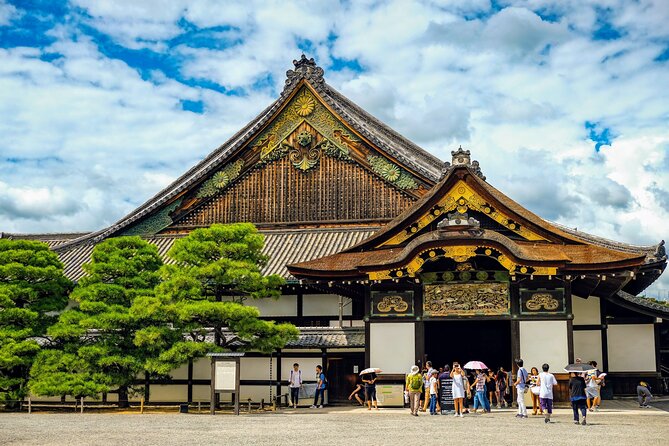
Nishiki Market is a different kind of Kyoto stop: food, shopping, and quick tastes. It’s known as Kyoto’s Kitchen, and it’s a compact area with over a hundred stalls spread across about five blocks.
You’ll have about an hour here. I like this stop for two reasons. First, it breaks up the temple-heavy rhythm. Second, it’s a place where you can snack your way through Kyoto’s everyday culture instead of committing to one long restaurant meal.
Two practical notes:
- Since lunch isn’t included, Nishiki is often where you’ll naturally make your meal decisions.
- It’s also a great place to buy small gifts because you can browse without needing a full shopping spree.
Possible drawback: it can get busy. If your group prefers quieter shopping, keep your pace moving and let your guide steer you toward the most appealing items quickly.
You can also read our reviews of more tours and experiences in Kyoto


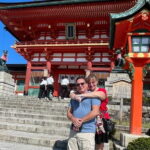
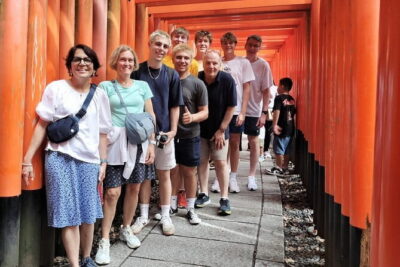
Fushimi Inari-taisha: Torii Gates That Work Even When You’re Short on Time
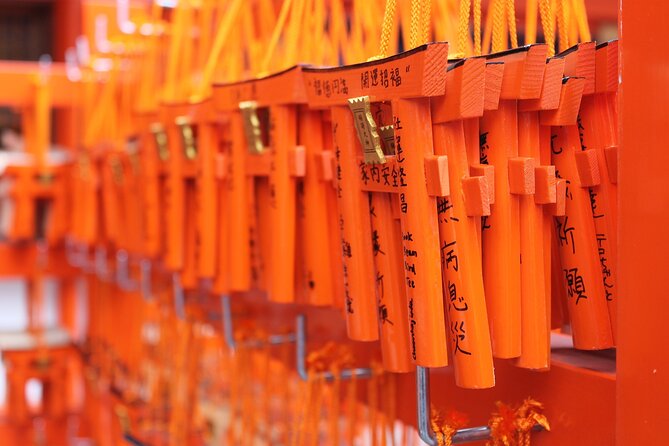
Fushimi Inari-taisha is known for its thousands of red torii gates forming a walkway through the forest trails. The emotional effect is real, even when you’re not doing a long hike.
You’ll get about an hour. That’s enough to experience the gates and pick a route that matches your energy level. The tour’s private style helps here because you can avoid the worst bottlenecks without feeling like you’re always waiting in lines.
Advice from how guides tend to run this day: focus on the flow. Don’t try to do every path option. Pick the section that gives you the best torii-gate rhythm for your photos and walk comfort. If your legs are getting tired, you can still get the iconic visuals without pushing too hard.
Possible drawback: the shrine is extremely popular, so even with smart timing, you won’t have total solitude. The goal is less stress and better movement, not a fantasy emptiness.
Gion: Geisha District Stroll With Time to Actually Look Around
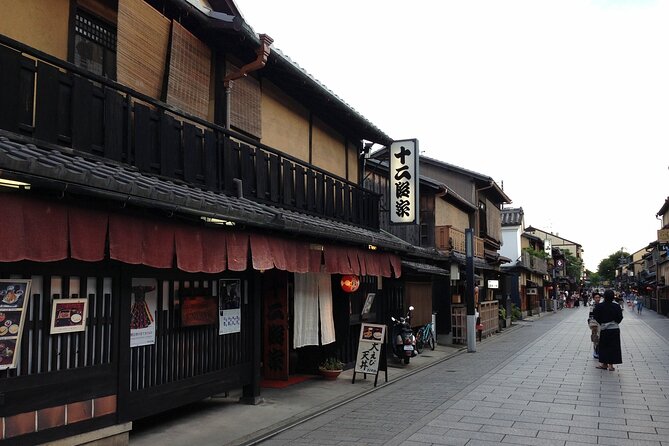
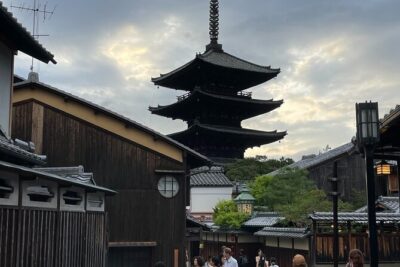
Gion is where Kyoto feels old-school. You’ll stroll the district that’s famed for geisha culture, along narrow streets lined with traditional machiya townhouses and teahouse areas.
You’ll have about an hour. I think this is a perfect final or near-final stop because it shifts you from structured landmarks into a neighborhood atmosphere. It’s also an area where you can slow down for street scenes and shop-front details.
What I like most: your guide can tailor what you notice. Some guides focus on cultural context; others focus on easy photo angles and quieter streets. In multiple guide accounts, you can tell they’re paying attention to family needs and pacing, which matters a lot in Gion because the streets can feel crowded.
Possible drawback: if your group is mainly here for history lectures, Gion can feel lighter. But if you like atmosphere and street-level Kyoto, it’s a strong closer.
Guides Who Really Adjust the Day (Ahmed, Keiko, Jaime, Yuka, Noriko, Kazz, Yukari)
The biggest quality signal in the reviews isn’t just that guides were friendly. It’s that they changed the plan to fit real life.
Here are patterns I’d bet you’ll appreciate:
- Ahmed is noted for getting families through the day smoothly, including kids, with a private friendly driver and a comfortable air-conditioned van.
- Keiko is highlighted for early Arashiyama timing (before the tourist wave) and for adjusting for heat and kids.
- Jaime is praised for energy and for handling a larger family of eight on a cruise day.
- Yuka and Noriko are praised for meeting groups at hotels or stations and customizing the route to group needs while staying on track.
- Kazz is praised for taking excellent photos and even sharing photos after the day.
- Yukari is praised for customizing pacing when a child tired quickly, adding alternative interests and still covering the key Kyoto points.
You don’t need a “perfect” plan if you have a guide who watches the group. This is the kind of tour where that makes the difference between you finishing happy versus you finishing grumpy.
Price and Logistics: Where the Real Value Comes From
Let’s talk money like an adult.
The tour price is $490 per group for up to 8 people, with guiding fees and transportation arrangement included. But transportation itself is not included in that $490. The extra is paid as a cash transportation cost: up to 5 travelers is listed as ¥100,000, and there can be an added fee for port pickup/drop-off (the amount is shown as ¥20,000, with a ¥100,000 line also appearing in the transport notes).
Admissions also aren’t included for all stops:
- Kinkaku-ji: ¥500 per person
- Nijo Castle: ¥1,350 per person
Everything else listed (Arashiyama, Nishiki Market, Fushimi Inari, Gion) is shown as free admission in the tour stop info.
So is it worth it? For many groups, yes—because the tour is private and designed for efficiency. You’re paying for:
- Less transit stress (private car between major areas)
- Real-time pacing control (you’re not stuck with public-transport timing)
- A guide who can steer where you spend time inside each stop
Where it can feel less worth it is when you expected the private car to be included in the base price without extra steps. One negative experience in the provided info centered on confusion about transportation costs and what was or wasn’t included. My practical advice: confirm what you’re paying for the vehicle, especially if you’re coming from a cruise port or if you’re splitting your day with public transport like taxis and trains.
Timing Tips for a 1-Day Kyoto Hit
This is a roughly 8-hour tour, and it’s described as about 9 hours including travel time. Each major stop is allocated around one hour, and that schedule only works if you accept that the day is efficient, not leisurely.
Here’s how to make it feel less rushed:
- Embrace shorter visits. One hour per stop is enough to see the key sights if your guide helps you move smart.
- Use the private car time. When you’re in the vehicle, you can relax, plan photos, and ask questions without “losing time.”
- Bring a budget for paid entries and the cash transport cost. This avoids that late-day stress where everyone starts doing mental math.
Also, because this tour has a weather requirement, don’t be shocked if you’re offered changes if conditions aren’t good.
Who This Tour Suits Best
This is a strong fit for you if:
- You’re short on time and want the major Kyoto highlights in one day
- You prefer comfort and direct transfers over trains and multiple taxis
- You’re traveling with kids or mixed ages and want pacing flexibility
- You want help with photo timing and where to stand for good shots
It might not be your best choice if:
- You love slow, deep exploration and want half a day in just one neighborhood
- You’re trying to keep the total cost as low as possible and don’t want extra cash and paid admissions
Should You Book This Kyoto Day Tour?
If you want a one-day Kyoto plan that doesn’t collapse under the weight of transit, this is the kind of tour that makes Kyoto feel doable. The private car is the big value engine, and the guides named in the feedback stand out for tailoring pacing, handling families, and finding photo angles.
My booking rule: if you’re okay paying extra for the cash transportation component and the paid entries for Kinkaku-ji and Nijo Castle, then this is a good value way to hit the classics without wasting your day.
FAQ
How long is the Kyoto private tour?
The tour is listed as about 8 hours, and about 9 hours including travel time.
How many people can this tour accommodate?
It’s priced per group and supports up to 8 people.
Which attractions are included in the day?
The day is built around Arashiyama, Kinkaku-ji Temple, Nijo Castle, Nishiki Market, Fushimi Inari-taisha Shrine, and Gion.
Are temple and castle admission tickets included?
No. Kinkaku-ji Temple (¥500 per person) and Nijo Castle (¥1,350 per person) are not included. The other listed stops are shown as free admission.
Is transportation included in the $490 price?
Guiding fees and transportation arrangement are included, but the transportation cost is not included. The tour lists a cash transportation fee and notes extra charges for port pickup/drop-off.
What is the cancellation window?
Free cancellation is offered if you cancel up to 24 hours in advance of the experience start time for a full refund.