REVIEW · KYOTO
KYOTO: Tempio Kiyomizu Pagode Gion “Geisya” (Guida Italiana)
Book on GetYourGuide →Operated by Agenzia Turisti Italiani in Giappone · Bookable on GetYourGuide
Kyoto is best understood while you’re walking it. This 5-hour Italian-guided outing strings together the Kiyomizu-dera pilgrimage approach, the classic old-street stops, and a slice of Gion—so you get meaning, not just photos.
I love the way the tour focuses on practical guidance. You get a speaking guide who explains the historical, cultural, and religious details as you move, and you can ask questions in Italian the whole time.
One thing to consider: it’s a walking route with multiple transfers and short strolls between areas, so plan for steady feet and a bit of sightseeing pacing over a half day.
In This Review
- Key things I’d prioritize before you go
- Italian-Only Kyoto Walk: What the 5 hours really feel like
- Meeting at Kyoto Station: Find the escalators, not the stress
- Bus transfer to Kiyomizu-dera: Getting oriented before you climb
- Kiyomizu-dera guided hour: Temple facts you can actually use
- Sannenzaka and the snack-and-stroll rhythm
- Ninenzaka’s quick stop: Classic streetscape, no wasted minutes
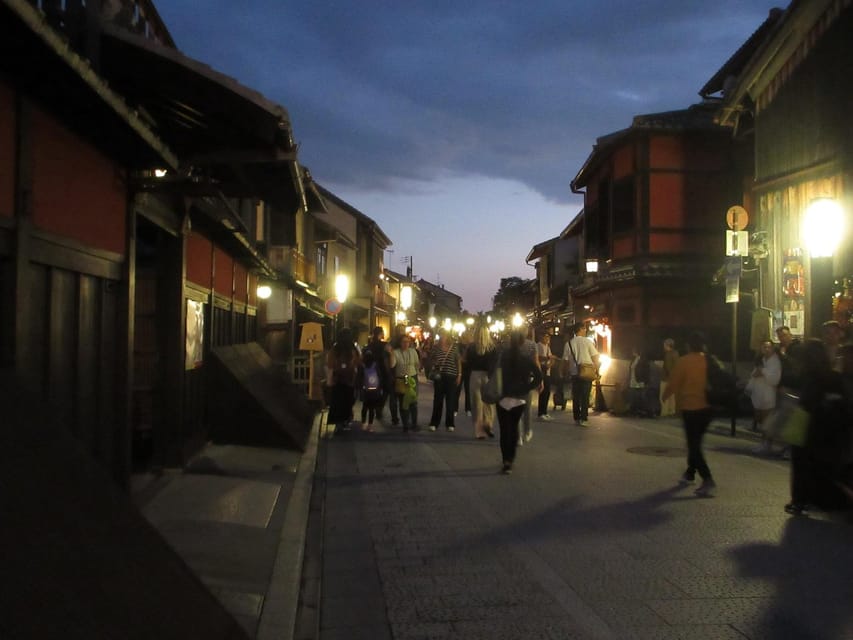
- On to Gion: How to use 30 minutes wisely
- Passing Kyoto Minami-za: A quick look with a reason
- Ending in Pontocho: Your built-in evening plan
- Price and value: Is $117 per person worth it?
- Who this tour fits best (and who should choose something else)
- Should you book this Italian-guided Kiyomizu-dera and Gion tour?
- FAQ
- What is the duration of the Kyoto Kiyomizu-dera and Gion tour?
- How much does the tour cost per person?
- What language is the live tour guide?
- Where do you meet for the tour?
- What stops and areas are included during the route?
- Is transport included in the price?
- Are entrance tickets included?
- Is the tour wheelchair accessible?
- Can the itinerary be flexible?
- Can you reserve now and pay later?
Key things I’d prioritize before you go
- Italian-speaking guide (Omae): questions welcome, and the explanations are delivered clearly in Italian.
- Transport + entrance tickets included: you avoid the hassle of juggling separate admissions while you’re on the move.
- Pilgrimage route viewpoint: you’re not just seeing temples, you’re walking an approach shaped by centuries.
- Old streets with browsing time: Sannenzaka and Ninenzaka give you that classic Kyoto shop-and-stroll vibe.
- Finish in Pontocho: you end in a lively area that’s handy for dinner plans afterward.
- Adjustments when possible: the itinerary can be flexible on request, to the extent they can manage it.
Italian-Only Kyoto Walk: What the 5 hours really feel like
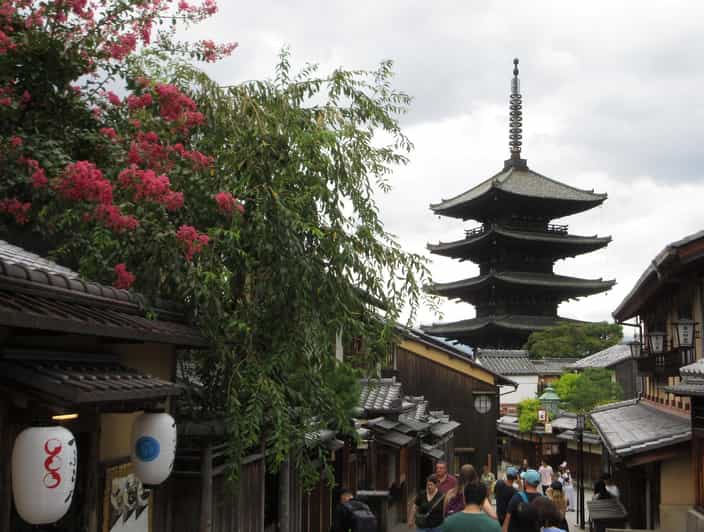
This tour is built for people who want Kyoto with words they understand. You start with a guide who speaks Italian, and the pacing stays focused: get to the big names, then connect them with context while you’re on foot.
The best part is the flow. Instead of doing random stops, you’re led along the ancient approach to Kiyomizu-dera, then you transition into the iconic historic streets near the temple, and finally you move into Gion and end in Pontocho. That sequence helps your brain link neighborhoods together.
Another plus: it’s not a long day. With a total duration of 5 hours, it’s realistic even if you’re mixing other Kyoto plans—like shrines, food stops, or day trips.
You can also read our reviews of more tours and experiences in Kyoto.



Meeting at Kyoto Station: Find the escalators, not the stress
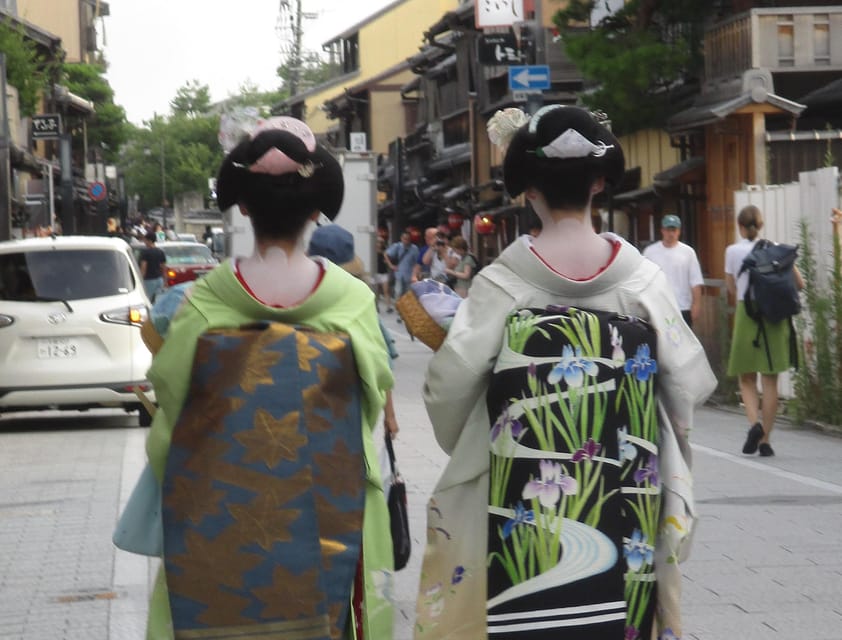
The meeting point is very specific, and that’s good news. You’ll meet at Kyoto Station, North Entry (Karasuma-Guchi). Then the instructions get even more pinpoint.
You’re looking for the space between the four escalators in front of the cab terminal (not the bus terminal). It’s toward the east, just outside the central north entrance of Kyoto Station. A helpful orientation detail: when you’re standing there, you’ll see Kyoto Tower above the station, at the top left (not right) of your position.
You’ll also receive an email the day before with confirmation and meeting details. I like this because it reduces the usual first-day uncertainty at a big station.
Tip for you: arrive a few minutes early, scan for the escalators area, and remember that cab vs bus terminal wording matters here.
Bus transfer to Kiyomizu-dera: Getting oriented before you climb
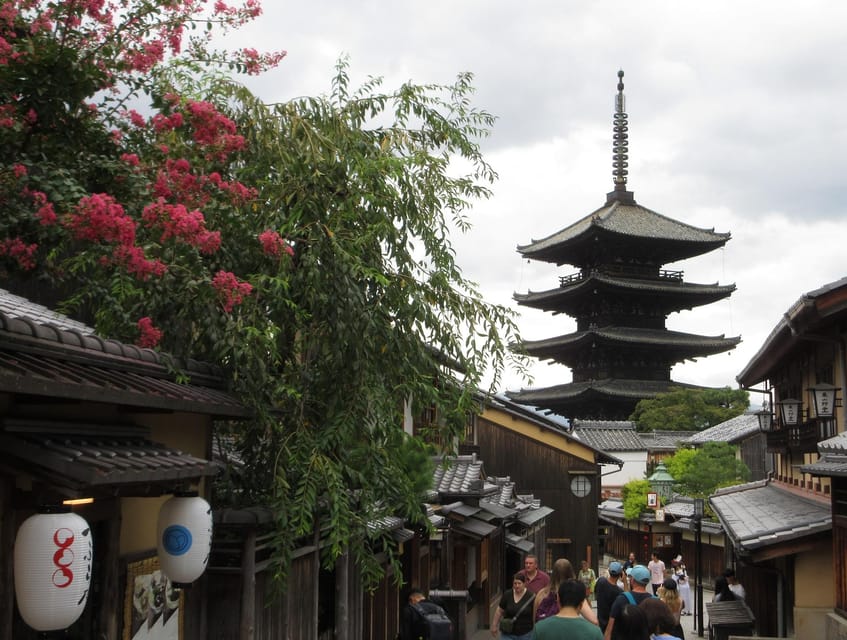
The tour starts with a 15-minute bus/coach ride from Kyoto Station. That little transfer matters more than it sounds. It helps you avoid wasting your energy figuring out transport on your first stretch, and it gets you into sightseeing mode immediately.
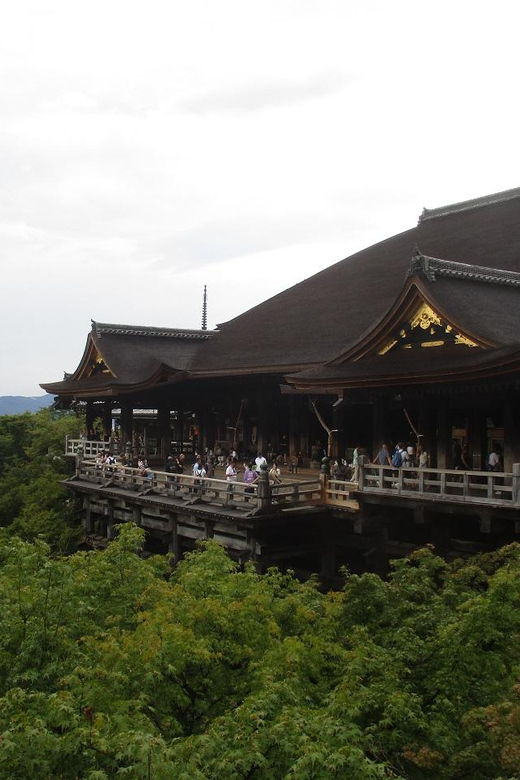
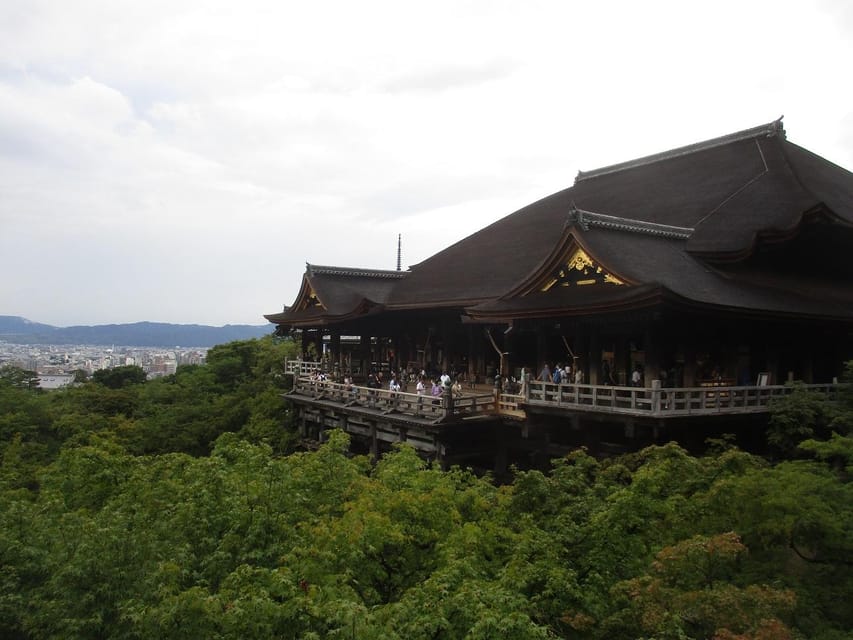
Once you reach Kiyomizu-dera, you get a guided visit and sightseeing for about 1 hour. This is where the tour’s “why it matters” approach really pays off. Kiyomizu-dera sits at the end of a pilgrimage route that developed from the 8th century to the present, so you’re not viewing it as just a landmark—you’re seeing it as the destination of a long tradition.
You can also expect Q&A along the way. The guide’s job isn’t just to point. It’s to explain the historical, cultural, and religious details that make the place more than scenery.
Kiyomizu-dera guided hour: Temple facts you can actually use
In practical terms, your guided hour at Kiyomizu-dera is where the tour turns from walking exercise into understanding. A self-guided visit can work, but it’s easy to miss the connections between what you see and what it means.
This guide approach is designed to fix that. You’ll get explanations while you’re there, plus you can ask questions in Italian. Reviews mention how well the guide answers questions and how prepared the explanations are, including attention to detail and strong Italian delivery.
What I like about this setup for you: you’ll likely leave with better “mental labels.” Instead of only remembering building shapes and viewpoints, you’ll remember the context behind them—how religious practice and historical development connect to the space.
Sannenzaka and the snack-and-stroll rhythm
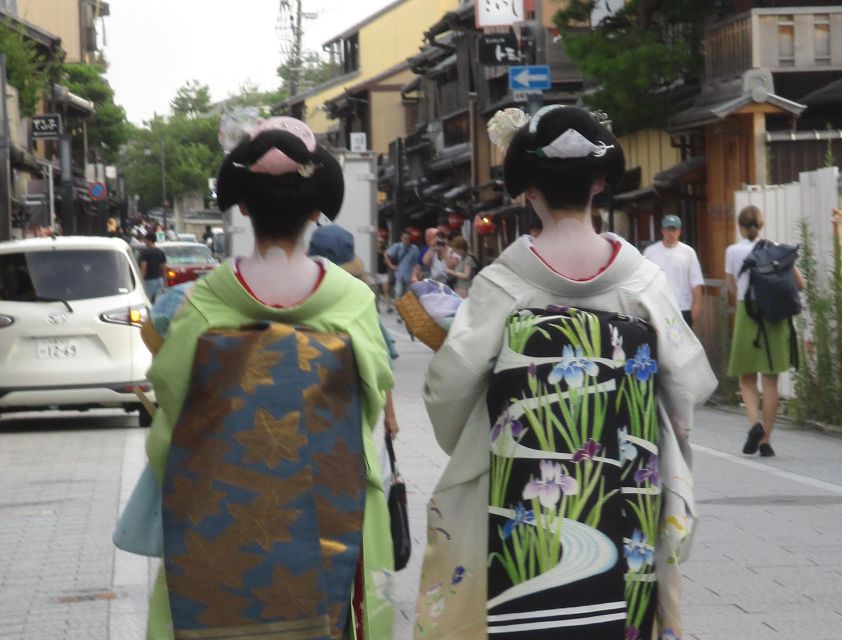
After Kiyomizu-dera, you move on foot toward the classic old streets. The route includes a short walk (about 5 minutes), and then you hit Sannenzaka.
Sannenzaka is built for slow browsing. You’ll walk through the street atmosphere—shops, souvenirs, and sweet stores, plus cafes. Even if you’re not buying much, the street gives you the Kyoto feel in a way that a single temple stop can’t.
I like that the tour gives time for this transition. You’re not rushing through it as “just a connector.” It’s treated as part of the experience.
A practical drawback to keep in mind: these areas are made for pedestrian flow, and you’ll likely share space with lots of other visitors. The guide can help you keep your bearings and stay oriented as you move.

Ninenzaka’s quick stop: Classic streetscape, no wasted minutes
From Sannenzaka, the itinerary continues on foot through Ninenzaka. The walk to Ninenzaka is short (a couple minutes), and then you spend time moving through the area (the itinerary shows a walk segment of a few minutes, including around 2 minutes at this transition point).
Ninenzaka works as a visual “second layer.” If Sannenzaka is your first hit of old-street energy, Ninenzaka helps reinforce the feel. You’ll keep moving along a route that’s tied to temple approach culture, and the guide’s explanation helps you understand why these streets show up the way they do near major religious sites.
If you’re the type who likes photos, this is the leg you’ll appreciate. If you’re more into atmosphere, you still win because it’s designed for wandering without losing the structure of the tour.
On to Gion: How to use 30 minutes wisely
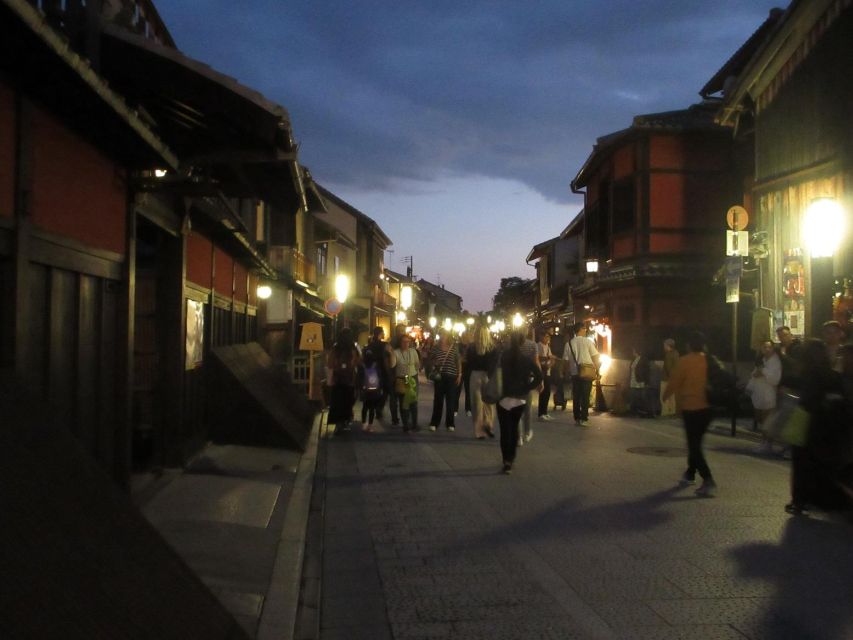
Next comes Gion, and the tour gives you about 30 minutes there for a guided visit and sightseeing.
Thirty minutes can feel short in a big neighborhood, but the guide time helps you get the right kind of coverage. Instead of aimless wandering, you’ll be prompted to notice what’s relevant—cultural cues, street layout, and the way Gion operates as a distinct part of Kyoto.
I also like the flow here: after the old-street approach near the temple, moving to Gion feels like a chapter change. You’re going from pilgrimage-road energy and shopping street strolling into a quieter, identity-rich Kyoto district.
One consideration: this portion includes walking transitions (you have several short on-foot segments on the way), so wear comfortable shoes. You’re not doing a speedrun, but you are on your feet enough that comfort matters.
Passing Kyoto Minami-za: A quick look with a reason
After Gion, the itinerary includes a pass by Kyōto Minami-za. You’ll have a few minutes on foot (the schedule shows short walk segments like 5 minutes, then a brief pass-by time for the theater area).
Even if your focus is temples and streets, this quick pass helps you broaden the picture of Kyoto as a living city with arts and performance. You’re not stuck only in religious spaces.
This is the kind of add-on that works because it doesn’t steal time from the main experience. It gives you a little extra context while keeping the tour on track.
Ending in Pontocho: Your built-in evening plan
The tour finishes at Pontocho after another short on-foot segment (the schedule shows a final walk of a few minutes after the Minami-za pass).
I like this ending because Pontocho is a natural place to keep moving after the tour. You’ll have that “OK, I have Kyoto legs now” feeling, and you can shape the rest of your evening around dinner or a relaxed stroll.
From a value angle, finishing in Pontocho is smart: you don’t need to backtrack to Kyoto Station just to start your next plan.
Price and value: Is $117 per person worth it?
At $117 per person for a 5-hour experience, the question isn’t just cost. It’s what you’re buying.
You’re getting:
- a live Italian guide
- transport included (the bus/coach ride from Kyoto Station)
- entrance tickets included for the monuments visited during the route
- a structured route that combines temple, old streets, and a Gion segment
- assistance during the itinerary if you need help
That’s meaningful. Kyoto can get expensive in “little” ways—separate admissions, separate transit, and time spent figuring things out. Here, the package approach reduces those friction points, especially if you’re traveling without Japanese language support.
There’s also the intangible value of having a guide who can answer questions as you go. The reviews emphasize how much difference that makes—especially the Italian clarity and the guide’s willingness to respond.
So for you: if you want a guided half-day that’s already solved for transport and ticket logistics, this price looks more reasonable than a DIY mix of transit plus multiple entrances.
Who this tour fits best (and who should choose something else)
This is a great fit if you:
- want Italian narration and Q&A throughout
- like structured sightseeing but still enjoy old streets and browsing time
- want a half-day plan starting from Kyoto Station
- prefer not to manage tickets and transit while you’re learning the city
You might choose a different style if you:
- want lots of free time to wander without guidance
- hate walking segments even when they’re short
- are looking for a super in-depth, hours-long deep dive into only one site
But for most people doing a first Kyoto visit, this balances the “must see” list with enough context to make it feel more human.
Should you book this Italian-guided Kiyomizu-dera and Gion tour?
Book it if you want Kyoto in Italian, with a route that makes sense. The combination of guided Kiyomizu-dera, Sannenzaka and Ninenzaka street strolling, a focused Gion visit, and a finish in Pontocho is exactly the kind of structure that helps you enjoy the city instead of wrestling it.
I’d particularly recommend it if you:
- care about good Italian explanations and responsive answers (the guide is repeatedly praised for competence and friendliness)
- want transport and entrance tickets handled for you
- like guided pacing for a 5-hour window
If you’re the kind of traveler who only trusts maps and wants full freedom with no schedule at all, you might feel constrained. But if you’re open to a clear plan with helpful guidance, this is a very efficient way to get the Kyoto vibe in one go.
FAQ
What is the duration of the Kyoto Kiyomizu-dera and Gion tour?
The tour lasts 5 hours.
How much does the tour cost per person?
The price is $117 per person.
What language is the live tour guide?
The live tour guide speaks Italian.
Where do you meet for the tour?
You meet at Kyoto Station, North Entry (Karasuma-Guchi), at the space between the four escalators in front of the cab terminal (not bus terminal), toward the east just outside the central north entrance.
What stops and areas are included during the route?
The tour includes Kiyomizu-dera, Sannenzaka, Ninenzaka, Gion, a pass by Kyōto Minami-za, and it finishes in Pontocho.
Is transport included in the price?
Yes. The price includes the transport shown in the itinerary (a bus/coach segment).
Are entrance tickets included?
Yes. The price includes entrance tickets to the monuments scheduled in the itinerary.
Is the tour wheelchair accessible?
Yes, it is wheelchair accessible.
Can the itinerary be flexible?
Itineraries and flexible times can be requested as far as possible.
Can you reserve now and pay later?
Yes. The option is Reserve now & pay later.