REVIEW · KYOTO
Fish Cutting workshop in Kyoto Japan
Book on Viator →Operated by しおやん · Bookable on Viator
Knives, fresh fish, and a hands-on lunch in Kyoto. This fish cutting workshop turns sashimi prep into a real skill—starting with how to handle raw fish and ending with you eating what you cut. I especially like the small group size, which means you can ask questions and get real-time correction.
You also get the best part: you eat your own work. Lunch is included, and the whole point is that the fish you prepare becomes sashimi you can taste right there in the market.
One consideration: this is not a sit-and-watch class. You’ll be using knives, and the experience specifically asks you not to bring children under 8 because they’ll be handling knives.
In This Review
- Key highlights you’ll actually care about
- Why this Kyoto fish cutting class is more than sushi watching
- Kimura Fresh Fish meeting point and what to expect from logistics
- The 2.5-hour flow: how the class moves from fish to sashimi
- Knife skills and safety: what beginners should know
- From three pieces to sashimi lunch you can be proud of
- Price and value in Kyoto: is $98.53 worth it?
- Who this Kyoto workshop suits best
- Practical tips to make your class smoother
- Should you book the fish cutting workshop in Kyoto?
- FAQ
- How long is the fish cutting workshop in Kyoto?
- How much does it cost?
- Where do I meet for the class?
- What time does the workshop start?
- What will I be doing during the workshop?
- Is lunch included?
- Is transportation provided?
- How big is the group?
- Are children allowed?
- Is there free cancellation?
Key highlights you’ll actually care about
- Historic fish processing training from a fishmonger tied to a 400-year lineage of fish work
- Small group up to 6 people, so supervision is close and questions are welcome
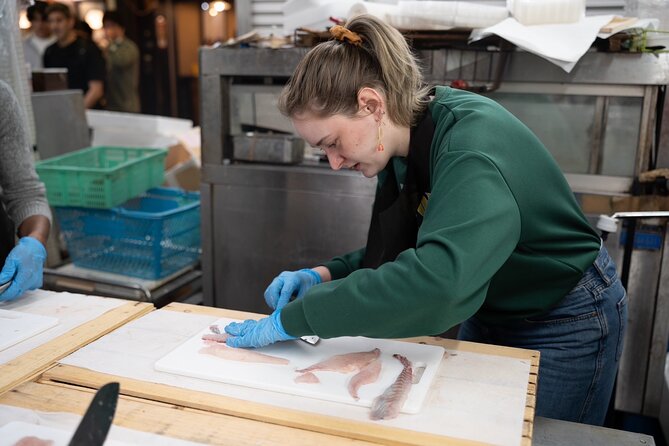
- You cut the fish yourself, into your own sashimi portions (with guided practice first)
- Safety and technique before the knife, so beginners can participate without panic
- Lunch is included, and you’ll eat the sashimi made in class
Why this Kyoto fish cutting class is more than sushi watching
Most Kyoto food experiences teach you how to order. This one teaches you how to prepare. You start with raw fish, learn the handling basics, then cut pieces yourself and eat them as sashimi. That shift is the whole value: you leave with repeatable skills you can use back home.
I like that the training is grounded in real work. The instructor is described as an established fishmonger and specialist, with decades of experience in a fish shop, and the methods are presented as techniques passed down through generations. You’re not just copying a knife demo. You’re being taught an approach: how to hold the fish, how to make clean cuts, and how to think while you’re cutting.
Then there’s the “no hunger pangs” part that matters in real life. You don’t just stand around and hope lunch happens later. The class includes lunch, and it’s tied directly to your cutting. When you’re eating what you prepared, your attention stays sharp—and you notice details you’d normally miss in a restaurant.
The vibe is also practical. Based on the way the class is described and the emphasis on supervision, it’s designed for people who want skill and guidance, not just photos.
You can also read our reviews of more tours and experiences in Kyoto

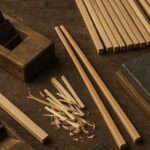
Kimura Fresh Fish meeting point and what to expect from logistics
You meet at Kimura Fresh Fish, located at 483 Nakauoyachō, Nakagyo Ward, Kyoto (604-8125). The activity ends back at the same meeting point, so you won’t get dropped somewhere else for a scavenger-hunt ride back.
This experience is near public transportation, but private transportation is not included. Translation: you’ll want to plan your own way there using Kyoto’s rail and bus system (or walk the final stretch if the weather cooperates). The start time is 10:00 am, and the duration is about 2 hours 30 minutes.
You’ll receive a mobile ticket, which is usually easy, but it does mean you should keep your phone charged. If your battery is always low on vacation, bring a small power bank.
Also note the group size limit: maximum 6 travelers. That’s a meaningful detail here. In a class like this, fewer people means more direct coaching while your knife is in your hand.
The 2.5-hour flow: how the class moves from fish to sashimi
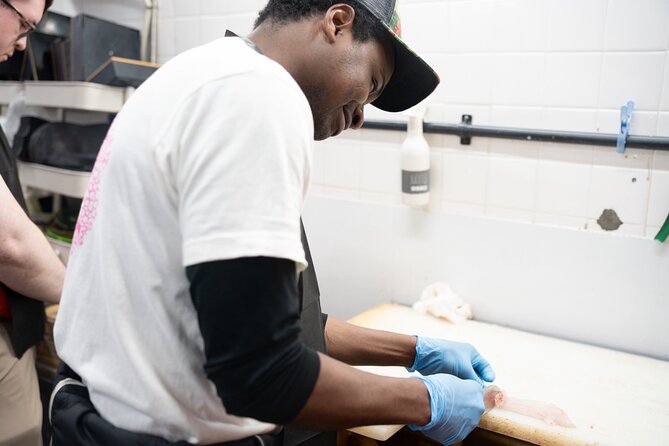
The workshop is structured like a real skills session: teach the basics, practice your cuts, then eat. It’s not an open-ended foodie walk.
Here’s the flow you can expect:
First, you learn the basics of handling raw fish. The class description emphasizes careful teaching before anyone cuts, specifically so beginners can join without worry. This is where good technique starts. You’re learning how to manage the fish properly, which is the difference between clean sashimi pieces and messy results.
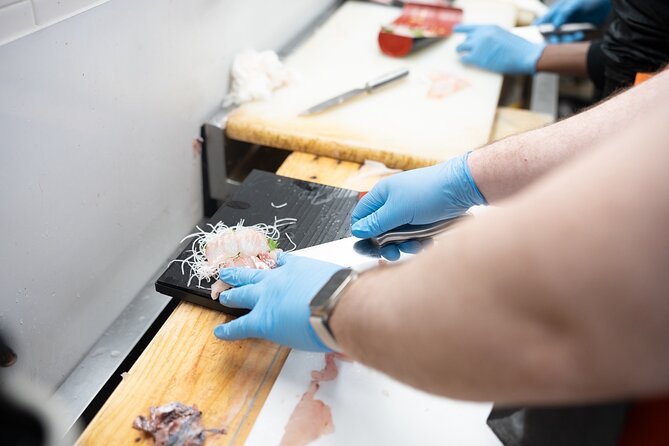
Next comes demonstration and step-by-step instruction. The instructor is there to show how the cuts should look and how the motion should feel. You’ll then take your turn doing the cutting yourself. The class description says you cut the fish into three pieces, which gives you a clear target and keeps the lesson focused.
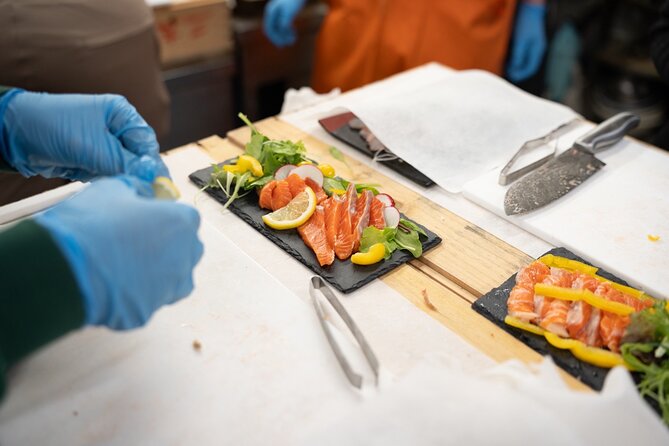
Then you eat. The structure is simple: you process the fish and then enjoy it as sashimi lunch. In other words, you’re not left with only a take-home memory. You get to taste the outcome while it’s still fresh.
One subtle but important point: the class is presented as interactive. If you have questions about fish, handling, or the food culture behind sashimi, the instruction is set up to answer right away. That’s how you actually build knowledge, not just collect tips.
Finally, you’re done where you started. That matters because you can plan your afternoon without needing a complex schedule.
Knife skills and safety: what beginners should know
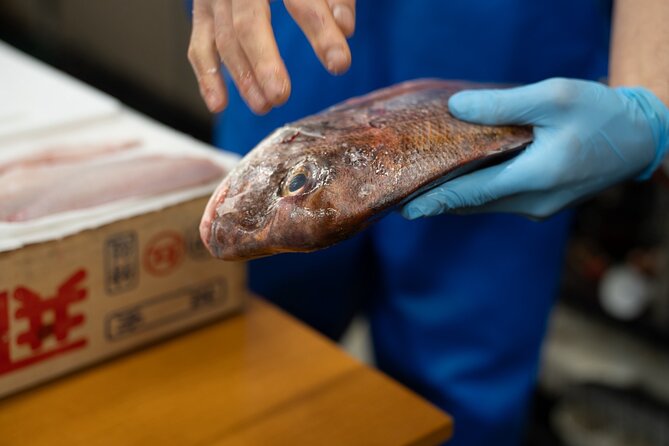
This is hands-on, and that’s why it works. But the class is also careful about who can join and what happens first.
Children under 8 are not recommended because they handle knives. That’s the clearest safety rule you get, and it’s a reminder that your session is built around real tools and real practice—not just observation.
If you’re worried about cutting raw fish, the good news is that the teaching is described as careful and supervised. You start with handling, then cutting, with attention to proper technique. You’ll also have immediate answers if you have concerns about fish handling.
I think this matters for two reasons:
1) It reduces the intimidation factor. If someone tells you to cut fish with zero guidance, you’ll freeze. Here, you’re coached before you cut.
2) It improves the end result. Knife technique isn’t only about skill. It’s about comfort, correct grip, and knowing what to look for as you cut.
One thing to keep in mind: you should show up ready to participate. This isn’t a class where you can hover. If you’re the type who gets nervous around sharp tools, it may not be the most relaxing activity. But if you want to learn, the structure is there to help you succeed.
From three pieces to sashimi lunch you can be proud of
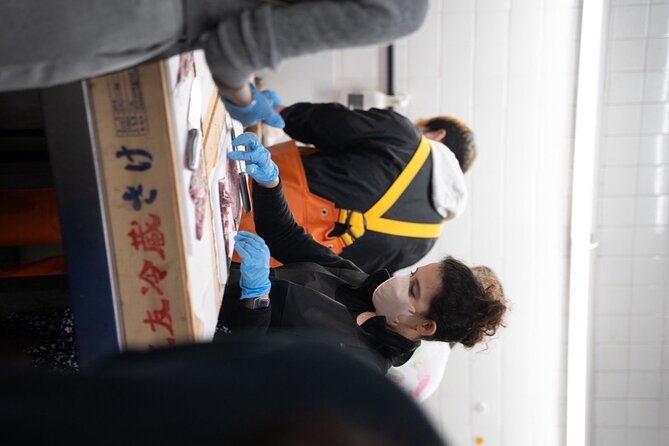
The payoff is not abstract. It’s your plate.
The class description says you cut the fish into three pieces yourself, then eat what you prepared as sashimi. That means you’re not just learning how a fish is cut—you’re learning what the finished pieces should taste and feel like.
You’re also learning fish processing as part of Japanese food culture. Sashimi in Japan isn’t treated like a mystery dish. It’s treated like a craft. In this workshop, that craft becomes personal because you’re the one doing the work.
You might also notice that the class can involve multiple kinds of fish. Some sessions are described as processing multiple varieties before eating. If you care about flavors, this can be a fun way to compare textures and taste differences, even within the same basic sashimi format.
The lunch included detail is a big part of the value. Many cooking classes end with you leaving hungry or mostly eating a small sample. Here, lunch is included and is connected to your cutting work. That helps you justify the price and also makes the session feel complete.





Price and value in Kyoto: is $98.53 worth it?
At $98.53 per person, this isn’t a budget snack tour. But it’s also not trying to compete with sushi restaurants on price. This workshop is paying for coaching, fresh fish, and a small group format with hands-on supervision.
A few value points you should weigh:
- Skill transfer: You’re learning prep and handling, not just ordering advice. That’s why this can feel worth it even if you already eat sashimi a lot.
- Included lunch: You eat what you prepare, which removes the “extra cost” problem.
- Small group size: Up to 6 travelers is the kind of cap that usually improves the learning experience.
- Timing: About 2.5 hours is long enough to learn and cut, but short enough to fit into a normal Kyoto day.
If you’re on the fence, use this rule of thumb: if you want to come home with a technique you can practice again, it’s strong value. If you just want a casual food outing, a restaurant meal may be a better fit.
Who this Kyoto workshop suits best
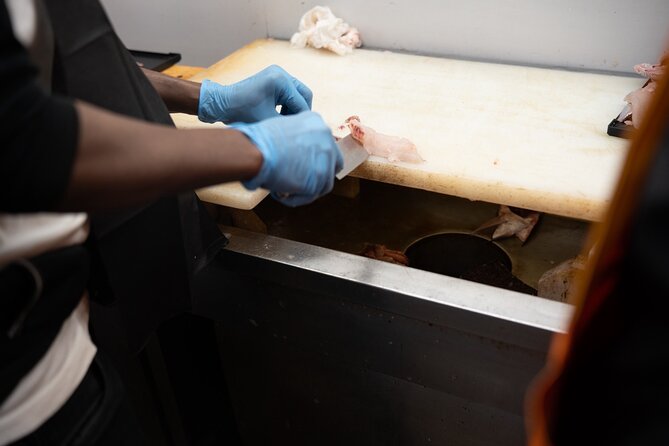
This class is best for you if you like cooking, sharpening knife skills, or learning food preparation beyond ordering. The whole format assumes you want to participate and learn the process step by step.
It also suits people who are curious about Japanese fish culture and want a hands-on explanation of how fish becomes sashimi. If you’re the type who reads menus but wants to understand what makes certain textures and cuts work, you’ll probably enjoy the training.
You’ll also be in a better position if you’re comfortable with raw seafood. The class ends with sashimi lunch made by you, so it’s not a “look but don’t eat” situation.
If your idea of vacation is purely low-effort sightseeing with no tools involved, consider passing. This is a workshop, not a gentle walk through a market.
Practical tips to make your class smoother
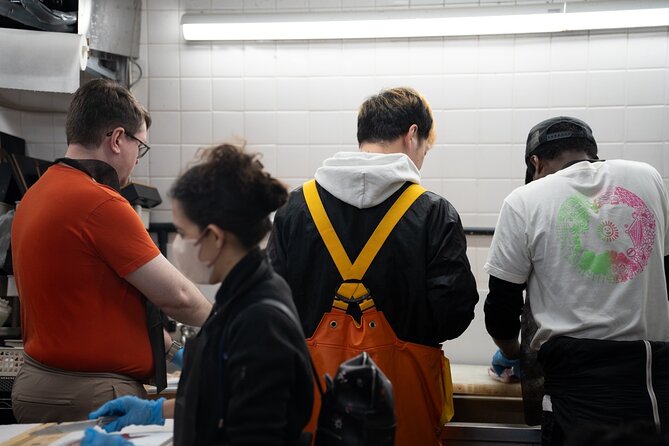
Since this is a knife and fish session, a few practical choices help:
- Arrive a bit early so you can get settled. The start time is 10:00 am, and you don’t want to rush.
- Bring a phone with enough battery for the mobile ticket. If your screen brightness is always low, fix that before you go.
- Wear clothing that’s comfortable for standing and moving. You’ll be at the work area for a while.
- If you have questions about fish handling or technique, write them down on your phone or just keep them in mind. The class is built for immediate answers.
- Plan the rest of your day loosely. The workshop is about 2 hours 30 minutes, and you’ll likely want time to decompress afterward.
If you’re a true beginner, the class description is designed to support you. Still, go in with a mindset of learning. Clean cuts come from small adjustments, and you’ll have time to make them.
Should you book the fish cutting workshop in Kyoto?
Book it if you want a real skill, not just a meal. This is one of the better ways to connect Kyoto food to craft. The class format is focused: you handle fish first, then cut it yourself, then eat it as sashimi lunch.
Skip it if you want passive sightseeing or you don’t want to handle knives. The session is hands-on by design, and children under 8 are specifically asked not to participate due to knife handling.
If you do book, you can feel confident that the experience is built for questions and step-by-step guidance in a small group setting. For $98.53, that combination of supervision, fresh fish, and included lunch is the key reason it works.
FAQ
How long is the fish cutting workshop in Kyoto?
The duration is about 2 hours 30 minutes.
How much does it cost?
The price is $98.53 per person.
Where do I meet for the class?
You meet at Kimura Fresh Fish, 483 Nakauoyachō, Nakagyo Ward, Kyoto, 604-8125, Japan.
What time does the workshop start?
The start time is 10:00 am.
What will I be doing during the workshop?
You’ll learn how to handle raw fish, then cut the fish into three pieces yourself, and eat the sashimi lunch you prepared.
Is lunch included?
Yes, lunch is included.
Is transportation provided?
Private transportation is not included. The meeting point is near public transportation.
How big is the group?
The activity has a maximum of 6 travelers.
Are children allowed?
Children under 8 years old are asked not to participate because they handle knives.
Is there free cancellation?
Yes. You can cancel for a full refund up to 24 hours in advance of the experience start time. If you cancel less than 24 hours before, the amount paid is not refunded.