REVIEW · KYOTO
Kyoto Private Night Tour with a Local – Bars, Bites & Culture
Book on Viator →Operated by City Unscripted · Bookable on Viator
Kyoto looks different after dark. This private evening walk puts you in Gion’s lantern lanes and Pontocho’s old-street mood with a local guide tailoring the night to you. I like how the route leans into the less-frequented corners of Kyoto as dusk falls, not just the usual photo stops.
I also love the way the host can shape the pace and focus. People get paired with guides like Amy and Mia who are praised for customizing plans, answering questions as you go, and keeping the vibe relaxed while you move between neighborhoods.
One possible drawback: it’s mostly on foot, and the tour includes only two drinks. If your idea of a perfect night means a full dinner spread plus extras, you’ll want to plan for added food and drink costs along the way.
In This Review
- Key things to know before your Kyoto night out
- What this tour is really like: Kyoto’s night shift, not a checklist
- Starting point in Kyoto and how the walking rhythm works
- Gion at dusk: lantern lanes, townhouses, and the right kind of strolling
- Pontocho and the river-street mood: why night feels different here
- Tatsumi Bridge to Shimbashi: a classic route with a calmer pace
- Izakayas and small bars: two drinks included, plus local choice
- Yasaka Shrine after dark: lights, calm, and the how-to of visiting
- The quiet Gion shrine stop: where the night slows down
- Price and value: is $150.35 per person worth it?
- Guides, customization, and how to get the best version of the tour
- Who this tour suits best (and who might prefer something else)
- Should you book this Kyoto night tour?
- FAQ
- How long is the Kyoto private night tour?
- Is this tour private?
- What’s included in the tour price?
- What drinks do you get?
- Where does the tour start?
- Is pickup included?
- Do we take public transportation during the tour?
- Is there free cancellation?
- Can service animals join?
Key things to know before your Kyoto night out
- Private by design: it’s just your party with a local host, so you can steer the night.
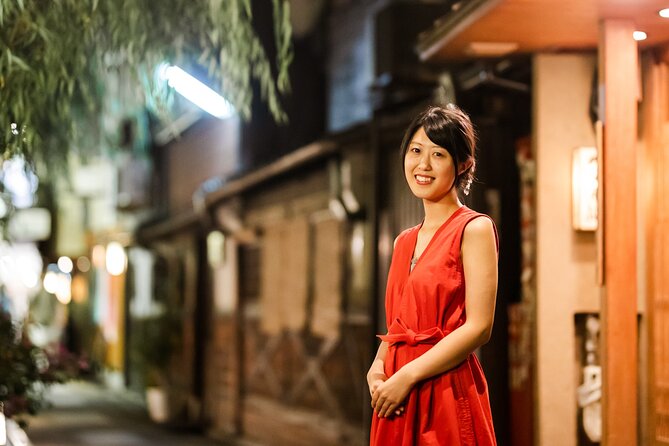
- Gion and Pontocho after dusk: expect lantern-lit lanes and quieter streets than daytime Kyoto.
- Bar and bite time is built in: you’ll stop at an izakaya-style spot with a drink included.
- Shrines at night slow everything down: Yasaka Shrine appears calm and almost cinematic with lights on.
- A route that can flex: there’s a pre-tour questionnaire plus direct messaging with your guide.
What this tour is really like: Kyoto’s night shift, not a checklist
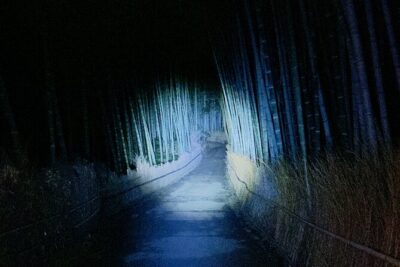
This is a short walking experience built around how Kyoto changes after 5pm. Daytime Kyoto can feel like a parade of buses, but at night the streets loosen up—especially in and around Gion, where the wooden townhouses and lanterns do most of the work for the photos. The guide keeps the evening moving, yet you still get pauses to absorb what you’re seeing.
The private format matters more than you might think. With just your party and one host, you can ask follow-up questions, change the order of stops, or slow down if a street view pulls you in. Based on the strongest guide feedback—people praising Amy’s and Mia’s tailoring—it’s the kind of tour where the host isn’t just reciting facts.
The emotional payoff is simple: you get to feel Kyoto as a place where people still live their routines. That shows up in the tiny lanes, the riverside atmosphere near Pontocho, and in the way the guide points out everyday cultural details rather than only big-ticket sights.
You can also read our reviews of more private tours in Kyoto
Starting point in Kyoto and how the walking rhythm works
You meet at Matsumoto Kiyoshi Kyoto Shijo Kawaramachi (103-2 Hashimotochō, Shimogyo Ward, Kyoto). The tour ends back at the same meeting point, so you don’t have to worry about navigating the last stretch alone.
The tour is primarily walking, with no private vehicle included. That’s good news if you want the atmosphere to be part of the experience, but it also means you’ll want comfortable shoes—Kyoto’s sidewalks and alleyways can be uneven.
Pickup is offered, and public transportation may be used between sites (with possible added cost). In other words: don’t assume you’ll never take a tram/train or taxi, but don’t plan on long-distance transfers either. The host will help connect the dots so the evening flows.
Gion at dusk: lantern lanes, townhouses, and the right kind of strolling
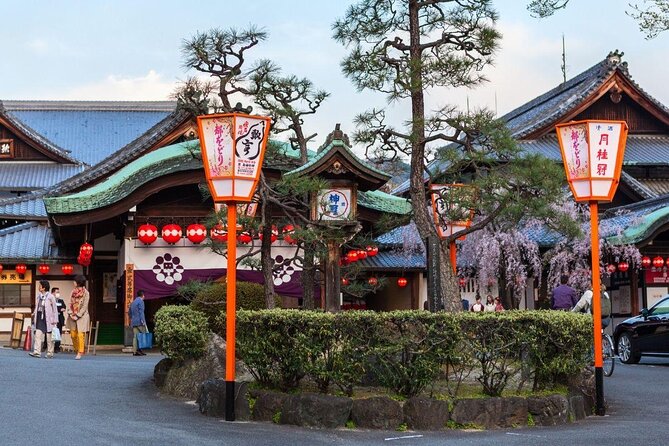
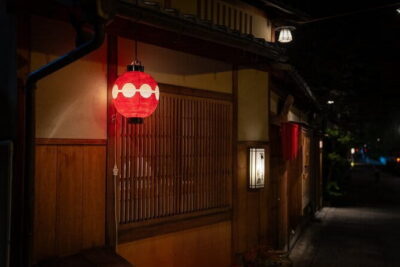
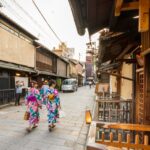
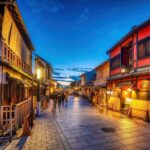
Your night tour spends serious time in Gion, the historic entertainment district that feels like a film set when the lanterns come on. The guide leads you through lanes and back streets that tend to be missed when you’re only following daytime crowds. You’ll get stories that help you read what you’re seeing—wooden facades, small storefronts, and the quieter rhythm of after-dark Kyoto.
One itinerary stop specifically frames the night experience as a stroll through Gion’s entertainment district, with your host pointing out tucked-away teahouses and lantern-lit lanes. Another stop crosses Tatsumi Bridge to reach Shimbashi, described as the picturesque part of Gion with elegant wooden townhouses along the street. That bridge-crossing moment is a good reality check: you’re not just “seeing Gion,” you’re moving through it at night like a local.
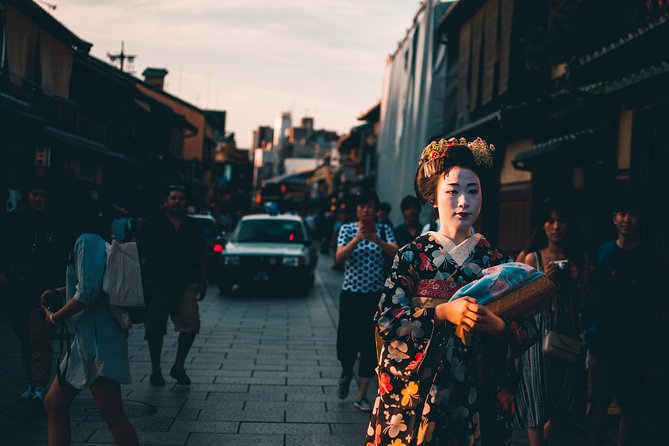
There’s also a chance of spotting geisha or geiko. No one can guarantee it—Kyoto schedules and privacy come into play—but several guide experiences highlight that the evening timing can put you in the right place to notice. If you care about that possibility, tell your guide early so they can aim for good sightlines without turning the night into a frantic hunt.
Pontocho and the river-street mood: why night feels different here
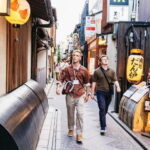
After the Gion-focused streets, the tour includes time around Pontocho, Kyoto’s narrow streets near the river. Pontocho has that “people are out, but not rushing” feel, and at night the lighting changes how the whole neighborhood reads. The wooden structures and lantern reflections make it easier to understand why this area feels like Kyoto at its most atmospheric.
The guide’s value here is practical: they help you understand what you’re looking at and where to stand for the best street-level views. Some guides are also praised for photography skills, like one host who helped take great night photos in Gion. If you want help with angles, ask—politely—at the start. Good hosts can usually adapt quickly.
A fun way to think about this part: you’re not just walking from point A to B. You’re learning the logic of the neighborhood—where the lanes open up, where the quiet pockets are, and how the river area changes in the evening.
Tatsumi Bridge to Shimbashi: a classic route with a calmer pace
Crossing Tatsumi Bridge is one of those “you’ll remember it later” Kyoto moments. It’s iconic, but doing it at night helps it feel less like a landmark and more like a short transition between moods. One stop describes reaching Shimbashi, with its refined restaurants, cafes, and tea houses. Even if you don’t go inside, the streetscape is the point.
A solid guide also uses this segment to manage the pacing. If you’re the kind of person who wants photos, they’ll give you time where it counts. If you’re more into conversation, they’ll keep the walking flow steady and sprinkle in explanations that make the architecture and street layout easier to recognize.
If you want maximum payoff, decide what you want most for this portion: photos, stories, or simply the slower stroll. Because it’s private, you can optimize.
You can also read our reviews of more evening experiences in Kyoto
Izakayas and small bars: two drinks included, plus local choice
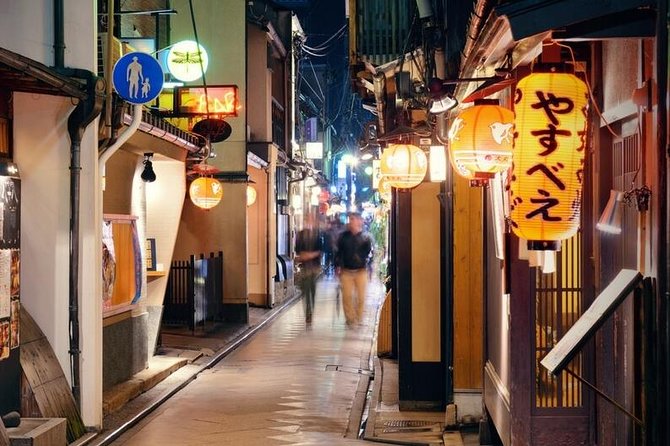
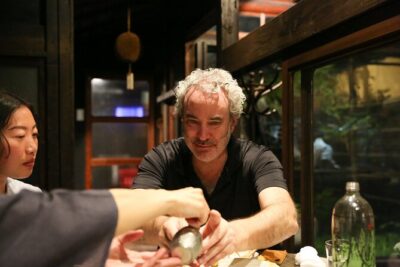
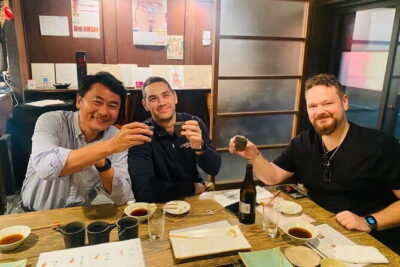
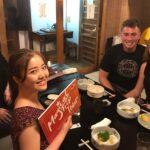
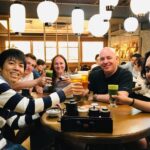
This is the part where the tour shifts from “Kyoto as history” to “Kyoto as evening life.” One of the described stops takes you into a narrow historic nightlife street with intimate bars and cozy izakayas. Your host can help you choose a hidden spot for a drink or snack, with insider context on Kyoto drinking culture.
What’s included is clear: you get two drinks. The choice includes local beer or a non-alcoholic beverage. That’s a helpful value anchor because Kyoto evenings can turn expensive fast once you’re buying cocktails and snacks back-to-back.
Just manage expectations around food. The tour does not include additional food or extra drinks beyond those two drinks. In practice, many nights at izakayas are built on small plates, so you may want to budget a bit extra if your goal is a full meal, not just one snack stop.
Also, consider alcohol comfort. Several guide stories mention hosts adjusting based on visitor needs and preferences. If you don’t drink alcohol or prefer a lighter pace, it’s easy to steer toward non-alcoholic choices and shorter bites if you say so early.
If you’re specifically looking for a certain style of bar—some people asked for speakeasy-style places—hosts may be able to work that into the night depending on what’s open and what fits your route. This is where direct messaging with the guide helps.
Yasaka Shrine after dark: lights, calm, and the how-to of visiting
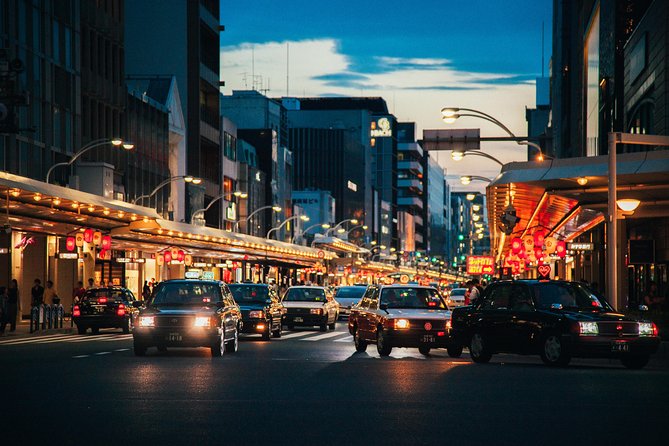
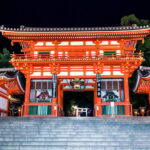
Later, the tour includes Yasaka Shrine after dark, explicitly aimed at helping you escape daytime crowds. The experience here is less about ticking a box and more about noticing how a shrine setting feels different when the street noise drops and the lights soften the view.
Your host explains local customs and Shinto traditions at night, plus a legend connected to the shrine. Even if you’re not religious, you can still appreciate the cultural etiquette: how people approach, where they pause, and what parts matter if you want to be respectful without feeling lost.
One practical tip: wear sleeves or bring something light if you tend to get cold at night. Kyoto evenings can feel cooler than you expect, especially near nighttime crowds thinning out. You’ll spend time standing and looking.
If you’re visiting with someone who prefers not to participate in prayers, it helps to know that hosts can explain what’s happening and adjust based on comfort. That flexibility shows up in guide feedback where cultural sensitivity was praised.
The quiet Gion shrine stop: where the night slows down
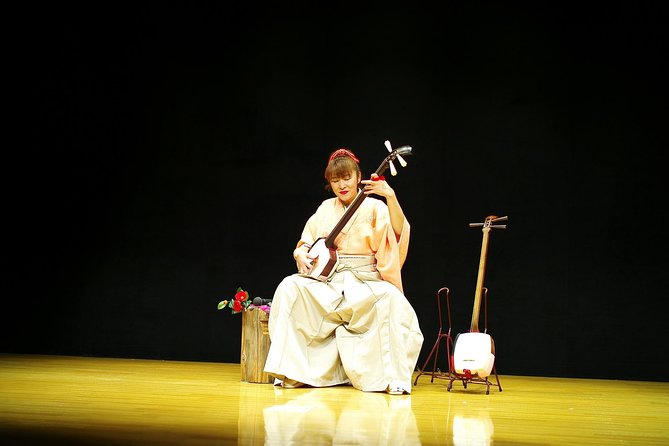
In addition to Yasaka Shrine, the itinerary includes a smaller shrine stop in the Gion area. It’s described as an authentic, atmospheric place where you can take a quiet, reflective moment during the evening walk.
This is one of the biggest reasons the tour feels different from a typical bar crawl. After Gion’s lanes and nightlife streets, that calmer pause gives you a “reset.” The guide’s story-telling style is what transforms this from a quick stop into a meaningful one, because you learn what to notice while you’re there.
If your group tends to get restless, this part is a built-in breather. If your group loves photos, the lighting at smaller shrines often gives a softer background than the busiest streets.
Price and value: is $150.35 per person worth it?
At $150.35 per person for a private night walk, this isn’t a budget activity. But the value comes from the mix of things you normally pay for separately.
Here’s the math in plain terms:
- You’re paying for private time with a local host instead of joining a crowded group.
- You get two drinks included, which helps cover at least one meaningful part of the night.
- You’re getting planning support via a pre-tour questionnaire and direct communication with the host.
- You’re getting a guided route focused on after-dark Kyoto areas like Gion and Pontocho, plus shrine context.
The “about 2 to 3 hours” duration shown in the tour summary matters, but the included description also references a 4-hour walking experience. That mismatch is why I suggest thinking in terms of an evening window, not a tight timed appointment. If your night in Kyoto is short, a private guide can still be worth it because you gain clarity and save decision time.
Also note what’s not included: transportation between sites may cost extra, and you’ll likely want additional food if you get hungry. So treat the tour as the guided backbone of the night, not the entire meal plan.
Guides, customization, and how to get the best version of the tour
A big theme in strong guide feedback is simple: customization works. Hosts are praised for customizing plans, staying friendly, answering questions, and adjusting for group needs. If you want that same payoff, your job is to use the pre-tour questionnaire thoughtfully.
Think about three things before you message your guide:
- Your history level: do you want architecture details, religious customs, or lighter storytelling?
- Your food and drink comfort: beer versus non-alcoholic, plus any dislikes.
- Your pace: relaxed strolls for photos, or more fast-moving alley-to-alley time.
If you’re a photography person, mention that up front. Some guides get called out for being excellent photographers at night, so you can likely ask for help with where to stand and when.
If you have mobility limits, tell the guide early. This tour is walking-focused, but hosts can often adjust stops and pacing as long as you communicate.
One more practical note: there’s at least one reported issue where the included drinks didn’t get delivered as expected. That’s not something you should assume will happen, but it is a reminder to confirm at the start how the two included drinks will work for your group.
Who this tour suits best (and who might prefer something else)
This tour is a great match if you:
- Want Kyoto after dark without spending your evening guessing where to go.
- Prefer a private guide who can tailor the night to your interests.
- Like nightlife culture, but still want context beyond just walking into a bar.
- Enjoy shrines and want the etiquette explained in a way that feels respectful.
It also works for families and mixed-age groups. There are mentions of guides being thoughtful for elderly visitors and adapting routes to make it comfortable.
You might consider a different option if:
- You expect the tour to include a full meal and lots of food.
- You only want temple-heavy sightseeing and zero nightlife elements.
- You’re very strict about a fixed start time and changes would ruin your schedule. One negative experience noted timing changes close to the tour date, so if your Kyoto days are packed tight, confirm everything in writing and keep your plan flexible.
Should you book this Kyoto night tour?
I’d book it if you want a guided night in Gion and Pontocho that blends lantern streets, drink-and-bite culture, and shrine calm—without the headache of crowd navigation. The private format, the included drinks, and the host flexibility are what make the cost feel more justified than a standard group walk.
I wouldn’t book it blindly if your priorities are narrow or your budget is tight. Use the questionnaire, tell your guide exactly what you want (and what you don’t), and plan on paying extra for additional food or transport if needed.
Bottom line: if you’re ready to trade a few daytime hours for a proper after-dark Kyoto mood, this is a solid way to do it.
FAQ
How long is the Kyoto private night tour?
The experience is listed as about 2 to 3 hours, and it’s also described as a 4-hour walking experience. In practice, your guide sets the pace based on your interests and route.
Is this tour private?
Yes. It’s private and exclusively for your party.
What’s included in the tour price?
The tour includes a private walking experience with a local host, a pre-tour questionnaire, direct communication with the host to plan your itinerary, and two drinks.
What drinks do you get?
You receive two drinks that you can choose as local beer or a non-alcoholic beverage.
Where does the tour start?
The meeting point is Matsumoto Kiyoshi Kyoto Shijo Kawaramachi (103-2 Hashimotochō, Shimogyo Ward, Kyoto). The tour ends back at the meeting point.
Is pickup included?
Pickup is offered.
Do we take public transportation during the tour?
Transportation isn’t included. The tour is primarily walking, and public transportation or a taxi may be used between sites at an additional cost discussed with your host after booking.
Is there free cancellation?
Yes, you can cancel for a full refund up to 24 hours before the experience start time.
Can service animals join?
Service animals are allowed, and most travelers can participate.