REVIEW · KYOTO
Experience a tea ceremony in an authentic tearoom, in Kyoto!
Book on Viator →Operated by Japanese Cooking Class Roujiya · Bookable on Viator
Stepping into an old Kyoto townhouse slows time. You’ll try a real tea ceremony setting in a 130-year-old home, led by Kaori, with instruction that helps the ritual make sense right away. It’s a calming break from Kyoto’s sights, with a small-group feel that makes the experience feel personal.
I especially love the hands-on matcha making part. You’re not just watching; you’re guided through how to whisk and serve matcha, with beginner-friendly explanations that stick. One drawback to consider: the ceremony is short (about 45 minutes), and the traditional sitting style can be tough for some people, though a stool is available if you need it.
In This Review
- Key highlights at a glance
- A 130-year Kyoto townhouse tea room moment
- How the ceremony flows in 45 minutes
- Sweets, matcha, and the tiny details that actually matter
- Hands-on matcha making: what you practice
- Comfort, seating, and small-group calm
- Price and value at $39.63 per person
- Where it starts: finding the meeting point smoothly
- Who should book this Kyoto tea ceremony
- Should you book this tea ceremony? A quick decision guide
- FAQ
- How long is the Kyoto tea ceremony experience?
- How many people are in the group?
- Where is the meeting point?
- What’s included in the ceremony?
- Is it beginner-friendly?
- Can I participate if I can’t sit in the traditional way?
- Is it conducted in English?
Key highlights at a glance
- 130-year-old Kyoto townhouse setting that makes the ritual feel real, not staged
- Kaori leads the session with patient, friendly explanations and clear English
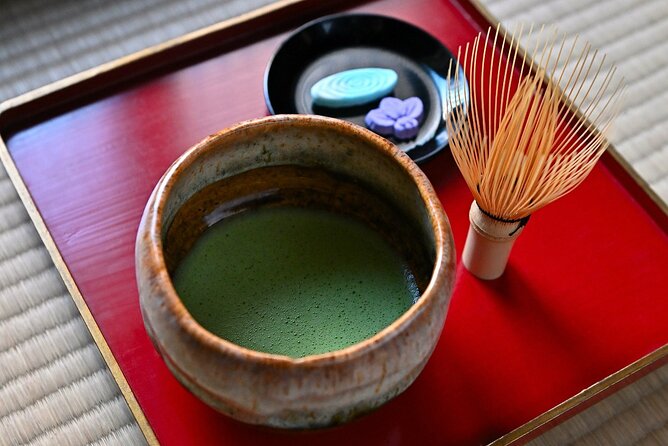
- Sweets + matcha tasting paired with context for how and why things are done
- You make your own matcha using step-by-step guidance, even as a beginner
- Small group size (max 10) for questions and a calmer pace
- Practical takeaways for home, including how to enjoy tea without special utensils
A 130-year Kyoto townhouse tea room moment
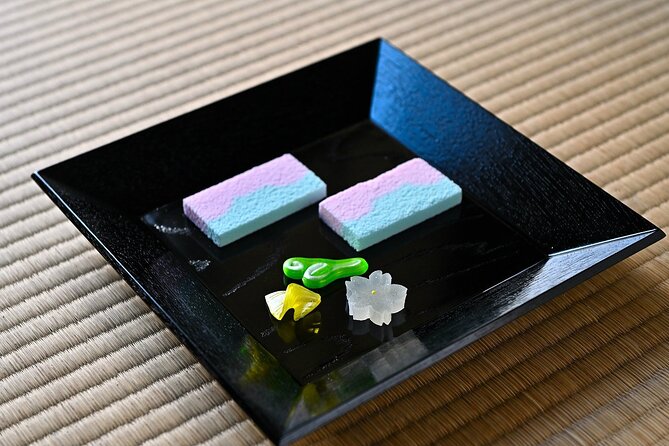
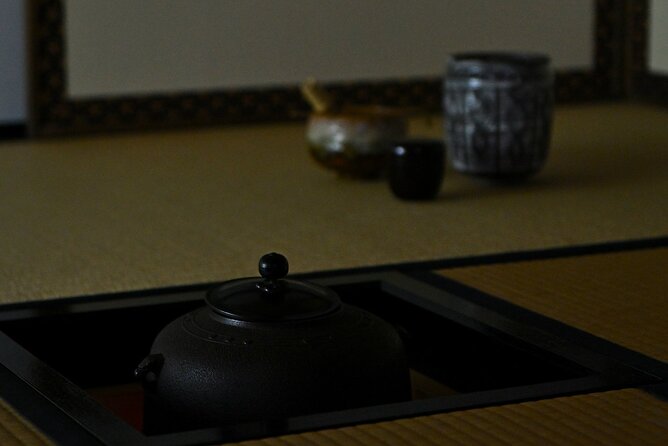
Kyoto has a lot of tea on offer, but this is different. The ceremony happens in an authentic tearoom inside a 130-year-old townhouse, which changes the whole mood. The place already feels like part of the tradition, so you’re not fighting loud streets or theme-park energy.
I like that the experience starts with you entering from the garden area. It’s a subtle shift: you step in, the room quiets down, and you’re pulled into the rhythm of the host’s pace. Several people also describe the setting as intimate, especially when the group is small.
One more practical plus: it’s near public transportation and uses a mobile ticket, so you can plan it without complicated logistics.
You can also read our reviews of more tours and experiences in Kyoto.



How the ceremony flows in 45 minutes
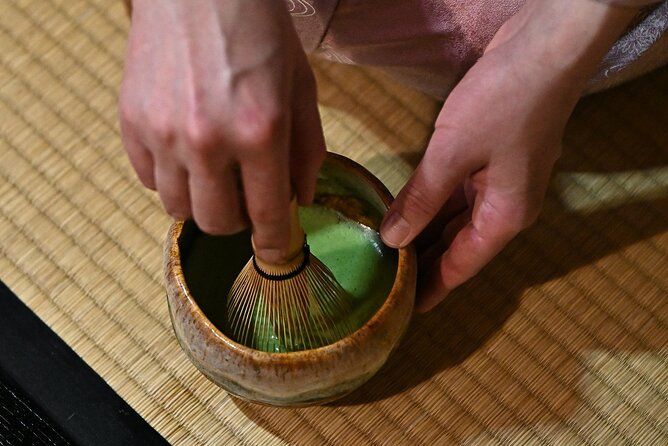
This is not a long, multi-course event. It’s about 45 minutes, and it’s structured like a lesson you can actually finish without feeling rushed.
Here’s the flow you can expect:
- Arrival and settling in: You’ll enter the tearoom from the garden area and get oriented to the space and the basics of what’s coming next.
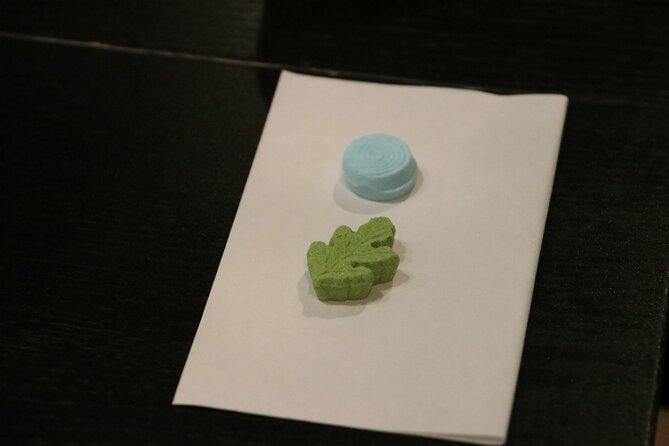
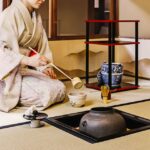
- Sweets and observation: You’ll enjoy dried sweets from a long-established Kyoto confectionery while you watch the instructor’s demonstration. The host explains what you’re seeing so it doesn’t feel like random steps.
- Matcha focus: After tasting, you move into the main activity: making matcha yourself.
- Practice and guidance: You’ll follow the instructor’s instructions for how to prepare the matcha. The teaching style is slow enough for beginners, with clear cues on what matters.
- How to appreciate matcha: You also get tips on how to look at it, how to drink it, and how to understand the mindset behind the ritual.
Because the time is limited, the session hits the essentials: history and culture (enough to make the ritual meaningful), tasting, then your own bowl of matcha.
Sweets, matcha, and the tiny details that actually matter
A tea ceremony isn’t just about taste. It’s about attention—how you handle the moment from start to finish.
The session includes Japanese sweets served alongside your matcha. One detail that came up in feedback: the sweets are wasanbon, a traditional sugar type known for its distinct character. If you’re expecting a big dessert course, you might find the portions small. But the idea is that the sweets prepare your palate and add a seasonal, Japanese touch to the whole experience.
On matcha itself, the focus is quality and technique. You’ll taste matcha green tea from a shop with history in Kyoto. The host explains how to appreciate it, so you’re not guessing what you should notice besides the taste.
If you’re wondering whether you’ll just get sugar and green tea, the better way to think about it is: the sweets are part of the ceremony pacing, while matcha is the skill portion.
Hands-on matcha making: what you practice
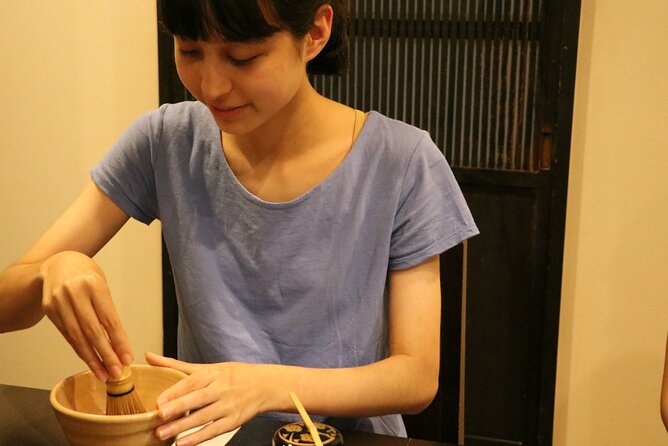
This is the section most people remember. The best part is that you make your own matcha, with guidance that’s meant for people who have never done it before.
During the hands-on time, you’ll learn the practical method:
- how to prepare matcha step by step
- how to whisk so you get the right texture
- how to serve and drink in a way that fits the ceremony’s etiquette
You also get the kind of instruction that helps you later. Some people come away saying they bought a matcha brush afterward, which tells you the instructions are detailed enough to inspire follow-through.
One practical takeaway that matters for real life: you’ll be taught tips for enjoying tea at home even if you don’t have the full set of utensils. That’s huge, because most tea ceremony experiences stop at the show part.
Comfort, seating, and small-group calm
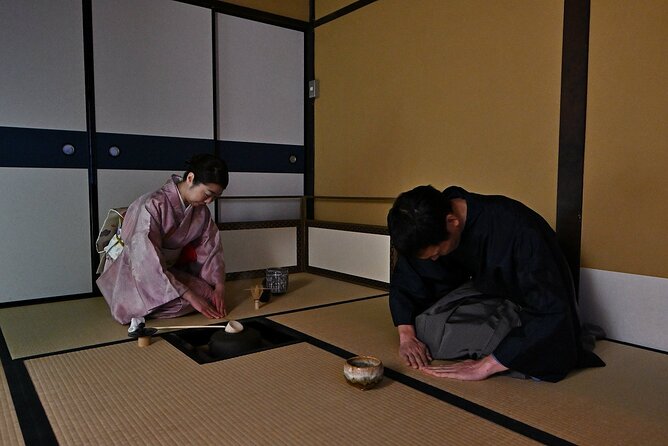
Kyoto is full of kneeling chairs and low stools. This ceremony tries to handle that with common-sense options.
If you’re worried about sitting in a traditional way, you’ll want to know that a stool is available if needed, based on feedback from people who had trouble with knees. That can make the difference between enjoying the ritual and spending the whole time adjusting your body.
Group size is also a comfort factor. The experience has a maximum of 10 travelers, and feedback often describes the ceremony feeling intimate when the group is smaller. In practical terms, that means more room for questions and less waiting your turn.
Also, the host is described as welcoming and calming. The tone matters here. Tea ceremony is supposed to feel like a pause, not a performance.

Price and value at $39.63 per person
At about $39.63 per person for roughly 45 minutes, you’re paying for more than a sip. You’re paying for instruction, a real setting, and a guided cultural lesson that stays practical.
Here’s how I think about the value:
- You get tasting + making in one visit. Many experiences only teach through watching.
- The setting is a 130-year-old townhouse, which is not something you can fake with a generic demo room.
- The lesson includes history and culture, plus how to appreciate matcha and drink it correctly.
- You leave with home-use tips, including how to enjoy tea without full utensils.
Could it feel expensive if you expect a long dinner experience or large food portion? Yes. A few comments criticized the sweets as small and the ceremony as short. But if you’re buying a cultural skill experience that ends with your own bowl of matcha, the pricing makes more sense.
My advice: treat it like a focused workshop in a beautiful place. Not like a meal.
Where it starts: finding the meeting point smoothly
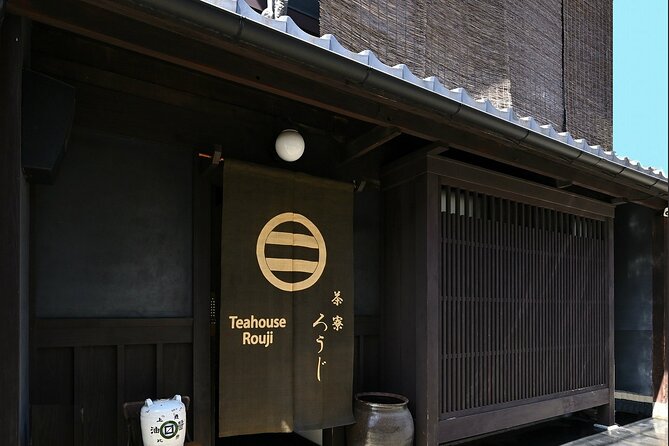
You’ll meet at 22-26 Nishinokyō Ikenouchichō, Nakagyo Ward, Kyoto, 604-8375, Japan. The activity is near public transportation, which is helpful in Kyoto where transit can be the difference between a relaxing day and a stressful one.
You should plan to arrive a few minutes early so you can settle before entering the tea room from the garden. With any small-group ceremony, being on time protects the calm pace the host is trying to create.
If you’re sensitive about timing, double-check your appointment time before you go. One piece of feedback showed that scheduling messages can get confusing, and the experience can be disrupted if the start time doesn’t match what you’re expecting.
Who should book this Kyoto tea ceremony
This works especially well if you:
- want an authentic tearoom experience in Kyoto rather than a quick tourist stop
- like hands-on activities where you actually practice, not just watch
- are curious about Japanese culture and want context beyond the drink
- want a calm, orderly experience that gives you mental rest during a busy day of temples and markets
It’s also family-friendly in the sense that the host can explain clearly and patiently. Feedback includes mentions of family groups and people who needed seating adjustments.
If you want a full evening with lots of food and multiple courses, this may feel short. But if you want a meaningful introduction with practical skills, it’s a strong fit.
Should you book this tea ceremony? A quick decision guide
Book it if your goal is: learn the basics, taste the sweets, and make matcha with proper guidance in a real 130-year Kyoto townhouse.
Skip it or reconsider if your goal is: a long, food-heavy event, or you mainly want photos without taking part in the ritual. Also consider that traditional seating can be uncomfortable for some people, though stool support is available.
If you’re trying to decide between a tea ceremony and another Kyoto experience, think about what you’ll remember in a month. This kind of workshop usually sticks because you practice something you can recreate.
FAQ
How long is the Kyoto tea ceremony experience?
It runs for about 45 minutes (approx.).
How many people are in the group?
The experience has a maximum of 10 travelers, so it stays fairly small.
Where is the meeting point?
You’ll meet at 22-26 Nishinokyō Ikenouchichō, Nakagyo Ward, Kyoto, 604-8375, Japan. It ends back at the meeting point.
What’s included in the ceremony?
You’ll enjoy Japanese dried sweets and matcha green tea, watch the demonstration, and then make matcha yourself. You also receive instruction on tea ceremony history and how to appreciate matcha.
Is it beginner-friendly?
Yes. The experience is designed to explain matcha and the tea ceremony in a way that works for beginners.
Can I participate if I can’t sit in the traditional way?
If sitting traditionally is difficult, a stool is available if needed.
Is it conducted in English?
Based on feedback, the host’s English is very good, with clear explanations.