REVIEW · KYOTO
Kyoto Gion Tea ceremony & Wabi-sabi Walking Tour
Book on GetYourGuide →Operated by MagicalTrip · Bookable on GetYourGuide
A quiet bowl can change your whole day. This Kyoto Gion tea ceremony + wabi-sabi walking tour pairs a gentle neighborhood walk with a real tea experience guided in English. You’re not just tasting matcha; you’re learning how Japanese beauty is meant to be felt, not explained.
I especially like the way the route links daily scenery to tea philosophy, from Gion’s atmosphere to quiet Zen spaces. The second win is the end part: you get a hands-on tea ceremony with matcha and a small seasonal snack, led by a tea master, not a demo.
One drawback to plan around: timing. If you arrive late or miss the group start, you may lose the chance to participate in the tea ceremony, since the schedule is built around that fixed session.
In This Review
- Key things to know before you go
- From Gion to Zen: what wabi-sabi actually means on this walk
- Meeting at Gion-Shijo with a clear start
- The Gion walk: old streets, matcha culture, and first impressions
- Kenninji Temple: one of Kyoto’s oldest Zen stops
- Higashiyama art and “feel it” lessons for wabi-sabi
- Entoku-in: the quiet pause that sets up the ceremony
- Tea ceremony (45 minutes): matcha, sweets, and choosing a bowl
- Price and value: is $92 worth it?
- Practical advice so the day goes smoothly
- Who this tour suits (and who should skip it)
- Should you book the Kyoto Gion Tea Ceremony & Wabi-sabi Walking Tour?
- FAQ
- What is the duration of the Kyoto Gion Tea Ceremony & Wabi-sabi Walking Tour?
- Where do I meet the guide?
- Is the tour guide available in English?
- What’s included in the price?
- How old do you need to be to participate in the tea ceremony?
- How big is the group?
- Is the tour wheelchair accessible?
- Can I cancel for a refund if my plans change?
Key things to know before you go
- Small group (up to 7): You get room to listen and ask questions without feeling herded.
- English guide (Masa): The tour includes an English-speaking guide, and Masa’s explanations are part of the appeal.
- Kenninji Temple + Entoku-in: You visit two temples with entrance fees included.
- Wabi-sabi in the walking part: You learn the idea by seeing everyday details and tea-related objects, not just hearing definitions.
- Tea ceremony at the end: You choose a tea bowl appropriate for season and taste, then enjoy matcha with sweets.
From Gion to Zen: what wabi-sabi actually means on this walk
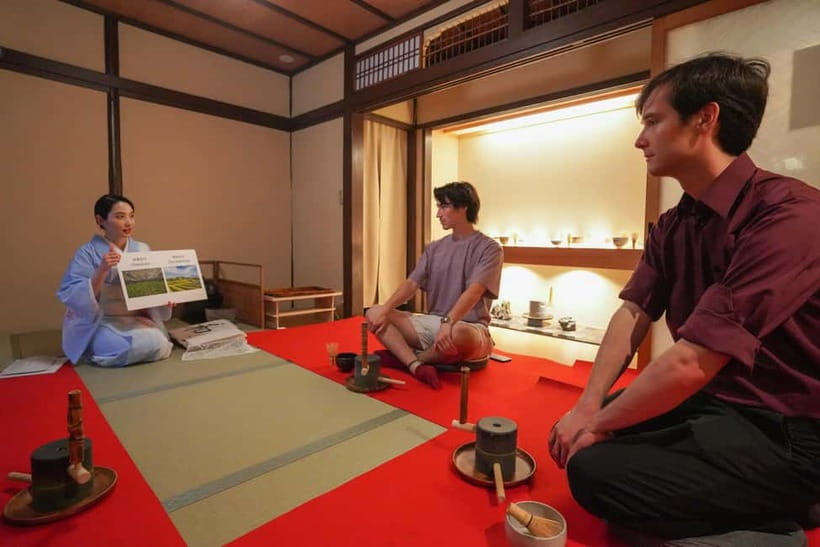
Wabi-sabi is one of those words that can sound abstract until you see it practiced. In this tour, you connect it to small, physical things: the way tea tools look used, how nature shows up in materials, and how calm spaces slow your thinking down.
The tour’s framing is simple and powerful: in the tea ceremony, beauty is not only about what looks perfect from the outside. It’s also about the inside beauty found in nature, in seasonality, and in the objects you handle. That’s why the walk matters. You’re being guided to notice and feel before you ever sit down with matcha.
The result is that when you finally reach the ceremony, it doesn’t feel like a standalone activity. It feels like the last page of a story you’ve been reading as you go.
You can also read our reviews of more walking tours in Kyoto


Meeting at Gion-Shijo with a clear start
You meet in front of the Izumo no Okuni statue right outside Exit 5 of Gion Shijo Station (Keihan Line). Your guide holds an orange signboard that says Magical Trip Tour, so you can spot the group fast.
Because the tour is timed tightly, this is one place where arriving early is worth it. You start on time, and you won’t be able to join if you’re late and miss the group. If you’re trying to catch trains or hop off a bus, give yourself a buffer.
The group stays small throughout, and photos are included during the tour. If you like having someone else capture a few key moments, this is a nice perk.
The Gion walk: old streets, matcha culture, and first impressions
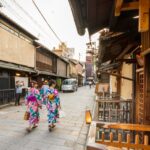
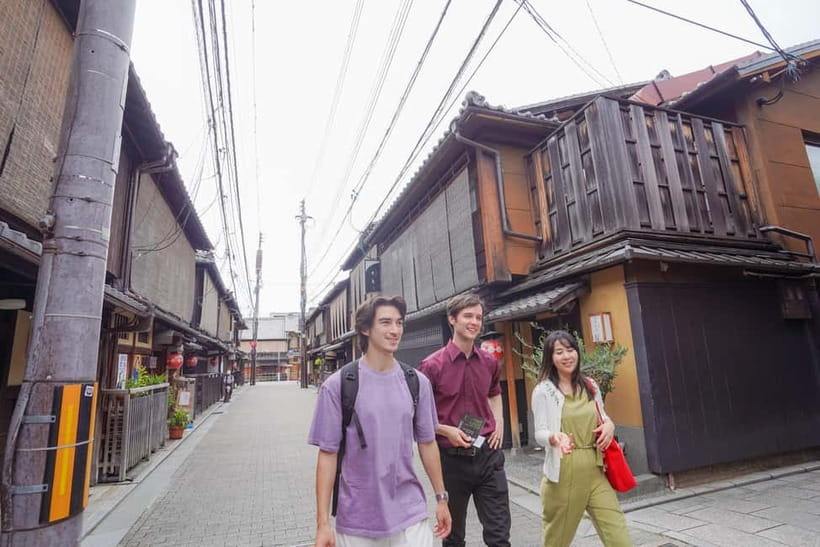
After you start at Gion Shijo, you stroll through Gion with your English-speaking guide. This segment is designed to ease you into the tea-world mindset while you’re still in a lively Kyoto atmosphere.
You also visit a matcha shop during the walk. Even if you don’t buy anything, it helps you understand how matcha is treated here—not as a generic drink, but as part of a larger culture of taste, season, and tools.
Expect this part to be more than photo stops. The guide connects the neighborhood sights to what you’ll later see and experience with the utensils used in tea. It makes the ceremony feel less like a performance and more like a continuation of what you just learned on the street.
Kenninji Temple: one of Kyoto’s oldest Zen stops
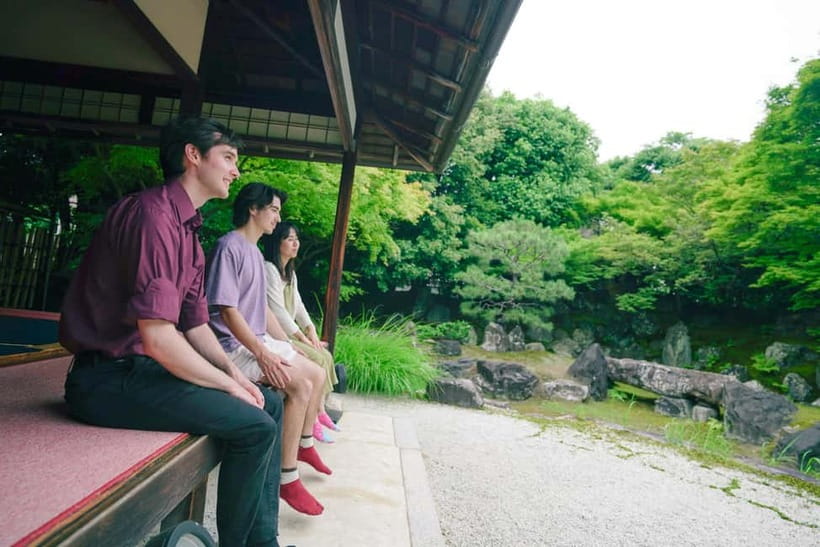
Next, you head to Kenninji Temple for a guided visit. This is one of the tour’s strongest historical anchors, and it’s built for calm attention rather than rushed sightseeing.
Here’s why it’s worth your time: Zen spaces train your senses to slow down. Dry gravel, quiet buildings, and the simple rhythm of the grounds help you feel what the ceremony is trying to recreate—attention, restraint, and appreciation.
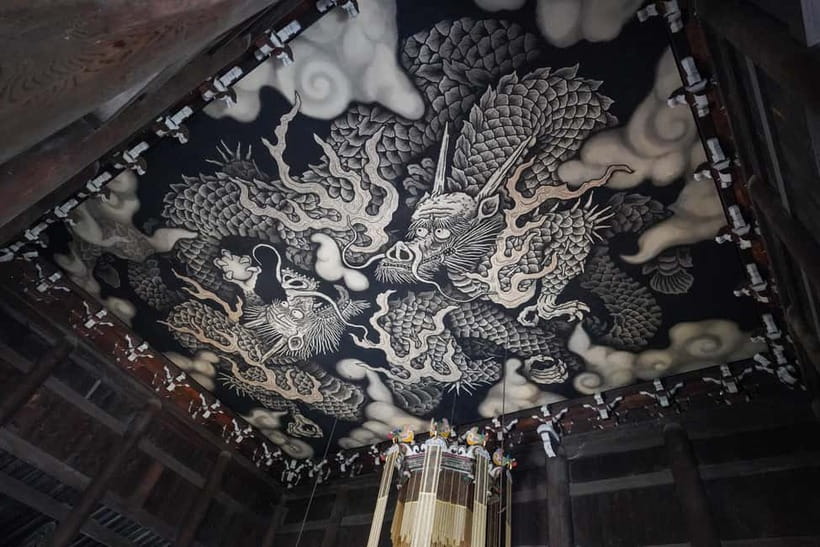
This stop also matters for context. Tea culture in Japan isn’t only about flavor. It’s tied to spiritual and aesthetic ideas that show up in Zen gardens, temple design, and the discipline behind the ceremony steps.
Higashiyama art and “feel it” lessons for wabi-sabi
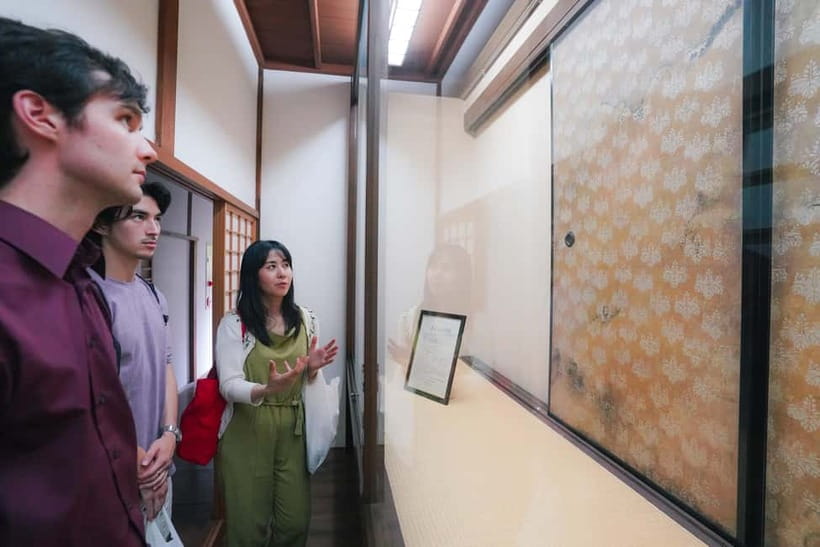
The middle of the tour is where wabi-sabi becomes more tactile. You spend time in Higashiyama with multiple short guided segments, including sightseeing and shopping time.
Along the way, you’re guided to look at and handle (where appropriate) tea-related items like tea bowls at a traditional pottery shop. You also view Japanese paintings and a karesansui dry landscape Zen garden at a quiet temple setting.
This is the part I’d treat as your homework, in the best way. Wabi-sabi isn’t just an idea about broken things. It’s about the kind of beauty that grows with age and use, and the way materials show their history. Watching your guide point out what to notice helps you stop judging by first impressions.
And the shopping slot is useful because it gives you a chance to act on what you like. If you fall for a bowl style, a small tool, or a motif connected to tea culture, you’ll have time to consider it without panicking at the end.

Entoku-in: the quiet pause that sets up the ceremony
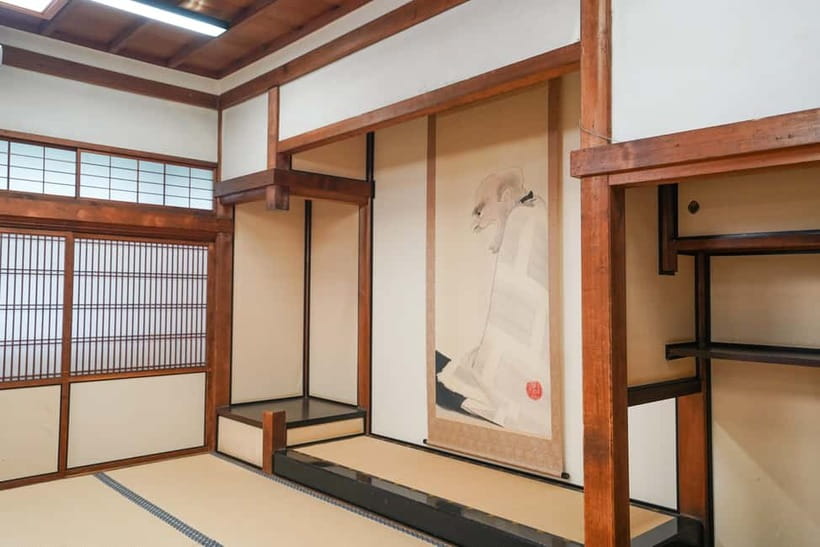
You’ll visit Entoku-in for about 30 minutes. This temple stop is positioned to cool your head after the earlier walking sections.
I like this structure: you don’t go straight from crowds and streets into a ceremony seat. Instead, you get a real quiet break first. That makes the later tea experience feel more grounded and less like a tourist act.
If you enjoy noticing details—textures, garden layouts, stillness—this part will reward you. If you’re less interested in temples, you can still use it as a breathing space before the main event.
Tea ceremony (45 minutes): matcha, sweets, and choosing a bowl
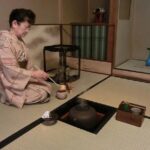
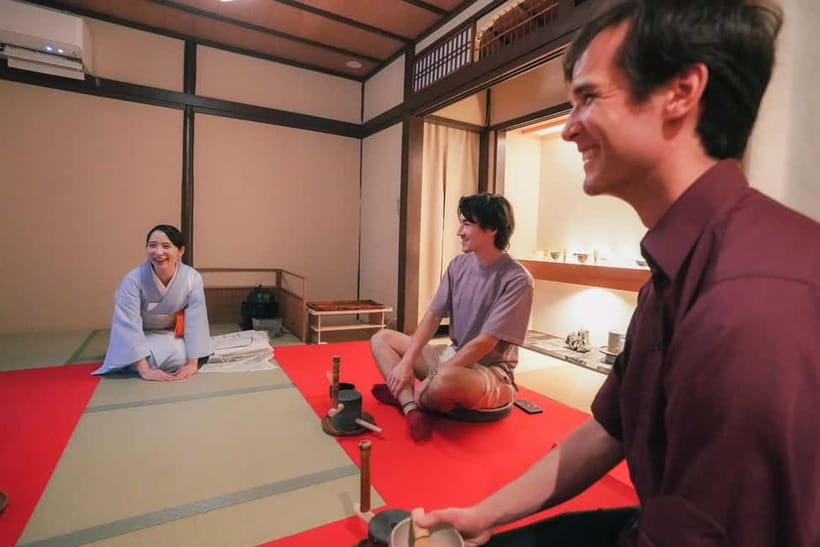
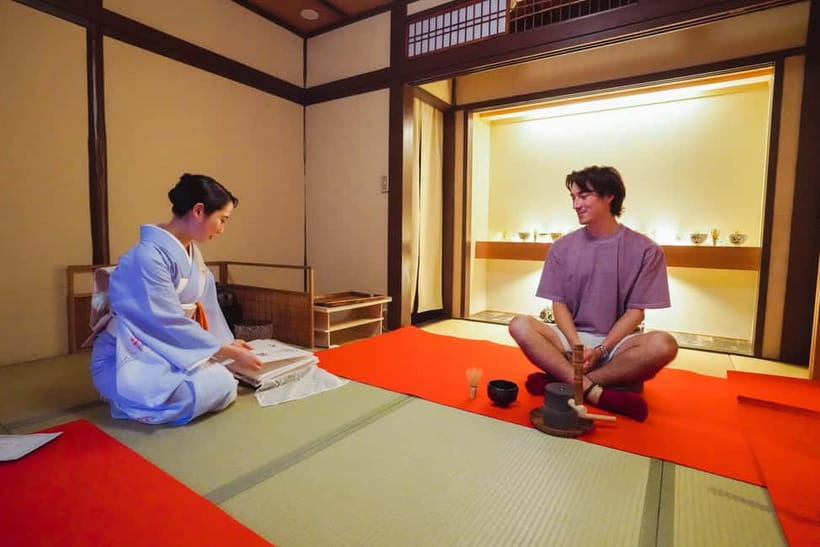
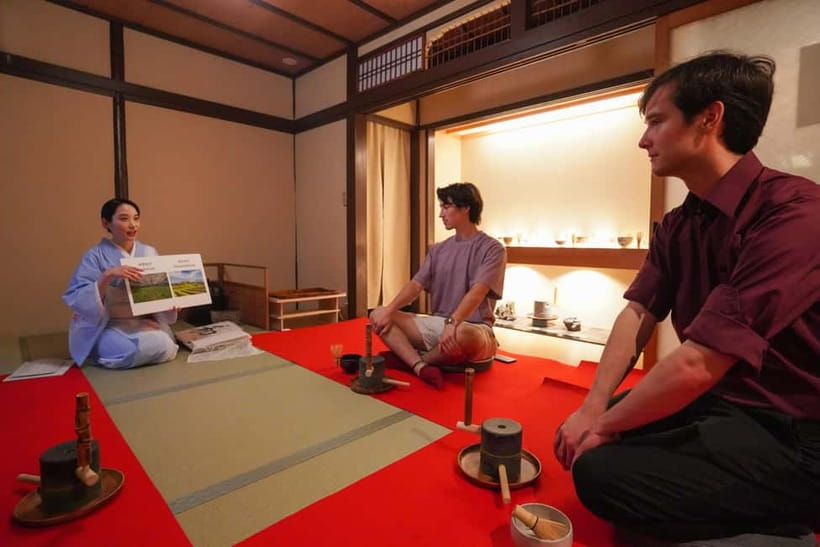
The tour ends with the main tea ceremony experience (about 45 minutes) under a tea master. You drink matcha with a small seasonal snack, and you’ll also enjoy Japanese sweets.
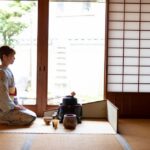
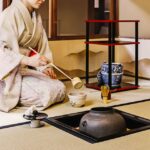
One of the most practical and memorable parts is that you choose a tea bowl based on season and taste. That detail matters because it turns the idea of wabi-sabi into something you can feel. Instead of being told what to do, you’re invited to select the object that fits the moment.
You also learn how tea culture works as a whole: the essential meaning of the ceremony, why the utensils matter, and how the process connects to Japanese ideas about beauty. The goal is not to memorize steps like a checklist. It’s to understand what each part of the ceremony is trying to create for the person receiving it.
Tip: bring a small amount of patience for the rhythm. A tea ceremony runs at the pace it needs, not the pace your train requires.
Price and value: is $92 worth it?
At $92 per person for about 210 minutes, the value comes from the blend: guided walking + temple admissions + a real ceremony with matcha and sweets.
What you’re getting that adds real cost if you did it on your own:
- English guide throughout the walk and into the tea experience
- Entrance fees for two temples included
- Tea ceremony itself with matcha and seasonal snack
- Photos taken during the tour
- A small group size (limited to 7), which usually means less waiting and more attention
If you’re the kind of traveler who wants to understand what you’re doing—not just watch—this price makes sense. If you only want the tea ceremony with no interest in the wabi-sabi learning part, then you might compare this with simpler, standalone tea experiences. But if you like context and guidance, the structure is built to justify the spend.
Practical advice so the day goes smoothly
A few common-sense moves can make a big difference:
- Wear comfortable shoes. You’re walking around Gion and Higashiyama and visiting multiple sites.
- Arrive early. The tour starts on time, and late arrivals can miss the group and lose the ceremony slot.
- Plan for weather swings. Japan can be extreme (up to around 40°C in summer and down to about -5°C in winter), and the tour may cancel for safety in unsuitable weather.
- Bring your attention, not just your camera. The wabi-sabi part is about noticing—texture, material, seasonality—so phones shouldn’t steal your whole focus.
Who this tour suits (and who should skip it)
This is a great match for you if you:
- want a guided English experience in Kyoto
- care about tea culture and how it connects to Zen aesthetics
- prefer a small group pace rather than a huge bus-crowd rhythm
It’s not suitable for wheelchair users. Also, the tea ceremony portion can only accommodate participants 6 years old and older. Children younger than that can join only if one adult accompanies them outside the facility during the tea portion.
If you’re traveling with kids under 6, this matters because it affects how family time works during the ceremony.
Should you book the Kyoto Gion Tea Ceremony & Wabi-sabi Walking Tour?
Book it if you want the best version of a Kyoto tea day: walking with an English guide, temple stops that slow you down, and a ceremony that feels connected to the ideas you learned along the way. This is the sort of experience that sticks because you’re not only tasting matcha—you’re being taught how to read the meaning behind the tools and the season.
Skip it or consider another option if your schedule is tight or you’re worried about being late. The tour is timed, and the tea ceremony is the centerpiece. If you can’t protect that timing, the experience can get frustrating fast.
If you like calm structure, thoughtful guidance, and a little hands-on tea culture, you’ll probably feel grateful you chose this format.
FAQ
What is the duration of the Kyoto Gion Tea Ceremony & Wabi-sabi Walking Tour?
The tour lasts about 210 minutes.
Where do I meet the guide?
Meet in front of the Izumo no Okuni statue right outside Exit 5 of Gion Shijo Station (Keihan Line). The guide holds an orange signboard saying Magical Trip Tour.
Is the tour guide available in English?
Yes, the tour includes an English-speaking live guide.
What’s included in the price?
The price includes the tea ceremony experience (matcha and a small seasonal snack), entrance fees for two temples, and photos during the tour.
How old do you need to be to participate in the tea ceremony?
Tea ceremony participation can accommodate people who are 6 years old and older. Children younger than 6 can join only if one adult accompanies them outside the facility during the tea ceremony.
How big is the group?
The group is small, limited to 7 participants.
Is the tour wheelchair accessible?
No. This experience is not suitable for wheelchair users.
Can I cancel for a refund if my plans change?
Yes. You can cancel up to 24 hours in advance for a full refund. Free reschedule is also available until 24 hours before the start time.