REVIEW · KYOTO
Kyoto Late Bird Walking Tour
Book on Viator →Operated by KAMNAVI Tours · Bookable on Viator
Torii gates and geisha streets, after the rush. This private half-day Kyoto walk (about 4 hours) starts at 2:00 pm and ties together Fushimi Inari-taisha, Yasakanoto, Yasaka Shrine, and the Gion district with a guide who helps you make sense of what you’re seeing and avoid getting turned around. I especially like the guide-led context at each stop, and I like the chance to watch for geisha or maiko on the Gion streets without needing to figure everything out alone.
One key consideration: the tour price covers the guide fee, but public transportation costs about ¥850 per person are not included. If you’re planning to pay by transit anyway, this tour can still be good value, but it’s not a total all-in-one price.
In This Review
- Key things to know before you go
- Why this late-bird afternoon route feels smarter
- Price and value: what you pay, what you don’t
- Kyoto Station start at 2:00 pm: how the first hour sets the tone
- Stop 1: Fushimi Inari-taisha and the torii tunnel effect
- Stop 2: Yasakanoto (the pagoda area) and a viewpoint moment
- Stop 3: Yasaka Shrine and how Gion got its name
- Stop 4: Gion streets, geisha/maiko spotting, and old-house vibes
- Your guide is the product: what made these tours shine
- Timing and walking comfort: make the 4 hours feel easy
- Should you book this Kyoto Late Bird Walking Tour?
- FAQ
- How long is the Kyoto Late Bird Walking Tour?
- Where does the tour start and end?
- What are the main stops on the route?
- Are admission tickets included?
- What does the tour price include, and what extra cost should I expect?
- Is this tour private, and does weather affect it?
Key things to know before you go
- Afternoon timing that feels calmer: a later start helps you see Kyoto landmarks without the same early-day crush.
- Private for your group: you won’t be squeezed into a huge shared group experience.
- Four major stops, with free admission at each: Fushimi Inari-taisha, Yasakanoto, Yasaka Shrine, and Gion are all listed as free stops.
- Geisha/maiko spotting is part of the walk: Gion is where you’ll keep your eyes open.
- Transit is part of the plan: bringing a loaded IC card makes the train hopping easier.
- Guide commentary is the main “extra” you pay for: the value is in what you learn while you walk.
Why this late-bird afternoon route feels smarter
Kyoto gets busy. You already know that. The trick is timing and navigation, not just checking boxes.
Starting at 2:00 pm is a practical move. You still get the iconic sights, but you’re likely to hit them with fewer crowds than the morning rush. Plus, you’re walking in the gentler part of the day, which makes a 4-hour route feel doable instead of exhausting.
You also get something many DIY plans miss: a guide who connects the dots. This matters in Kyoto, because shrines, pagoda areas, and old streets can look similar at first glance. The guide’s job is to make you recognize what you’re seeing and why it matters—fast.
You can also read our reviews of more walking tours in Kyoto

Price and value: what you pay, what you don’t
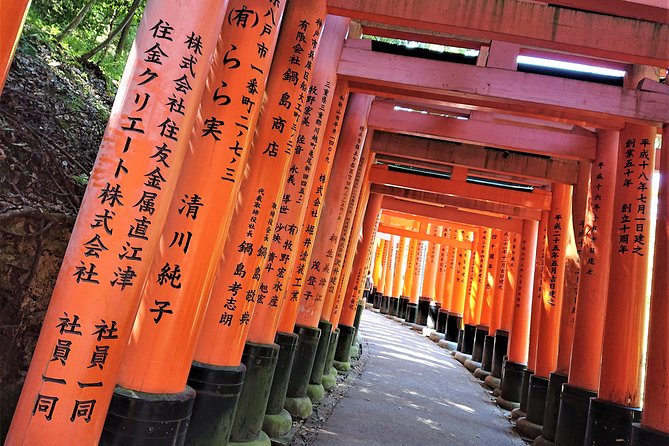
The listed price is $86.49 per person, and that covers the guide fee. Each of the stops is listed as free admission, which is a nice perk—you’re paying for interpretation and routing, not ticket lines.
What’s not included is the public transportation fare (¥850 per person). That’s important for budgeting. The good news is that the route uses public transit, so you’re not stuck with taxis or private transfers you may not need.
A small practical tip from past guests: have a loaded IC card ready. You’ll spend less time fumbling with purchases and more time just following the plan.
If you’re comparing value, think like this: you’re paying so you don’t have to (1) plan the order, (2) decide where to look, and (3) ask for help when you hit a confusing street corner. If you’re traveling with people who want a “show me the right way” experience, the price usually makes sense.
Kyoto Station start at 2:00 pm: how the first hour sets the tone
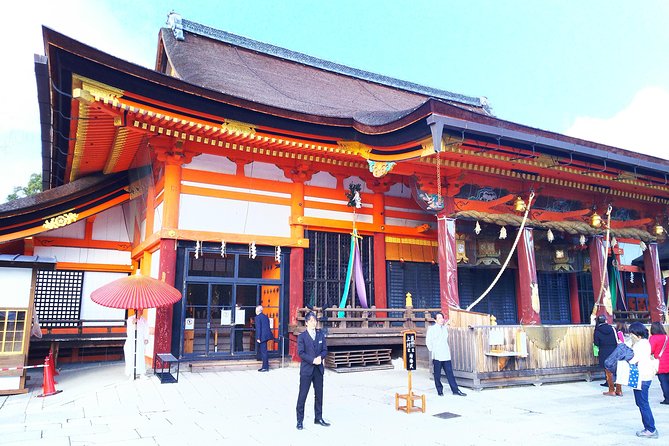
The meeting point is Kyoto Station, and the tour begins at 2:00 pm. It ends back at the meeting point, so you don’t have to worry about finding your way out of the neighborhood at the finish.
This start matters because Kyoto Station is where you’ll naturally feel both “grounded” and “lost.” The guide takes over that mental workload. You’ll be moving by train for parts of the route, then walking the sights. That combination is a great way to cover more area in less time without turning the afternoon into a marathon.
A nice detail from the experiences of guides with this company: when someone arrived late, the guide waited patiently until everyone was in place. That reduces stress. You show up, you connect with the guide, and you get moving.
Stop 1: Fushimi Inari-taisha and the torii tunnel effect
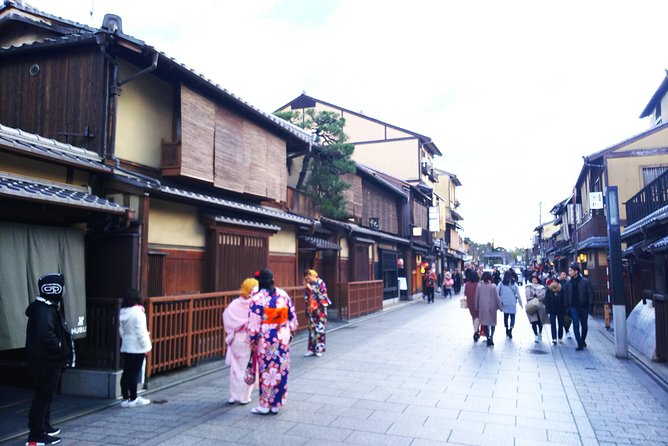
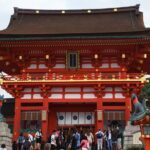
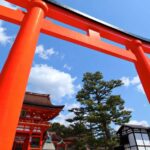
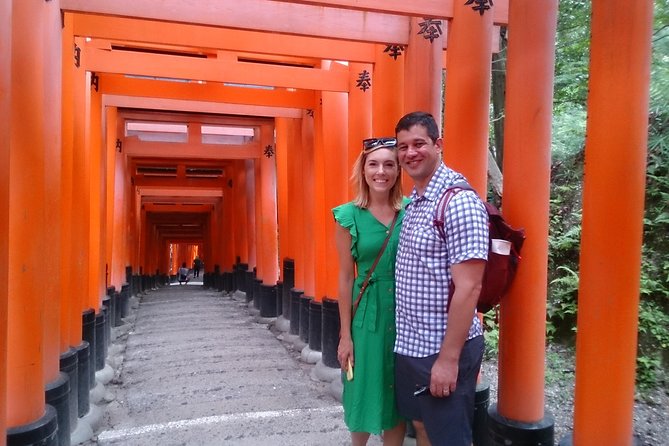
You’ll start at Fushimi Inari-taisha Shrine, famous for its tunnel of thousands of vermilion torii gates. Even if you’ve seen photos before, the real thing does a visual job on you: it turns a simple shrine approach into a long, repeating pattern you can actually feel.
Fushimi Inari is tied to wishes and gratitude offered to the deity enshrined there. The gates are said to be offered by worshippers in appreciation of good fortune. That’s the kind of detail a guide can translate into something you can remember while you’re standing there, not just something you read later.
What you’ll like about this stop on a late-afternoon walk:
- It’s a big, iconic scene, so you don’t need a deep plan to enjoy it.
- Your guide can point out what to focus on while you’re moving through the gates.
One possible drawback: because torii gates are the main event, some people only get the “main photo” and rush through. If you want the full payoff, slow down for the meanings your guide shares—otherwise it can feel like you’re just walking through a postcard.
Admission is listed as free, so you’re paying for the time and the navigation.
Stop 2: Yasakanoto (the pagoda area) and a viewpoint moment
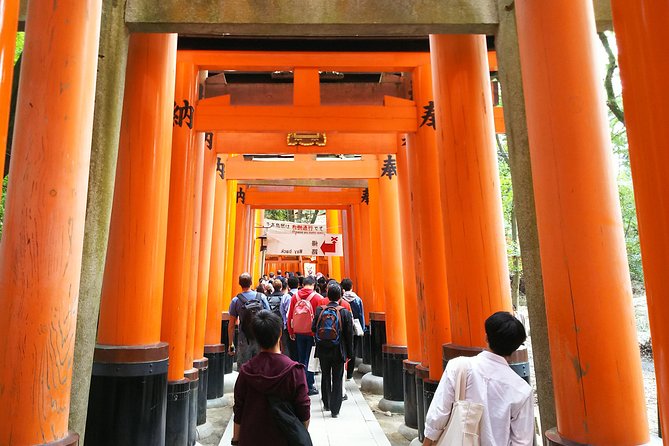
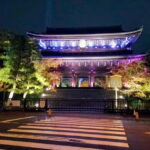
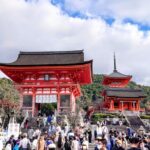
Next comes Yasakanoto, described as originally built in 592 and rebuilt in 1440. That age gap is exactly why a guide helps: it gives the place a timeline you can hold onto while you look at the structure.
This stop is also where you get a moment to pause and take in views. The pagoda area is positioned so you can see the surrounding Kyoto scene. In the evening, it’s crowded with photographers aiming for good shots, so the guide’s timing and pacing can help you avoid lingering in a crush.
What you’ll like here is the mix of architecture and perspective. It’s not just another shrine door. It’s a spot built for looking outward.
Drawback to consider: it’s short—about 30 minutes. If you’re the kind of person who loves long, slow photo sessions, you may want to treat this as a “set the angle, take the key pictures, then move on” kind of stop.



Stop 3: Yasaka Shrine and how Gion got its name
Then you’ll go to Yasaka Shrine. This is where the tour starts feeling like a story instead of a list.
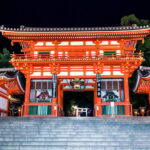
Yasaka Shrine was once called Gion Shrine, and the current name of Gion is said to have come from this shrine. That’s a great Kyoto detail because it explains why Gion feels like more than a themed district. It has a religious origin embedded in the neighborhood name itself.
The main deity enshrined here is described as powerful, and there’s also a god of beauty enshrined. A guide can point out how these ideas show up in what people do at the shrine, and why you’ll see visitors looking for specific kinds of good fortune.
This stop is short—about 20 minutes—but it gives you the “why” that makes the Gion walk afterward more meaningful.
Stop 4: Gion streets, geisha/maiko spotting, and old-house vibes
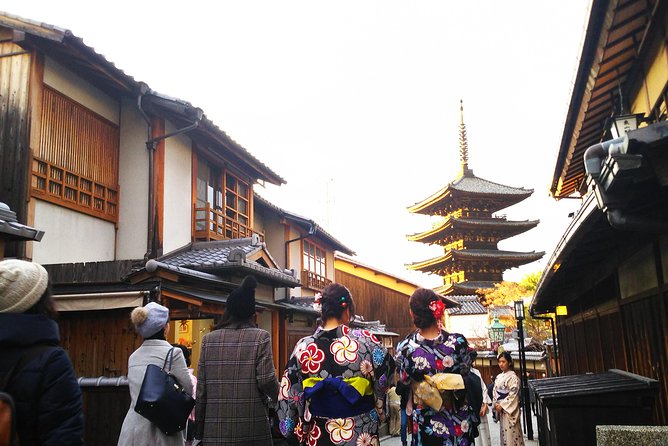
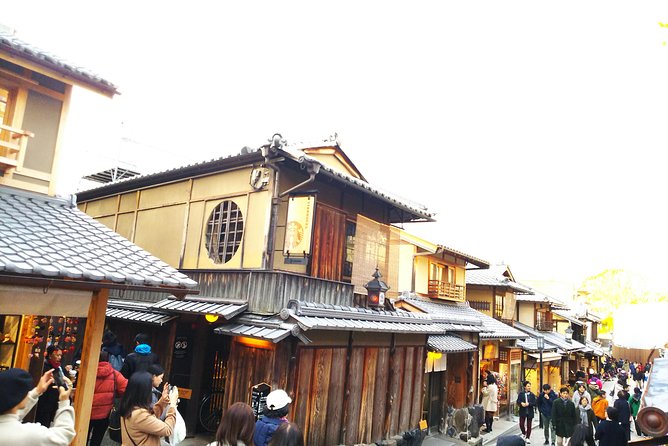
Finally, you reach Gion, Kyoto’s famous old-street district. The tour’s highlight here is simple: you’re walking in the right place to potentially see geisha or maiko (apprentices). You can’t force a sighting. But you can put yourself in the flow where it happens naturally.
What makes a guided walk helpful in Gion:
- You’ll know where to look and when, without slowing everyone down.
- You’ll be guided through the streets so you don’t waste time backtracking.
- You’ll hear how the district’s traditions connect back to shrines you saw earlier.
A practical note from past guide styles: guides like Saori and Kaz were described as enthusiastic, fluent in English, and good at conversation. That matters in Gion because it can be visually busy. If you’re talking while you walk, you’re not just scanning for faces—you’re understanding what you’re seeing.
If you’re hoping to meet geisha or maiko, keep expectations realistic. The win is the walk itself: preserved old-style houses, narrow streets, and the feeling that Kyoto still works like a living neighborhood.
Your guide is the product: what made these tours shine
With this kind of tour, the “real experience” is the guide. The stop list is great, but the guide is what makes it stick.
Some names that came up in strong feedback:
- Kaz: noted for waiting patiently if someone arrived late, then guiding the route with humor and translation moments.
- Saori: praised for energetic guiding, excellent English and Japanese, and the ability to connect stories to what you’re seeing. In particular, Saori was described as having studied in the USA, which helped her relate on a more personal level.
- Mitsue: liked for a relaxed pace and for pointing out places a first-time visitor might miss.
- Meg: described as professional and on-time, with a friendly presence right at the station.
One especially useful theme across these guide reports: they don’t just name places. They explain what people believe, how customs work, and what you should notice while you’re standing there.
Even if your route includes small “bonus” cultural moments—like translating a paper wish custom connected to shrine practice—this is exactly the sort of detail that turns a walking tour into a memory you can tell later.
Timing and walking comfort: make the 4 hours feel easy
This is a half-day, about 4 hours, and it’s a walking tour with train transfers. That’s enough walking to feel like you did something, but not so much that you’ll be destroyed by dinner.
Still, Kyoto footwear matters. Wear shoes you can walk in for long stretches. Gion streets can be uneven and narrow. Also, this is not stroller accessible, so if you’re pushing a stroller or using mobility aids, you’ll want to plan accordingly.
On the positive side, the experience is listed as accessible for those with limited eye sight and limited mobility, and pets are allowed. You’re not stuck with a tour that’s only built for one body type.
Weather matters too. The tour requires good weather, and if it’s canceled for poor conditions you’ll be offered a different date or a refund. That’s worth factoring into when you book—Kyoto weather can be moody.
Should you book this Kyoto Late Bird Walking Tour?
I think this tour is a strong pick if you want:
- A private afternoon plan that keeps Kyoto from turning into a map-staring exercise
- Expert guidance at four iconic areas, with free admission listed for the stops
- A realistic chance of Gion sightings, without needing special knowledge
- A relaxed pace guided by people who actually communicate well
You might skip it if:
- You’re traveling with your own strict itinerary and enjoy building routes yourself
- You hate public transit enough that paying the extra ¥850 per person feels like an annoyance
- You need stroller access, since it’s listed as not stroller accessible
If you’re on the fence, here’s the decision shortcut: if you’d rather spend your energy looking and learning than planning and worrying, this is the right kind of tour.
FAQ
How long is the Kyoto Late Bird Walking Tour?
It’s about 4 hours.
Where does the tour start and end?
It starts at Kyoto Station and ends back at the same meeting point.
What are the main stops on the route?
The route includes Fushimi Inari-taisha Shrine, Yasakanoto, Yasaka Shrine, and the Gion district.
Are admission tickets included?
Admission is listed as free for the stops on the tour.
What does the tour price include, and what extra cost should I expect?
The price covers the guide fee. Public transportation fare is not included and is listed as ¥850 per person.
Is this tour private, and does weather affect it?
Yes, it’s a private tour with only your group participating. It requires good weather, and if it’s canceled due to poor weather you’ll be offered a different date or a full refund.