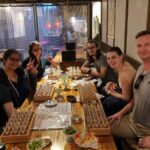
Food smells great, and the stories help you taste better. This 2.5-hour walk in Fushimi trades big Kyoto sights for an off-the-beaten-path shopping street and the kinds of snacks locals line up for. You’ll get a guided route with multiple stops, built around Kyoto favorites and a bit of hands-on matcha when your time slot allows it.
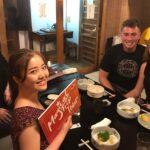
What I liked most was the focus on understanding the food. The guide I ran into (Sam) was the kind of person who explained where flavors come from and what to notice as you eat. Another big win was the neighborhood feel: when I went with Nick, the area felt quieter and more like Kyoto used to be in the 90s, before the tour buses fully took over.
One thing to think about: if you want to make matcha yourself, the option isn’t available for tours starting after 5:15pm. Plan your schedule around that if it matters to you.
In This Review
- Key highlights worth your attention
- Fushimi Otesuji Shotengai: Why this street-walk format works
- Your food lineup: what you’ll likely eat (and what to look for)
- How to prep your appetite
- Taiyaki: the warming sweet-savor bridge
- Karaage with up to four flavors: the crunch-and-theory stop
- Kare pan: curry bread that makes Kyoto feel casual
- Izakaya-style meats and regional bites: the part that adds character
- Matcha sweets and DIY green tea: timing matters
- How the 2.5-hour pace feels on the ground
- Price and value: is $91.21 worth it?
- Who should book this Kyoto food tour in Fushimi
- Should you book? My practical take
- FAQ
- How long is the Kyoto Hidden Gem Food Tour in Fushimi?
- How much does the tour cost?
- What foods are included?
- Is hotel pickup or drop-off included?
- Where do we meet for the tour?
- Where does the tour end?
- What is the group size?
- Is a mobile ticket used?
- Is DIY matcha available for every time slot?
- Can service animals join?
- What is the cancellation policy?
Key highlights worth your attention
- Small group of up to 6 people, so questions and pacing don’t feel rushed
- 5–6 snack stops covering savory and sweet classics like taiyaki, karaage, and kare pan
- Up to four karaage flavor options, so you can sample more than one personality of crunch
- Izakaya-style meats and regional bites that go beyond the usual souvenir-friendly snacks
- Matcha sweets plus optional DIY green tea, depending on your start time
- No entry fee for the main street stop, so you’re paying mainly for the food and guidance
Fushimi Otesuji Shotengai: Why this street-walk format works
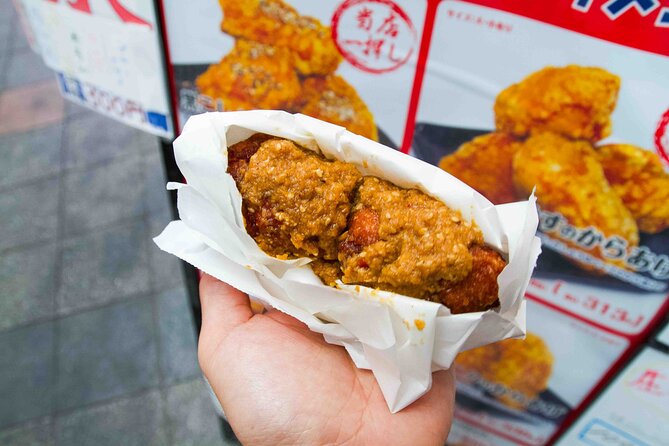
Kyoto food tours can turn into a checklist. This one works differently because it’s built around a real neighborhood shopping street—Fushimi Otesuji Shotengai—and the surrounding side streets where people actually shop, snack, and eat on the run.
The route’s design matters for you. A 2.5-hour format means you can enjoy several tastings without feeling stuck in a long meal that wipes out your whole afternoon. And because the group is capped at six, it stays easy to hear the guide, adjust pace, and follow along if you’re not fluent in Japanese.
You also get a nice bonus benefit: you’re not just eating in front of a camera. You’re walking through a lived-in area off the heavy tourist track. That’s where the little details land—like how shops present food, how people order, and how snack culture shapes the day-to-day rhythm.
You can also read our reviews of more food & drink experiences in Kyoto

Your food lineup: what you’ll likely eat (and what to look for)
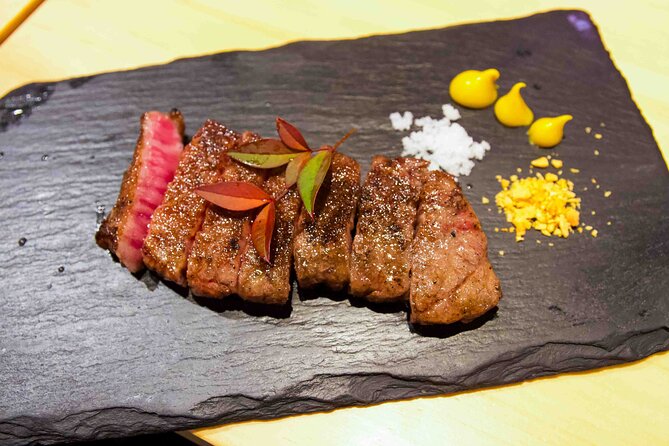
This tour is a “type of tasting” experience, not a strict menu etched in stone. Stops can vary slightly, but you can expect a lineup that includes both sweet and savory Kyoto staples. You’ll come away having sampled multiple textures: crisp-fried, warm bread, griddled sweetness, and tea-flavored desserts.
Here’s what’s typically on the table:
- Taiyaki, sweet or savory
- Crispy karaage with up to four flavor options
- Kare pan, Japanese curry bread
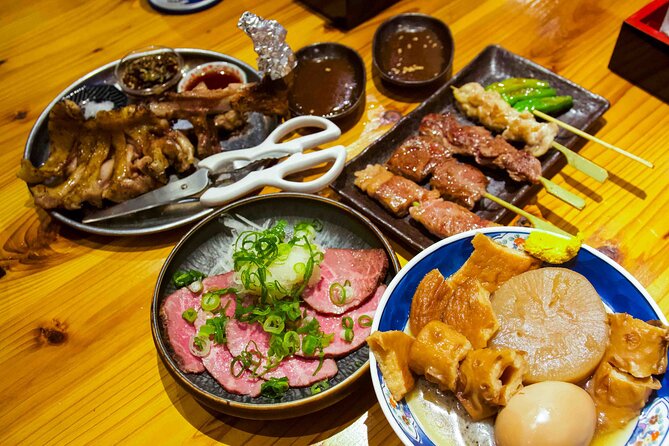
- Izakaya-style meats and regional delicacies
- Matcha sweets, plus an optional guided DIY matcha/green tea moment
And yes, you’ll get a free soda/pop drink with the tasting.
How to prep your appetite
This is billed as lunch-style street food. Plan for a good appetite, but don’t go in so full that you can’t taste nuance. I like to eat a light breakfast or skip lunch beforehand so the snacks feel like a journey, not a punishment. You’re sampling 5–6 items, and the pacing is part of the fun.
Taiyaki: the warming sweet-savor bridge
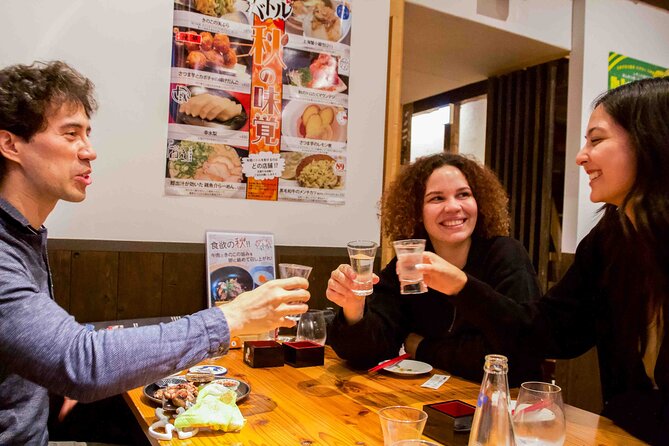
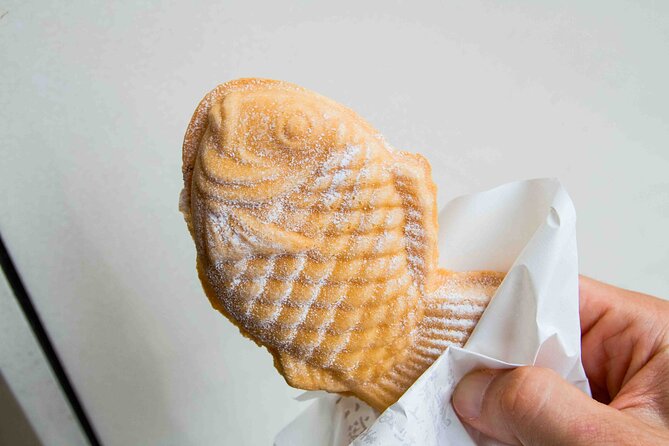
Taiyaki is one of those foods that seems simple until you pay attention. The fish-shaped cakes can be sweet, savory, or somewhere in between depending on the filling. On this tour, it’s less about getting one more snack and more about learning what makes the filling choices feel Japanese rather than generic.
When you’re guided through it, you get a better sense of the balance: the outside crust vs. the warm interior, and how the sweetness level changes how you perceive the next bite. It also helps you avoid the common mistake of treating taiyaki like it’s always dessert. It can absolutely play on the savory side too.
Practical tip: eat it a little slower than you would otherwise. Taiyaki is best when it’s warm, and taking a moment helps you catch the texture differences before it cools down.
Karaage with up to four flavors: the crunch-and-theory stop
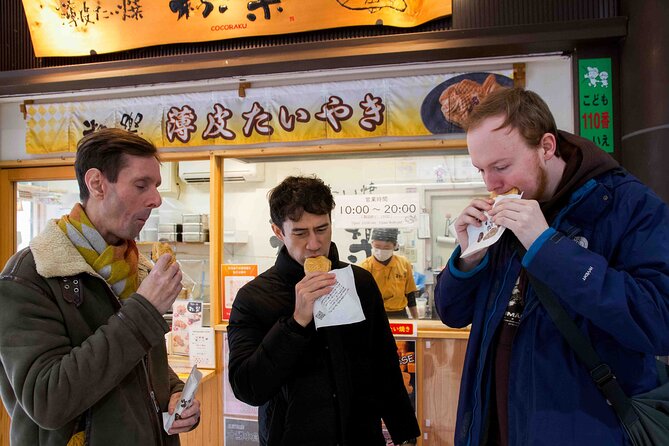
If you love fried chicken, this part is built for you. Karaage is already a standout—bite-sized pieces, deep-fried, and designed for maximum crunch—but the real value here is choice. You may get up to four flavor options, which lets you compare seasoning styles without paying extra on your own.
This is where I found the guide-style storytelling most useful. The flavor explanations help you connect “what you taste” to “why it tastes that way.” It’s the difference between eating and learning. And you don’t have to be a food expert to benefit.
What to watch for: even when pieces look similar, the seasoning profile can change the whole mood—salt-forward, citrusy, peppery, or something that leans sweeter. Sampling multiple flavors in one sitting is a smart way to understand what you might want to order again later on your own.
You can also read our reviews of more tours and experiences in Kyoto


Kare pan: curry bread that makes Kyoto feel casual
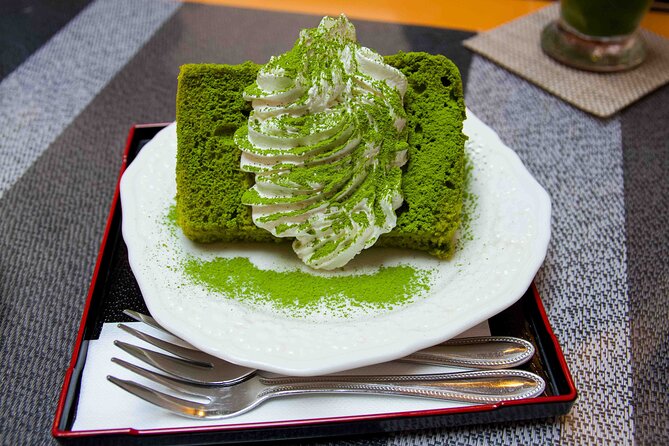
Kare pan is a Kyoto classic you can treat as either a snack or a meal starter. It’s Japanese curry tucked into bread, usually with a crisp outer bite and a rich, savory interior.
What makes this stop valuable is the context. Curry bread can seem like a convenience item, but under the guide’s direction you learn why it’s a comfort food shape for Japan: portable, filling, and easy to eat quickly while still satisfying. It’s also a perfect contrast after fried food, because it brings warmth and a thicker, saucier texture.
If you’re the type who likes food that feels like it belongs in a school lunch or a weekday routine, this will land well.
Possible drawback: curry bread is filling. If you skip breakfast, you’ll be in great shape. If you overeat early, you might feel the weight later when sweets and tea show up.
Izakaya-style meats and regional bites: the part that adds character
Not everything on the menu here is the international “greatest hits.” You’ll also get izakaya-style meats and regional delicacies, which is a big part of why this tour feels more Kyoto than cookie-cutter.
This is the portion that helps you understand local ordering behavior. Izakaya culture is about small plates, sharing, and picking what sounds good rather than committing to one big thing. When you taste multiple items, you start thinking like a local diner: what would pair well with tea, what works with beer, what’s meant to be eaten quickly while you’re chatting.
If you’re hoping for a food tour that goes beyond fried snacks and sweets, this is the section to keep an eye on. It’s where the route gains personality.
Matcha sweets and DIY green tea: timing matters
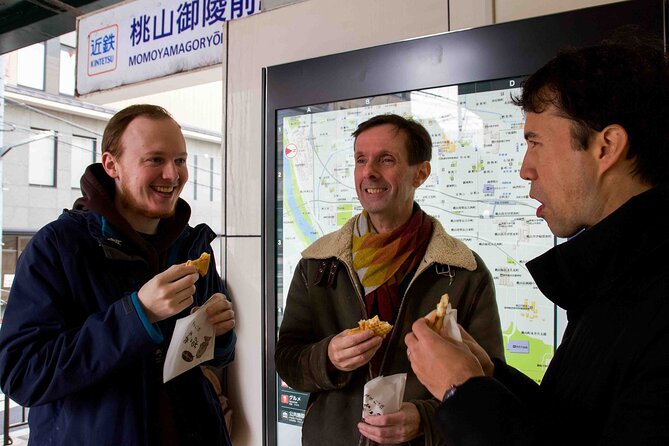
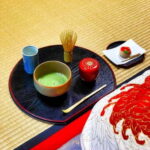
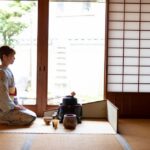
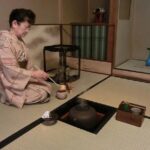
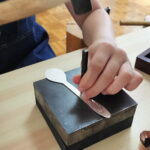
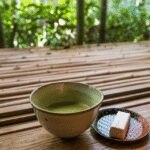
Matcha is where Kyoto gets very real. The tour includes matcha sweets, and depending on your schedule you may also get the option to make your own matcha or green tea with an instructor.
Important detail: this hands-on option isn’t available for tours starting after 5:15pm. If you want that DIY experience, choose an earlier time slot. It’s also one of the few parts where the guide becomes more than a translator for food—you’re learning a process.
Even if you’re not making tea yourself, the matcha element still helps tie the flavor story together. Matcha isn’t just “green powder.” It changes how sweets taste, how you perceive sweetness, and how the finish feels after savory bites.
Practical tip: bring small patience. Preparing tea takes a few steps. It’s still fun, just don’t expect it to feel as instant as buying a snack from a counter.
How the 2.5-hour pace feels on the ground
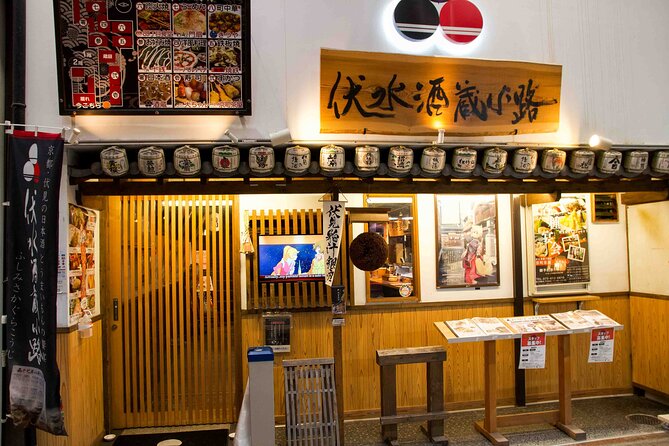
At about 2 hours 30 minutes, this tour hits a sweet spot: you get multiple tastings, but you don’t lose your entire evening.
Meeting and walking are straightforward:
- You start at Doutor, 4-chōme-293-1 Ryōgaemachi, Fushimi Ward, Kyoto
- You end around Fushimi Otesuji Shopping Street, 5 Chome-10 Hokicho, Fushimi Ward, Kyoto
Because there’s no hotel pickup and drop-off, you’ll want to arrive on your own and use public transport to get yourself there. This keeps costs down and gives you control over your day plan.
Group size also shapes the experience. With a maximum of six people, you’ll get more conversational Q&A than you would on larger bus tours. That matters because the best part of a food tour isn’t the food—it’s the meaning behind it.
Price and value: is $91.21 worth it?
At $91.21 per person, you’re paying for a guided tasting route, not just individual snacks. You’ll likely get lunch-style street food across 5–6 types, plus one free soda/pop drink. For many people, that math already works in your favor because eating four or five separate items on your own can add up quickly, especially once you factor in drinks and the time cost of finding the right spots.
You’re also paying for direction. A guided tour helps you avoid the “random shopping street eating” trap. You get a planned sequence: fried then warm then sweet, with explanations that help you decide what to seek out later.
Where it may not be the best deal: if you already know the exact shops you want and you’re comfortable ordering without help, you could DIY. But if you want someone to steer you to the right mix—plus the matcha element—that guidance is the value.
One more thing: the tour is often booked about 46 days in advance on average. If you’re traveling during peak seasons or you have your heart set on a specific start time (especially for DIY matcha), reserving earlier is smart.
Who should book this Kyoto food tour in Fushimi
This experience fits best if you:
- Want a Kyoto food focus that stays in one neighborhood
- Like street food you can actually find again after the tour
- Appreciate guides who explain what you’re eating and why it matters
- Prefer small groups over large, noisy tours
- Are curious about matcha and don’t want the experience to end at dessert
It’s a great fit for first-time Kyoto visitors who feel overwhelmed by the city. It’s also a good choice for repeat visitors who’ve already hit the major sights and now want food and everyday Kyoto atmosphere.
If you’re traveling with someone who dislikes walking or wants very structured, seated meals, this might feel more casual than they expect. It’s built for tasting and strolling, not for a long restaurant dinner.
Should you book? My practical take
Book it if you want food that comes with context, and you’re looking for a calmer Fushimi area rather than the busiest Kyoto circuits. I found the guide approach made a real difference—especially when Sam or Nick walked the group through origins and what to notice in each bite. The small group size keeps it from feeling like a production line.
Skip or reconsider if DIY matcha is a must-have and you’re only available after 5:15pm. Also reconsider if $91.21 feels steep for you and you’d rather spend that money on a full restaurant meal where you can order exactly what you want.
FAQ
How long is the Kyoto Hidden Gem Food Tour in Fushimi?
It runs about 2 hours 30 minutes.
How much does the tour cost?
The price is $91.21 per person.
What foods are included?
You’ll get 5/6 types of tasty Japanese street food (savory and sweet) and one free soda/pop drink.
Is hotel pickup or drop-off included?
No, hotel pickup and drop-off are not included.
Where do we meet for the tour?
Meet at Doutor, 4-chōme-293-1 Ryōgaemachi, Fushimi Ward, Kyoto.
Where does the tour end?
The tour ends at Fushimi Otesuji Shopping Street, 5 Chome-10 Hokicho, Fushimi Ward, Kyoto.
What is the group size?
The maximum group size is 6 travelers.
Is a mobile ticket used?
Yes, the tour uses a mobile ticket.
Is DIY matcha available for every time slot?
DIY matcha/green tea isn’t available for tours starting after 5:15pm.
Can service animals join?
Yes, service animals are allowed.
What is the cancellation policy?
Free cancellation is allowed up to 24 hours before the experience’s start time for a full refund.