REVIEW · KYOTO
Osaka & Nara: Private Tour with English speaking guide
Book on GetYourGuide →Operated by Kyoto Charm Tours · Bookable on GetYourGuide
Deer, temples, and a stress-free ride can fit in one day. I like the private pickup setup and the focus on UNESCO-level sights like Todai-ji, but you should know guide quality can vary even when English is promised.
This is the kind of tour where the vehicle and routing can feel smooth, especially when you’re paired with a strong guide. I’ve seen real praise tied to names like Noor ul Badar, Musa, Sam, Nihon, and Haider, while other experiences complained about ending up with a driver who didn’t really guide. That gap is the main thing to watch.
In This Review
- Key points to know before you go
- Why this private Osaka-and-Nara day feels different
- Getting picked up (and staying sane) in Osaka or Kyoto
- Nara Park: deer roaming free, with breathing room
- Todai-ji and UNESCO focus: Great Buddha at temple pace
- Kasuga Taisha and shrine scenery: a quieter UNESCO add-on
- Lunch in the middle: kaiseki or premium wagyu
- Shitennoji and the Osaka temple reset
- Osaka Castle strolls: iconic photos with a calmer pace
- Aquarium Kaiyukan: Pacific-scale marine life
- Umeda Sky Building: photo stop and viewpoint time
- Dotonbori at night: street-food energy and neon photos
- Shinsekai: nostalgic Osaka flavor after the main crowds
- Price and logistics: what $455 buys for a group of up to 6
- Getting the English-guiding experience you’re paying for
- Practical tips to make the day smoother
- Should you book this Osaka & Nara private day?
Key points to know before you go
- Door-to-door hotel pickup in Osaka (Kyoto pickup may cost extra)
- Nara Park deer time built in, so you can slow down and actually enjoy it
- Todai-ji (Great Buddha) + UNESCO focus keeps the day from feeling random
- A real lunch stop arranged around your preference (kaiseki or wagyu)
- Big Osaka hits in one loop: castle area, aquarium, Umeda views, Dotonbori, and Shinsekai
- Small private group up to 6 keeps the pace calmer than typical bus tours
Why this private Osaka-and-Nara day feels different
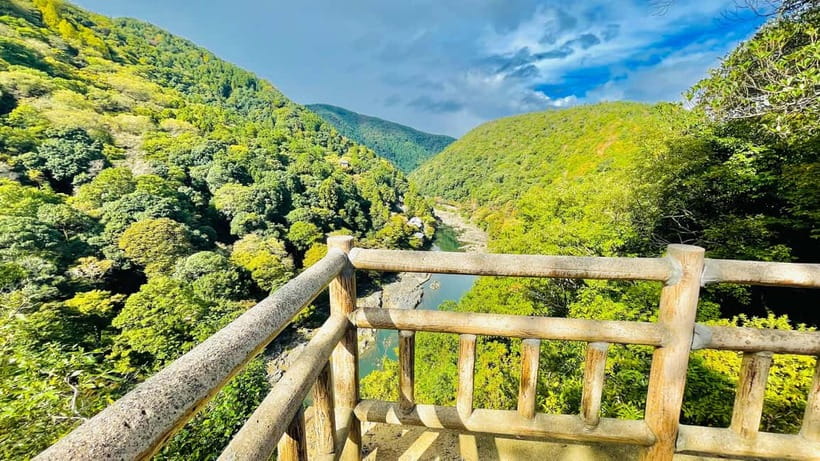
A 10-hour private tour in Japan isn’t automatically worth it—what matters is how the time gets spent. Here, the plan is built around a tight set of major sights, but you’re not doing the usual scramble to line up trains, tickets, and transfers.
You’ll get a private vehicle, plus parking and tolls handled, which means you can keep your energy for photos and walking. And with a professional English-speaking guide on paper, you should be able to ask questions and get context without having to piece together every sign yourself.
The trade-off? This type of day is still structured. If you want long, slow museum-style time at just one place, you might feel a little time-compressed. Still, if you like a well-paced highlight circuit with a guide to steer you, this is a good fit.
You can also read our reviews of more guided tours in Kyoto
Getting picked up (and staying sane) in Osaka or Kyoto
The tour offers hotel pickup from Osaka. If your hotel is outside Osaka—Kyoto, Kobe, or Nara—the data you were given says there’s an extra 15,000 yen charge for pickup.
That matters because “pickup” is often where private tours either feel like a dream or turn into a headache. You’ll want to confirm the exact pickup point and timing with the operator ahead of time, especially if you’re changing hotels or moving districts that day.
Also note: your day runs 10 hours, so the pickup time sets the rhythm. If you start later, you may hit some evening sights with less daylight for photos. Plan accordingly.
Nara Park: deer roaming free, with breathing room
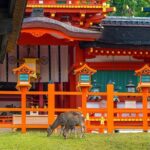
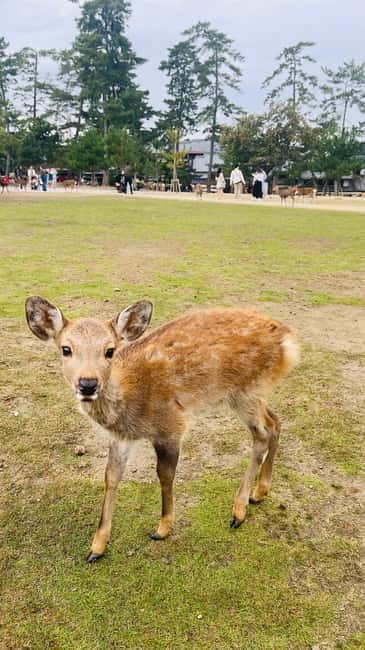
Nara Park is one of those places that makes people forget schedules. The big draw here is the chance to wander through the park with deer roaming freely—perfect for couples, and also great if you just want a quieter, more natural-feeling start to the day.
I like that the schedule includes a mix of guided time and free time. That’s important because deer are unpredictable. Some will drift toward you; others will keep their distance. Either way, you’ll appreciate having unhurried space to take photos, adjust your pace, and enjoy the park vibe instead of being rushed to the next stop.
There’s also time for shopping and sightseeing during this park block, which can be useful if you want snacks, souvenirs, or simple breaks without packing the day full of extra detours.
Todai-ji and UNESCO focus: Great Buddha at temple pace
Todai-ji is the kind of sight that hits you with scale first and meaning second. This tour is built around it, and it’s listed as a UNESCO World Heritage treasure, with the Great Buddha as the headline.
A strong guide makes a difference here. Without context, you can still enjoy the architecture and the sheer presence—but with explanations, you’re more likely to understand why this site matters and what to notice as you move through the grounds.
The itinerary format supports that: you’ll have guided tour time plus walking and photo moments. That balance helps you avoid the common problem where you’re either sprinting (and missing details) or stuck in long speeches (and tired from standing).
Also keep in mind: entry tickets are not included. So budget for the paid access parts of the day and bring your patience for lines if they show up.
Kasuga Taisha and shrine scenery: a quieter UNESCO add-on
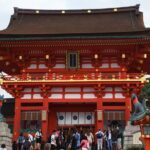
Your highlights specifically mention UNESCO treasures like Kasuga Taisha, and your day description also points toward shrine time via Shinto stops. Even if the exact sequence shifts, this is a key reason the tour works for people who don’t just want one temple photo—they want a sense of how Nara’s spiritual atmosphere shapes the city.
I find shrine visits best when you treat them as a change of pace, not a checklist item. If you can, slow down for a few minutes at a red-bridge or lantern-lined spot and just watch how people move through the space. The guide should be able to point out the details that make these places recognizable, even from a distance.
You can also read our reviews of more private tours in Kyoto
Lunch in the middle: kaiseki or premium wagyu
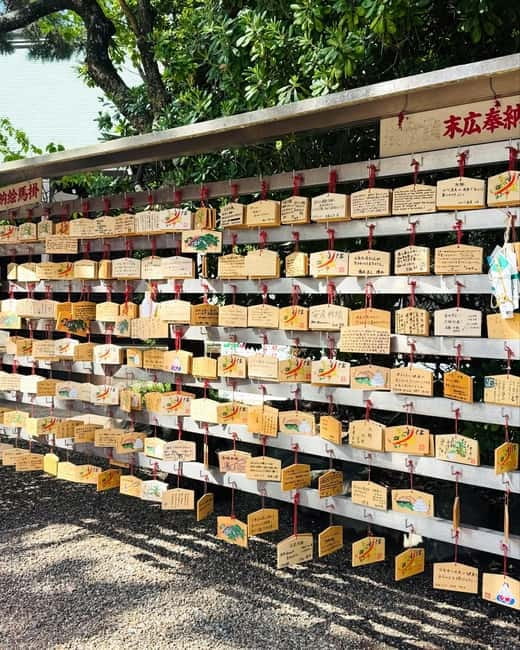
A good Japanese day trip needs a lunch plan that doesn’t feel like a rushed afterthought. The information you were given says lunch can be a Japanese dining experience with either seasonal kaiseki or premium wagyu beef, tailored to your preference.
What I like about this setup: kaiseki (when you choose it) tends to slow you down, and it makes the day feel more intentional. Wagyu is simpler and satisfying if you want comfort food energy instead of course-by-course pacing.
The schedule places lunch around the Osaka evening neighborhood circuit area (Shinsekai is tied to lunch in the itinerary). That can be handy because you’ll be closer to your next photo stops and walking districts right after eating.
Entry tickets are not included, but lunch is part of the tour framework as described. Still, double-check what your specific meal choice includes so you don’t get surprised at the table.
Shitennoji and the Osaka temple reset
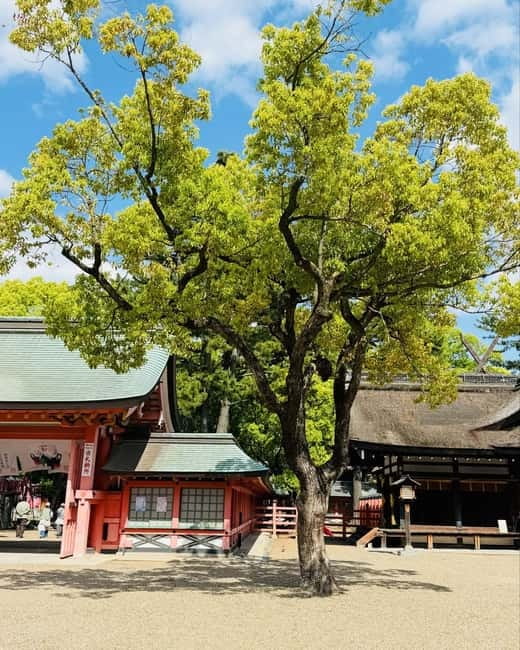
Once you leave Nara, the day needs a reset. That’s where a site like Shitennoji helps. It’s included on the schedule with guided tour time and walking.
Temple visits after Nara can feel repetitive unless you have context. This is where your guide’s job really matters: you’re looking for differences in layout, atmosphere, and what locals associate with the place. Even for people who aren’t temple-obsessed, Shitennoji can be a satisfying bridge between the spiritual opening and the city energy later.
The guide should also help you time photo stops. That’s one of the quiet benefits of private tours: you aren’t stuck taking photos in the exact same seconds as everyone else.
Osaka Castle strolls: iconic photos with a calmer pace
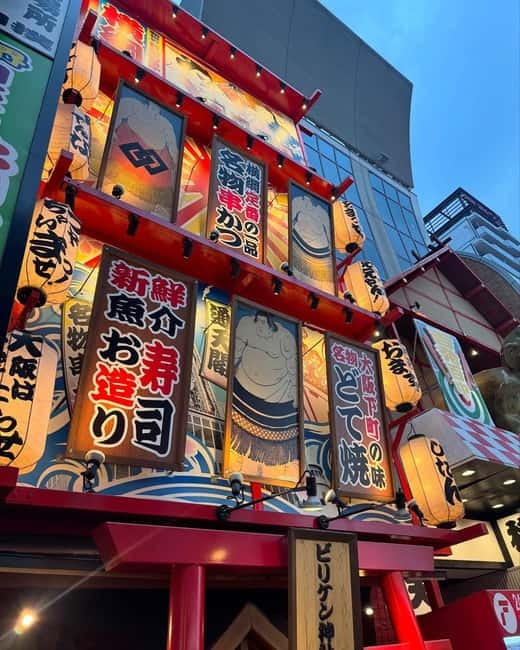
Osaka Castle is the poster child of the city, but it’s also easy to overrun it if you show up with no plan. Here, you’ll get photo stop + guided tour time + free time, with about 1.5 hours allocated for the castle area.
I like that “free time” exists here. It lets you roam a bit, find a good angle, and step away from crowds if it gets busy. The moats and gardens are built for photos, but the best images usually come when you’re not rushing between viewpoints.
If you’re sensitive to heat or sun, consider what you’ll do with breaks. You’re told to bring comfortable shoes and sunscreen, and that advice makes sense because this part of the day involves walking.
Aquarium Kaiyukan: Pacific-scale marine life
Kaiyukan is one of the easiest ways to add variety without changing countries or time zones. The plan includes Osaka Aquarium Kaiyukan with photo stop time, guided or sightseeing time, and free time.
What’s especially useful in your information is the note that you can do dolphin watching and whale watching there. If you care about animal viewing, this is a big plus because it’s a structured activity, not just looking at fish tanks.
The aquarium also works as a mid-to-late day option. It’s active enough to break up the temple/castle walking, but it’s still mostly indoors, which can help when Osaka weather decides to be dramatic.
Remember: entry tickets aren’t included, so plan for that cost and arrive with time to settle in.
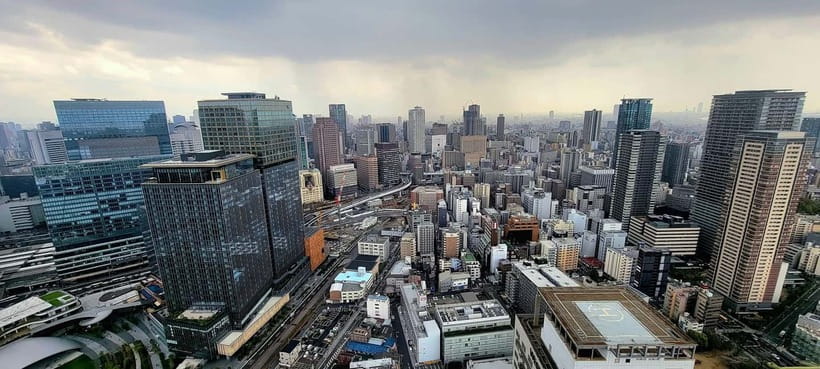
Umeda Sky Building: photo stop and viewpoint time
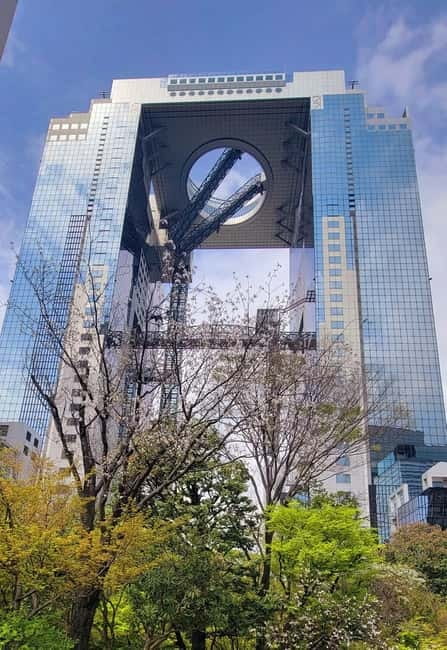
After the aquarium, the schedule includes Umeda Sky Building with a photo stop and visit time. You’ll also get some free time and a bit of walking.
A viewpoint is a great part of a one-day loop because it helps you connect the geography. When you look down over districts you just walked through earlier, the city starts making sense fast.
Also, Umeda areas can mean more walking than you expect. Build in your own slow moments and keep an eye on your energy; the tour is private, but you’re still moving through multiple neighborhoods.
Dotonbori at night: street-food energy and neon photos
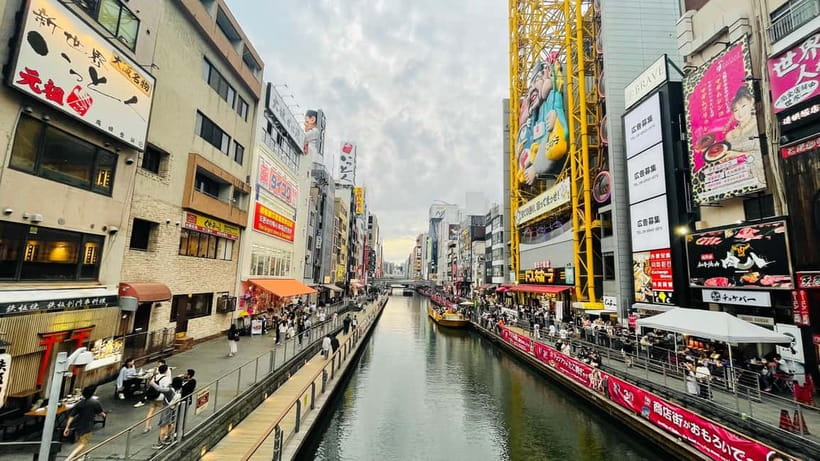
Dotonbori is where Osaka shows off. The plan includes Dotonbori with guided time, plus shopping and sightseeing, and about an hour.
This is the part of the day where you’ll feel the difference between a guided visit and a self-guided wander. With a guide, you can get quick direction to the best walking routes and avoid the dead ends that don’t lead anywhere.
You’re also told to expect classic street food like takoyaki and okonomiyaki. I think that matters: this isn’t just a scenic stop; it’s a place to eat what the city is known for.
Shinsekai: nostalgic Osaka flavor after the main crowds
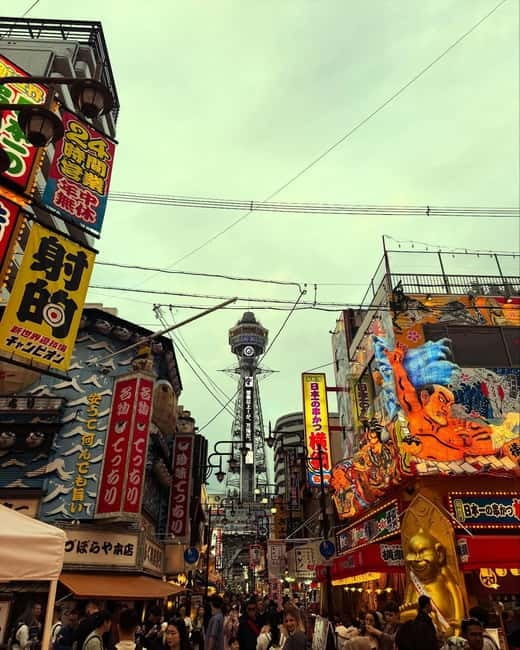
Finally, the tour includes Shinsekai, described as a retro neighborhood with colorful streets and a local feel. It’s included as part of the later plan, with walking time built in.
I like Shinsekai on a private day because it’s the “contrast” stop. Dotonbori can feel like a nonstop show, while Shinsekai gives you more texture—less big performance, more everyday character.
If you’re the kind of person who likes photos that look like real life (not just landmarks), Shinsekai usually delivers. And if you’re hungry again after Dotonbori, this is where the day’s second wave of snacks can fit naturally.
Price and logistics: what $455 buys for a group of up to 6
At $455 per group up to 6 for a 10-hour day, this is priced like a value-focused private tour—assuming you truly get an English-speaking guide and not only a driver.
Here’s what your cost covers, based on the details you were given:
- Private vehicle
- Professional English-speaking guide
- Parkings and tolls
- 10 hours tour time
What’s not included:
- Entry tickets
- Personal expenses
So the real value question is not the sticker price—it’s whether you use the guide time well. When you get a genuinely informative guide, you’re paying for context, smoother pacing, and fewer wrong turns. When you get a weak guide (or someone who mostly drives), the tour can feel like a pricey transfer service.
The ratings you provided back this up. The overall score sits around 3.9/5, and the range of experiences is wide: some days sound like an excellent match with very knowledgeable guides, while other experiences complain about limited English and little explanation.
My practical advice: before you go, send a short message with your top interests (for example: Great Buddha meaning, castle history, food stops, photo locations). A strong guide will already know how to work that into the pacing.
Getting the English-guiding experience you’re paying for
This is the section I’d care about most if I booked it for the first time.
Your feedback includes both excellent and disappointing guide situations. Names that came up positively include Noor ul Badar, Musa, Sam, Nihon, and Haider. In those cases, the day sounded organized, informative, and genuinely comfortable.
But there are also red flags in the negative feedback—examples include experiences where the person on site was essentially a driver with very limited English, with minimal sight explanations and difficulty locating the person after drop-offs. One account described a situation where the tour was effectively paused after a few hours due to lack of guide information.
So, how do you protect yourself?
- When you book, ask for the guide name (or confirm who will be guiding you).
- In the first 15 minutes, ask a question that requires real context, not just directions.
- If the guide isn’t speaking much or isn’t leaving time for questions, say something early. Waiting until the end is how people end up feeling ripped off.
A private tour should feel like guided, not just transported. The best days are the ones where you build a conversation with your guide right away.
Practical tips to make the day smoother
Bring comfortable shoes—you’ll have multiple walking blocks across parks, temples, and city neighborhoods. Pack a camera and sunscreen, especially if you’re catching Osaka Castle and open-air areas under sun.
Also, there’s a simple onboard rule: no smoking in the vehicle. Not a big deal, but it’s nice to know.
Finally, plan your expectations around the day length. Ten hours sounds huge until you’re driving, walking, and doing photo stops in multiple places. This tour works best when you treat it like a highlight day with small pockets of breathing room.
Should you book this Osaka & Nara private day?
I’d book it if you want a low-hassle private route that hits Nara’s deer-and-temple icons and then transitions into Osaka’s major neighborhoods and food spots. It’s especially appealing for couples who want the “romantic stroll” feeling in Nara Park and still want big city payoff later at Dotonbori and Shinsekai.
I’d skip it (or at least ask tough questions before committing) if you care more about deep, slow study at one location than about a guided highlight circuit. And if your top priority is strong English explanations throughout, this is where you should verify the guide details and be proactive early in the day.
If you get a good guide, this is the kind of day that makes Osaka and Nara click quickly—without the stress of planning everything yourself.