REVIEW · KYOTO
Kyoto Arashiyama & Sagano Bamboo Private Tour with Government-Licensed Guide
Book on Viator →Operated by Japan Guide Agency · Bookable on Viator
Kyoto’s bamboo goes on full display here. I love how a private, government-licensed guide handles the navigation and adds context, and I also like the focus on the Arashiyama bamboo groves and temple pacing instead of rushing through everything. One thing to consider: you’ll likely pay extra for entrance tickets and lunch, and the day includes plenty of walking on uneven paths.
This is a smart way to see western Kyoto without doing the planning yourself. You’re not stuck with a generic checklist. You’re building a walking route from a menu of sites, with direct access to your guide to ask questions on the spot.
The other big win is crowd control. In feedback, guides like Ken and Tomo are praised for steering people to quieter moments and better flow, so the famous sights feel more human and less like a theme-park stampede.
In This Review
- Key highlights to know before you go
- Why Arashiyama and Sagano feel like a Kyoto reset
- Price and timing: what $157.82 buys you in the real world
- The private guide difference: navigation, context, and real Q&A
- Stop-by-stop: build your best Arashiyama and Sagano mix
- Arashiyama (start area) and the Togetsukyo Bridge
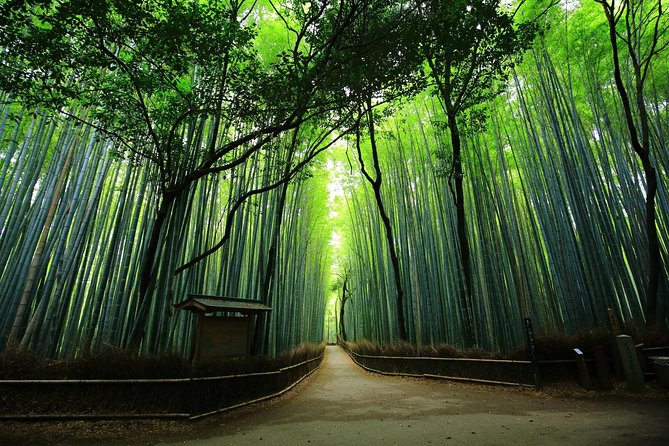
- Bamboo Forest Street (the walk that earns its fame)
- Shugakuin Imperial Villa: gardens with an imperial feel
- Katsura Imperial Villa: architecture rules that shape your visit
- Kurama-dera and the Kurama area option
- Yoshimine-dera: hillside views and Tendai calm
- Daikaku-ji: imperial origins turned temple
- Okochi Sanso Garden: actor’s villa tucked behind bamboo
- Tenryu-ji: the big Zen temple in Arashiyama
- Jojakkoji, Nisonin, Gioji: three hillside temples, one soothing theme
- Adashino Nenbutsu-ji and Otagi Nenbutsu-ji: stone statues and odd charm
- Kibune River: water worship and omikuji by dipping
- How this tour helps you beat crowd fatigue at iconic spots
- Walking pace, timing, and what the route feels like on the ground
- Tickets, photos, and the rules you’ll want to know ahead of time
- Who should book this Kyoto Arashiyama and Sagano private tour
- Should you book? My honest call
- FAQ
- How long is the Kyoto Arashiyama and Sagano private tour?
- Is this a private tour or a group tour?
- Is pickup included?
- What’s included in the tour price?
- What is not included?
- Are there any free sites on this tour?
- Do I choose the sites I visit?
- Are tickets needed for the sights?
- What happens if the weather is bad?
Key highlights to know before you go
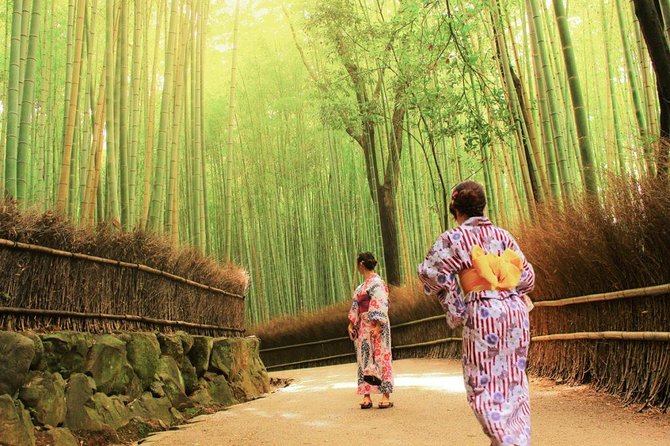
- A guide-driven walk through Arashiyama and Sagano, built around your interests (3–4 stops chosen from the site menu)
- Togetsukyo Bridge + bamboo paths, the classic combo with timing that can help you miss some peak crush
- Temple variety across Zen and Tendai/Shingon traditions, often on calm hillside grounds
- Imperial villa options like Shugakuin Rikyū and Katsura Rikyū, with rules that shape how you experience them
- Nature-and-culture stops that stretch beyond just bamboo, including mountain temples and scenic river areas
- Guides who adjust in real time, including flexibility for pace and questions (names you may hear: Ken, Tomo, Satoko, Kiyoshi, Kazuo, Shoji, Ted, Kazz)
Why Arashiyama and Sagano feel like a Kyoto reset
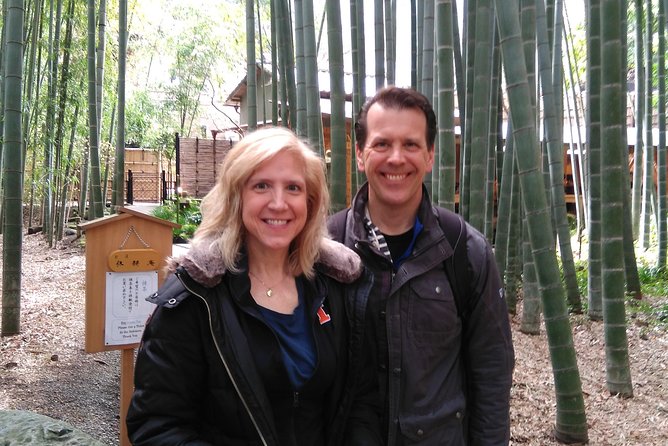
If you’ve been in Kyoto’s older, central neighborhoods already, Arashiyama can feel like a change of weather—literally and mentally. The area shifts to riverside views, wooded slopes, and temple gardens where the pace slows down.
What I like about this tour is that it treats Arashiyama like a lived-in place, not just a photo stop. Your guide can thread together iconic landmarks (like Togetsukyo Bridge) and calmer hillside spots (like moss-and-maple temple grounds). That mix matters, because bamboo alone can feel like one big moment. Bamboo plus a few temples and gardens turns it into a day with rhythm.
And yes, the bamboo forest is still the bamboo forest. When the wind moves the stalks, the place feels almost like it’s breathing. You’re also walking the paths that cut through the groves, which gives you the real experience instead of just looking at it from a single angle.
You can also read our reviews of more guided tours in Kyoto
Price and timing: what $157.82 buys you in the real world
At about $157.82 per person for roughly 6 hours, you’re paying for three things: a private guide, less effort planning, and better on-the-ground decisions.
Here’s the honest part: the tour doesn’t include entrance fees or lunch. Many of the “big names” on the map are not free. So the real cost is the base tour price plus whatever tickets you select along the way (and anything you choose to add, like a ride or meal).
That said, private guiding in Kyoto is about value, not convenience. You’re not paying for someone to walk next to you while you read signs. You’re paying for context and timing: what to see first, where you can slow down, which paths feel better at a given moment, and how different temples connect to the broader Kyoto story.
Also, this tour is booked fairly far ahead (on average around 65 days). If you’re traveling in cherry blossom or fall colors, that’s a clue: you’ll want to lock in your date early so you can get the guide you want and the route you’ll enjoy.
The private guide difference: navigation, context, and real Q&A
This is a private tour, meaning only your group participates. That matters more than people think. When you’re with a guide, you can ask follow-up questions—right then—without the awkward “we’ll ask later” vibe.
In feedback, guides are singled out for being proactive and helpful with details, including one-page history-style notes (Ken is mentioned for sharing a simple info sheet about Kyoto history). Others (like Tomo and Bell) are praised for avoiding crowds most of the time, which is the difference between a good Arashiyama day and a frustrating one.
Your guide is also an English-speaking local and described as government-licensed in the tour title. While you’ll still need to pay personal expenses and transport on your own, the guide side of the day is designed to run smoothly: meet up in Kyoto, then walk.
One practical note: pickup/drop-off is described as on foot. That means you’re coordinating around a meeting point and walking from there, not jumping into a private car.
Stop-by-stop: build your best Arashiyama and Sagano mix
You don’t have to take every stop. The tour is built so you choose 3–4 sites from the set of options you’re offered. Use that to your advantage: pick based on your energy level, your interests (bamboo, temples, architecture, nature), and the season.
Below is the “menu,” with what each stop feels like and where you might want caution.
Arashiyama (start area) and the Togetsukyo Bridge
Arashiyama is the western Kyoto district that’s been a go-to destination since the Heian Period. It’s popular during cherry blossom and fall color seasons, so expect atmosphere—and crowds—at the height of those periods.
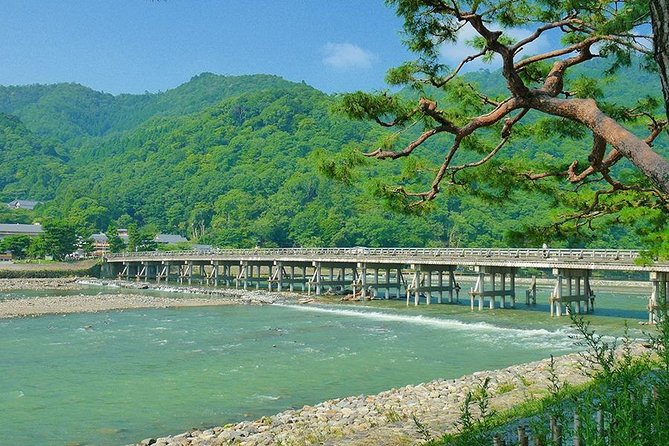
The Togetsukyo Bridge is the central landmark. It was originally built in the Heian Period and reconstructed in the 1930s. It’s especially photogenic with the forested mountains behind it. Right nearby is a riverside park with cherry trees, which means spring and early morning can be magic.
Practical tip: if you care about photos, ask your guide how to approach the bridge area for less congestion. In feedback, guides like Tomo and Bell are specifically praised for managing crowd flow.
You can also read our reviews of more private tours in Kyoto
Bamboo Forest Street (the walk that earns its fame)
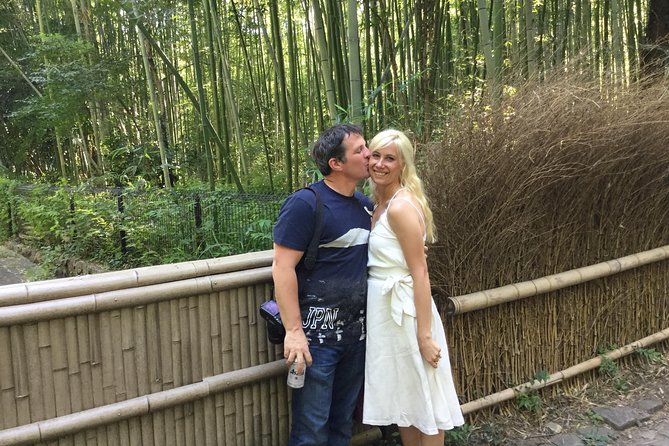
The bamboo grove experience here isn’t just standing still. You walk along paths through the groves, and the tall stalks sway gently when there’s a light wind.
For centuries, bamboo wasn’t only aesthetic—it was used for making practical items like baskets, cups, boxes, and mats. Your guide can connect that long use to what you’re seeing now.
Timing caution: bamboo is famous for a reason, so you’ll be surrounded by other visitors at many hours. Your best move is to choose a time when your guide thinks the area will feel calmer.
Shugakuin Imperial Villa: gardens with an imperial feel
Shugakuin Imperial Villa, built in the 17th century by Emperor Gomizuno, includes Upper, Middle, and Lower Villa areas managed by the Imperial Household Agency. It’s designed around traditional imperial-style gardens and buildings.
You’ll likely be there for a short, focused look (20 minutes is the typical segment described). Admission isn’t included, so plan for ticket costs if this is on your must-see list.
Why it’s worth it: it’s a way to see Kyoto’s garden design linked directly to elite historical life—not just a “pretty park.”
Katsura Imperial Villa: architecture rules that shape your visit
Katsura Imperial Villa is one of Japan’s best-known examples of Japanese architecture and garden design, completed in its present form in 1645. The catch: you have to join a tour to enter the villa area, and palace buildings can be viewed only from outside. Photo rules are also in effect—filming is allowed only from designated spots.
This can be a plus if you like structured experiences, and a downside if you want total freedom to roam and shoot. Your guide can tell you what to expect so you’re not surprised when you arrive at the entry point.
Kurama-dera and the Kurama area option
Kurama is a rural town in Kyoto’s northern mountains, less than an hour from the city center. It’s known for Kurama-dera and a hot spring option.
Kurama Onsen is accessible from the train station via a 10-minute walk (along the road or a nature trail by the river). Daytrippers can pay for bath access (price details are provided for full baths vs outdoor bath).
Whether Kurama is a good fit depends on your goal for the day. If you want a temple-and-nature break and don’t mind leaving the core Arashiyama/Sagano pocket, it’s a strong choice. If you want purely iconic Kyoto in the Arashiyama zone, you may prefer to stay closer.
Yoshimine-dera: hillside views and Tendai calm
Yoshiminedera is a Tendai sect temple built along a mountainside. It has multiple buildings distributed up the slope, with views over Kyoto from the grounds.
Why it works in a private route: it’s less about spectacle and more about atmosphere—wide grounds and that stair-and-path feeling that pulls you upward.
Daikaku-ji: imperial origins turned temple
Daikaku-ji began in the early 800s as Emperor Saga’s detached palace. After his death, it became a temple and is associated with Shingon Buddhism. It has a pond and a pagoda, plus it hosted peace talks in the 12th century between the Northern and Southern Imperial Courts after a long civil-war period.
This is one of those stops where context matters. Your guide’s commentary can turn the scenery into a story—why emperors lived here, why this place mattered, and how it evolved.
Okochi Sanso Garden: actor’s villa tucked behind bamboo
Okochi Sanso is the former villa of actor Okochi Denjiro. It sits behind the bamboo groves in Arashiyama and includes multiple gardens and buildings such as tea houses and gates.
You can view the buildings only from the outside, which may feel limiting if you’re used to museums where you step inside. Still, it’s a compelling “Kyoto meets pop culture history” angle without turning the day into a theme-park.
Tenryu-ji: the big Zen temple in Arashiyama
Tenryu-ji is ranked among Kyoto’s five great Zen temples and is one of Arashiyama’s most impressive. Founded in 1339, it’s a UNESCO World Heritage Site.
The garden has walking paths, and the temple buildings are paired with designed scenery. If you only pick one major temple from the Arashiyama side, Tenryu-ji is usually the one to prioritize.
Jojakkoji, Nisonin, Gioji: three hillside temples, one soothing theme
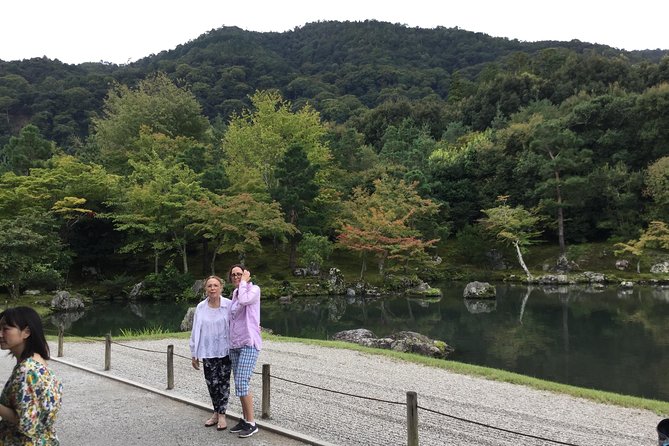
These three sit up on the hillside and share a similar feel: small buildings, lots of trees, and a quieter sense of space.
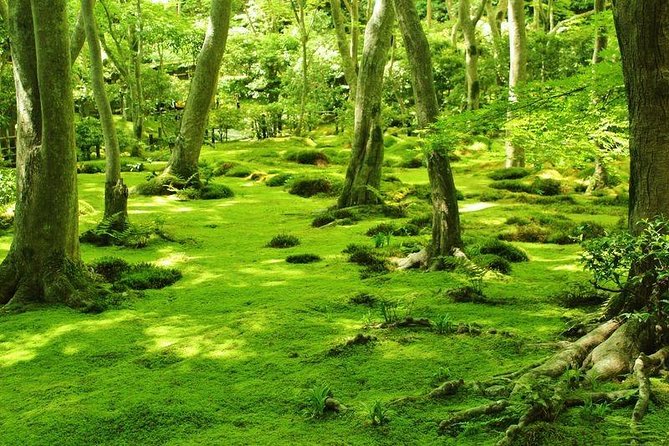
- Jojakkoji: founded in 1596, with maple and moss by paths and stairs, plus viewpoints over Kyoto.
- Nisonin: slightly larger and more imposing than Jojakkoji, with overhanging trees along the approach.
- Gioji: known for its moss garden, with tall maple trees and thatched roofs on its entrance gate and main hall. There’s also a round window looking into the gardens.
If you love gardens and you don’t need constant grand entrances, these are the stops that make the day feel like Kyoto rather than a checklist.
Adashino Nenbutsu-ji and Otagi Nenbutsu-ji: stone statues and odd charm
Adashino Nenbutsu-ji is famous for hundreds of stone statues placed for the souls of the dead. Kobo Daishi is connected to the origin story, and there’s even a short bamboo forest path in the back.
Otagi Nenbutsu-ji has 1200 stone statues of rakan, each with different facial expressions. The statues were created in the 1980s and early 1990s, which gives the place a surprising modern edge tucked into a quiet, forested slope.
These stops are great if you want something that isn’t just “same temple, different sign.” It’s weird in the best way.
Kibune River: water worship and omikuji by dipping
Kibune is a small town in a forested valley connected to Kifune Shrine. The shrine is dedicated to the god of water and rain.
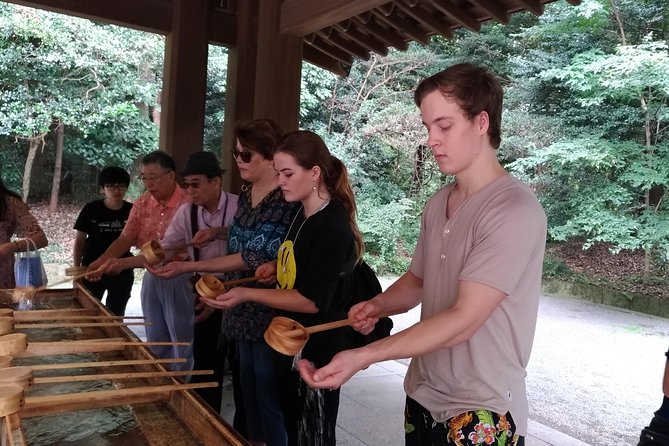
You can get an omikuji fortune written on paper slips and reveal the message by dipping it into water. The inner sanctum, Okunomiya, is about one kilometer further up the valley, with a large rock known as the boat stone said to be where the goddess’ yellow boat is buried.
If you want a calmer, more nature-forward ending to the day, Kibune can be a great choice. It’s also distinct from Arashiyama’s bamboo-centric feeling.
How this tour helps you beat crowd fatigue at iconic spots
Arashiyama is popular. That’s not a secret. The win here is that the experience is private and flexible enough to respond to what’s happening around you.
In feedback, Tomo is praised for knowing how to avoid crowds and keep things peaceful. Bell is also highlighted for minimizing touristy congestion by guiding you along the flow intelligently. Ken is singled out for tackling multiple hot-season hot spots while keeping the day productive.
What you can do right away to make crowd management work for you:
- Pick your must-see first: if bamboo is the priority, anchor your timing around it.
- Keep your expectations realistic: you’ll never have bamboo all to yourself, but you can reduce the time spent in the worst crush.
- Use your guide’s questions as a tool: asking where to stand, walk, and rest can save your legs and your patience.
Walking pace, timing, and what the route feels like on the ground
This tour is described as a walking tour with a pickup/drop-off on foot and no private vehicle included. That means you’re responsible for your own transport between points where needed, and you should plan for uphill or uneven terrain.
Many temple grounds are reached via stairs and slopes. Moss gardens and hillside views are not flat. If rain hits, paths can get slippery, and you’ll want shoes that actually grip.
From feedback, it’s clear guides try to match the pace. Kazuo is mentioned as considerate when someone moved slowly due to previous injuries, which suggests the guides understand that “private” also means adapting the rhythm.
And bring water. One review response talks about a hot, humid mid-summer day and how tiring it can be. Kyoto summers can humble even fit people.
Tickets, photos, and the rules you’ll want to know ahead of time
A lot of the stops in this day are not automatically included in admission. Some are free—like Togetsukyo Bridge and the bamboo forest street paths—but others aren’t.
Katsura Imperial Villa and Shugakuin Imperial Villa are the big ticket items to plan for if you care about architecture and garden design. Katsura in particular has strict rules: you join a tour, buildings are only viewable from outside, and photography is only allowed from designated spots.
That’s not a dealbreaker. It just means you should treat the villa as an experience with guidance, not a free roaming photo mission.
If you’re traveling with family or kids, this tour tends to work because it combines recognizable scenery (bamboo) with story-telling stops. One response mentions Monkey Park being worked in when the day allowed, which suggests your guide can adjust to group interests.
Who should book this Kyoto Arashiyama and Sagano private tour
Book it if:
- You want a private guide to explain what you’re seeing, not just point at it.
- You care about Kyoto context: temples, gardens, imperial history, and the logic behind the scenery.
- You want flexibility to pick 3–4 sites that match your mood and energy.
Consider a different approach if:
- You want a fully free, ticket-free day.
- You’re trying to do this with zero walking tolerance.
- You need a guaranteed lunch included (it’s not provided).
Should you book? My honest call
I’d book this tour if you’re the type who gets more out of a place when someone can explain why it exists. Arashiyama is visually impressive, but a guide is what turns it into understanding—especially when you mix bamboo with hillside temples and (if you choose them) imperial villas.
If you have limited time in Kyoto and you don’t want to plan a route yourself, this is a strong value at $157.82 because you’re paying for decisions made in real time: where to go, what to prioritize, and how to keep the day from turning into a crowd survival exercise.
If you hate paying extra for tickets, do a quick mental math first. Pick the free highlights (like Togetsukyo Bridge and bamboo paths) plus one or two ticketed sights that matter most to you.
FAQ
How long is the Kyoto Arashiyama and Sagano private tour?
It’s listed as about 6 hours.
Is this a private tour or a group tour?
It’s private. Only your group participates.
Is pickup included?
Pickup is offered, and the pick up/drop off for the tour is described as on foot. You also meet up with your guide in Kyoto.
What’s included in the tour price?
A licensed local English speaking guide, a customizable walking tour of your choice of 3–4 sites from the available options, meeting up with your guide in Kyoto, and mobile ticket.
What is not included?
Lunch, entrance fees, and transportation fees for you and your guide are not included. A private vehicle is also not included, along with other personal expenses.
Are there any free sites on this tour?
Yes. Togetsukyo Bridge is listed as free, and Bamboo Forest Street is listed as free.
Do I choose the sites I visit?
Yes. It’s customizable, and you choose 3–4 sites from the provided What to expect list.
Are tickets needed for the sights?
The tour includes a mobile ticket, but entrance fees for you are not included. You should expect to pay any non-free admission yourself.
What happens if the weather is bad?
The experience requires good weather. If it’s canceled due to poor weather, you’ll be offered a different date or a full refund.