REVIEW · KYOTO
Kyoto: Traditional Tea Ceremony with Matcha & Sweets in Gion
Book on GetYourGuide →Operated by Japan Wonder Travel · Bookable on GetYourGuide
Matcha feels calmer when you learn it slowly. This Kyoto tea ceremony in Gion mixes traditional technique with comfy chair seating, so you can watch the ritual up close and then make your own bowl. I like that it stays friendly and welcoming, not stiff and silent, so it works even if you are new to Japanese tea.
The only real tradeoff is that this is not the full floor-and-seiza version some people expect. If you want a strict, fully formal ceremony on tatami, chair seating may feel less traditional. Also note that matcha has caffeine, so it is not recommended for kids under age 5.
In This Review
- Key Things To Know Before You Go
- Tea Ceremony in Gion: Why This Neighborhood Works So Well
- Chair Seating: Comfort That Still Respects the Craft
- Tea Master Up Close: History, Zen, and a Real Technique Show
- The Best Part: Making Your Own Matcha Bowl
- Sweets and Pairing: How Japanese Confectioners Shape the Taste
- Q&A With the Tea Master: The Questions That Make It Stick
- Take-Home Matcha Recipe: A Small Souvenir With Real Value
- Kimono Option in Gion: When the Schedule Becomes Fixed
- Price and Value: What $22 Actually Buys You
- Who This Tea Ceremony Suits Best (and Who Might Skip)
- Should You Book This Kyoto Tea Ceremony?
- FAQ
- What is the location of the tea ceremony?
- How long does the experience last?
- Is the tea ceremony taught in English?
- Do I get to make matcha myself?
- Is the ceremony formal and do you sit on the floor?
- What is included besides matcha?
- Is there time to ask questions?
- Do children get their own matcha?
- Is matcha safe for young children?
- What if I choose the kimono option?
- Can I cancel for a refund?
- Is there a pay later option?
Key Things To Know Before You Go
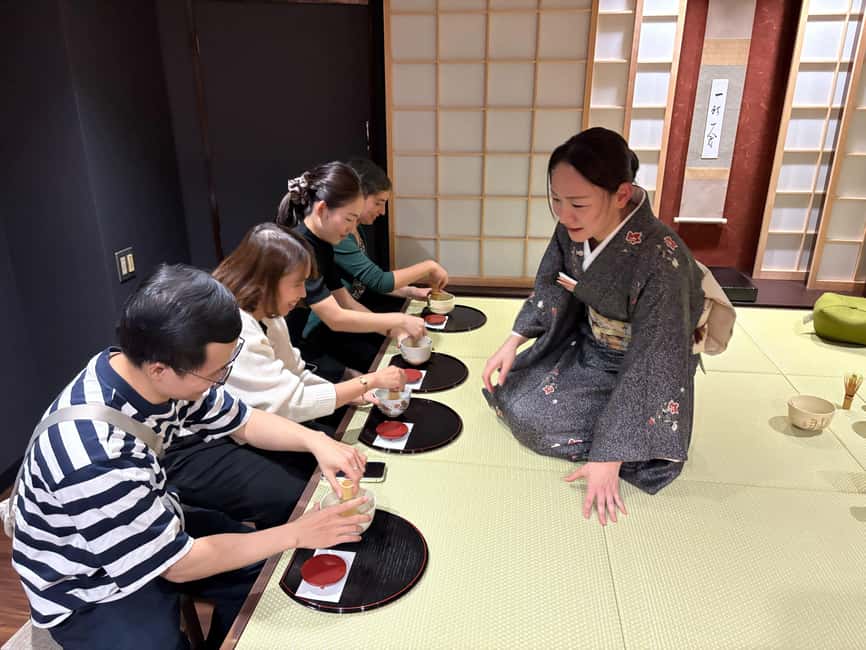
- Chair seating keeps the ritual accessible if tatami or kneeling is uncomfortable for you.
- You both watch and do: observe technique up close, then mix your own matcha bowl.
- Sweets are part of the lesson, not an afterthought, paired with the tea.
- You get context, not just steps: tea history, Zen ideas, and how etiquette shapes the experience.
- A Q&A with the tea master helps you ask the questions you always wanted to.
- You leave with a simple recipe so you can recreate the flavor at home.
Tea Ceremony in Gion: Why This Neighborhood Works So Well
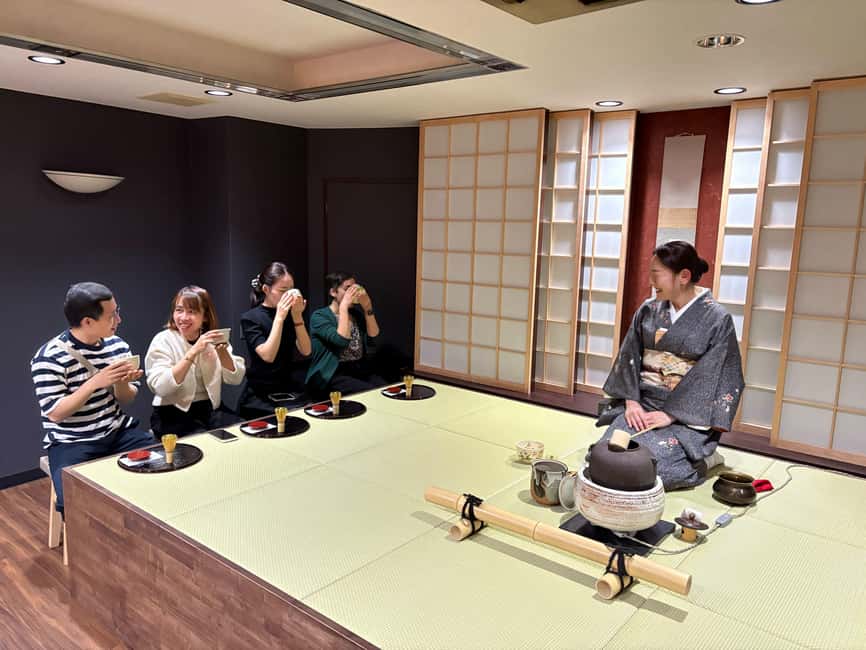
Kyoto’s Gion is the kind of place where the streets already feel like a story. This experience takes place in the historic heart of the district, in a calm setting where the pace slows down fast. That matters, because a tea ceremony is less about spectacle and more about attention: smell, temperature, whisking rhythm, and the way you sit and pause.
If you are trying to get beyond box-checking and into Japanese culture, this format helps. You’re not just listening to facts. You’re learning how people treat tea as a mindful craft. And because it is in English with a small group option, it is easier to follow along without feeling lost.
You can also read our reviews of more tours and experiences in Kyoto
Chair Seating: Comfort That Still Respects the Craft
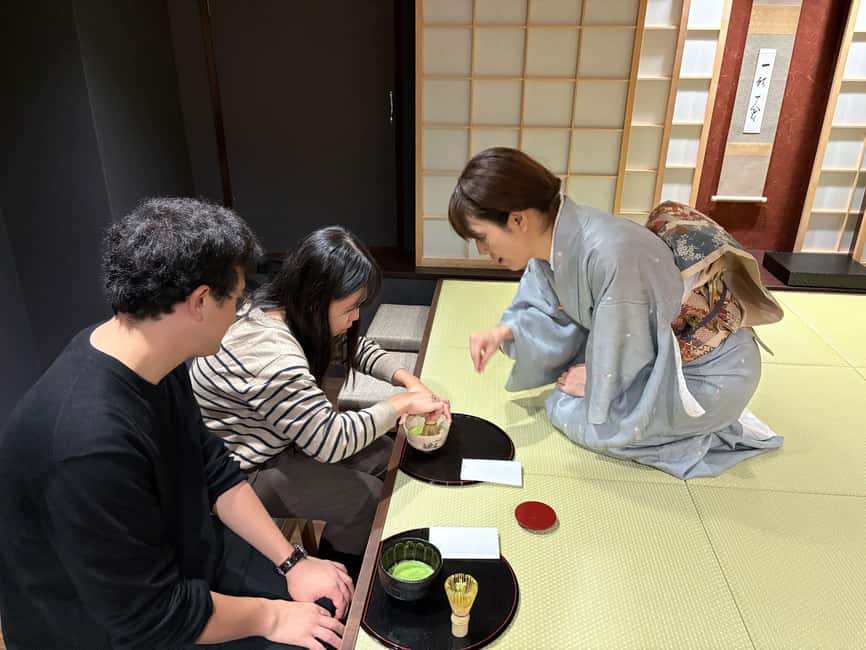
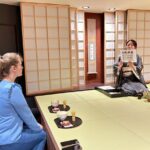
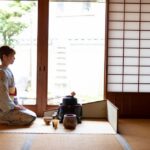
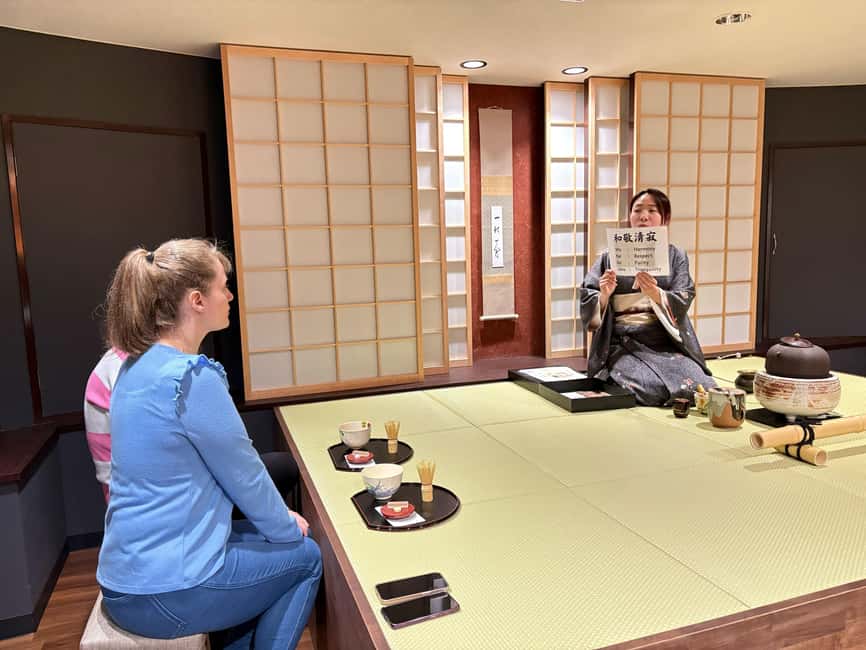
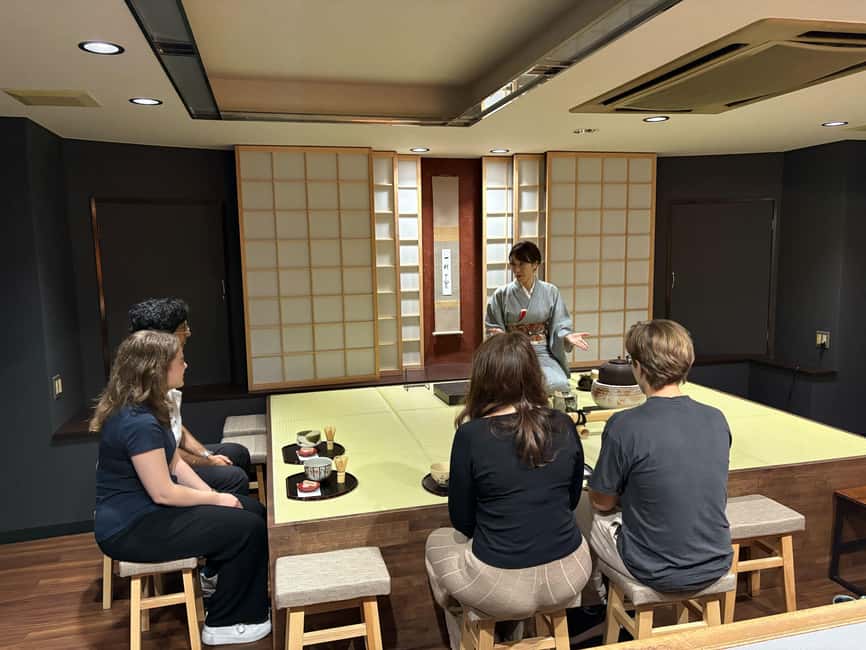
Traditional tea ceremonies can require floor seating, and that can be a dealbreaker for some people. Here, you use chairs, which changes the physical challenge—but not the purpose. You still learn the movements, the meanings, and the etiquette that make the tea feel intentional.
In practical terms, chair seating means you can focus on what your hands and eyes are doing. Your body is more relaxed, so it is easier to notice details like the matcha texture and how the whisking creates bubbles. It also helps if you have limited mobility, or you just don’t want to spend 1 hour trying to get comfortable on the floor.
You should still expect a respectful, quiet vibe. It is not a party, and the whole point is calm. But it is also not overly formal. The goal is that you feel welcome enough to ask questions and try.
Tea Master Up Close: History, Zen, and a Real Technique Show
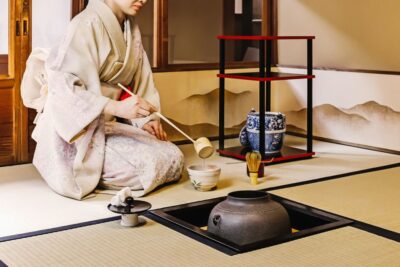
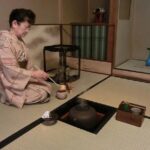
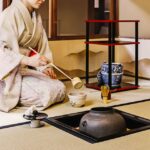
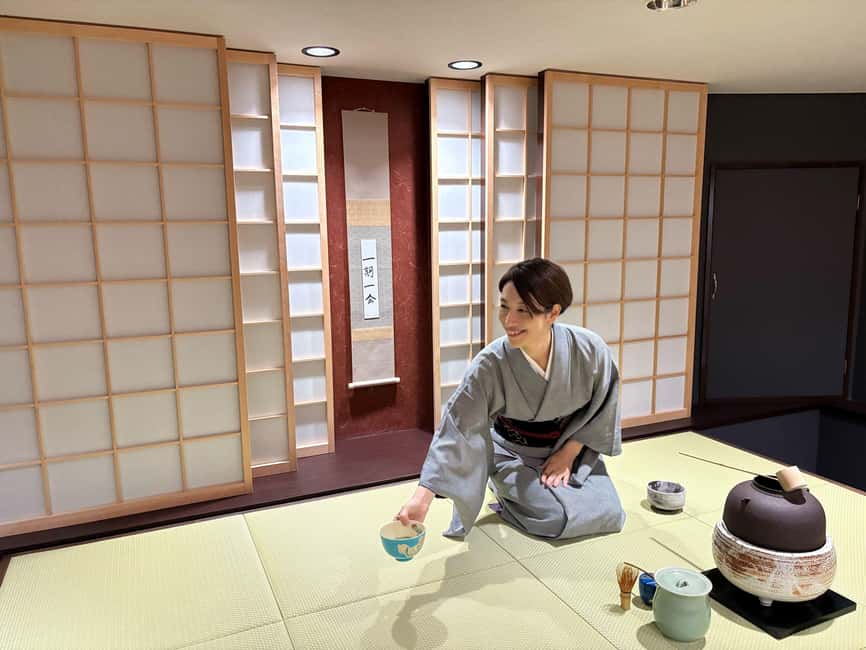
A big part of the value here is getting to see the ceremony technique performed up close. Watching someone who does this as a craft gives you a better sense of why it looks the way it does. It is not just tradition for tradition’s sake. Each movement ties to timing, balance, and the texture you want in the bowl.
You’ll also hear the history of tea and the tea ceremony, along with the Zen philosophy that influences the practice. Even if you have never studied Zen, the session keeps it grounded in what you can actually experience: patience, restraint, and awareness of small moments.
English instruction helps you connect the cultural ideas to what you are seeing. In one past session, the host named Mai stood out for being approachable and explaining both the background and the steps in a way that felt clear and friendly. That kind of teaching style is exactly what makes this work for beginners.
The Best Part: Making Your Own Matcha Bowl
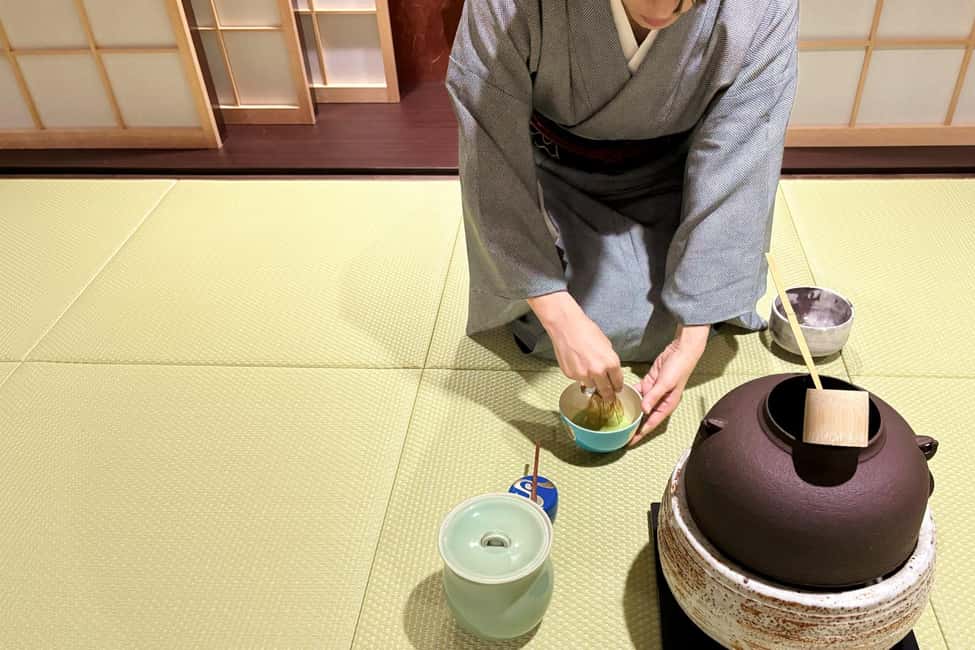
The second half is where things click. After the story and the technique watching, you make your own matcha bowl. You’ll mix it with guidance, and you also taste a matcha drink during the session.
A few details make this feel more authentic than a typical hands-on class:
- The matcha is from a local tea farm, and you learn how to handle it properly.
- The session is designed around technique, not random mixing.
- You get to compare your results against what you saw earlier, which helps you improve.
You’ll learn how to properly mix quality matcha so it develops that smooth, frothy texture people associate with good matcha. If you like the idea of going home and trying again, this is where you build confidence. You’re not just collecting photos—you’re collecting a skill.
One small sensory note: the experience has a calm, soothing feel, and you may even notice the teapot heating sounds (like a whistle) that make everything feel more ritual-like.
Sweets and Pairing: How Japanese Confectioners Shape the Taste
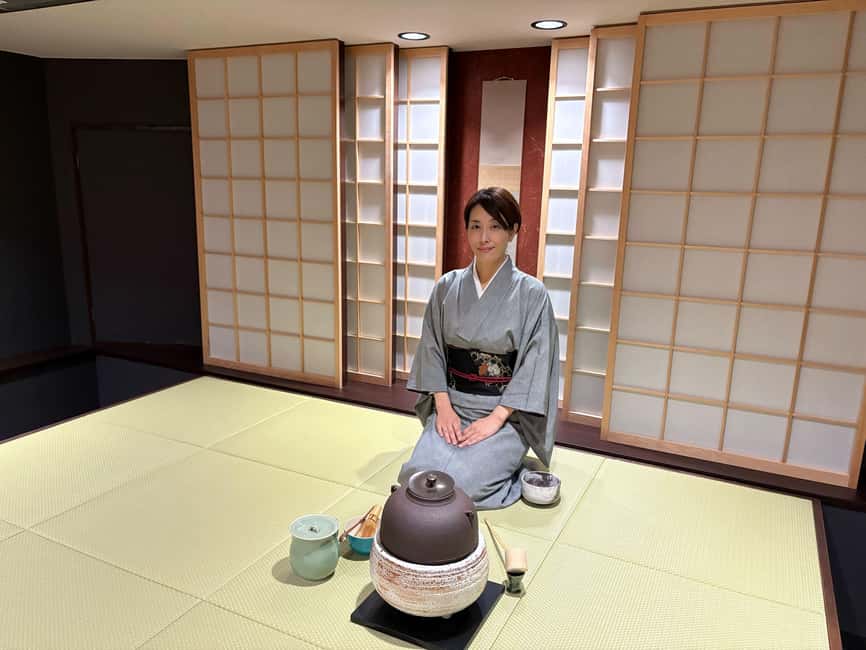
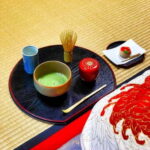
Tea ceremonies in Japan often treat sweets as a planned pairing, not a snack break. Here, you’ll enjoy traditional Japanese sweets selected by the tea master from well-known confectioners. That pairing matters because it changes how you perceive the matcha.
Matcha can be earthy and a little bold. The right sweet can soften the edges and help you appreciate the tea’s flavor and texture more clearly. When someone explains the tea ceremony as a whole experience, the sweets are part of that logic: balance, timing, and comfort.
The session keeps things casual enough that you can actually enjoy the tasting. You’re not being tested. You’re learning how Japanese hosts guide the mood—gentle, warm, and respectful.
Q&A With the Tea Master: The Questions That Make It Stick
Near the end, there is time for Q&A with the tea master. This is one of the most useful parts, because tea questions are endless. You might wonder about whisking differences, how matcha quality shows up in taste, or why etiquette matters.
This is also where the approach feels friendly rather than formal. You can ask what’s on your mind, and you’ll get answers tied back to technique and philosophy—so you walk away with understanding, not just instructions.
If you tend to be shy about speaking up on tours, this Q&A structure helps. It gives you a clear moment to ask, and you’re talking to someone who actually practices the craft.
Take-Home Matcha Recipe: A Small Souvenir With Real Value
The session includes a simple recipe to make matcha after your trip. I like take-home items that are more than a gimmick. This one gives you something practical: a way to repeat the experience at home without guessing.
It also helps you remember the details you learned. When you make matcha again, you’ll likely think back to the texture you were aiming for, the whisking guidance you received, and how the sweets shaped the overall flavor balance.
If you are the type who brings back ingredients but never gets around to using them, this kind of recipe makes a difference. It turns your souvenir into an activity you can do.
Kimono Option in Gion: When the Schedule Becomes Fixed
There is a kimono option through Kimono Rental wargo Gion store. If you choose it, the tea ceremony time is fixed based on your kimono start time, so plan carefully.
The process is straightforward:
- Go to the Wargo Gion store to change into your kimono.
- Walk to the meeting point on your own and arrive about 10 minutes before the ceremony.
- After the tour, return the kimono by 5:30pm.
The fixed scheduling is the main consideration. For example, if your kimono start time is 11:00, your tea ceremony sits later in the day; the same rule applies to other start times. If you like flexible plans, you’ll want to double-check your exact slot before you commit.
Also, if you wear a kimono, you’ll already be doing a lot of the day’s “effort.” This tea ceremony is designed to be calm and not physically punishing, which works well after dressing up.
Price and Value: What $22 Actually Buys You
At about $22 per person, this tea ceremony is priced to feel accessible for a Kyoto activity. The value comes from a few things that most cheaper experiences skip:
- You practice, not just watch.
- You get tea history and Zen context alongside the technique.
- You enjoy traditional sweets, paired as part of the experience.
- You receive a simple matcha recipe to use later.
If you’ve ever paid for a “hands-on” class that mostly means standing in place, this feels different. Your time is structured around learning how to make matcha well, and you get enough guidance to make it meaningful.
The only cost-side caution: matcha caffeine means this isn’t the best choice for very young kids, and you should plan around that if you’re traveling with family.
Who This Tea Ceremony Suits Best (and Who Might Skip)
I’d point you toward this experience if:
- You are new to Japanese tea and want a gentle, guided introduction.
- You want authenticity in the craft, but you do not want to wrestle with floor seating.
- You like small groups and English instruction.
- You want something you can repeat later at home (that recipe matters).
You might choose something else if:
- You specifically want a fully traditional floor-and-seiza format.
- Your goal is a high-energy sightseeing stop rather than a calm, mindful lesson.
- You’re traveling with kids under 5 due to the caffeine recommendation.
Should You Book This Kyoto Tea Ceremony?
If you want a Kyoto experience that feels real and doable, this one is hard to beat. The chair seating makes it welcoming, but you still get the important parts: watching technique up close, making your own matcha, tasting local sweets, and asking questions directly to the tea master. Plus, leaving with a recipe means it’s not just one afternoon.
If you do want the most formal version of the ceremony possible, you may feel limited by the chair setup. But for most visitors—especially first-timers—this strikes a strong balance between tradition and comfort.
FAQ
What is the location of the tea ceremony?
It takes place in Kyoto’s historic Gion district, the traditional area associated with Kyoto culture.
How long does the experience last?
The duration ranges from 1 hour to 150 minutes, depending on the option and start time.
Is the tea ceremony taught in English?
Yes. Instruction is in English.
Do I get to make matcha myself?
Yes. You will learn how to make matcha and then make your own bowl during the session.
Is the ceremony formal and do you sit on the floor?
This experience uses chair seating, rather than sitting on the floor, to make it more accessible and comfortable.
What is included besides matcha?
You’ll have matcha (with matcha powder from a local tea farm), guidance from the tea master, traditional Japanese sweets, and a simple matcha recipe to take home.
Is there time to ask questions?
Yes. There is a Q&A session with the tea master.
Do children get their own matcha?
Infants and toddlers are free of charge, but if they want to try, they must use their parent or guardian’s matcha cup. They will not receive their own matcha to make.
Is matcha safe for young children?
Matcha is high in caffeine, so it is not recommended for children under age 5.
What if I choose the kimono option?
If you pick the kimono option, you go to the Kimono Rental wargo Gion store, change first, then walk to the meeting point and arrive about 10 minutes early. Your tea ceremony time is fixed based on your selected kimono start time, and you need to return the kimono by 5:30pm.
Can I cancel for a refund?
Yes. You can cancel up to 24 hours in advance for a full refund.
Is there a pay later option?
Yes. You can reserve now & pay later, so you can book without paying today.