REVIEW · KYOTO
Private City Kickstart Tour: Kyoto
Book on Viator →Operated by Withlocals · Bookable on Viator
Kyoto can feel like a maze on day one. This private city kickstart gives you a guided orientation right where you’ll be spending most of your time. I like that you get a focused walk with a local host who can answer questions in real time, and you’re not stuck in a rigid group rhythm. One thing to consider: the route can change based on your guide and what you want to prioritize, so it’s not a fixed checklist tour.
What makes this work especially well is the mix of famous stops and smart “how to plan the rest” advice. In the hands of guides like Shohei, Ted, and Maha (names that came up in real tour feedback), the best value is often the practical insights you can use immediately—like avoiding the most obvious tourist traps and figuring out what’s worth your limited time. The drawback is simple: with only about 2 hours, you’ll get an excellent start, not an all-day tour of every major site.
In This Review
- Key takeaways before you go
- A Kyoto start you can actually use the same day
- Price and value: $93.70 for a 2-hour private orientation
- Where you meet: Shijo Bridge (四条大橋) and why that matters
- Kennin-ji Temple: a quick hit of Kyoto’s Zen temple world
- Yasaka Shrine and Maruyama Park: pacing you can actually handle
- Shijo Bridge views: turning famous Kyoto into a mental map
- Gion streets and the “off-the-beaten” plan your guide builds for you
- How to make the most of your local guide’s attention
- Who should book this private Kyoto kickstart?
- Should you book this private Kyoto tour?
- FAQ
- FAQ
- How long is the Private City Kickstart Tour: Kyoto?
- Is this tour private?
- What’s included in the tour price?
- Where does the tour start and end?
- Is hotel pickup or drop-off included?
- Are tickets for Kennin-ji Temple and Yasaka Shrine included?
- What highlights should I expect on the route?
- Do I get a mobile ticket?
- How far in advance is this tour commonly booked?
- What is the cancellation policy?
- When do I receive confirmation?
Key takeaways before you go
- Private, only you and the guide: real attention and room to ask questions without feeling rushed.
- Fast orientation of Kyoto’s main areas: useful context so the city makes sense as you explore.
- Off-the-beaten-track advice: guidance for sites away from the biggest crowds.
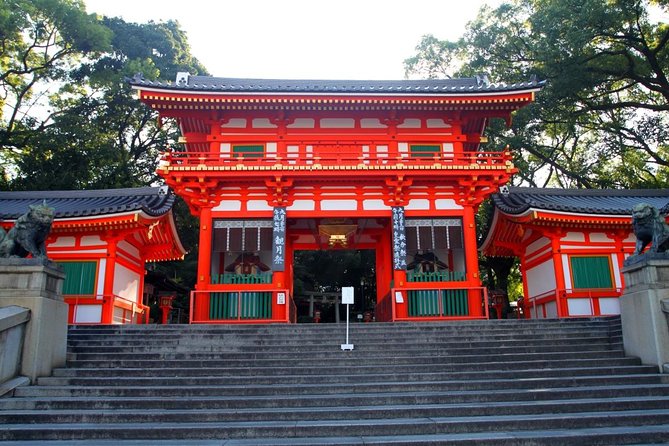
- Free stops included: Kennin-ji Temple and Yasaka Shrine are listed with free admission.
- Views at Shijo Bridge: a strong “Kyoto overview” moment that helps everything click.
- Route shaped by your wishes: your guide can adjust what you see as you go.
A Kyoto start you can actually use the same day
I like short tours that give you leverage. This one is designed to do exactly that. In about 2 hours, you get an orientation to Kyoto’s layout and flow—so when you head off on your own afterward, you’re not just following signs, you’re understanding why neighborhoods feel the way they do.
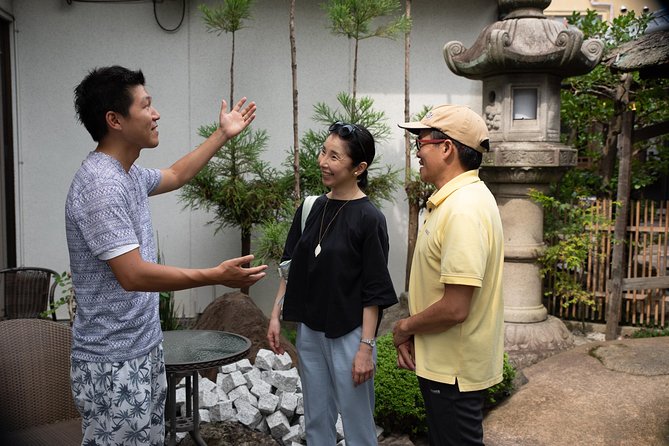
The big win is the private setup. You’re not sharing your guide with a dozen other people, so your questions land faster and get more directly answered. Guides also ask what you want from the rest of your trip, which turns the tour into planning support rather than just sightseeing.
And there’s another practical element: the tour is meant to help you avoid tourist traps. That doesn’t mean skipping everything popular. It means knowing what’s worth your time and what might steal time you’d rather spend elsewhere.
You can also read our reviews of more city tours in Kyoto


Price and value: $93.70 for a 2-hour private orientation
At $93.70 per person for an approximately 2-hour experience, this isn’t a bargain ticket—but it’s also not trying to be one. The value comes from two things you can’t easily replicate alone: local guidance and time-saving planning.
A group tour might cost less, but you often pay with your attention span and your schedule. Here, you’re paying for a guide who can tailor the route to you, steer you away from obvious crush points, and give you local tips you can use instantly for the next day or two.
Also, check how your group is set up. The listing notes group discounts, which can improve the per-person value if you’re booking with others. Either way, the “smart start” angle is what justifies the price: you’re buying a quick map of priorities and a sense of how to move through Kyoto without wasting time.
If you’re wondering whether it’s worth it for a first visit, here’s the yardstick I use: if you only have a day or two in Kyoto, a tour like this can save you from planning mistakes. And planning mistakes in Kyoto can be expensive in time, energy, and missed sights.
Where you meet: Shijo Bridge (四条大橋) and why that matters
You meet back at the same starting point, near 四条大橋 (Shijo Bridge), in Kyoto’s Shimogyo Ward (600-8012). There’s no hotel pickup included, but the meeting location is described as near public transportation, which matters if you’re juggling train schedules and walking.
From a practical standpoint, starting near a central crossing is a smart choice. Shijo area connections make it easier to continue your day afterward—whether you’re heading toward Gion, east Kyoto sights, or just grabbing dinner nearby. Ending where you started also keeps things simple at the end of your 2-hour orientation.
One consideration: if you’re staying far from central Kyoto, you’ll want to plan the trip to the meeting point. Since hotel pickup/drop-off isn’t included, factor that travel time into your day.
Kennin-ji Temple: a quick hit of Kyoto’s Zen temple world
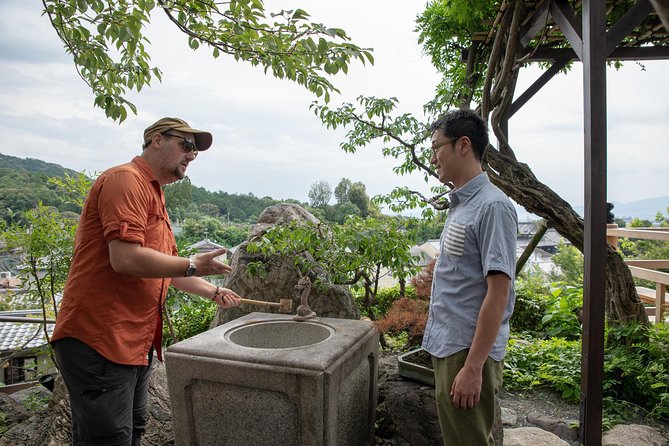
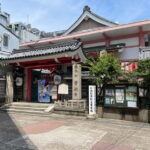
The tour starts at Kennin-ji Temple, listed as one of Kyoto’s “Gozan” (the five most important Zen temples of Kyoto). You’ll spend about 15 minutes here, and admission is free.
What you get from this stop isn’t a long lecture. It’s a guided snapshot that helps you understand what to look for when you visit other temples later. In a short tour, that kind of orientation is huge. Temples in Kyoto can blur together if you don’t know what you’re seeing. A guide helps you connect the dots quickly—what makes the setting feel distinct, how Kyoto’s religious landmarks fit into the city’s bigger story, and what to expect as you move onward.
The main drawback of a temple-first approach is time pressure. Fifteen minutes is enough to see, but it’s not enough for slow contemplation. If you want a deep visit, you’ll likely return later—this tour is meant to point you in the right direction.
Yasaka Shrine and Maruyama Park: pacing you can actually handle
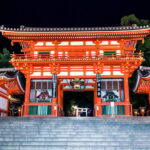
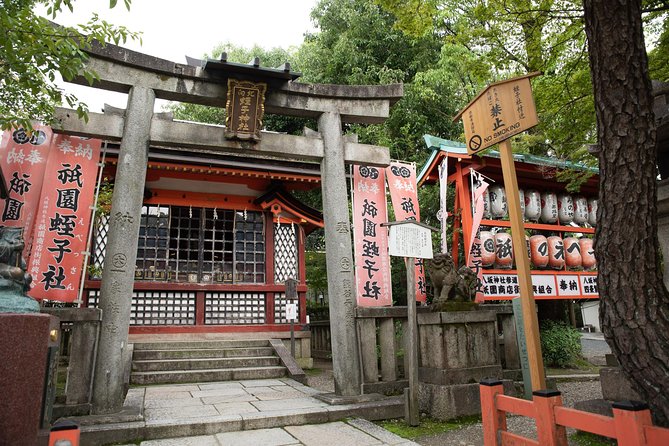
Next comes Yasaka Shrine, described as one of Kyoto’s most famous shrines, founded over 1350 years ago. Admission is also listed as free, and you’ll have around 15 minutes.
Then the route can continue toward Maruyama Park, and the tour includes stops that often connect you to Kyoto’s classic shrine-and-stroll rhythm. Even if the exact “middle stops” vary, the pattern matters: you’re guided through the flow from a major sacred site into the surrounding public spaces where the city’s daily life shows up.
This is also where your guide’s pacing becomes valuable. Kyoto has bottlenecks. A good local host helps you time your walk through busier areas and keeps you moving at a comfortable speed, so you don’t feel like you’re constantly weaving through crowds.
A note on what to expect: since additional stops depend on your host and chosen route, you might see slightly different surroundings than you’re expecting. The overall focus stays consistent—famous anchors plus practical local context.
You can also read our reviews of more private tours in Kyoto



Shijo Bridge views: turning famous Kyoto into a mental map
One of the highlights is getting stunning views from Shijo Bridge. That’s a key moment because bridges and overlooks do something photos can’t: they force you to see how neighborhoods line up.
This is where the tour tends to “click.” If your guide has been talking about where things are and how areas relate, Shijo Bridge becomes the visual payoff. You come away knowing which direction to head for next sights, which areas feel like they connect to each other, and where your energy will be best spent.
It’s also a good time to ask questions. This tour format works best when you treat it like an interactive planning session. If you’ve got hopes for later—temples, gardens, or a specific neighborhood vibe—this is a logical point to check what fits and what doesn’t.
Based on real feedback, guides like Ted and Maha were especially helpful here, using the walk to help structure the rest of your itinerary instead of ending with a simple goodbye.
Gion streets and the “off-the-beaten” plan your guide builds for you
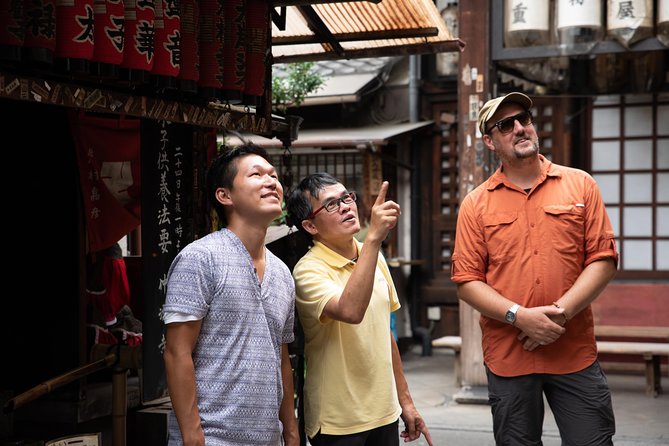
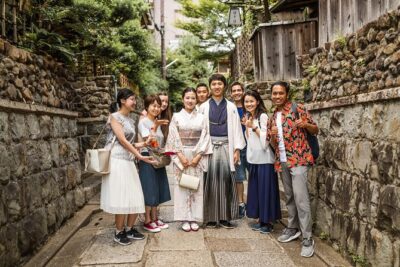
Kyoto’s signature neighborhoods are often the hardest to navigate first. That’s why this tour leans into getting your bearings in places that people recognize—without treating them like a checklist.
Some routes can include time through Gion and even approach areas connected to major sights like Kiyomizu-dera (at least to the entrance area), depending on how your guide chooses the path. In other words: the tour can help you get a first look at the Kyoto most visitors come for, while still keeping an eye on timing and crowd flow.
The listing is clear about what you’re supposed to get beyond sightseeing: advice on off-the-beaten-track sites away from the crowds and tips on which tourist traps to bypass. This kind of guidance is hard to fake. You can read blogs, sure. But when a local host points out what to do in real order—what to see first, what to skip for now, and what to save for later—it changes the whole shape of your trip.
The best part is that the tour is set up for questions. In feedback, guides asked what you want to do and then coordinated the walk accordingly. If your interests skew toward culture, neighborhood wandering, views, or photo-friendly stops, your route can flex.
If you’re the type who loves a plan, this is also a great way to set your “Kyoto priorities” early. You’ll leave with a better sense of what to focus on when you’re choosing between two similar-looking temples or trying to decide how to group neighborhoods on the same day.
How to make the most of your local guide’s attention
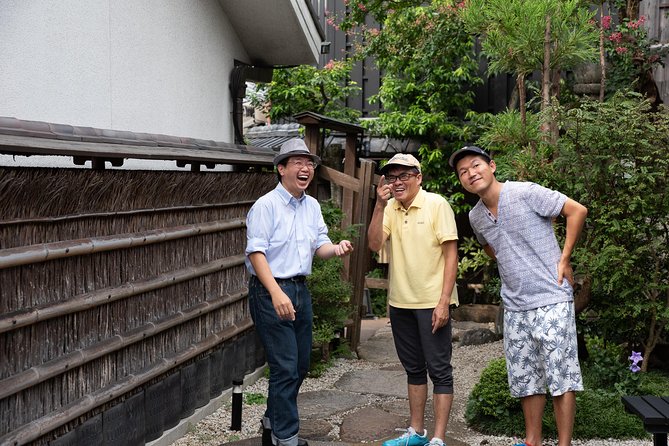
A private tour is only as good as the interaction you create. Here’s how I’d use this Kyoto orientation walk if you want maximum value.
First, bring a quick list of your interests. Not a huge one. Just 3 to 5 priorities. When the guide asks what you want, answer directly.
Second, ask practical questions while you’re moving. For example:
- Which area should I do earlier in the day to avoid crowds?
- What’s worth a return visit, and what can I skip?
- If I have one more afternoon/evening, where should I go?
Third, ask for “next steps,” not just explanations. Feedback specifically mentioned itinerary planning help for the rest of the stay. That’s the jackpot. A good guide turns your tour into a schedule you can follow, not just facts you admire.
Finally, use the tour to learn how your guide thinks. If they explain how they chose stops or how they avoid bottlenecks, you’ll start making smarter decisions on your own.
Who should book this private Kyoto kickstart?
This tour is a strong fit if you:
- Are visiting Kyoto for the first time and want a clear starting framework fast
- Have limited time and want help building the rest of your itinerary
- Prefer one-on-one attention over group pacing
- Like mixing famous landmarks with local guidance on what to avoid
It may be less ideal if you:
- Want a long temple-focused deep visit (this is about orientation and introductions, not long stays)
- Need a perfectly fixed route regardless of conditions (the route can change depending on your host)
- Don’t want to spend the first part of your day meeting at a central public transportation area (no hotel pickup is included)
If you’re on a tight schedule, this is the kind of booking that can reduce your stress. You’re not guessing where to start. You’re starting with context.
Should you book this private Kyoto tour?
I’d recommend it if you want Kyoto to feel understandable quickly. For many first-timers, the hardest part isn’t finding sights—it’s knowing how to connect them into a logical day. This tour is built for that job: a short orientation, free major stops like Kennin-ji Temple and Yasaka Shrine, and a route that can include Gion and views from Shijo Bridge depending on your guide.
Book it if you want a local’s help choosing what to do next and you’re comfortable treating 2 hours as a smart introduction, not a full sightseeing marathon. Pass if you already know Kyoto well, or if your priority is a single major temple visit where you’ll want more than a quick stop.
FAQ
FAQ
How long is the Private City Kickstart Tour: Kyoto?
It’s approximately 2 hours.
Is this tour private?
Yes. It’s a private tour with only you and your local guide.
What’s included in the tour price?
It includes the private tour, a local guide, local tips and tricks, and city orientation.
Where does the tour start and end?
It starts at 四条大橋 (Shijo Bridge), Kyoto, and ends back at the same meeting point.
Is hotel pickup or drop-off included?
No. Hotel pickup and drop-off are not included.
Are tickets for Kennin-ji Temple and Yasaka Shrine included?
Kennin-ji Temple and Yasaka Shrine are listed as free admission stops on this tour.
What highlights should I expect on the route?
The route highlights include Kennin-ji Temple, Maruyama Park, Yasaka Shrine, and views from Shijo Bridge. Other stops may vary based on your host’s route.
Do I get a mobile ticket?
Yes, the tour uses a mobile ticket.
How far in advance is this tour commonly booked?
On average, it’s booked about 22 days in advance.
What is the cancellation policy?
You can cancel for a full refund if you cancel up to 24 hours in advance of the experience start time.
When do I receive confirmation?
Confirmation will be received at the time of booking.