REVIEW · KYOTO
Kyoto tour 12 hours Private Nagoya pick up available
Book on Viator →Operated by Miyuki Japan Travel: Stress-Free, Hassle-Free, Comfort Ride - Enjoy Japan · Bookable on Viator
Kyoto is gorgeous, but it can chew up time and energy. This private 10–12 hour day plan focuses on less walking and more time where it counts, with a car that drops you off and picks you up close to each stop.
I especially like the flexible timing. You decide how long to linger at Arashiyama, Kinkaku-ji, Nishiki Market, Fushimi Inari-taisha, and Kiyomizu-dera, instead of being marched through on someone else’s schedule. The day stays calm, not rushed.
One thing to consider: the “not a professional guide” setup means you get help and translation, but you shouldn’t expect a deep, lecture-style history tour.
In This Review
- Key points to know before you go
- Why a private car day feels so much better in Kyoto
- Price and value: what $1,172.75 per group gets you
- The day plan: 10–12 hours with real flexibility
- Stop 1: Arashiyama and Togetsukyo Bridge time (with options for food)
- Stop 2: Kinkaku-ji Golden Pavilion without the clock pressure
- Stop 3: Nishiki Market shopping and snack time
- Stop 4: Fushimi Inari-taisha and choosing your torii walking limit
- Stop 5: Kiyomizu-dera UNESCO temple and the Otowa Waterfall area
- Stop 6: Higashiyama Ward with Hōkan-ji and leftover time for wandering
- The driver/guide setup: languages and practical help (not a full lecture)
- What to budget: lunch and the one clearly listed temple fee
- Who this private Kyoto tour is best for
- Should you book this private Kyoto tour?
- FAQ
- How many people are in the private group?
- Is pick-up available outside Kyoto?
- How long is the tour?
- Are mobile tickets included?
- What languages does the driver speak?
- Is WiFi included during the tour?
- Do I need to pay temple entrance fees?
- Is lunch included?
- Do you provide professional photography?
- What is the cancellation window?
Key points to know before you go

- Nagoya-area pickup available for a smoother start to the day
- Private car, air-conditioned, with WiFi to recharge between Kyoto icons
- Adjustable stops: skip, add, or linger longer where you care most
- Photography assistance included (help with shots, not a professional photographer)
- Main sights plus market time: temples and torii gates, plus Nishiki Market shopping
Why a private car day feels so much better in Kyoto
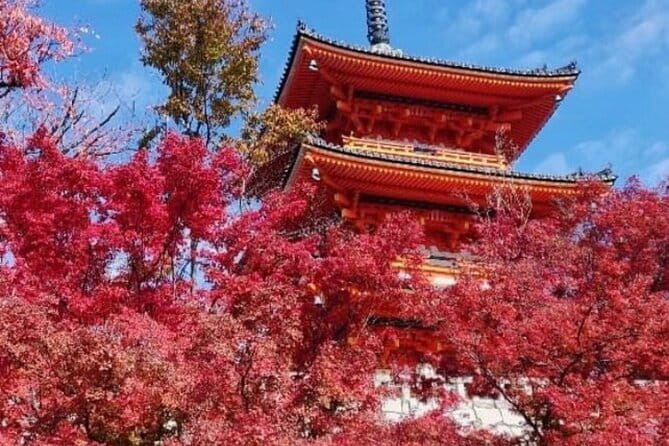
Kyoto can be a lot of steps. Streets are narrow, crowds build fast, and the “just one more stop” plan becomes a tiring sprint. The big value here is that your group travels by private, air-conditioned vehicle, with pickup and drop-off arranged as close as possible to each destination.
That translates into a more relaxed rhythm. Instead of losing time backtracking, waiting for buses, or herding your group through train transfers, you move directly from one highlight to the next. And because it’s private (only your group), you’re not trapped in the slowest pace in the tour.
I also like that the day is set up for comfort. Even if you’re visiting with older family members, or you simply don’t want to spend the day in shin-deep walking mode, this layout is designed to make Kyoto feel doable.
You can also read our reviews of more private tours in Kyoto
Price and value: what $1,172.75 per group gets you
This tour costs $1,172.75 per group (up to 6). So the price is really about sharing the cost of a private vehicle plus an English/Tagalog/Japanese-speaking driver across your group.
If you’re traveling as a couple, you’ll likely feel the cost more. But if you’re a small group (friends, a family unit, or parents with grown kids), the math starts to make sense because you’re not paying per person for the ride and logistics. You’re paying for convenience you can feel all day: door-to-near-door transfers, fewer walk-and-wait moments, and built-in time flexibility.
Included perks that help the value: WiFi on board, bottled water, parking and vehicle-related fees, and photography help. Those sound minor until you realize how often a day like this depends on your energy staying steady between stops.
The day plan: 10–12 hours with real flexibility
Expect an overall duration of about 10–12 hours. You can also expect that “how long we stay” isn’t rigid. The tour is designed around you setting the pace at each stop.
That’s especially useful in Kyoto because each place has a different “best time” feel. Markets and shopping streets reward slow wandering. Temple grounds reward early arrival energy, but you may still want time to stand back and just look. Torii gates at Fushimi Inari-taisha work best when you choose your walking limit instead of pushing all the way to wherever a fixed itinerary ends.
The itinerary also gives you a built-in buffer. Stop 6 (Higashiyama Ward) uses the remaining hours for travel time and sightseeing time, rather than forcing a hard stop earlier in the day. In practice, that means you can let the day run a little like a good vacation, not a checklist.
And yes, there’s a mobile ticket mentioned, plus confirmation at booking. That’s the kind of low-drama planning you want when you’re juggling temple lines, transit, and what you packed that morning.
Stop 1: Arashiyama and Togetsukyo Bridge time (with options for food)
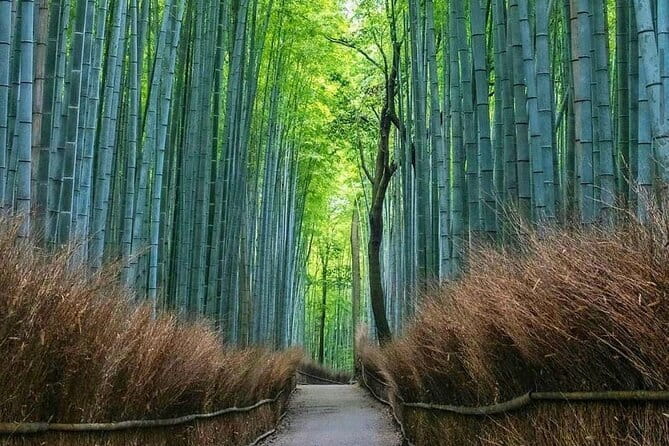
Arashiyama is a great opener because it feels like you’ve already stepped into Kyoto’s calmer, scenic side. You get about 2 hours here, and the plan emphasizes no rush. You can hang out for the views and take photos, and there’s time to eat too.
Togetsukyo Bridge is the standout named feature. It’s a classic photography target for a reason: you get strong views and an easy walking path that’s good for pausing without feeling trapped. Since you control the pace, you can spend more time at the bridge area and less time wandering side streets if the crowd level or weather doesn’t suit you.
One practical note: Arashiyama can be busy. If you’re the kind of group that wants to avoid shoulder-to-shoulder moments, use your flexibility. Spend more time wherever you feel comfortable, and let the driver’s timing help you avoid getting stuck waiting in the same spot.
Stop 2: Kinkaku-ji Golden Pavilion without the clock pressure
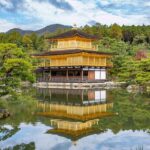
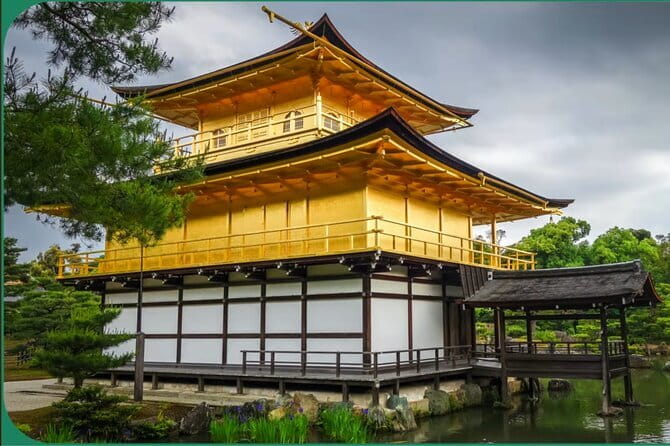
Kinkaku-ji (the Golden Pavilion) is the iconic name you came for. You’ll get around 1 hour here. That hour matters. It’s long enough to see the pavilion area and take pictures, but short enough that you don’t lose the whole day to one stop.
Entry fee: not included here. The listing specifies Kinkakuji Temple at ¥500 per person. It’s a small extra cost, but it’s worth planning for so you’re not scrambling at the gate.
What I like about this stop in particular is the tone: you’re not forced to sprint from photo spot to photo spot. You decide how long you want. If the pavilion is the only “must-see” for your group, you can treat this as a focused stop and save time for Nishiki Market or Fushimi Inari later.




Stop 3: Nishiki Market shopping and snack time
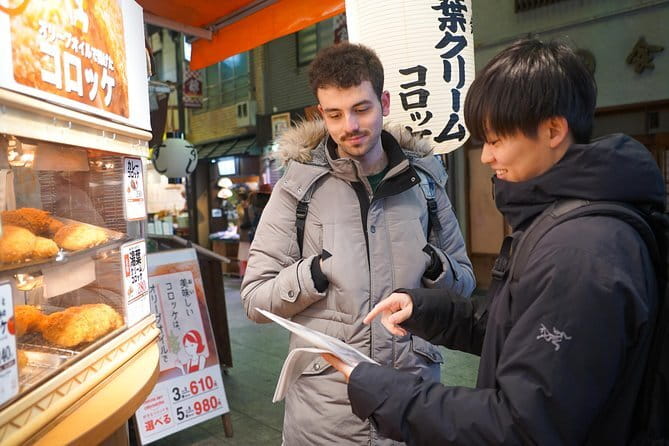
Nishiki Market is where Kyoto turns practical and delicious: shopping streets, bite-sized treats, and souvenirs you can actually carry home. You’ll have about 2 hours here, and it’s marked as free admission for the stop.
I like that the tour doesn’t treat Nishiki as a rushed walk-through. Market time works best when you can split interests. One person wants snacks and quick browsing, another wants small gifts, and another just wants to watch how people shop. With a private car setup, you don’t have to keep re-checking where the group is in the crowd.
Since lunch isn’t included (you’ll budget separately), this stop can also serve as your “we’ll eat now, not later” moment. If you plan to do that, come with the mindset that you’ll probably eat a few things, not just one big meal. Then you can keep moving without getting too stuffed to enjoy temple steps later.
Stop 4: Fushimi Inari-taisha and choosing your torii walking limit
Fushimi Inari-taisha is famous for a reason: thousands of red torii gates and a walking path that feels almost like a choose-your-own-adventure. You get about 2 hours here, and admission is listed as free.
The best part of scheduling Inari on a private, flexible itinerary is that you can tailor your walking effort. If your group wants light strolling, you can stay nearer the entrance areas and still get the full wow factor. If you want to walk deeper, you can do that too—without the fear of falling behind a fixed group schedule.
Here’s a practical tip: wear shoes you can move in comfortably. Even if you’re not doing the long climb, the ground can be uneven and you’ll want stable footing. Also, plan for photos. Torii gates love backdrops, but crowding can make the best angles change minute by minute. Having time control helps.
Stop 5: Kiyomizu-dera UNESCO temple and the Otowa Waterfall area
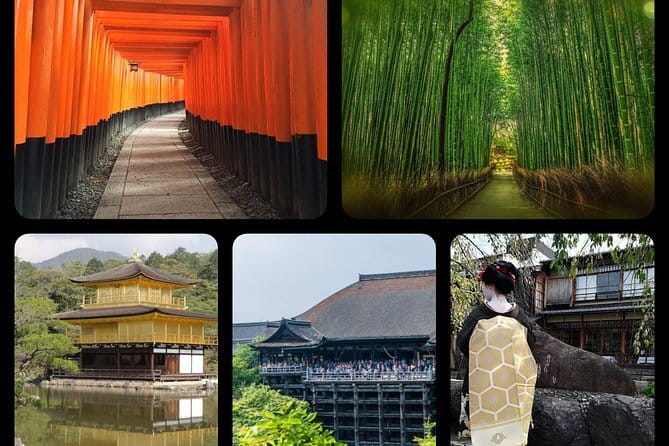
Kiyomizu-dera is a UNESCO World Heritage site, and it’s another stop built for viewing time rather than speed. You’ll have about 1 hour, and entry is listed as free for this part of the itinerary.
The description points to the iconic wooden stage and the Otowa Waterfall area. That combination is why Kiyomizu-dera hits differently than other temples. The views from the stage are a big part of the appeal, and the waterfall area adds a sense of ritual and atmosphere.
With only an hour, you’ll want to decide what matters most to your group. If your priority is stage views and photos, keep your walking inside the grounds efficient. If your priority is the calmer feel and a slower loop, you’ll still be okay—you can spend that hour pacing yourself, since you control your time.
Because Kiyomizu-dera can attract heavy foot traffic, having a private driver helps the transitions. You don’t waste time getting back to your car, and you’re not stuck in a transit bottleneck.
Stop 6: Higashiyama Ward with Hōkan-ji and leftover time for wandering
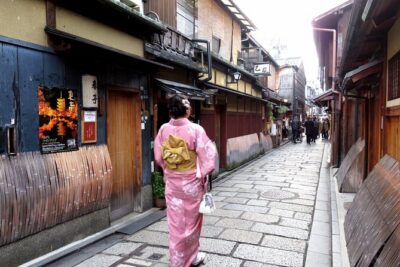
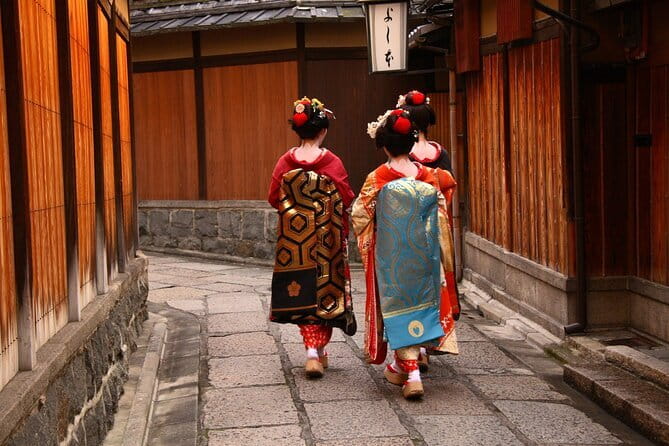
Higashiyama Ward is where Kyoto feels older in the best way: traditional streets, temple neighborhoods, and that slow “just look around” feeling. In the itinerary, the final block uses the remaining hours for travel time from pickup until drop-off, plus sightseeing time.
Hōkan-ji is specifically mentioned under this section, also listed as free admission. That suggests you’re not just passing through the area—you’re getting at least one targeted site inside it.
This portion is a smart way to end. You can let the day’s energy level guide you. If you’re still feeling good after the big names (Inari and Kiyomizu-dera), you can linger. If your group is tired, you can keep it lighter and still feel like you got a meaningful finale.
The driver/guide setup: languages and practical help (not a full lecture)
Your driver is listed as an English/Tagalog/Japanese-speaking person, with help for translation. The tour also offers photography assistance, with an important note: it’s not a professional photographer.
That matches the vibe you want on a private day. You’re not dependent on a script. You can ask questions, get direction, and handle basic needs. And if your group is the type that likes to ask “where should we stand for photos” or “how do we pace this place,” having translation help is genuinely useful.
One review detail that stands out is that a driver/guide named Yuki was praised for being flexible and answering questions, even while not doing a lot of long talking. That’s a good sign for many visitors. Kyoto is already full of sensory input. You don’t need your day narrated over every turn.
What to budget: lunch and the one clearly listed temple fee
Lunch is not included. The estimate provided is 1,000–3,000 yen, which is a pretty normal range for Kyoto meals depending on where you stop. If you want to control costs, plan to treat Nishiki Market snacks as part of your lunch strategy, then grab something simple later if needed.
Entrance fees are listed as not included overall, but the itinerary clearly calls out Kinkaku-ji Temple at ¥500 per person. Other stops (Arashiyama, Nishiki Market, Fushimi Inari-taisha, Kiyomizu-dera, and Hōkan-ji) are marked as free admission in the stop details. Still, because the tour is clear about entry fees not being included in general, I’d treat the ¥500 as the key sure add-on and be ready for anything else at the gate if plans change.
Who this private Kyoto tour is best for
This is a strong choice if you fit one of these profiles:
- You want less walking and fewer logistics headaches.
- Your group is up to 6 people and you’d rather buy a private car day than piece together public transit.
- You like the idea of flexible time at each stop, especially for photos and snacks.
- You want a helpful driver who can translate and guide, but you’re not expecting a full history program.
It may be less ideal if your main goal is a deep, scripted explanation at every temple. The setup is more supportive and practical than lecture-heavy, so you’ll get help and answers, but not a nonstop classroom feel.
It also makes sense if you’re tired of crowding on buses and trains. Kyoto’s busy seasons can turn transit into a second full activity day. This plan sidesteps much of that.
Should you book this private Kyoto tour?
If you care about comfort, pacing, and a day that feels like you’re driving your own Kyoto—not surviving someone else’s itinerary—then I’d book it. The private car, air conditioning, WiFi, bottled water, and stop flexibility add up to a smoother experience, especially if your group wants to linger.
The price can be a lot at first glance, but when you spread it across up to 6 people and factor in reduced walking and stress, it becomes easier to justify. Add in the fact that it’s well-rated and praised for flexibility (including the driver/guide Yuki), and it’s a solid “go enjoy Kyoto” option.
If you only want one or two highlights and you’re traveling solo or as a couple on a tight budget, you might compare alternatives. But for small groups who want a calm, flexible day across major Kyoto icons, this one looks like a very practical bet.
FAQ
How many people are in the private group?
It’s priced per group and the group size is up to 6 people.
Is pick-up available outside Kyoto?
Yes. Nagoya area pick up is available, and pickup is offered.
How long is the tour?
The duration is listed as about 10 to 12 hours.
Are mobile tickets included?
Yes, the tour includes a mobile ticket.
What languages does the driver speak?
The driver speaks English, Tagalog, and Nihongo.
Is WiFi included during the tour?
Yes, WiFi is included on board.
Do I need to pay temple entrance fees?
Entry fees are not included. Kinkaku-ji Temple is specifically listed as ¥500 per person. Other stops in the itinerary are shown as free admission.
Is lunch included?
No. Lunch is not included, with an estimated cost of 1,000–3,000 yen.
Do you provide professional photography?
Photography assistance is included, but it’s not a professional photographer.
What is the cancellation window?
You can cancel for a full refund up to 24 hours in advance of the experience start time.