REVIEW · KYOTO
Zen Meditation for Life in Kyoto
Book on Viator →Operated by Brian Victoria · Bookable on Viator
Kyoto at 1:00 pm, then quiet time. This private Zen meditation session pairs a traditional machiya house with clear guidance from a Zen Buddhist priest, right near Kyoto Station. I love that it is truly private for just your group, and I also like the hands-on mix of posture training plus seated and walking meditation. One thing to consider: you should expect a teaching-heavy afternoon, with a fair bit of information before you settle into the silence.
You’ll meet in the Kyoto Station area and head a short ride to the meditation hall near Nishi Honganji. The program is built to help you feel confident enough to keep meditating on your own if you want. If you’re hoping for a quick, casual sightseeing stop, this is more practice and explanation than temples-on-a-timeline.
In This Review
- Key Highlights You’ll Care About
- Zen Meditation in Kyoto’s Machiya: What You’re Actually Signing Up For
- Getting There From Kyoto Station (And Why That’s a Plus)
- Your Teacher: Brian Victoria and a More Spiritual Than Tourist Approach
- Inside the Machiya: The Space and the Posture Focus
- The Itinerary Flow: Theory, Zazen, Kinhin, Then Tea and Questions
- Zazen and Kinhin for Beginners: What You’ll Feel During Practice
- The Tea Stop: Why the Kyoto Sweet Matters
- Price and Value: Is $108 Worth It?
- Who This Workshop Fits Best (And Who Might Want Something Different)
- Practical Tips Before You Go
- Should You Book Zen Meditation for Life in Kyoto?
- FAQ
- FAQ
- Where does the Zen meditation workshop start?
- How long is the experience?
- Is this experience private or shared?
- What meditation styles are included?
- What is included in the price?
- Is transportation included?
Key Highlights You’ll Care About
- A private group experience with no crowded workshop vibe
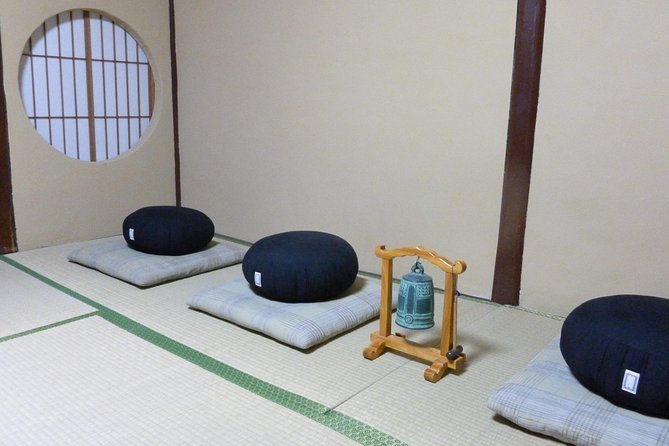
- Machiya setting in a traditional Kyoto home, not a generic studio
- Zazen + kinhin using both seated and walking meditation
- Chair option if lotus or half-lotus feels like too much
- Coffee, tea, and a Kyoto sweet included, with time for questions
Zen Meditation in Kyoto’s Machiya: What You’re Actually Signing Up For
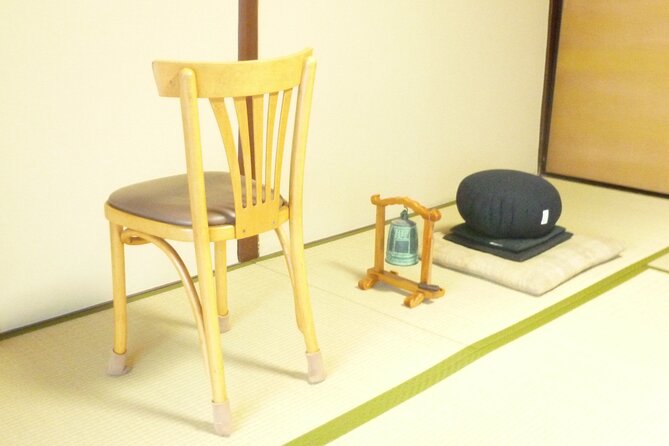
This workshop is the kind of Kyoto activity that feels different from the usual “see a temple, hear a few facts, take photos, move on” rhythm. Instead, you start with teaching, then you practice. The format matters: you get time to learn the ideas behind Zen meditation and then time to use your body in the right way.
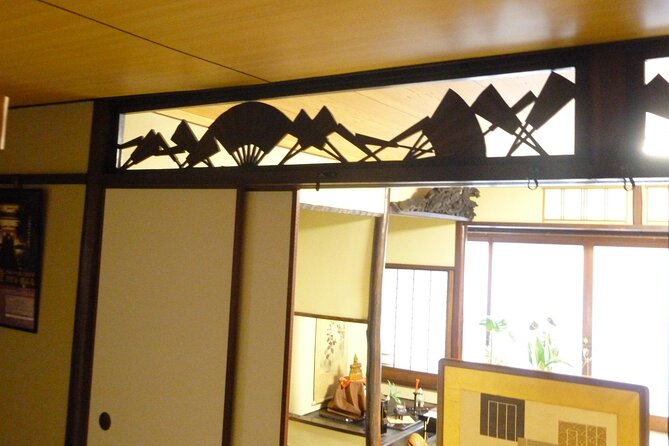
The setting also has real value. The session takes place in a traditional Kyoto home type called a machiya, which tends to feel calm and lived-in rather than staged. When a meditation teacher can work with your posture and attention in a quiet, domestic space, the lesson often sticks better than in a bright community room.
You’re also not doing this with strangers. It is private, meaning the priest can shape the pacing around your group’s needs. If you’re new to meditation, that comfort factor matters more than you might think.
Finally, the afternoon includes drinks and a sweet at the end. That part might sound like a small perk, but it’s actually part of the experience flow. You finish practice, then you come up for air with tea and something sweet before you talk through questions.
You can also read our reviews of more tours and experiences in Kyoto.



Getting There From Kyoto Station (And Why That’s a Plus)
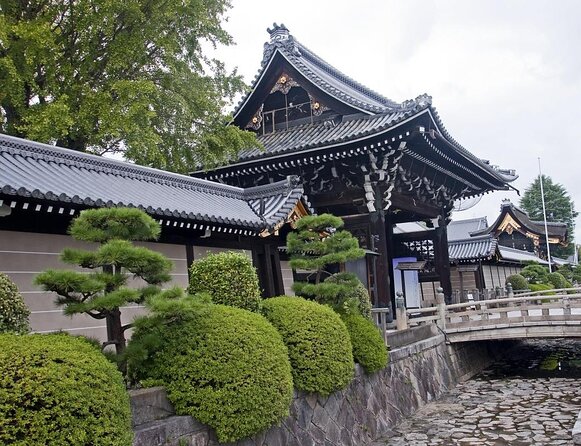
The meeting point is at Hotel Granvia Kyoto, at the JR京都駅 Central Entrance. The start time is 1:00 pm, and the activity ends back at the same meeting point. This is helpful because you can reach the start area easily, even if you’re still figuring out Kyoto’s transit system.
From the meeting point, the meditation hall is about a five-minute bus or taxi ride from Kyoto Station, near Nishi Honganji. That short travel distance makes the day feel efficient. You’re not losing half your afternoon to complicated connections, and you can keep your energy for posture practice.
Public transportation to the meeting area is on you, and it’s listed at ¥240 per person. If you’re staying near Kyoto Station, you might find this easiest. If you’re staying far away, plan to reduce stress by taking a direct route rather than hopping between lines.
Your Teacher: Brian Victoria and a More Spiritual Than Tourist Approach
This experience is led by Brian Victoria, identified as both academic and cleric in the broader feedback you can see for the activity. That combination shows up in what the workshop aims to do: it is not only instructions for breathing. It’s also an explanation of what Zen meditation is for, and how Japanese religious practice evolved over time.
That matters because meditation lessons can become hollow if they are only technique. Here, the structure is meant to give you context, so the practice feels like it has a purpose rather than being a random mindfulness exercise. If you’re curious about religion, history, or how traditions change as they travel, you’ll likely appreciate the way the priest connects practice with meaning.
Also, the private setting helps the teacher adjust tone and explanation. You’re not getting rushed into the same generic talk that fits everyone.
Inside the Machiya: The Space and the Posture Focus
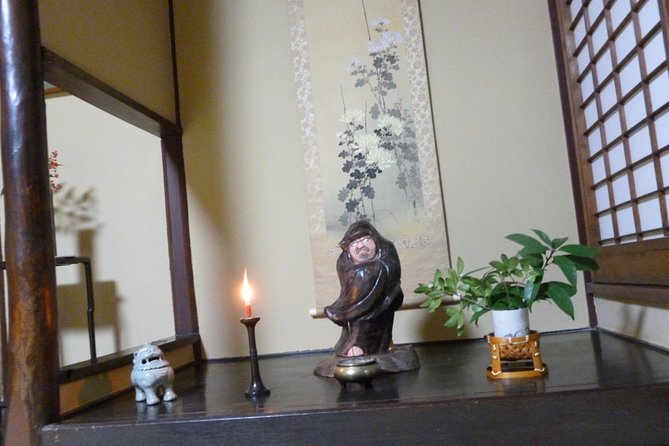
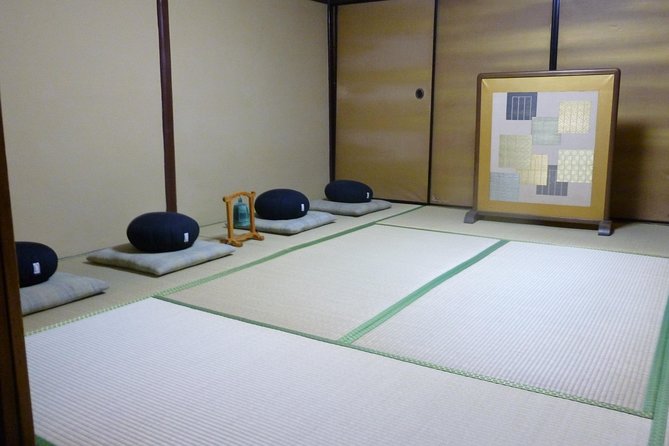
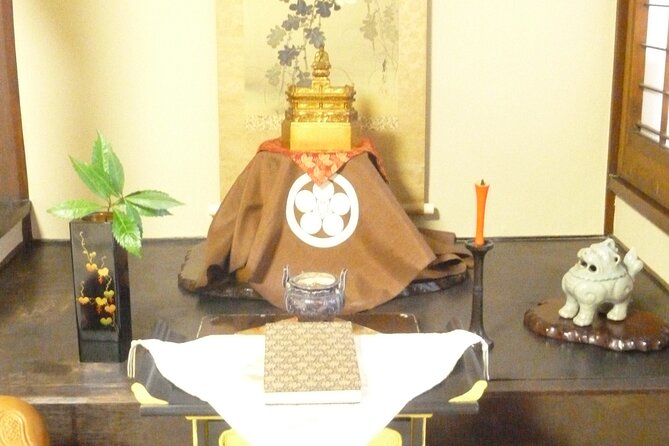
After your short ride near Nishi Honganji, you’ll be in the private Zen meditation hall inside a traditional Kyoto home. The space is set up for seated work and quiet attention, so the teacher can coach posture in a practical way.
The session includes a thorough 90-minute introduction to both theory and practice. A big theme is proper posture for Zen mindfulness meditation. That’s a key point for beginners: the body is part of the training. Even if you’ve tried meditation before, learning the specific posture expectations can change your comfort level quickly.
The workshop also emphasizes breath and mind control. That phrase can sound heavy, but in practice it usually means you’re learning how to bring attention back to something steady, instead of chasing thoughts around the room.
And you have options. Zen meditation can be done using lotus or half-lotus postures. If that feels unrealistic, you can use a chair instead. That flexibility helps the session stay welcoming without turning it into a casual stretch class.
The Itinerary Flow: Theory, Zazen, Kinhin, Then Tea and Questions
The schedule is built like a training cycle: teach, practice, rest your mind a bit, then talk.
First comes the 90-minute introduction, covering posture and the fundamentals of breath and mind control. You also get the context for how this kind of meditation fits into Zen practice and what the practice is meant to cultivate. For many people, this is where you decide whether the rest of the afternoon will feel meaningful or confusing.
Then you move into the practice portion with two seated meditation periods of about 20 minutes each. These are zazen sessions, the classic seated meditation form. If you need chair support, you can use it during seated meditation, which is a big relief if your legs don’t like sitting still.
Between those sits, you add walking meditation (kinhin) for about 10 minutes. Walking meditation changes the experience in a helpful way. You’re still training attention, but your body isn’t only absorbing the strain of one position. It’s also a gentle way to reset your mind between longer stillness periods.
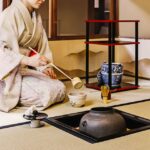
After meditation, you get about 30 minutes for tea and a traditional Kyoto sweet included in the price. This is not filler. It’s time to let the practice land, and it’s also your chance to ask questions while you’re still in the learning mood.
One recurring sentiment from people who do this kind of workshop is that the afternoon can feel longer than expected, because there’s more teaching time than a quick visit. The program is listed as about 4 hours 30 minutes, but you should expect the session can run late into the late afternoon depending on the group pace.


Zazen and Kinhin for Beginners: What You’ll Feel During Practice
If you’ve never done meditation seriously, the first seated segment can surprise you. Not because it’s impossible, but because the hardest part often isn’t breathing. It’s noticing how often your attention wanders, then learning how to return without getting annoyed at yourself.
That’s where the workshop’s posture coaching becomes practical. When your body is set up in a way that supports stillness, your mind gets less stuck on discomfort. You’re training attention, not conquering pain.
The breath-focused instruction also helps you stop treating meditation as a mysterious blank-screen activity. You’re given a concrete anchor, so you can measure progress in an honest way. Even if you don’t become instantly calm, you can still tell whether you’re returning to the breath more often.
Then kinhin comes in, and your body learns a different kind of mindfulness. Walking mediation can feel awkward at first, but it often reduces restlessness. When the teacher guides you, it turns into another attention exercise, just with movement.
The Tea Stop: Why the Kyoto Sweet Matters
The included tea and Kyoto sweet at the end are easy to overlook if you’re thinking only about meditation technique. But this moment is actually part of the learning structure.
Tea time helps you come down from heightened focus. It also turns the workshop into a human conversation instead of a performance you watch and then leave. If you have questions about posture, breath, or what the practice is trying to cultivate, this is when you can ask them in a natural way.
And since coffee or tea is also provided during the visit, you’re less likely to feel you need to escape for caffeine or sugar. That keeps you in the rhythm of the session instead of bouncing your energy around.
Price and Value: Is $108 Worth It?
The price is $108 for a session that runs about 4 hours 30 minutes. Public transportation is not included, and it’s listed as ¥240 per person, so factor that into your total day cost.
Here’s what you’re really paying for. You’re paying for a private teaching time with a Zen Buddhist priest, plus multiple guided practice segments: theory coaching, seated meditation twice, and walking meditation once. You’re also getting drinks (coffee and/or tea), plus green tea and a traditional Kyoto sweet at the end.
For solo travelers or couples, the private nature can make the cost feel reasonable compared to group-based “try Zen once” experiences. For a family, it could be a great value too, as long as everyone is comfortable sitting and listening for a few hours. For a curious traveler who wants something real rather than a quick culture stop, this price-to-substance ratio tends to work.
If your budget is tight and you only want a short taste of meditation, you might look for cheaper options. But if you want instruction you can build on, this workshop is designed to give you enough confidence to continue.
Who This Workshop Fits Best (And Who Might Want Something Different)
This is a strong match for three types of travelers.
- Beginners who want a clear, supported introduction, especially with a posture option like using a chair.
- People who like spirituality with structure, including history and context rather than only calming techniques.
- Anyone staying around Kyoto Station who wants a low-hassle activity that still feels authentic.
It may be less ideal if you’re trying to “cram” Kyoto into a packed schedule and can’t spare a long, quiet block. The session is teaching-forward, and you’ll be sitting for meaningful stretches. If that sounds unpleasant, you’ll want to plan lighter days before and after.
Practical Tips Before You Go
You don’t need special meditation gear for this workshop, since it focuses on guided posture and breathing. Still, a few practical things will make your time easier.
Wear comfortable clothing you can sit in for a while. Even with chair support, you’ll likely want something that doesn’t restrict your movement during posture adjustments. If you’re used to tight shoes or slippery socks, consider swapping to something stable.
Arrive with a calm mindset. You don’t have to know anything ahead of time. The workshop is designed to start from fundamentals, but you’ll get more out of it if you treat it like practice rather than a lecture you can multitask through.
Finally, ask your questions during the tea time. That’s built into the flow for a reason. If something felt unclear during posture or breathing, this is your best moment to get an answer while it’s fresh.
Should You Book Zen Meditation for Life in Kyoto?
If you want one Kyoto experience that feels grounded, not scripted for tourists, I’d recommend booking this. The private format, the machiya setting, and the combination of theory plus both zazen and kinhin make it more than a one-off photo opportunity.
You should book it if you care about doing something meaningful with your time, and if you’re willing to sit, listen, and practice for a few hours. It’s especially worth considering if you’re new to Zen meditation and want posture guidance plus breath instruction with room to ask questions.
Skip it if you only want a quick introduction, or if long sitting sounds like a deal-breaker. You can use a chair, but the core of the workshop still involves meditation practice.
FAQ
FAQ
Where does the Zen meditation workshop start?
It starts at Hotel Granvia Kyoto, JR京都駅 Central Entrance in Kyoto, and the activity ends back at the same meeting point.
How long is the experience?
The duration is about 4 hours 30 minutes.
Is this experience private or shared?
It is private. Only your group participates.
What meditation styles are included?
You’ll do seated Zen meditation (zazen) and walking meditation (kinhin).
What is included in the price?
Coffee and/or tea are provided, and the workshop ends with green tea and a traditional Kyoto sweet.
Is transportation included?
No. Public transportation is listed as ¥240 per person.