REVIEW · KYOTO
Cycling Tour at Uji’s Matcha Green Tea Fields and Heritage
Book on GetYourGuide →Operated by AWA-RE Inc. · Bookable on GetYourGuide
A quiet ride through Uji? Yes, and it’s surprisingly memorable. I like the BROMPTON bikes because the pace stays relaxed, even when you’re weaving between temples and riverside spots, and I like the built-in focus on matcha—from tasting to learning what makes Uji tea special. The whole thing feels made for slowing down, not rushing.
You’re also getting a thoughtfully connected tour of Uji’s religious landmarks and tea culture, including the UNESCO-class Byodo-in area. One thing to consider: parts of the experience come with optional entrance fees (like Chazuna and Byodoin Phoenix Hall), so your final cost can be a bit higher than the base price.
In This Review
- Key things I’d pay attention to
- Why Uji by bike beats a hurried Kyoto day
- Starting at the Tea Jar Post near JR Uji Station
- Getting comfortable on a Brompton before the first tea stop
- Chazuna: matcha culture you can actually use
- Uji Shrine, Ujigami Shrine, and Uji Kosho-ji Temple
- The Uji River ride: the part you’ll remember
- Tō-no-shima Island: a scenic detour with breathing room
- Byodo-in Temple and the Phoenix Hall UNESCO visit
- Lunch snacks and the matcha shop focus
- Price ($160) and what you’re really paying for
- Who this tour fits best
- Quick, practical planning notes (so you’re not surprised)
- Should you book this Uji matcha cycling tour?
- FAQ
- FAQ
- How long is the tour?
- Where do I meet the guide and bikes?
- What’s the price?
- Is this a small group tour?
- What language is the guide?
- What bike is provided?
- What is included in the price?
- Are snacks included?
- Do I need to pay for Chazuna and Byodoin entrances?
- Is insurance included?
Key things I’d pay attention to
- BROMPTON bikes for slow, stable cruising through shrine lanes and riverside paths
- Uji’s tea stops that mix tastings with practical tea-culture context
- A quieter Uji River route and a ride out to Tō-no-shima Island
- Shrine and temple sequencing that keeps the day easy to follow
- Byodo-in and the Phoenix Hall UNESCO visit as a clear climax
- A small group capped at 6 with an English-speaking guide
Why Uji by bike beats a hurried Kyoto day
Uji sits south of Kyoto, but it doesn’t feel like a carbon copy of the big city. It’s known for matcha and tea products, and it also has religious sites that go back more than 1,000 years, which makes the day feel layered without needing a museum ticket for everything.
The biking part matters because it changes the rhythm. On foot, you can end up stuck in crowds or stuck in your own pace; by bike, you can glide from one landmark to the next and still have time to look around. I like that the course is set up for slow cycling, which keeps the experience comfortable for people who aren’t super fit.
Also, this area has ties to elite, historic life—Uji’s roots include being a medieval villa zone for nobility. That context helps the shrines and tea stops make sense as more than just photo targets.
You can also read our reviews of more cycling tours in Kyoto
Starting at the Tea Jar Post near JR Uji Station
Your day begins at the 茶壷型ポスト (Tea Jar post) just outside JR Uji Station, where you’ll meet a navigator on a Brompton. This is a simple setup if you’re using public transit, and it means you don’t have to hunt for a moving pickup point.
Bromptons are small and practical, which fits Uji well. You’re not wrestling a bulky bike, and you can focus on the ride instead of logistics. Plus, the tour provides the riding gear—so you don’t need to bring a helmet, bags for wheeled transport, or anything like that.
The group stays small, limited to 6 participants. With fewer people in the mix, you’re more likely to get practical attention from your guide and not feel like you’re being rushed along.
Getting comfortable on a Brompton before the first tea stop
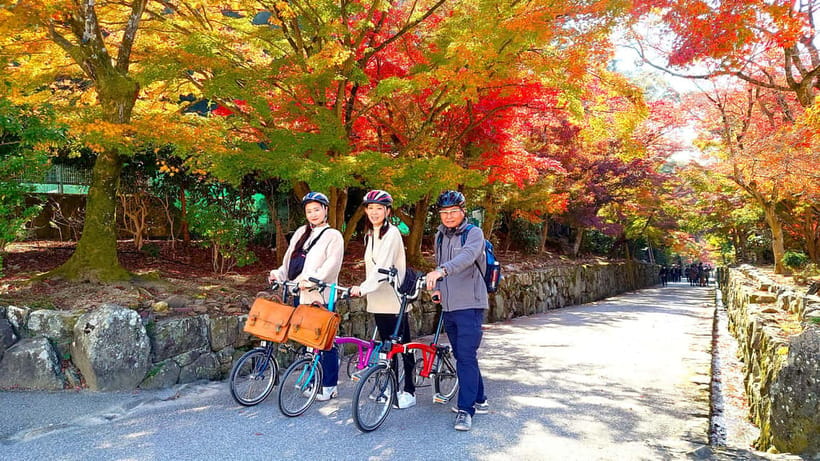
Right after meeting, you’ll get into the rhythm with a bike tour segment—about 30 minutes at the Chazuna area. The short early stretch is useful. It lets you get used to the bike, the local pace, and the guide’s style before you hit the shrine circuit.
Your guide is a local navigator with an English guide component (Japanese and English are supported). In practice, this kind of navigator-led route is what helps you avoid the usual “only the obvious spots” itinerary. You get the kind of guidance that helps you understand what you’re looking at, not just where you’re going.
If you’re the type who likes photos, this setup is friendly. The tour is set up with time for picture moments, especially once you reach the river corridor.
Chazuna: matcha culture you can actually use
Chazuna is where the day starts to lean into Uji’s tea identity. You’ll spend about 30 minutes on the Chazuna bike tour segment, and there’s an optional entrance fee (600 yen) if you want to go inside the Tea and Uji Town Exchange Centre Chazuna.
This stop is valuable because it frames matcha as a process, not just a flavor. If you like tea, you’ll appreciate learning how Uji’s tea culture works and what makes this region’s matcha different. If you’re not a tea person, you’ll still come away with a better sense of why Uji is famous.
One practical tip: if you decide to enter Chazuna, budget a little extra time for it. The fee is optional, but if you’re curious, it gives context to everything else you’ll see today.
Uji Shrine, Ujigami Shrine, and Uji Kosho-ji Temple
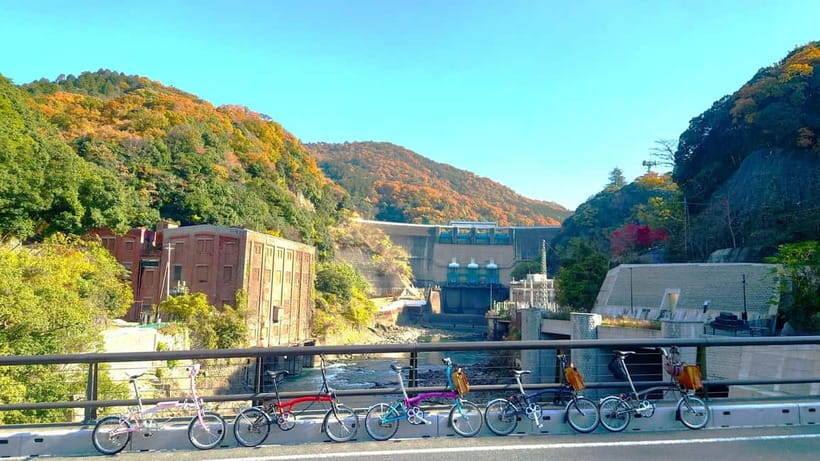
After Chazuna, the day shifts into religious landmarks. Each shrine/temple segment is timed for a relaxed visit—about 20 minutes at Uji Shrine, 20 minutes at Ujigami Shrine, and 20 minutes at Uji Kosho-ji Temple.
What I like about this sequence is how it keeps the day coherent. Instead of hopping randomly, you move through related spiritual sites in a way that feels like a guided stroll, just on a bike. The short time windows also help you avoid the “too many stops, no time to look” problem.
You’ll get plenty of chances for quiet viewing and photos without the sense that you’re trapped behind a tour group wall. And because you’re riding, you can watch the surroundings change—street texture, temple approach paths, and the way people move through these spaces.
You can also read our reviews of more historical tours in Kyoto
The Uji River ride: the part you’ll remember
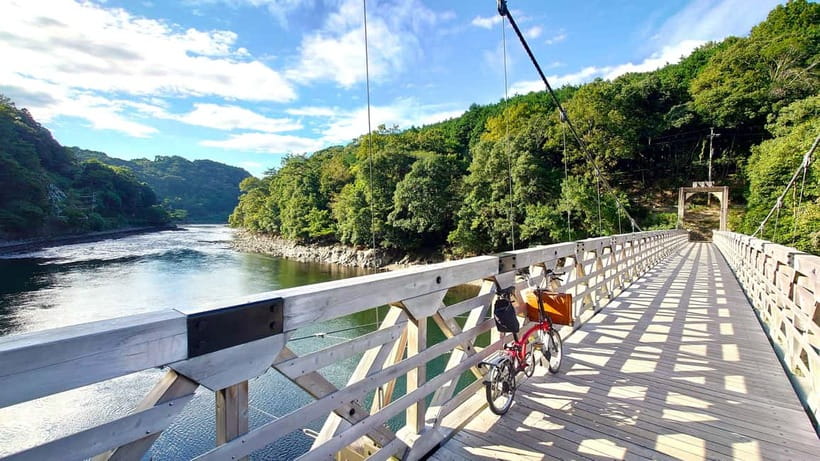
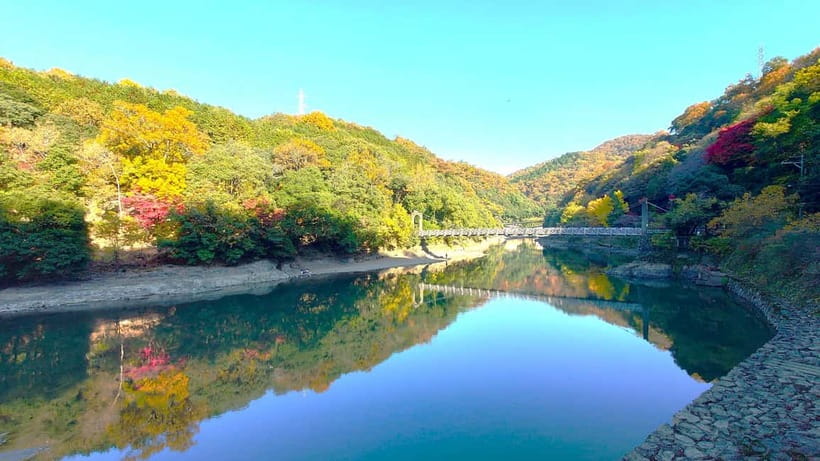
The most relaxing stretch comes next: 30 minutes along the Uji River. This is where the tour’s low-key character shows. There’s a quiet route through the riverside that’s not the same as the big sightseeing lanes.
For photographers and anyone who just likes a calm view, this is a strong moment. The Uji River corridor gives you photo opportunities on a slow-moving schedule, so you’re not constantly stopping, and you’re not constantly running late.
If you like being out in nature but don’t want a strenuous hike, this is a great compromise. You’re still on a bike, so you get the easy effort, and you still get the softer scenery that makes Uji feel different from central Kyoto.
Tō-no-shima Island: a scenic detour with breathing room
From the river section, you’ll ride for about 30 minutes to Tō-no-shima Island. This stop adds variety without turning your day into a workout. It’s timed so you can enjoy the views and feel like you reached a specific place, not just passed through it.
This part of the tour is also a good test of comfort. Because the pace is intentionally slow, it’s friendly if you’re new to cycling in a city environment. Your guide can adjust how you move if you need extra time.
And since you’re already in the river mood, the island acts like a visual pause—an in-between space where you can slow your thinking down, look around, and take photos without feeling rushed.
Byodo-in Temple and the Phoenix Hall UNESCO visit
The day’s main heritage finish is Byodo-in Temple, with about 1 hour here. Byodo-in Phoenix Hall is a UNESCO World Heritage Site, and visiting it on this tour feels like the natural climax of your Uji tea-and-spiritual journey.
What makes the UNESCO status meaningful on the ground is how it ties together location, architecture, and atmosphere. You’re not just ticking a box; you’re arriving after a full day of context—tea culture, shrines, and the riverside setting. That makes the hall feel more specific and more grounded.
The Byodoin Phoenix Hall entrance fee is optional (700 yen). If you care about the building itself, it’s usually worth budgeting for the entry so you don’t have to wonder what you missed.
Plan to use your hour wisely: take a slow look first, then return to your favorite angle for photos. The guided rhythm helps you avoid aimless wandering.
Lunch snacks and the matcha shop focus
Food is built into the tour with about 30 minutes for local snacks. Snacks aren’t included in the price, but your accompanying navigator will suggest places based on what you want. That’s useful in Japan, where the best choice depends on whether you want something sweet, something filling, or something quick.
This tour is especially strong if you’re a matcha fan. Along the day, the tea focus includes specialty matcha green tea experiences, plus time that often leads to finding a great matcha drink. If you want to take something home, you may also get direction on where to buy matcha powder.
I also like that the food time isn’t thrown in as an afterthought. It’s scheduled, and it fits the pace of a gentle cycling day.
Price ($160) and what you’re really paying for
At $160 per person, this tour isn’t the cheapest option, but it’s not priced like a luxury day either. You’re paying for three things that add real value:
- An English-speaking guide and navigator who knows the local route and can steer you toward meaningful stops
- A provided Brompton setup, including helmet and transport-friendly bags
- A small group experience limited to 6 participants, which helps the day feel calm instead of crowded
On top of that, you get a route that mixes tea culture, multiple shrines/temples, a quiet river stretch, and a UNESCO site. If you were to try it on your own, you’d spend time figuring out logistics, bike setup, and what order makes the day flow.
So here’s my take: $160 is fair if you want guidance and comfort. If you’re a confident cyclist who loves planning routes from scratch, you might do it for less. But if you want the Uji day to feel smooth, this price buys you that ease.
Who this tour fits best
This is a good match if you:
- want a slower pace and don’t want a hard cycling day
- like heritage sites but also want a break from constant walking
- care about tea culture and want a practical, guided approach
- prefer small group tours with room to breathe and ask questions
If you’re expecting a fast, intense ride, this won’t be that. The core idea is calm cycling and scenic stops, with the guide pacing the group for comfort.
Quick, practical planning notes (so you’re not surprised)
You won’t need to bring much for cycling because equipment is provided, including helmets and bags for wheeled transport. The tour duration is 270 minutes, which is long enough to feel like a complete day but short enough to keep it from dragging.
Insurance is optional (500 yen). Entrance fees for Chazuna (600 yen) and Byodoin Phoenix Hall (700 yen) are also optional, so your total cost can vary depending on what you choose to enter.
Should you book this Uji matcha cycling tour?
If you want an easy, guided way to see Uji beyond the most obvious highlights, I’d book it. The combination of Brompton comfort, a quiet Uji River ride, and an on-foot-feeling shrine route makes the day feel special without turning into a complicated plan.
I’d especially recommend it for people who like matcha and for anyone who wants Kyoto-adjacent culture with a calmer tone. Just budget a little extra for optional entrance fees if visiting Chazuna and the Phoenix Hall is part of your plan.
FAQ
FAQ
How long is the tour?
The tour lasts 270 minutes.
Where do I meet the guide and bikes?
Meet outside JR Uji Station at the Tea Jar post (茶壷型ポスト).
What’s the price?
The price is $160 per person.
Is this a small group tour?
Yes. It’s limited to 6 participants.
What language is the guide?
The live tour guide supports Japanese and English.
What bike is provided?
You’ll ride a Brompton bicycle, and bicycle equipment such as a helmet and bags for wheeled transport are provided.
What is included in the price?
Included: bicycle rental fee, exclusive navigator fee, bicycle equipment (like helmets and transport bags), and an English guide.
Are snacks included?
Snacks aren’t included. The navigator will suggest places for refreshments based on your wishes.
Do I need to pay for Chazuna and Byodoin entrances?
Chazuna entrance (600 yen) and Byodoin Phoenix Hall entrance (700 yen) are optional.
Is insurance included?
Insurance is not included. There’s an optional insurance fee of 500 yen.