REVIEW · KYOTO
2 Types of Japanese Sweets making and Tea Ceremony
Book on GetYourGuide →Operated by B.B.Advisors Inc. AN KYOTO · Bookable on GetYourGuide
Sweet science meets matcha in Kyoto. You work with Kyoto bean paste from long-established shops and use single-origin matcha that you grind yourself. It’s a workshop built around three Japanese food traditions, not just tasting.
I like the clear, hands-on way the class moves from sweet-making to matcha. One thing to consider: the tea portion is presented as a casual, guided session, and the room can feel more like a structured group class than a quiet, intimate ceremony.
In This Review
- Key Points Worth Planning For
- Finding the Workshop Near Gojo Station
- What Makes This Experience Different: Ohigashi, Nerikiri, and Matcha as One Package
- The Morning Start: Traditional Sweets Intro and Timing
- Ohigashi with Wasanbon Sugar: Your First Dried-Type Sweet
- Nerikiri Shaping with Bean Paste: Two Seasonal Sweets You Make Yourself
- Kinton Nerikiri and the Bean-Paste Craft Moment
- Matcha 101 That Actually Leads to a Cup: Grinding and Tea Ceremony
- Price and Value: Is $28 Fair for Two Sweets and Matcha?
- What to Expect in the Room: Group Energy, English Support, and How to Read the Format
- Practical Tips You’ll Actually Use
- Who Should Book This (and Who Might Skip It)
- Should You Book 2 Types of Japanese Sweets Making and Tea Ceremony?
- FAQ
- Where is the meeting point?
- How long does the experience last?
- What is included in the $28 per person price?
- What sweets will I make?
- Do I grind matcha and take part in the tea portion?
- Where do the ingredients come from?
- Is the class available in English?
- What are the operating hours?
- Can I get a full refund if I cancel?
Key Points Worth Planning For
- Kyoto-made ingredients: white/red bean paste from Kyoto’s long-established shops
- Two seasonal nerikiri sweets: you shape sweets that match the time of year
- Wasanbon in ohigashi: dried-type Japanese sweets made with traditional Japanese sugar
- Single-origin matcha grinding: you do the grinding before you drink
- A tidy 125-minute flow: make, break, shape again, then tea and a photo moment
Finding the Workshop Near Gojo Station
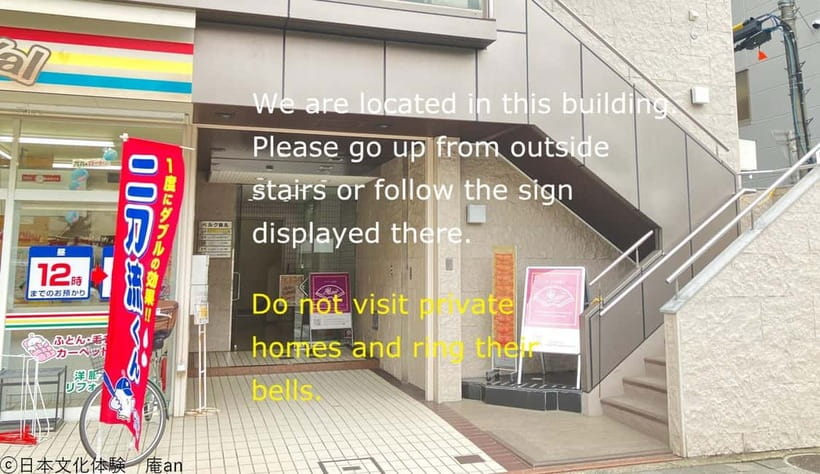
This is a practical location for a short, satisfying cultural stop. You meet about a minute on foot from Exit 1 of Gojo Station on the Karasuma Line, and the shop entrance faces Gojo-dori.
Why that matters: a lot of Kyoto experiences are scattered and require multiple transit steps. Here, you can handle it like a simple appointment, then still have energy left for walking and dinner afterward. It’s also a good fit for travelers who want something hands-on but don’t want a half-day commitment.
One heads-up: there’s no elevator in the building, and you’ll take stairs to reach the different parts of the experience. If stairs are a concern, plan accordingly.
You can also read our reviews of more tours and experiences in Kyoto
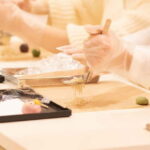
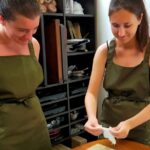
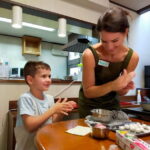
What Makes This Experience Different: Ohigashi, Nerikiri, and Matcha as One Package
Most workshops do one thing well. This one strings together two types of Japanese sweets and tea culture into a single 125-minute session, and that combo is where the value shows.
You’ll make:
- Ohigashi (dried-type sweets) using traditional Japanese sugar called Wasanbon
- Nerikiri (two seasonal sweets) shaped to a flower style and a second design called Kinton Nerikiri
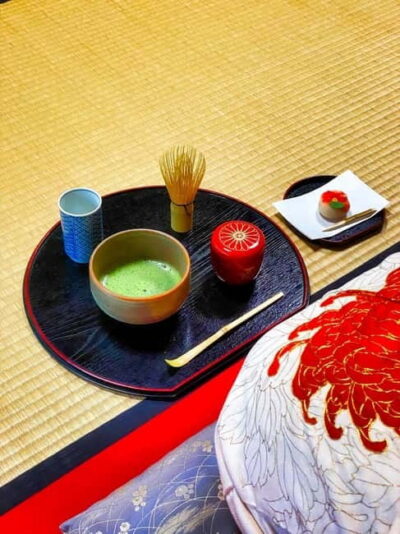
- Your own cup of matcha after a grinding demonstration, followed by a casual tea ceremony experience
Why this pairing works: nerikiri and ohigashi represent different textures and techniques in Japanese sweets. Then matcha is the natural drink partner, and you’re not just learning about it in theory. You do the tactile part first, then connect it to tea.
You’ll also get a steady rhythm of instruction and making time. The class format tends to be structured, with set breaks built in, so you’re not waiting around with nothing to do.
The Morning Start: Traditional Sweets Intro and Timing
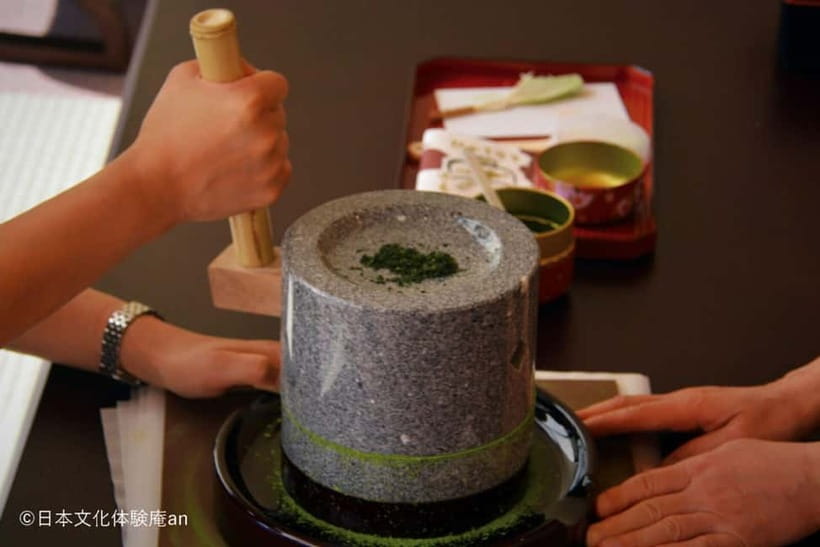
At the start, you’ll get an explanation of Japanese traditional sweets so you know what you’re making and why it matters. Then the hands-on portion begins quickly, so you’re not stuck in a long lecture.
The pacing is also helpful for non-experts. You’re shown what to do, you work at your station, and the instructor keeps things moving. If you’ve ever felt overwhelmed in cooking classes, this “step-by-step with a timer” approach is a big plus.
The schedule also includes a break period mid-class. That means you’ll have time to reset before shaping the second nerikiri sweet and shifting gears into tea.
Ohigashi with Wasanbon Sugar: Your First Dried-Type Sweet
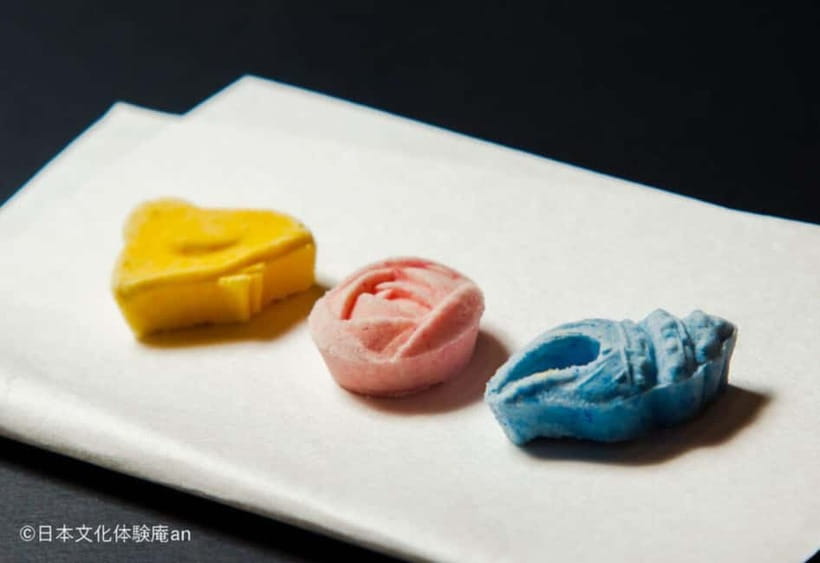
The first sweet you’ll make is Ohigashi, the dried-type Japanese sweet. The key ingredient here is Wasanbon, a traditional Japanese sugar that gives Japanese sweets their distinct character.
What you’re really learning in this step is texture and technique. Dried-type sweets are not just about flavor; they’re about how sugar behaves when shaped and handled. Even if you’ve never worked with wasanbon before, this part is designed to be approachable: you’re guided through the process, then you shape your own finished sweet.
Why I like this stage for you: it’s a gentle entry point. Ohigashi is visually different from nerikiri, so it helps you understand that Japanese sweets aren’t one uniform style. They’re a whole spectrum.
Nerikiri Shaping with Bean Paste: Two Seasonal Sweets You Make Yourself
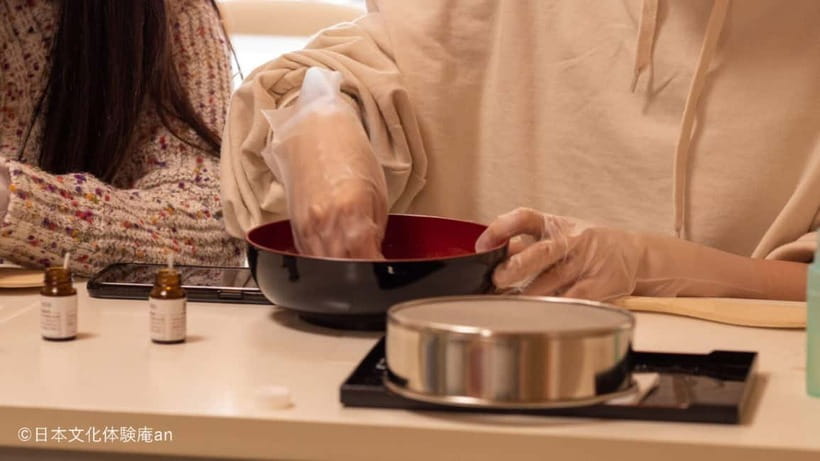
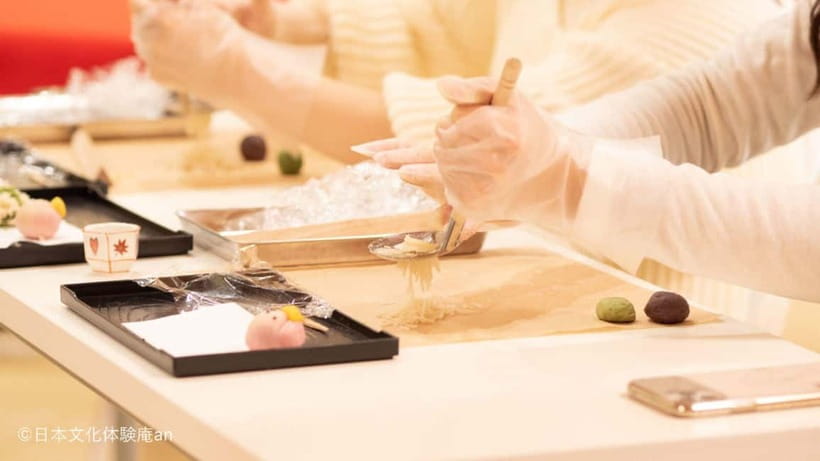
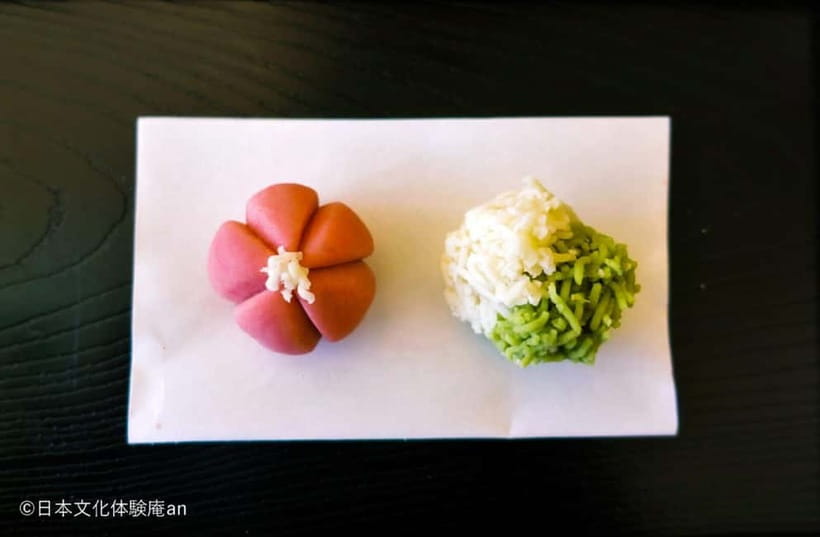
Next comes the centerpiece: Nerikiri, made with white/red bean paste produced by Kyoto’s long-established shops. The workshop notes that you’ll make two seasonal Japanese sweets, which is a smart detail if you like experiences that feel tied to Japan rather than generic craft souvenirs.
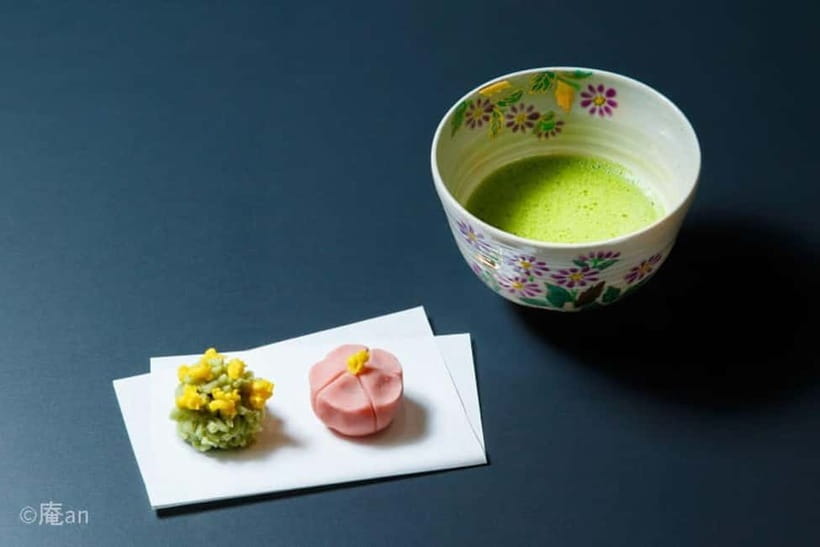
One sweet is a flower-shaped design, and the second is Kinton Nerikiri. Whether you consider yourself “crafty” or not, nerikiri tends to be satisfying because you can clearly see your progress as you shape.
A practical way to think about this: nerikiri is where Japanese sweets become sculpture. The goal isn’t just edible sweetness; it’s a form that looks intentional and seasonal. That means you’ll pay attention to how you roll, press, and form details rather than relying on complicated cooking skills.




Kinton Nerikiri and the Bean-Paste Craft Moment
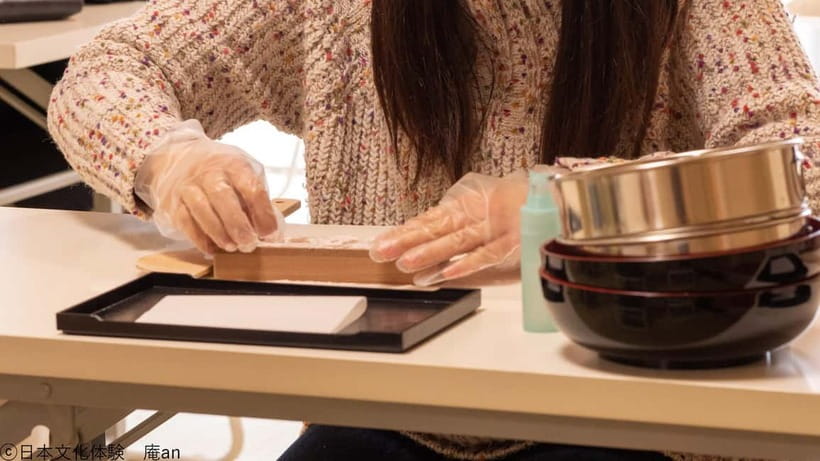
The second nerikiri step is called Kinton Nerikiri, and it’s where the class often feels most rewarding. You’ve already built confidence on the first sweet, so you can focus on refinement rather than learning from scratch.
This stage is also a good time to slow down mentally. Even in a fast, timed experience, the shaping portion naturally forces patience. You’ll end up with a better sense of how bean paste works as a medium: how it holds shape, how it transitions under your hands, and how the final form comes together.
Also, this is one of the parts where the ingredient quality shows. Using bean paste associated with Kyoto’s long-established shops is a clue that the taste foundation is taken seriously. You’re not just making art; you’re making something meant to be eaten.
Matcha 101 That Actually Leads to a Cup: Grinding and Tea Ceremony
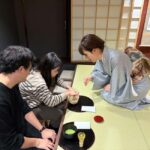
Then you shift into the tea section, starting with an explanation of matcha and tea. After that, there’s a matcha grinding demonstration, and then you move into the tea ceremony experience in a casual way.
Why this transition matters: matcha is usually treated like a lecture topic. Here, the grinding step gives you a more real understanding of what matcha preparation feels like. The sound and texture of grinding makes the whole idea concrete.
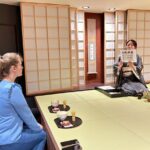
The tea ceremony portion is best understood as a guided, simplified experience. You will drink your matcha, but don’t expect a totally silent, highly formal event with long procedural choreography. That’s not what’s being described. It’s more like a cultural practice lesson with a moment to participate.
One more note: in a class setting, tea time can feel like the “teacher-led highlight,” especially if the instructor keeps the atmosphere friendly and focused. In the past, instructors like Maiko have been described as attentive and informative with English translation help, which makes the tea segment land better.
Price and Value: Is $28 Fair for Two Sweets and Matcha?
At $28 per person for about 125 minutes, this is priced like a value-focused craft class rather than a premium tasting-only experience. The strongest value driver is that you’re not paying only for a lecture or a sample.
You’re paying for:
- Two Japanese sweets you make using Kyoto bean paste
- One dried-type sweet (ohigashi) made with Wasanbon
- Matcha grinding and a tea ceremony experience
- A full program flow that includes breaks and finishing time to eat and drink
That ingredient and process mix is what keeps it fair. If you’ve ever done workshops where you get one small sample and a rushed cookie-cutter craft, this is the opposite. You leave with a set of things you made and tasted within the same session.
Optional extras are available. For example:
- Adding color costs 200 JPY
- A sweets take-out box costs 100 JPY
- A completion certificate costs 300 JPY
I like that the base price covers the core making and tea experience, and the add-ons are truly optional.
What to Expect in the Room: Group Energy, English Support, and How to Read the Format
This is run by a Japanese instructor, and English translation is provided as much as possible. If you want extra English support, you can contact the organizer. In practice, this means non-Japanese speakers are usually not left totally guessing, especially during the making steps and tea explanation.
The experience is also described as “easy” to enjoy. That lines up with the structured schedule: it’s timed, it has breaks, and it has a clear ending with eating/drinking time and picture time.
Still, there’s a trade-off. Because it’s a workshop environment, it may not feel silent or museum-like. If you’re sensitive to noise or prefer extremely intimate one-on-one instruction, go in with the mindset that it’s a shared classroom-style activity.
Practical Tips You’ll Actually Use
If you want this to go smoothly, here are the points I’d act on:
- Give yourself a buffer on the arrival side. The workshop notes that it can’t be held for delays, and the event won’t be adjusted to accommodate being late.
- Plan for stairs. No elevator is available, and you’ll need stairs to reach each venue.
- Decide on extras in your head early. Adding color, take-out, and the certificate are extra costs. If you’re only here for the experience and not for a keepsake certificate, you can skip those.
- Eat what you make before it becomes a memory. The program includes eating/drinking time near the end, which is when your sweets and matcha are at their best for a simple sit-down break.
Who Should Book This (and Who Might Skip It)
You’ll likely love this workshop if you want:
- A hands-on Japanese sweets experience, not just tasting
- Clear structure and pacing within 125 minutes
- Matcha culture with a participatory element (grinding and drinking)
It might not be ideal if you’re searching for:
- A long, formal, quiet tea ritual with very ceremonial pacing
- A totally private class with one instructor and zero group energy
Should You Book 2 Types of Japanese Sweets Making and Tea Ceremony?
In my view, this is a strong booking when you want maximum cultural payoff in a short window. For $28, you get the kind of combination that’s hard to recreate on your own: ohigashi with Wasanbon, two nerikiri sweets made with Kyoto bean paste, plus grinding and drinking matcha with a tea ceremony experience.
If you treat it as a structured, friendly workshop rather than a hushed, multi-hour tea tradition, you’ll probably walk out smiling with edible souvenirs and a clearer sense of how Japanese sweets differ by season and texture.
FAQ
Where is the meeting point?
The meeting point is about a one-minute walk from Exit 1 of Subway Karasuma Line Gojo Station. The store entrance faces Gojo-dori.
How long does the experience last?
The duration is 125 minutes.
What is included in the $28 per person price?
It includes a set experience covering 2 types of Japanese sweets making and a tea ceremony experience (3 kinds of experiences total).
What sweets will I make?
You will make Ohigashi (dried-type sweets), and you will make two seasonal Nerikiri sweets.
Do I grind matcha and take part in the tea portion?
Yes. There is a matcha grinding demonstration, and you’ll then enjoy the tea ceremony experience and drink your matcha.
Where do the ingredients come from?
The workshop uses white/red bean paste produced by Kyoto’s long-established shops. It also uses single-origin special matcha.
Is the class available in English?
English translation is provided as much as possible. If you want to add English support, you can contact the organizer.
What are the operating hours?
Operation hours are from 10:00 to 17:00. Reservations received after 17:00 are processed the next day.
Can I get a full refund if I cancel?
Yes. You can cancel up to 24 hours in advance for a full refund.