REVIEW · KYOTO
Kyoto: Private Photoshoot Service
Book on GetYourGuide →Operated by Bokehtabi · Bookable on GetYourGuide
Kyoto photos can feel effortless here. This private session focuses on candid moments and polished portraits, with gentle guidance and local know-how, plus 200+ high-resolution images delivered fast; the main catch is that shooting is not permitted at places like Yasaka Shrine.
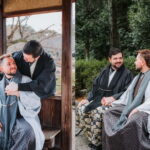
I like the relaxed rhythm: you’re outdoors in natural light, you move between photogenic corners, and the photographer (often Miky) keeps things easy instead of stiff. You also stay in control because you receive everything from the session and can choose which images get retouching.
Still, it’s worth knowing what it is not. This is a photography session, not a full tour guide service, so you’ll want to handle your own site priorities and ticketing; kimono rental also isn’t included.
In This Review
- Key things to know before you go
- Why a private Kyoto photoshoot beats self-timing
- Price and what $78 buys you in real terms
- How the session flows: relaxed direction, not a hard script
- The Kyoto streets route: Shirakawa Canal and Pontocho focus
- Shirakawa Canal (Old Kyoto Streets)
- Pontocho Street and Pontocho Alley
- Gion Shinbashi Bridge and Kiritoshi Street
- Temple and park time: Maruyama Park, Hokan-ji, and Nanzen-ji areas
- Maruyama Park and the Yasaka area
- Hōkan-ji Temple (Yasaka no tō)
- Nanzen-ji Temple and the northern Higashiyama feel
- Arashiyama and the bamboo forest: iconic shots with crowd reality
- Bamboo forest photos without losing your mind
- Togetsukyo Bridge and nearby shrine areas
- From originals to retouch: how the final images are built
- What to bring, how to dress, and how to avoid common problems
- Who this is best for (and who might want something else)
- Should you book this Kyoto private photoshoot?
- FAQ
- How long does the Kyoto private photoshoot last?
- Where do we meet?
- How many photos will I receive?
- Do I get the original photos and edited photos?
- How fast will I get the photos?
- Is kimono rental included?
- Are there any restrictions on where photos can be taken?
- What should I bring to the shoot?
- Can I cancel if my plans change?
Key things to know before you go
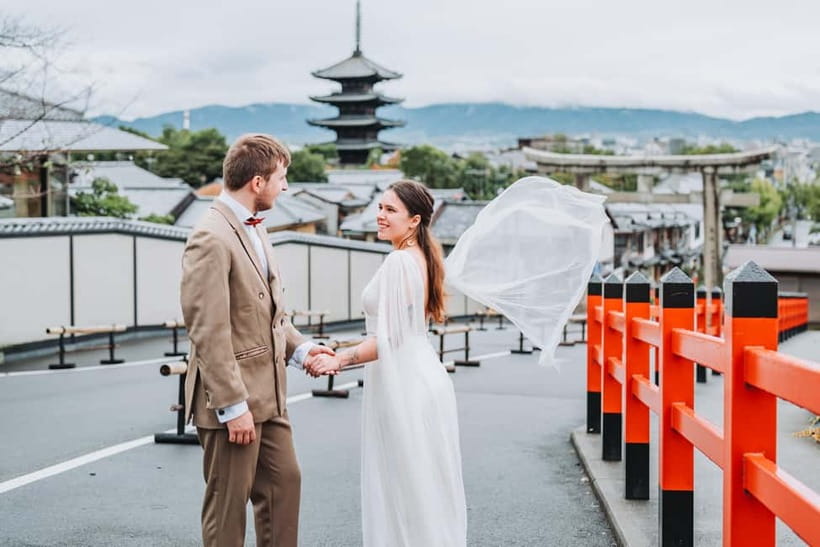
- All photos go to you: you get the full set of images from the shoot plus selectable edited photos
- Natural light, outdoor walking route: plan for sun, shade, and crowds depending on the season
- Local Kyoto spot knowledge: routes commonly include areas like Shirakawa Canal and Pontocho
- Personalized look: you can request color preferences and get natural skin retouch
- Fast turnaround: edited images are guaranteed within 2–3 days
- Clear limits on where you can shoot: photography is not permitted at Kiyomizu-dera and Yasaka Shrine
Why a private Kyoto photoshoot beats self-timing
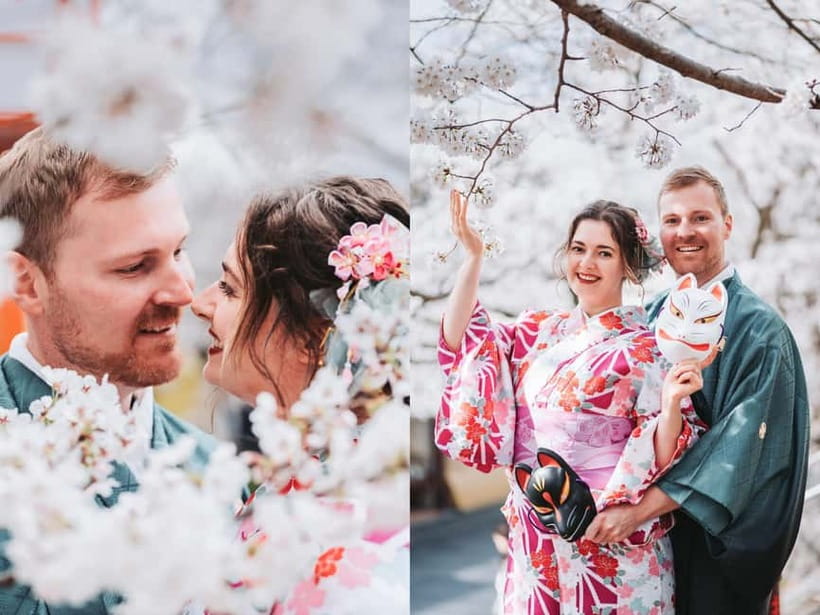
Kyoto is gorgeous, but chasing the perfect angle while juggling a camera timer is a headache. This kind of private session is built for one goal: good photos of you in classic Kyoto settings, without turning your trip into a production.
The big win is the balance. You get candid frames that don’t look like you’re posing for a passport photo, and you also get helpful direction when you want it. That’s especially useful if you feel awkward in front of a camera, because the photographer can guide posture and positioning without crushing your personality.
One more practical thing I appreciate: the session is designed around real walking routes and real lighting. Instead of “stand here, face the landmark,” you’re out in daylight where the photographer can use natural color and clarity.
You can also read our reviews of more private tours in Kyoto
Price and what $78 buys you in real terms
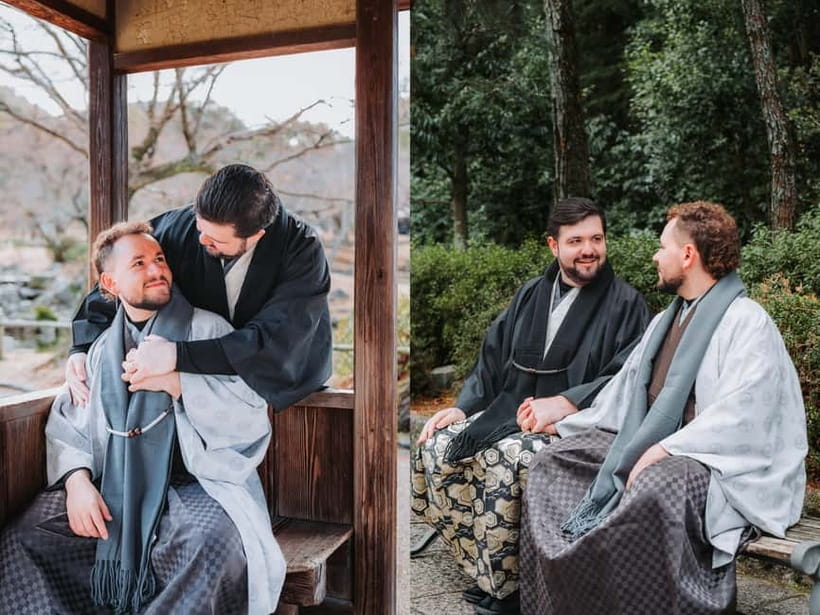
At $78 per person for a 1 hour to 90 minutes private session, the value comes from what’s included, not just the hourly rate.
Here’s the deal: you typically get 200+ pictures or more from the session. You also receive all original photos in downloadable JPEG format via an online album, so you’re not stuck with a handful of selects. On top of that, there are edited/retouched photos that you can choose from, with natural skin retouch and expert editing.
This matters because most photo costs in travel either:
- limit the number of photos you receive, or
- charge extra for every edit, or
- take days and then disappear behind a paywall for the “real” files.
Here, the structure is simpler: you get everything, then you pick what gets cleaned up more. Even if you’re picky, that’s a safer way to spend your memory budget.
How the session flows: relaxed direction, not a hard script
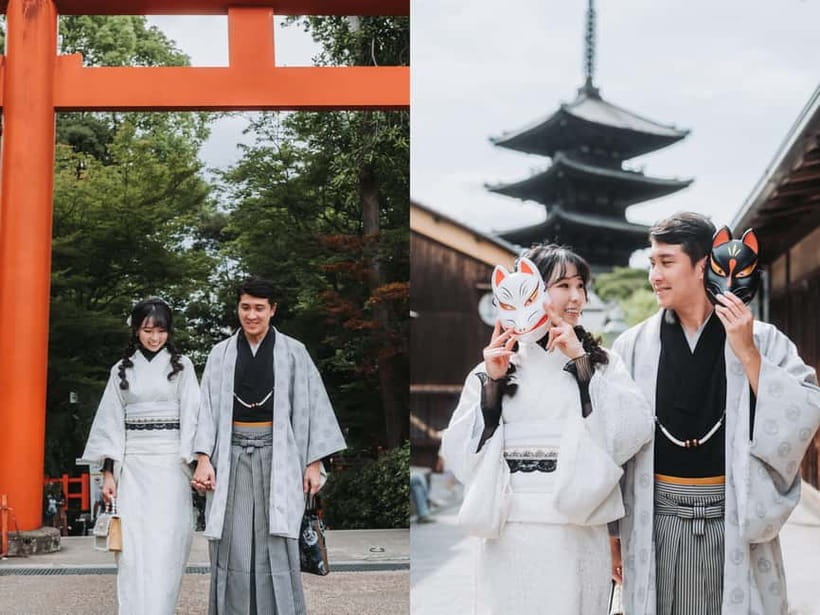
Think of this as a calm, guided photo walk. You meet the photographer at a starting point that matches your booked option, then you head out for photos and sightseeing time together.
The session uses outdoor natural light, so timing is everything. In good light, you’ll get cleaner skin tones, more natural color, and fewer “why is everything overexposed” problems. The photographer also tends to scout for cinematic spots while keeping the pace comfortable.
You’ll likely get a mix of:
- candid shots as you walk or pause
- portrait-style frames when you stop
- gentle posing guidance when you need a nudge
And since this is private, you’re not negotiating with other people trying to get the same shot.
One practical downside to keep in mind: you’re moving. Comfortable shoes matter, and the route is outdoors, so you’ll feel weather more than you would inside a museum.
The Kyoto streets route: Shirakawa Canal and Pontocho focus
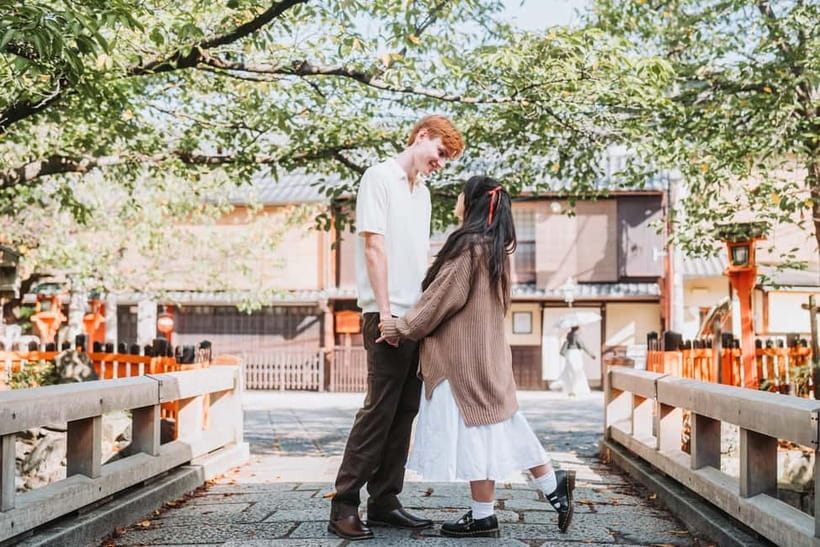
Many sessions center on old Kyoto street scenes, where the details do half the work for you. If you like the look of traditional tea-house neighborhoods and narrow lanes, this part of the route is where you’ll feel it.
Shirakawa Canal (Old Kyoto Streets)
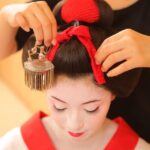
This area is listed as Old Kyoto Streets and tied to hanamachi vibes, known for geisha and maiko and traditional tea houses. The advantage for photos is simple: it already looks storybook. You don’t need to force “Kyoto” into every frame.
Expect a route that works well for both solo portraits and couples. The canal-adjacent streets give you lines and depth, and the atmosphere helps your photos feel less like generic travel snapshots.
You can also read our reviews of more photography tours in Kyoto
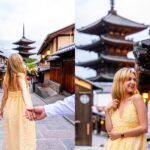
Pontocho Street and Pontocho Alley
Pontocho is a frequent highlight, including both the main street and the alley side. For photos, that usually means more texture in the background and a more intimate feel in the framing.
If you’re hoping to get images that look lived-in (not postcard-perfect), this is a strong match. Narrow lanes also help when you want separation between you and the crowd behind you.
Gion Shinbashi Bridge and Kiritoshi Street
These locations are commonly included as part of the same broader area around Gion. Kiritoshi St is specifically described as a hidden street, which is the kind of detail photographers love because it offers variety without feeling like you’re repeating the same angle.
The practical payoff: you can get multiple looks in a relatively compact area. That’s great when your time is limited and you don’t want to spend your whole session in one place.
Temple and park time: Maruyama Park, Hokan-ji, and Nanzen-ji areas
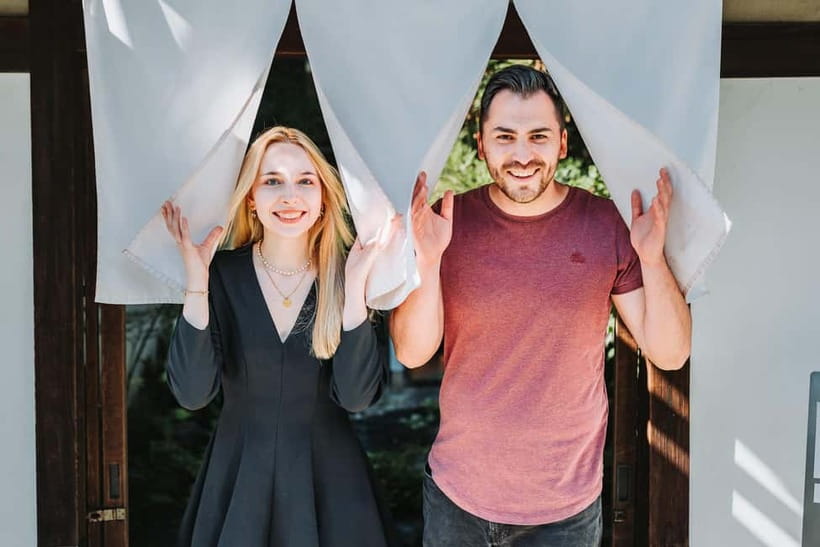
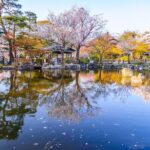
Kyoto’s temples and parks add structure to your photo set. Streets give you texture; temples and courtyards add calm. Parks also help when you need a small pause between stops.
Maruyama Park and the Yasaka area
Maruyama Park is included, and the session also includes time around the Yasaka Shrine area. Here’s the key consideration: photography at Yasaka Shrine is not permitted, so you should think of that time as sightseeing and walking atmosphere.
Your photographer still aims to create Kyoto portraits, so don’t worry that the route is “wasted.” The sensible approach is to use nearby, permitted areas for your actual photo frames while enjoying the broader scene on foot.
Hōkan-ji Temple (Yasaka no tō)
Hōkan-ji Temple is listed with Yasaka no tō in the name, and it’s a stop where architecture can do the heavy lifting. Even if you only get a few minutes at this type of location, it can anchor your photo story with a more iconic Kyoto silhouette.
If you want portraits that feel grounded and classic, this is where you can get that.
Nanzen-ji Temple and the northern Higashiyama feel
The Nanzen-ji area is described as being in the Northern Higashiyama area and includes the Keage incline reference as part of that zone. Nanzen-ji itself is on the stop list, so you’ll get time for temple-area framing and calmer walking.
One advantage: compared to the busiest street corners, temple zones can feel more controlled, which helps when you want less visual chaos behind you.
Arashiyama and the bamboo forest: iconic shots with crowd reality
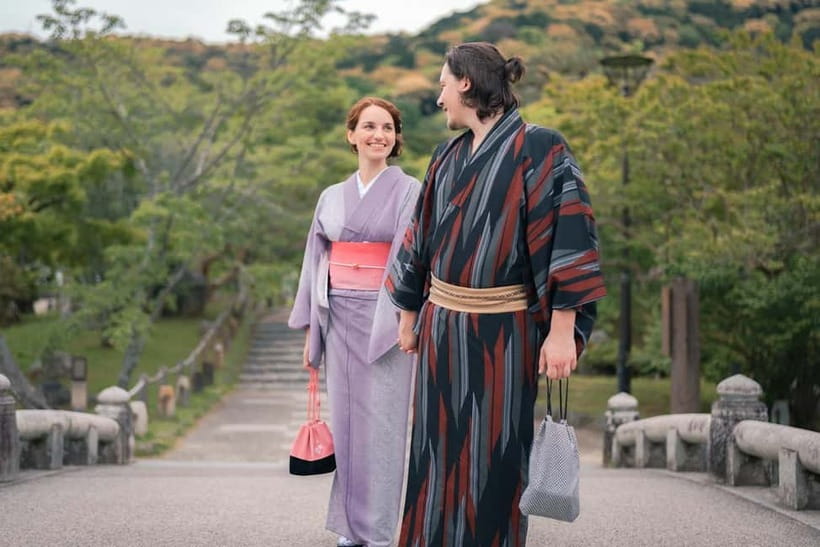
Arashiyama is the western-outskirts Kyoto district, and your session can include Arashiyama Bamboo Forest, Nonomiya Shrine, and Togetsukyo Bridge.
Bamboo forest photos without losing your mind
The bamboo forest is iconic on Instagram for a reason, but it’s also where crowds pile up fast. This is exactly where a private photographer helps.
You’re not just reacting to whatever spot is available. The photographer can shift your position to work with natural light and the space around you, so you can still get frames that feel intentional instead of chaotic.
Togetsukyo Bridge and nearby shrine areas
A bridge stop adds a different type of composition than a forest. It’s often useful for couples and families because you can create both portrait and “walking together” scenes in one segment.
Again, the main value is the photographer’s control of timing and positioning. You’re paying for someone to help you get the look with less stress.
From originals to retouch: how the final images are built
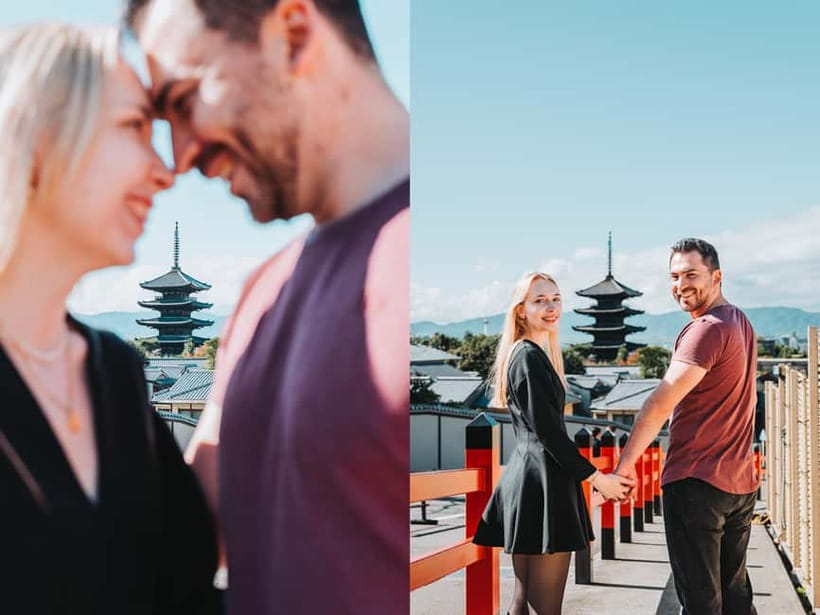
The editing process is where this service can go from “nice photos” to “these look like a real editorial set.”
You get:
- high-resolution images with natural color and clarity
- all original photos in JPEG download format from an online album
- edited/retouched photos you can select
There’s also natural skin retouch, which is a big deal for portraits because it improves photos without making people look plastic.
One detail I like: personalized color options. That means you can steer the overall mood rather than accepting a one-size filter.
If you want an even deeper workflow, the data says raw file format for edit is available as an add-on. That’s useful for people who love editing or want more control later.
Delivery is also set up for real travel schedules: the information states fast delivery within 2–3 days. That’s perfect if you want photos while you’re still sorting your memories, not months later.
What to bring, how to dress, and how to avoid common problems
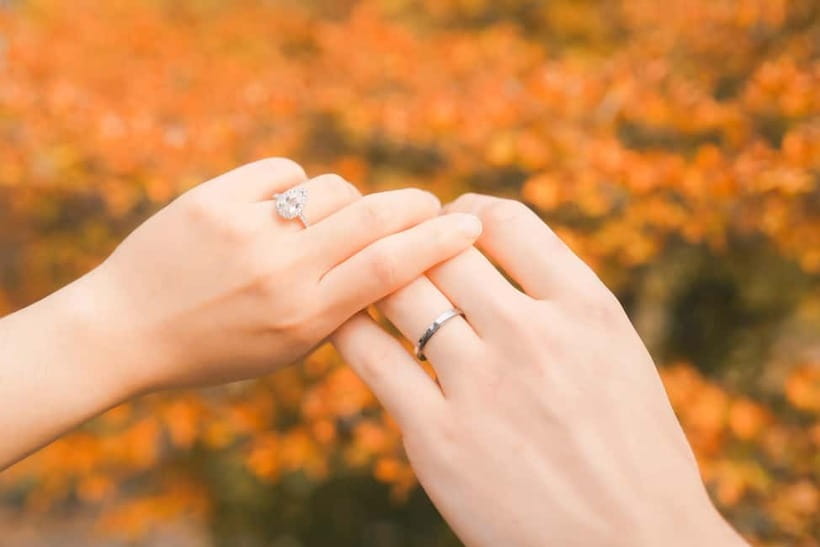
This is an outdoor photoshoot using natural light, so your comfort affects everything: smiles, posture, and how long you can keep your energy.
Bring:
- comfortable shoes
- drinks
- sunscreen
Dress for walking and for how you want to look on camera. If you’re wearing anything restrictive, you’ll feel it during the session, and it shows in the photos.
You should also respect the rules listed for the experience:
- no oversize luggage
- no climbing
- don’t touch exhibits
- keep noise down
- don’t touch plants
Even if you don’t think you’d break a rule, it’s worth remembering that temple and street areas can be strict, and Kyoto locals care about respectful behavior.
Finally, plan your session timing. During high season (spring and autumn), it says booking an early session around 8:00–11:00 AM is highly recommended to reduce crowds and keep things relaxed. That’s not just comfort. Less crowd pressure usually means calmer shooting.
Who this is best for (and who might want something else)
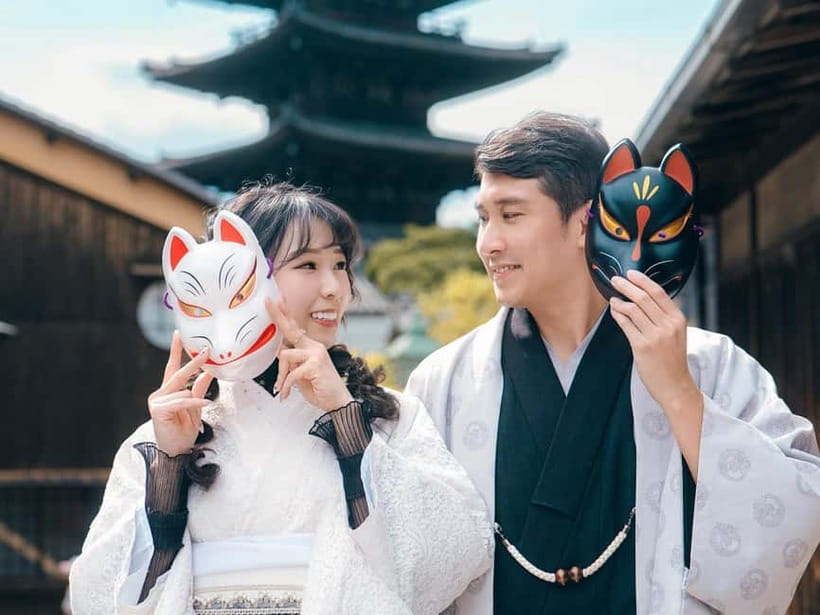
This service welcomes solo travelers, couples, and families. If you’re traveling with someone who hates taking photos or you just want a low-stress way to get flattering portraits, it’s a great fit.
It’s also ideal if you want variety without doing a DIY tour. You can get multiple Kyoto-style backdrops in one stretch, while the photographer manages the pacing.
Two groups should think carefully:
- If you’re expecting a full history guide, you might feel shortchanged because this is not a full tour guide service.
- If you specifically want photos at Kiyomizu-dera or Yasaka Shrine, note that photography there is not permitted.
Also, the session is not suitable for babies under 1 year. For families with little ones, you’ll want to judge how much walking you can realistically do in your time window.
Should you book this Kyoto private photoshoot?
If you want one unforgettable set of photos from Kyoto without fighting street crowds and camera angles, I’d book it. The value is strong because you get all originals, plus the option for selectable retouch, and you have a clear delivery timeline.
Book it especially if:
- you want relaxed guidance instead of stiff posing
- you care about natural color and clean portrait retouch
- you’d rather spend your time in Kyoto enjoying the streets than hunting for the perfect shot alone
Skip it if your priority is strict temple photography at places that restrict it, or if you want a true guided history tour.
FAQ
How long does the Kyoto private photoshoot last?
The session runs for 1 hour to 90 minutes. Exact timing depends on the starting time you book and availability.
Where do we meet?
The meeting point varies depending on which starting option you book. The experience lists multiple starting location choices, and your specific meeting spot will depend on your selected option.
How many photos will I receive?
You get around 200 pictures or more from the session. You also receive all pictures included with the package.
Do I get the original photos and edited photos?
Yes. You receive all original picture files (JPEG format) from the session, plus edited/retouched photos that you can select.
How fast will I get the photos?
Fast delivery is guaranteed within 2–3 days.
Is kimono rental included?
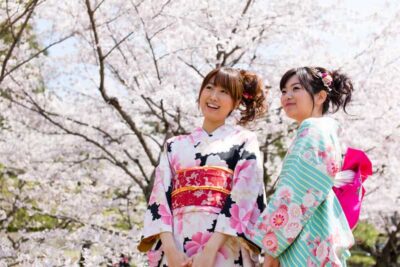
No. Kimono rental is not included, though the service can recommend a nearby kimono rental shop.
Are there any restrictions on where photos can be taken?
Yes. Photography at Kiyomizu-dera and Yasaka Shrine is not permitted, and your photographer will follow the local rules.
What should I bring to the shoot?
Bring comfortable shoes, drinks, and sunscreen. The session is outdoors using natural light.
Can I cancel if my plans change?
You can cancel up to 24 hours in advance for a full refund. The experience also offers reserve now and pay later to keep plans flexible.