REVIEW · KYOTO
Kyoto: Maiko Makeover and Photoshoot Experience
Book on GetYourGuide →Operated by Maiko Transformation Studio Shiki・Rental Kimono Shiki Sakura · Bookable on GetYourGuide
Kyoto’s kimono transformation can feel like time travel. In about 150 minutes, you’ll get dressed, styled, and photographed in a studio setup that’s designed for flattering portraits, not just costumes. The small-group format (up to 4 people) keeps things calm while you go from everyday clothes to maiko look fast.
I especially like the 100-kimono selection and the hands-on attention during hair, makeup, and dressing. The photo side is just as well managed, with a pro directing poses and selecting the best shots for your set.
One thing to consider: this isn’t an outdoor photography experience. You’ll have a short self-photo window, but most of the shooting happens in a Japanese room indoors, and men can’t participate.
In This Review
- Key highlights worth planning for
- Finding the studio near Kiyomizu-michi without stress
- The 150-minute flow: kimono, hair, makeup, portraits
- Choosing your kimono: 100 options that actually change the look
- Makeup and hair: optional white paint, wigs, and lashes
- The Japanese-room photoshoot: pro direction and best-shot selection
- Your printed photos and DATA: what you take home
- The 10-minute self-photo window: use it like a checklist
- Optional 30 or 60-minute strolling: where the experience turns “real”
- Price and value: is $140 worth it in Kyoto?
- Who this suits (and who should skip it)
- Final call: should you book Maiko Transformation Studio Shiki?
Key highlights worth planning for
- Kimono choice with 100 options so you’re not stuck with a single “standard” look
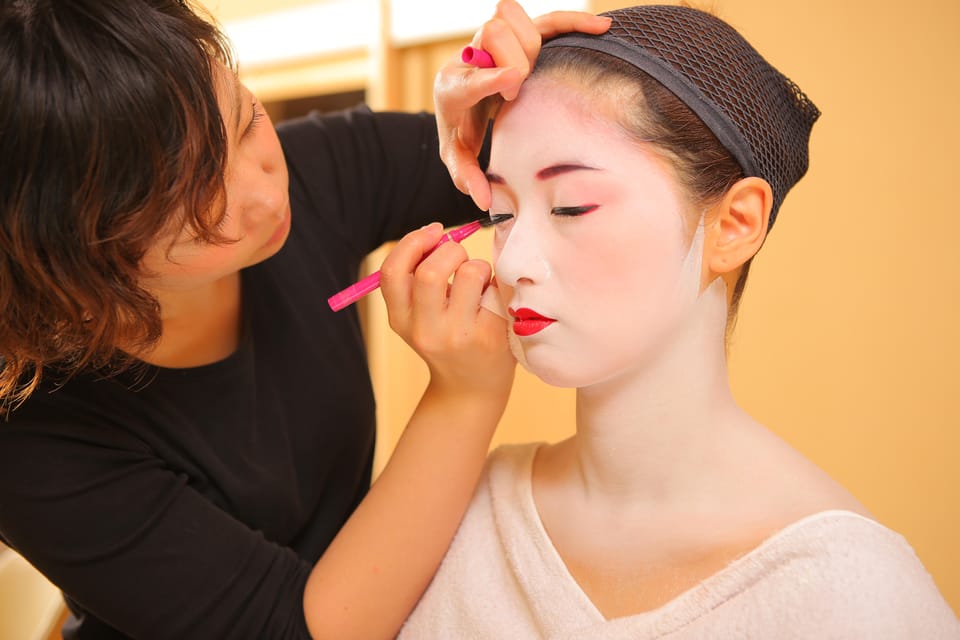
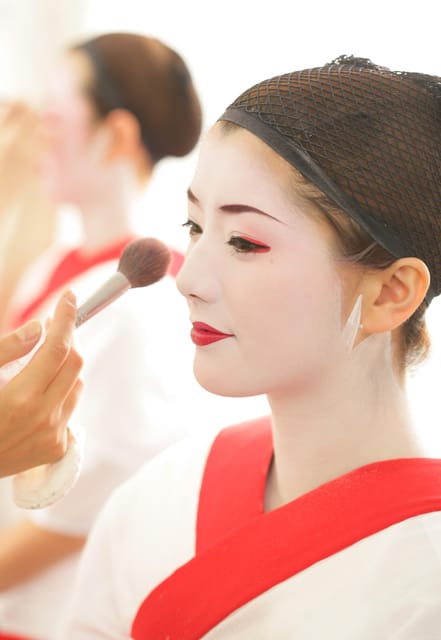
- Pro hair and makeup, including optional white make-up and optional fake eyelashes
- Photographer-led pose coaching and selection of the best photos for your results
- 3 printed photos plus DATA with all pictures from the shoot
- 10 minutes of free self-photos to capture your outfit your way
- Optional 30 or 60-minute strolling if you want to step out in Kyoto as a maiko
Finding the studio near Kiyomizu-michi without stress
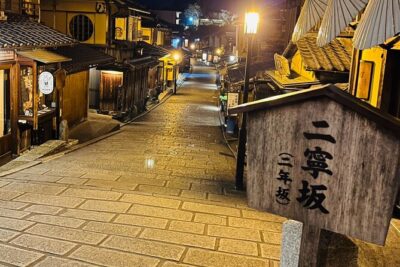
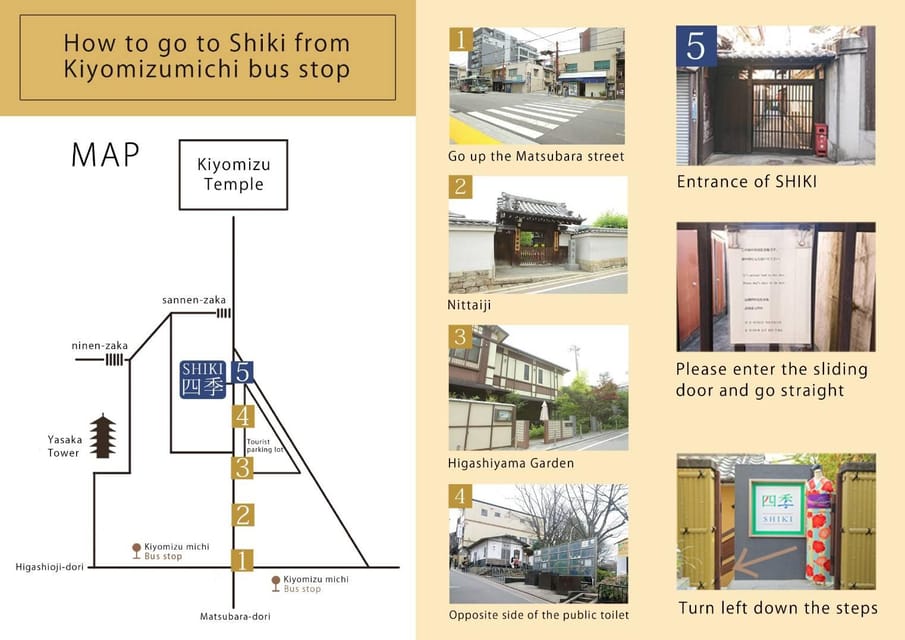
Your starting point is simple on paper: take the city bus, get off at Kiyomizu-michi, then walk about 10 minutes to the shop. In real life, the entrance can be easy to miss because it’s tucked behind a quieter side and doesn’t always scream maiko makeover from far away. I’d treat this like a “show up a little early” activity, not a last-minute thing.
The best prep move is to wear comfortable clothes you can remove and re-dress without fighting fabric all day. Bring socks too, because the experience includes Japanese socks as part of the plan (and they’ll help you keep everything tidy once you’re in costume).
Also, note the practical rule: no alcoholic drinks in the vehicle. It’s one of those small logistics lines that matters once you’re in a shared ride.
You can also read our reviews of more photography tours in Kyoto
The 150-minute flow: kimono, hair, makeup, portraits
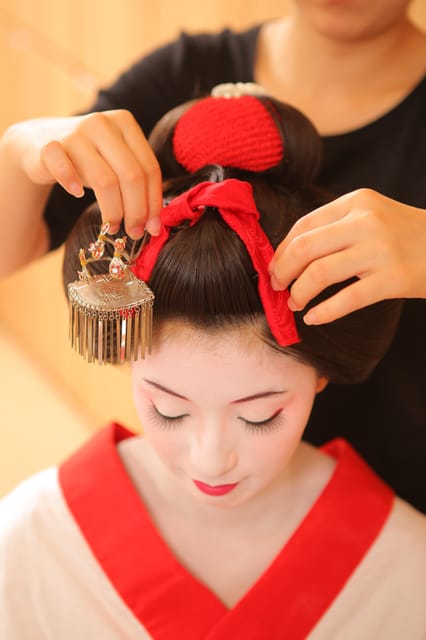
This runs about 2 to 2.5 hours. While the exact sequence can vary slightly, the day’s rhythm is consistent: transformation first, photos second, then a short personal photo window at the end. If you like structured experiences with clear checkpoints, this is your kind of activity.
Here’s how it typically feels from start to finish:
You’ll check in and get guided into the changing area. From what I’ve seen described in firsthand experiences, there are lockers for your items and a spot to manage your phone and personal stuff so you’re not carrying it during dressing. Then you’ll move into the makeup and costume process.
Next comes the big visual moment: choosing your kimono and getting dressed. Finally, you’ll have your photo session in a Japanese room where the photographer handles setup and direction.
Then you get the short “make it yours” window: 10 minutes of free time for self-photography. If you’re serious about photos, use that time to grab close-ups of the kimono patterns, your hair styling, and any accessories you want remembered exactly as you see them.
Choosing your kimono: 100 options that actually change the look
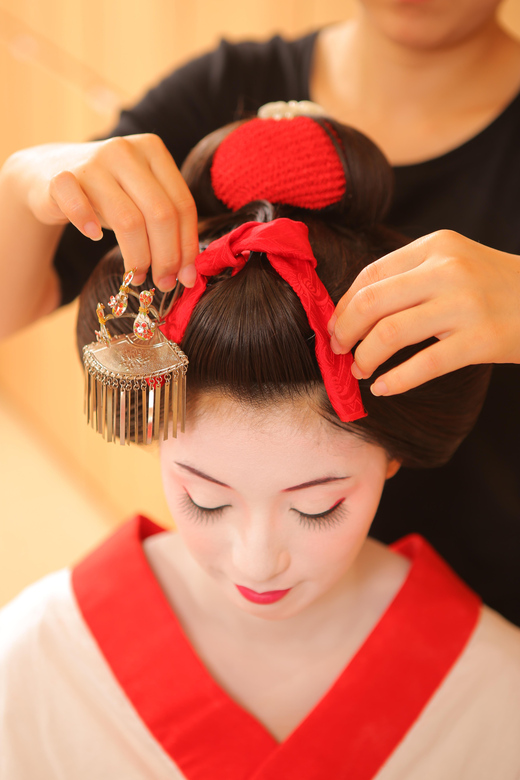
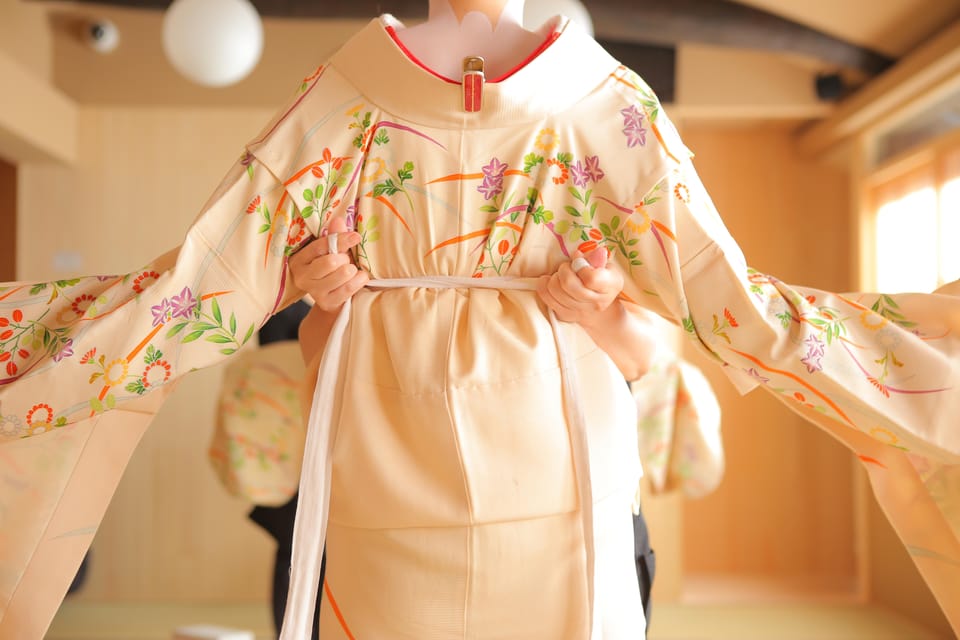
The most fun part is also the most personal: you get to choose your favorite kimono from a selection of 100. This isn’t just about picking a color. Different kimono patterns, sleeve designs, and overall styling change how you read in photos—especially in a studio room where the background and lighting are controlled.
What you should do ahead of time: decide what vibe you want.
- If you want classic and elegant: go for deeper, traditional tones and high-contrast patterns.
- If you want softer and dreamy: choose lighter hues that photograph cleanly.
The team will help you get it on correctly. And once it’s on, you’ll understand why kimono fit matters: it affects your posture, the way fabric drapes, and how you’ll look when the camera is close.
If you’re bringing kids, there’s a separate child maiko shoot plan with kimono choice from 10 options and a slightly different print count (more on that below).
Makeup and hair: optional white paint, wigs, and lashes
This is where the experience turns from costume rental into a transformation.
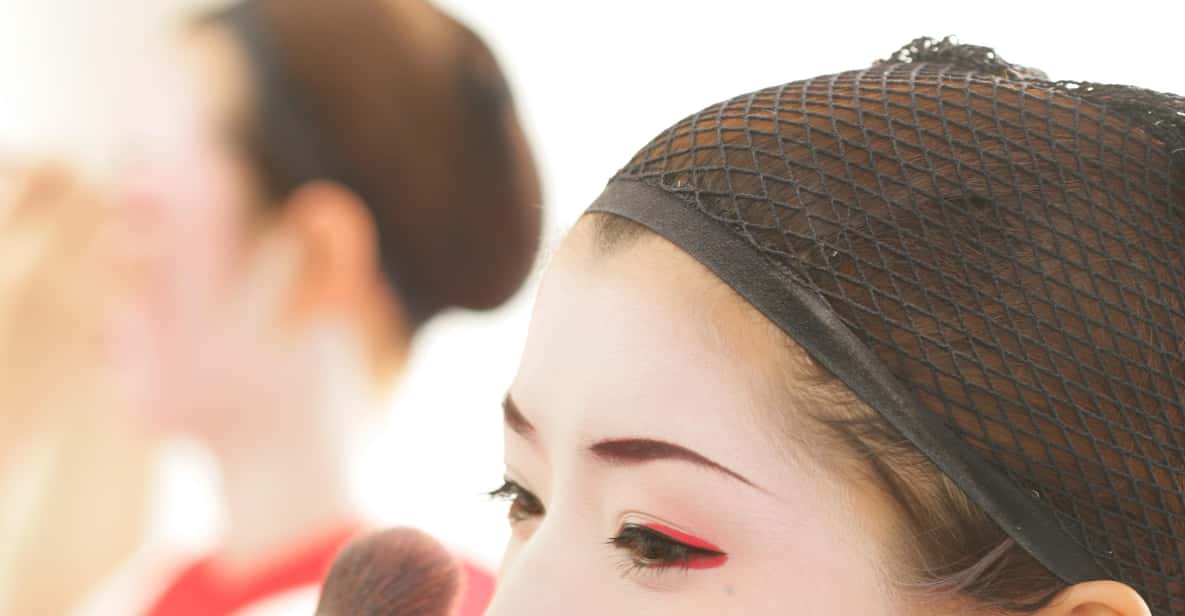
You can choose white make-up if you want the full maiko look; if you don’t like the white style, you don’t have to wear it. For many people, that flexibility is a relief. You can keep the look elegant without feeling like you have to commit to every traditional element.
You can also choose whether to wear false eyelashes (optional). The same goes for wig styling: you can go with a natural wig or select no wig, depending on your preference.
Two practical tips I’d follow:
- If you have any sensitivities around cosmetics, tell the staff early. The process is hands-on, and you’ll get better results when they know your comfort level.
- If you’re unsure about lashes or wig, start by asking what they think will photograph best in the room. The staff’s job is to translate your preferences into a final look that works on camera.
If you choose the full maiko makeup, there’s support for cleanup afterward too, including products described in changing-room setups. That matters because white paint and makeup removal can be the part you’d otherwise worry about after a long session.
The Japanese-room photoshoot: pro direction and best-shot selection
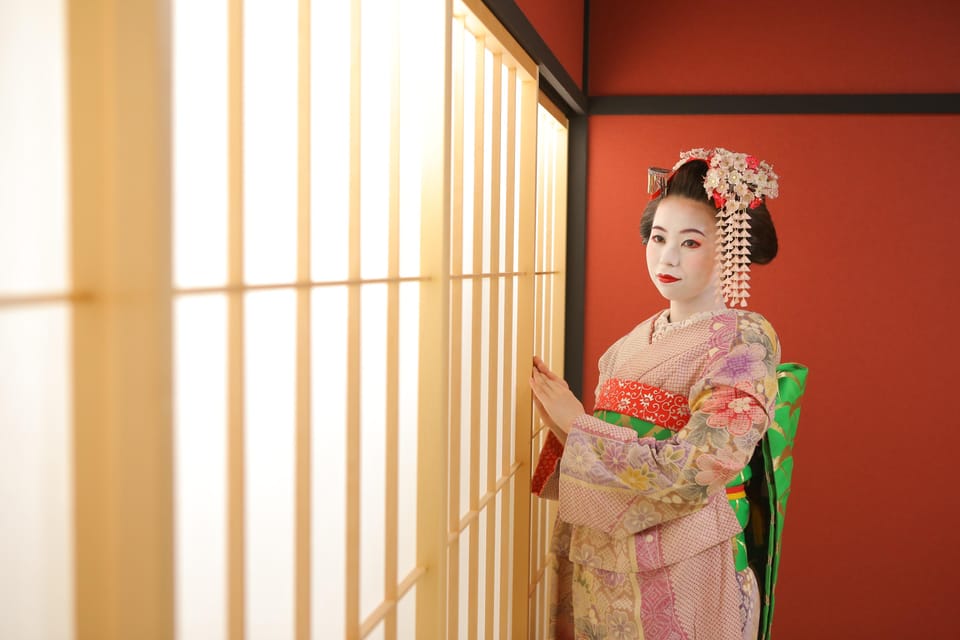
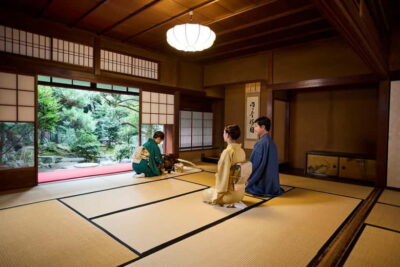
The photography happens indoors in a Japanese room, which is key for two reasons. First, your outfit stays clean and protected. Second, the photographer can control lighting and background, which is why the final results are usually so consistent.
Here’s what you can expect:
- The photographer gives pose direction, so you’re not standing there guessing what looks good.
- The team can help you adjust posture for the kimono, which is important because kimono fabric encourages specific arm and body positions.
- Photographers select the best pictures for you, rather than you having to pick through hundreds of near-duplicates.
You’ll take the main shoot as a cohesive set. After that, you receive the printed photos plus digital delivery.
Value note: studio photography is often more “reliable” than trying to capture a full kimono outfit outdoors. Outdoor shots can be great, but they usually demand better timing, weather luck, and backup angles. This experience leans into the controllable studio side.




Your printed photos and DATA: what you take home
Your results package is built for keeping memories, not just viewing on a phone.
For the standard experience:
- 3 printed photos
- DATA with all the pictures from the shoot
That means you get both a physical keepsake and the full digital set, which is ideal if you want to print more later, share online, or save files for long-term photo albums.
For the child maiko shoot plan, the print count is different:
- 4 printed photos (203mm × 133mm)
- plus DATA included all pictures
So if you’re deciding between standard and child options, the photo take-home part is one clear difference.
The 10-minute self-photo window: use it like a checklist
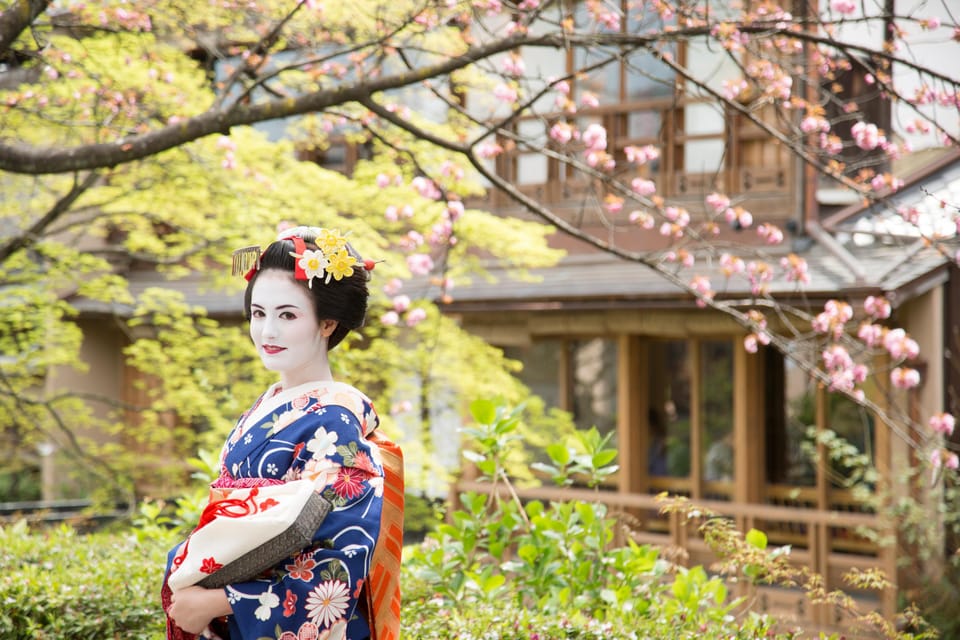
After the main shoot, you get 10 minutes of free time to take photos of yourself. This is your chance to get casual shots that feel more like you, not just posed portraits chosen by the photographer.
Because time is short, I’d treat it like a checklist:
- 1–2 shots for front-facing full outfit visibility
- 1 close-up for face makeup and hair details
- 1 sleeve/kimono pattern photo (kimono fabric looks best up close)
- A few where you’re turned slightly for the drape and silhouette
If you’re traveling with a friend who can help with angles, bring them into at least a couple of these shots. Your phone’s portrait mode will do fine, but your own hands won’t mimic the elegance created during kimono fitting. So use the staff’s fit and your short window to capture it while everything still looks fresh.
Optional 30 or 60-minute strolling: where the experience turns “real”
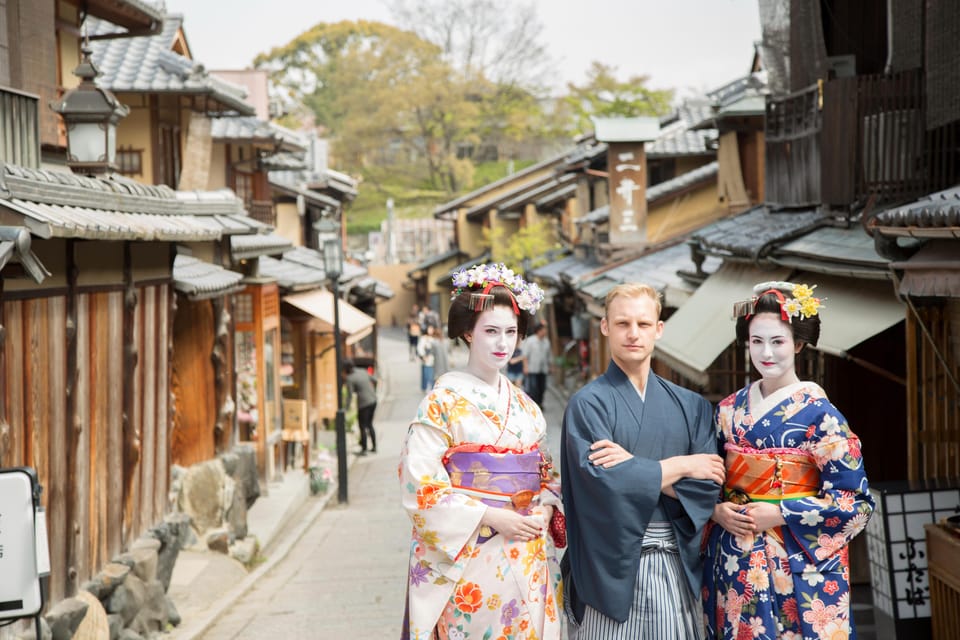
Want more than studio portraits? There’s an optional strolling add-on for 30 minutes or 60 minutes. The idea is simple: you don’t just wear the costume, you also step out into Kyoto streets as your styled self.
From how people describe it, the strolling option can mean walking areas associated with Kyoto’s traditional districts, and that often leads to positive attention from passersby. The costume is striking, and many people will naturally take notice—so if you like being seen and photographed, this is the part you’ll remember.
The tradeoff is practical: you’ll spend more time in costume outdoors, which can be warm, crowded, and slower-paced than regular walking. If your priority is comfort and clean photos, stick to the studio portion only. If your priority is the full “day as a maiko” feeling, add strolling.
Price and value: is $140 worth it in Kyoto?
At $140 per person for about 150 minutes, this is not a budget activity. But the value is that you’re paying for a complete transformation package, not just a costume.
You’re getting:
- Professional hair and makeup
- Dressing support with a large kimono selection
- A directed studio photoshoot
- 3 printed photos plus DATA with all images
- A short extra self-photo block
Where the price becomes easier to justify is the time you don’t have to manage. You don’t need to coordinate makeup artists, kimono rentals, and a photographer. The studio setup handles sequencing and makes sure you look coherent in photos.
It can still feel expensive if you mostly want street photos, because outdoor photography isn’t included in the main plan. The good news: even if you choose not to stroll, the studio portraits usually deliver what most people want from the experience—sharp results in a controlled setting.
Who this suits (and who should skip it)
This experience is designed for a specific audience, and the rules are part of the reality check.
You can’t participate if you’re pregnant, if you have skin diseases, or if you’re intoxicated. Also, men cannot partake.
Age matters too:
- The child plan exists, but children under 5 years aren’t suitable.
Who it suits well:
- If you love dressing up and want professional results, not DIY trial-and-error
- If you’re camera-shy, the pose coaching helps a lot
- If you care about the full look: makeup, hair, kimono, and photos in one flow
- If you want a memorable Kyoto activity without spending the day running between multiple bookings
Who might reconsider:
- If you want mostly outdoor wandering and photos with lots of time outside
- If you’re very short on time and hate structured schedules
- If you strongly dislike studio portrait setups and prefer candid street photography only
Final call: should you book Maiko Transformation Studio Shiki?
I think you should book this if you want a high-effort Kyoto memory that feels special without needing planning gymnastics. The combination of kimono choice, pro makeup and dressing, and a directed photo session is the backbone of the value.
Skip it if you mainly want outdoor photography, because the main photos are indoors and time outdoors is limited unless you add strolling. Also, if you’re sensitive to cosmetic work, remember the options are flexible: you can skip white make-up, and you can skip eyelashes or even a wig if you prefer.
If you do book, my practical advice is to arrive early enough to find the place calmly, wear easy clothes, and use your 10-minute self-photo window with a quick plan so you leave with the images you actually want to keep.