REVIEW · KYOTO
Kyoto: Tea Ceremony with Kimono and Photoshoot
Book on GetYourGuide →Operated by Japan Wonder Travel · Bookable on GetYourGuide
Kyoto can feel like a postcard, until you wear the kimono. This 90-minute tea ceremony experience blends traditional tea culture with a professional photoshoot in English, so you leave with meaning, not just snapshots. One of the best parts is the careful attention to how you’re guided from changing rooms to the tea room, with staff who keep things calm and organized, including a guide named Mami.
I really like that you’re not stuck watching from the sidelines. You’ll actually make your own matcha and enjoy it with Japanese sweets, after a live demonstration that explains what’s going on and why, in straightforward English.
A heads-up: the timing matters a lot. If you arrive more than 10 minutes late, you can’t join—and you’ll also need to return your kimono by the set cutoff time, depending on whether you booked Nishiki Market or Gion.
In This Review
- Key things I’d zero in on
- Kimono Dressing in Kyoto: What Happens Before Tea
- Nishiki Market vs Gion: Picking the Right Kyoto Setting
- Inside the Tea Room: English Demonstration and Tea Etiquette
- Making Matcha and Pairing It with Japanese Sweets
- Professional Photos in Kimono: What You Get (and How to Use It)
- Timing Rules and Kimono Return Deadlines
- Cost and Value: Why $127 Makes Sense Here
- Who This Experience Fits Best (and Who Should Skip It)
- Quick Tips So You Don’t Feel Rushed
- Should You Book This Kyoto Tea Ceremony?
- FAQ
- How long is the Kyoto tea ceremony with kimono and photoshoot?
- What is included in the price?
- How many people are in the group?
- Where are the two meeting locations?
- Do I get a chance to make matcha, or is it only a demonstration?
- Can I choose the kimono style or accessories?
- Are shoes allowed indoors?
- Are there any rules about food allergies?
- What happens if I’m late?
- When do I need to return the kimono?
Key things I’d zero in on
- Kimono dressing is part of the experience, not a quick add-on (and you can choose your kimono fabric color plus accessories, including hair accessories if applicable)
- English tea ceremony instruction means you’re not guessing the ritual
- Matcha-making + sweets turns the lesson into something you can taste
- Professional photography delivers 3 photos as a memento you can keep
- Small group size (10 max) helps the whole session feel controlled and personal
Kimono Dressing in Kyoto: What Happens Before Tea
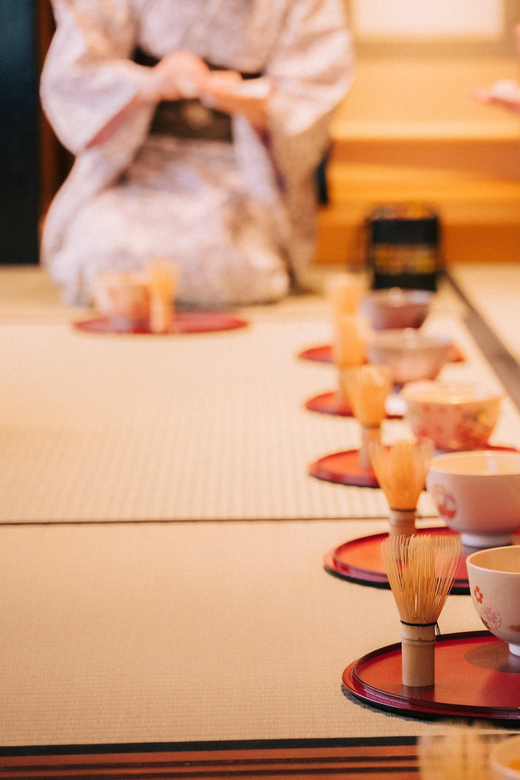
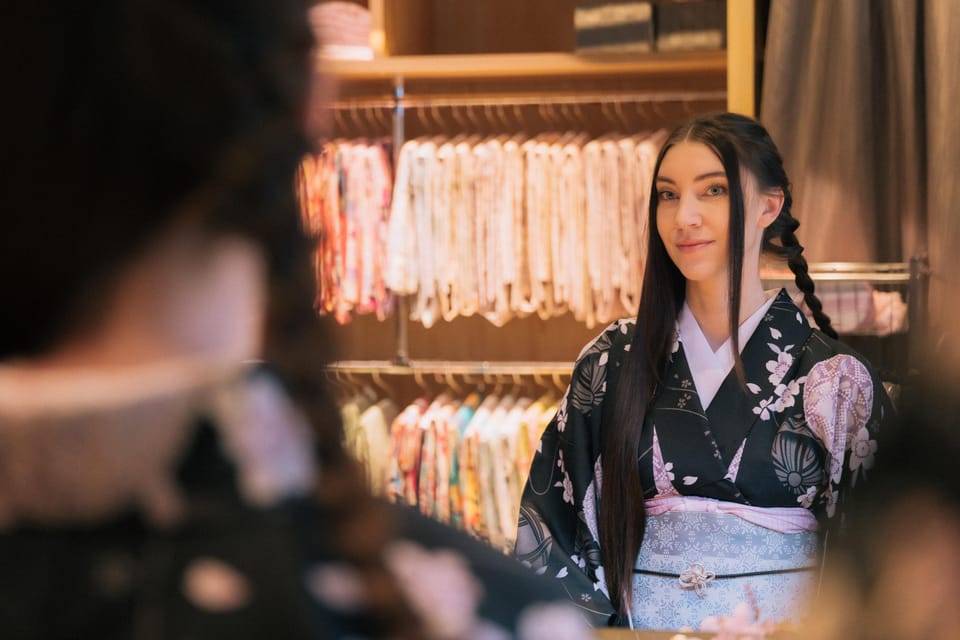
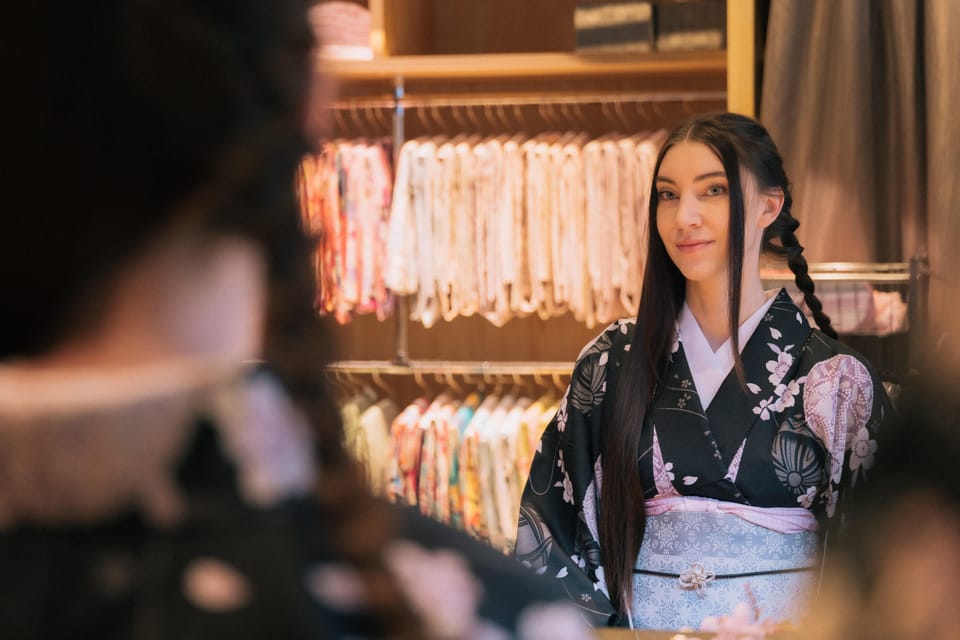
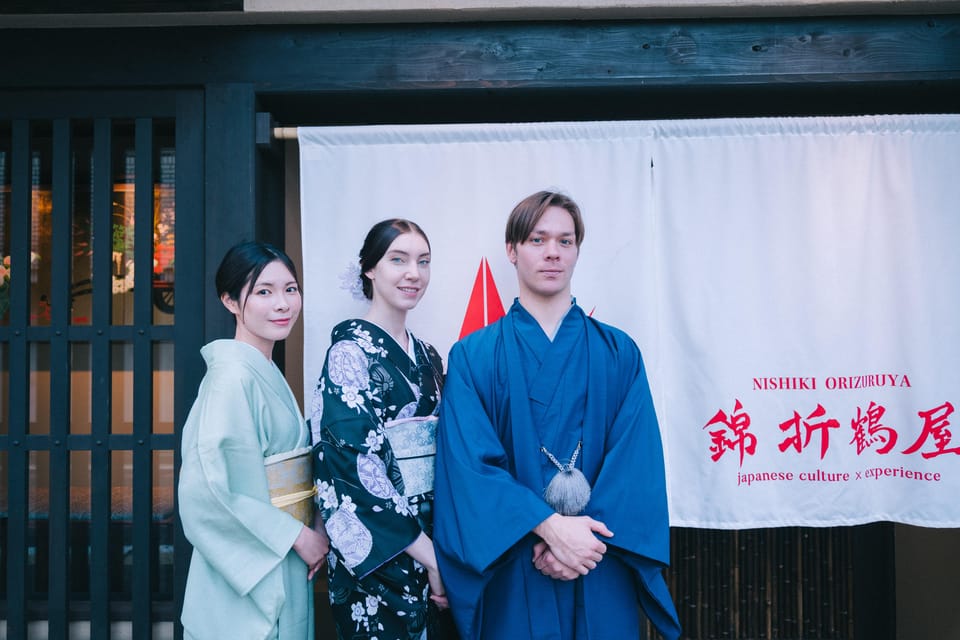
The session starts with a change into kimono at the shop, and this is where the experience feels special right away. You’ll be guided step by step into your outfit, and the team gives you time to get settled before heading into the tea room.
One practical note I’d plan for: they need your height and gender in advance to prepare a kimono set. That’s not just logistics—it also helps ensure the fit looks right and you’re comfortable for the ceremony and photos.
Indoors, you’ll follow the basic etiquette rules: no shoes inside. That means you’ll want to think about your socks/foot comfort and keep your hands free during dressing. You’ll also be in a kimono long enough to notice how different movement feels compared to normal clothes. It’s not difficult, but you’ll walk slower and stand more deliberately—exactly what the tea ceremony is about.
If you’re choosing among kimono options, pay attention to fabric color and the small details. One of the standout pleasures here is that it’s not a one-size-fits-all “costume.” When you pick your kimono and accessories, you’re styling the moment, and you’ll feel that when the photographer steps in.
You can also read our reviews of more photography tours in Kyoto

Nishiki Market vs Gion: Picking the Right Kyoto Setting
You’ll choose between two locations: Nishiki Market and Gion. Both work, but they create different vibes for what you do before and after.
- Nishiki Market location: you’ll return the kimono by 6:00 PM.
- Gion location: you’ll return the kimono by 5:00 PM.
That difference is worth factoring into your day. If you want a slightly longer window to wander in your kimono after the ceremony, Nishiki Market gives you that extra hour. If you’re already planning Gion streets later in the evening, booking there can keep the timing simple.
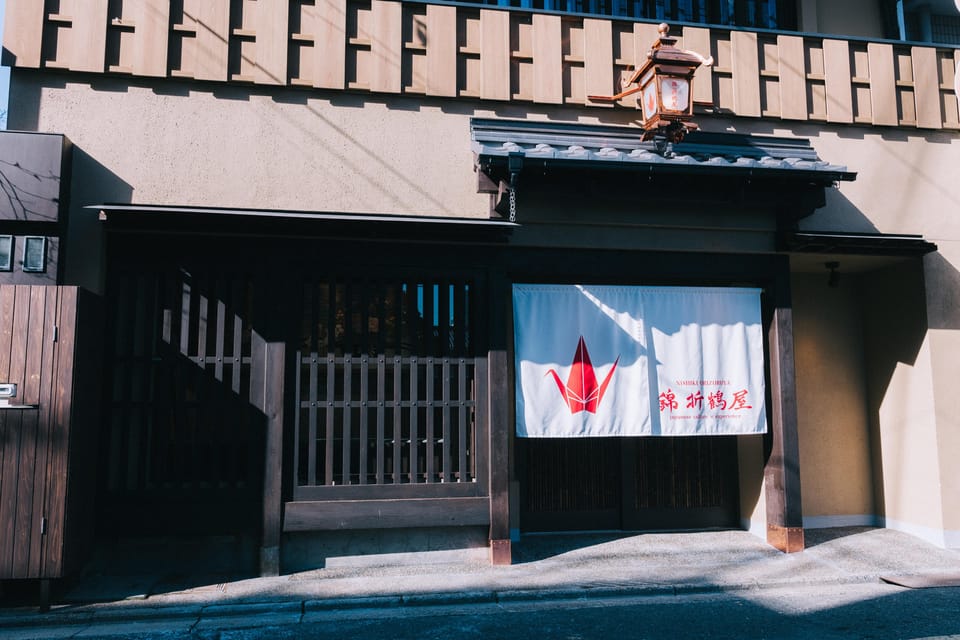
Also, be careful about where you’re meeting. The program makes it clear you must select the correct location when booking, because if you arrive at the wrong shop, you won’t be able to join. In real life, that means double-check the address on your confirmation and give yourself a buffer to find the right meeting point.
Inside the Tea Room: English Demonstration and Tea Etiquette
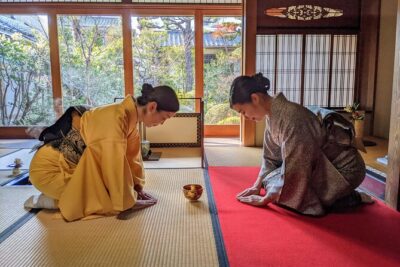
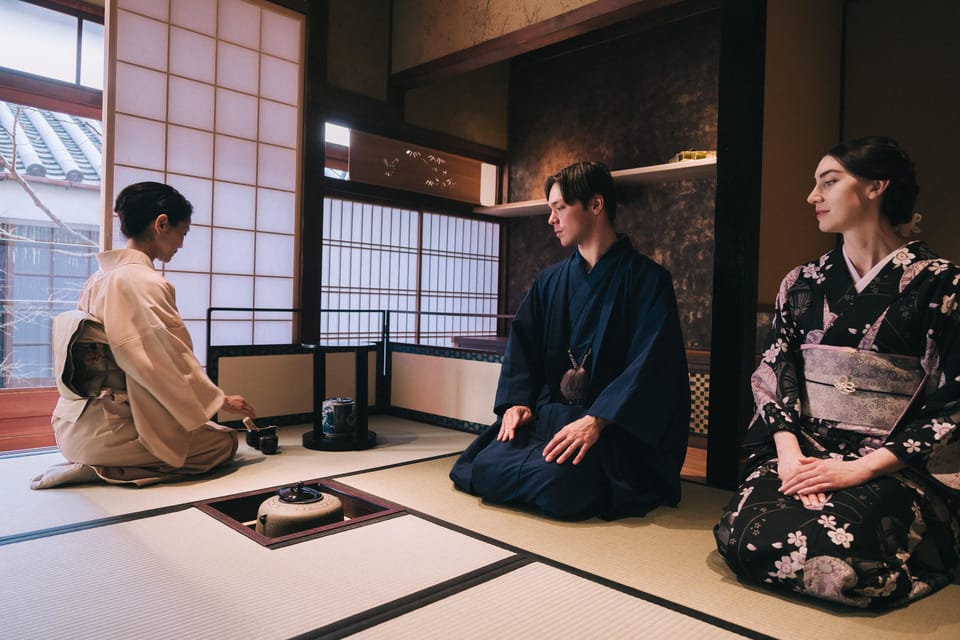
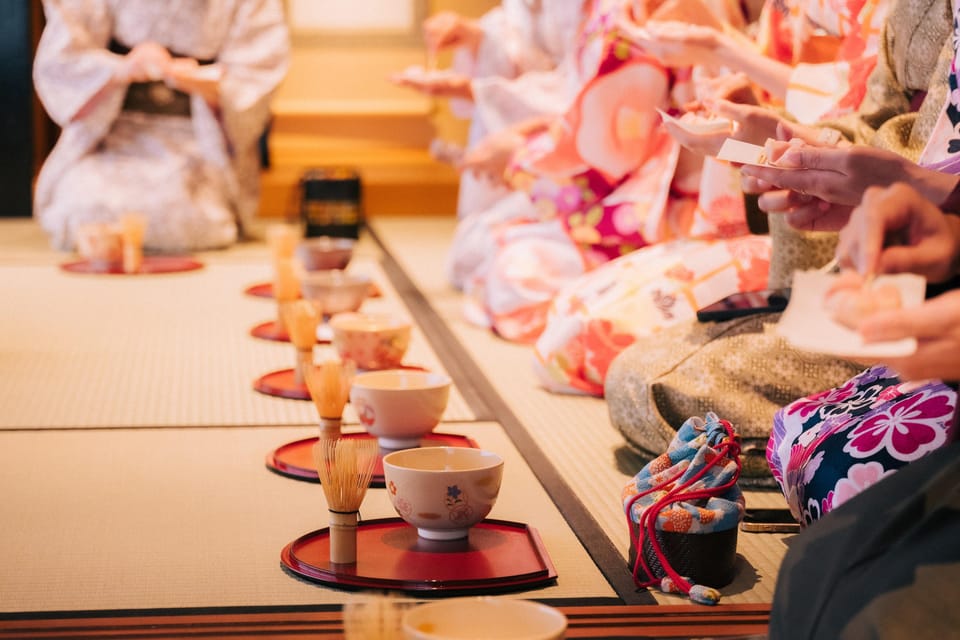
Once you’re in the tea room, the focus shifts from clothing to culture. You’ll watch a tea ceremony demonstration led by an English-speaking tea master. The language detail matters more than you might think: if you understand what’s happening, the ceremony stops being “watch and hope” and becomes something you can actually follow.
A key part of the explanation includes the purification steps and the idea of cleansing and blessing as part of the ritual. You’re learning the meaning behind the movements, not just copying them. Even if tea ceremony feels formal on paper, the tone here is described as relaxed and friendly, which helps you absorb the basics without pressure.
The small group format (10 participants max) also helps. You’re not herded like cattle, and you can ask questions or watch closely without losing the sequence. That’s a big deal when the ceremony includes precise gestures—tea preparation isn’t just pouring liquid, it’s choreography.
Making Matcha and Pairing It with Japanese Sweets
This is where the experience becomes personal. After the demonstration, you’ll make your own matcha green tea. That hands-on moment turns your understanding into muscle memory: the bowl, the whisk, the mix, the final pour.
Then it’s served with Japanese sweets. This pairing matters because it balances flavors and changes the whole tea-drinking experience from “bitter green” into something more rounded. If you have allergies, tell the team in advance so they can handle your needs. The program specifically asks for allergy info ahead of time, which is good practice.
Even if you’ve tried matcha before, making it in a tea ceremony format is different. You notice texture and preparation. You also slow down. In a city like Kyoto, that’s kind of the point.
Professional Photos in Kimono: What You Get (and How to Use It)
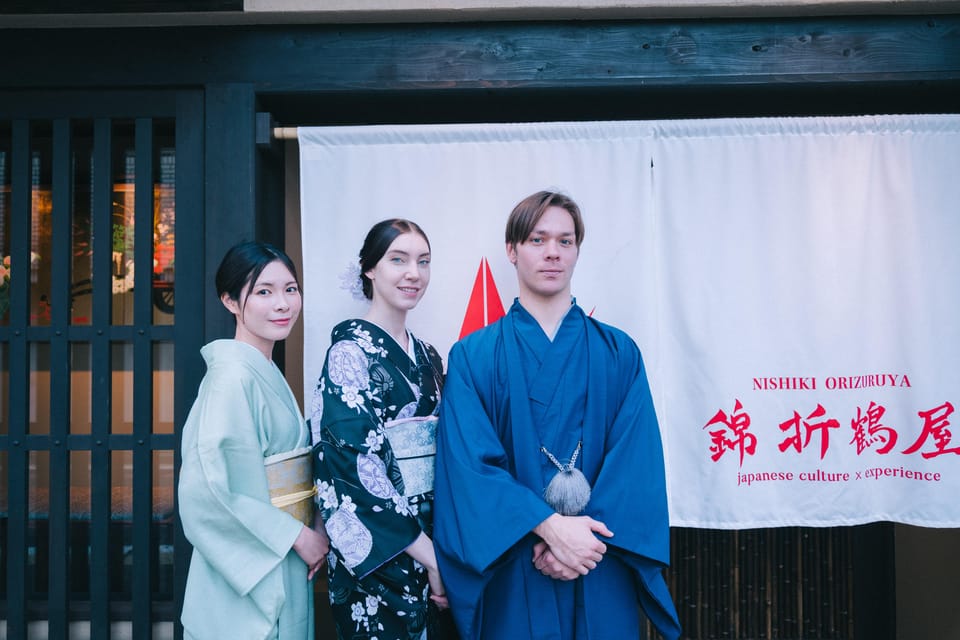
You’ll have a professional photographer capture your memorable moments, and the package includes 3 photos as a memento. The photography is one of the biggest value drivers here because it saves you the hassle of trying to find someone who’ll reliably frame shots, fix angles, and capture the kimono look well.
A helpful detail: you also have time for your own photos. That means you can do both:
- posed shots with the photographer for the keepsakes
- personal snapshots for your phone roll and travel memories
In practice, the key is timing. Your kimono styling and the tea room setup are time-sensitive, so don’t wander off early. Stay present during the photo moments, and you’ll get better results with less stress.




Timing Rules and Kimono Return Deadlines
This is a 90-minute experience, but the entire flow still depends on punctuality. You’ll be guided through dressing and then into the ceremony, so the schedule isn’t something you can “catch up” on later.
Two timing realities to respect:
- If you’re later than 10 minutes from the starting time, you’re not allowed to join and there’s no refund.
- You must return the kimono by the same day:
- Nishiki Market: 6:00 PM
- Gion: 5:00 PM
There’s also a human reality I like to mention: sessions don’t always start the second you arrive. One person described waiting because the ceremony happened later than their reservation time. So I’d recommend arriving a bit earlier than the meeting window and being ready for the experience to run like a real-world event, not an automatic machine.
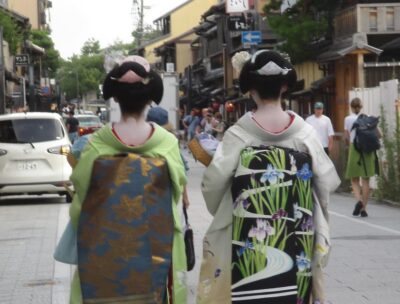
Once the ceremony ends, you’re allowed to stroll around in your kimono for a short while. That’s the payoff: you get the cultural moment indoors, then you step back out into Kyoto looking like you belong in the same story as the streets.
Cost and Value: Why $127 Makes Sense Here
At $127 per person for 90 minutes, this isn’t the cheapest Kyoto activity. But it’s also not pretending to be a simple “photo shoot.” You’re paying for a bundle:
- Kimono dressing
- An English tea ceremony demonstration
- Matcha-making + sweets
- 3 professionally taken photos
The value is strongest if you care about doing the full sequence, not just wearing a kimono for an hour. If you want authenticity plus visuals, this format is efficient: you get both the cultural explanation and the imagery without spending extra time booking separate services.
Also, small group size (max 10) matters. More privacy and more attention usually means fewer awkward gaps and better pacing. If you’ve ever done group activities that feel rushed, you’ll appreciate the structure here.
Who This Experience Fits Best (and Who Should Skip It)
This Kyoto tea ceremony works best if you want:
- a culture-forward activity you can understand in English
- a hands-on matcha moment
- kimono photos that look purposeful (not random selfies)
- a calm, well-run session in a small group
It’s not suitable for:
- children under 5
- wheelchair users (the program states it’s not suitable for wheelchair users)
It also has a couple of “comfort and etiquette” factors:
- You’ll go shoe-free indoors
- You’ll need to be okay with a structured session where punctuality matters
If you have food allergies, don’t guess—tell the team in advance. If you’re traveling with dietary restrictions and want to keep the day smooth, this is the kind of activity where advance communication pays off.
Quick Tips So You Don’t Feel Rushed
These are small habits that make a big difference with kimono experiences:
- Plan to arrive early enough that you’re not stressed about finding the meeting point.
- Wear something easy to change out of before kimono dressing.
- Think through allergies before you go—send the details ahead of time.
- When your photo time comes, stay relaxed and follow the photographer’s guidance. Kimono photos look better when you’re steady.
And one more practical thought: treat your kimono walk after the ceremony like part of the experience. It’s not just “time to roam,” it’s when you get to feel the contrast between ritual pace and Kyoto street life.
Should You Book This Kyoto Tea Ceremony?
I’d book it if you want a Kyoto experience with real substance: tea basics in English, plus the matcha moment, plus photos you can actually keep. If you’re the type who likes culture you can follow (not just culture you watch), this is a strong fit.
I’d think twice if you’re worried about strict punctuality, need a fully flexible schedule, or prefer to avoid shoe-free indoor etiquette. Also, if you’re aiming for a very short activity window or you’re arriving late by habit, the 10-minute rule will be unforgiving.
If you can be on time and you want a kimono-and-tea day that feels respectful and well organized, this is one of the more rewarding “Kyoto bucket list” activities you can do in 90 minutes.
FAQ
How long is the Kyoto tea ceremony with kimono and photoshoot?
The experience lasts 90 minutes.
What is included in the price?
It includes a tea ceremony demonstration in English, matcha green tea and sweets, kimono dressing, and 3 professional photos.
How many people are in the group?
The group is limited to 10 participants.
Where are the two meeting locations?
You can choose between the Nishiki Market location and the Gion location. The meeting point may vary depending on which option you book.
Do I get a chance to make matcha, or is it only a demonstration?
You’ll make your own matcha green tea and enjoy it with Japanese sweets.
Can I choose the kimono style or accessories?
You can choose your kimono options such as fabric color, and hair accessories are included for those who are dressed with them (based on gender/kimono preparation details).
Are shoes allowed indoors?
No. Shoes are not allowed indoors.
Are there any rules about food allergies?
If you have food allergies, you should let the team know in advance.
What happens if I’m late?
If you arrive more than 10 minutes after the starting time, you are not allowed to join and no refund is available in that case.
When do I need to return the kimono?
Kimono return times depend on your location:
- Nishiki Market: return by 6:00 PM
- Gion: return by 5:00 PM