REVIEW · KYOTO
Best of Kyoto: Ginkakuji & Path of Philosophy E-Bike Tour
Book on GetYourGuide →Operated by Kyoto Fun · Bookable on GetYourGuide
Kyoto works best when you move gently, not slowly. This E-bike tour threads classic sights with calmer garden time and real context on Zen and Shinto. You pedal with a guide who helps the city make sense, even when you’re hopping between temples and shrine grounds.
I love the mix of Ginkaku-ji’s Zen gardens and the quieter rhythm of the Philosopher’s Path, because it doesn’t feel like a rushed checklist. I also like the practical value: the ride, helmet, garden entry fees, and a live English/French guide are included for a single set price. One consideration: the provider expects you to be a confident cyclist, and they may end the tour if anyone in your group isn’t comfortable.
In This Review
- Key points worth knowing before you ride
- Why an E-bike Kyoto tour beats the usual temple shuffle
- Meeting up: what’s included before you roll out
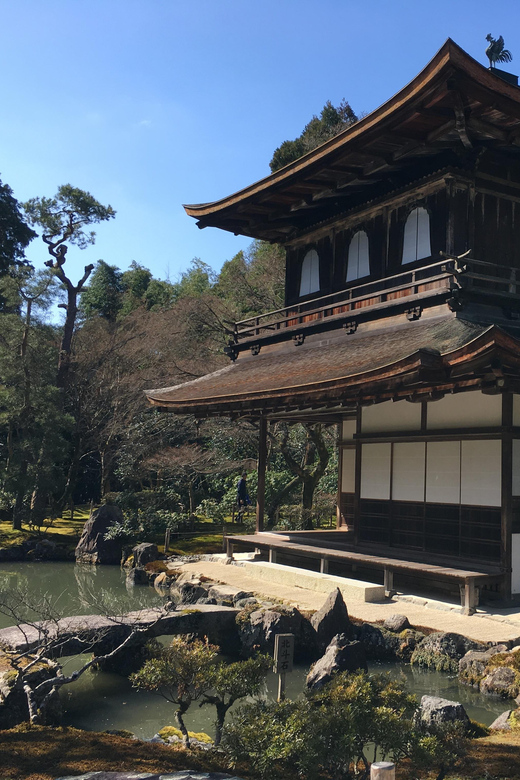
- Ginkaku-ji Temple and the Zen gardens: the calm anchor (45 minutes)
- Pedaling to the Philosopher’s Path: easier access to a famous walk (30 minutes)
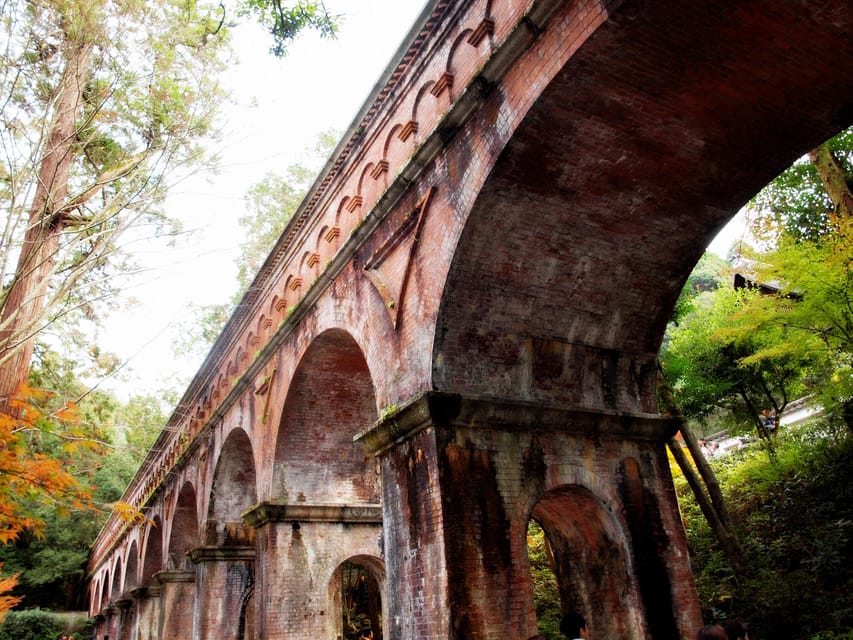
- Nanzen-ji visit: turning the corner from garden serenity (30 minutes)
- Heian Shrine guided time: finishing with Shinto perspective (45 minutes)
- The guide makes or breaks the day: how lessons stay human
- East Side vs the longer Wild West route
- Price and value: what $69 covers and why it feels fair
- Should you book this Kyoto E-bike tour?
- FAQ
- How long is the tour?
- Where does the tour start?
- Is the E-bike included in the price?
- Are helmet and entry fees included?
- Which stops are part of the Ginkaku-ji and Path of Philosophy route?
- Do I need hotel pickup or drop-off?
- What happens if it rains?
- What languages are the guides?
Key points worth knowing before you ride
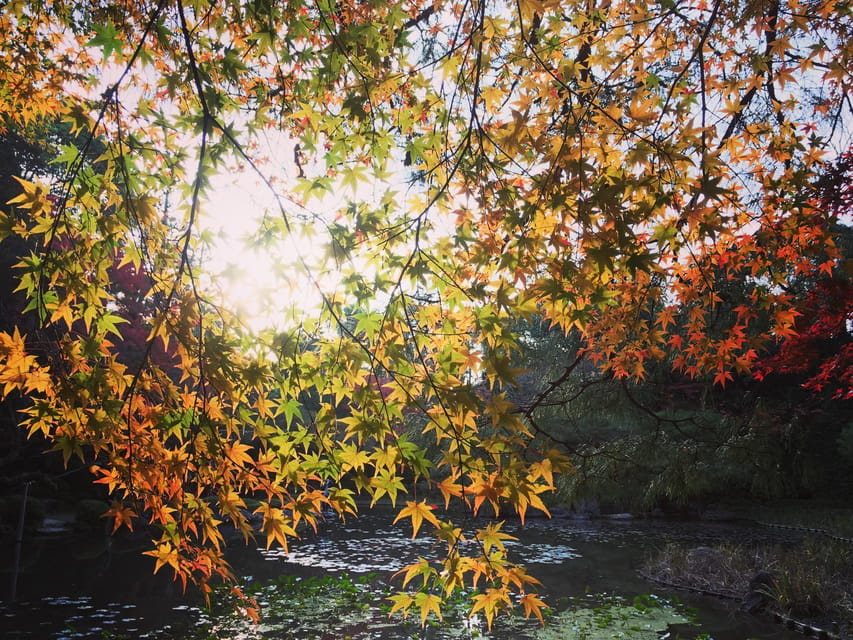
- E-bike assist keeps the ride relaxed even with Kyoto’s small hills.
- Ginkaku-ji stop includes garden entry, so you’re not just passing by gates.
- Philosopher’s Path time lets you experience a famous Kyoto walking corridor without doing it on foot the whole way.
- Nanzen-ji and Heian Shrine round out the day, adding more temple-and-shrine atmosphere and guided explanations.
- Shinto vs Zen lessons are part of the experience, delivered by a friendly guide in English or French.
- Small or private groups mean the pace tends to feel personal, not like a commuter train.
Why an E-bike Kyoto tour beats the usual temple shuffle
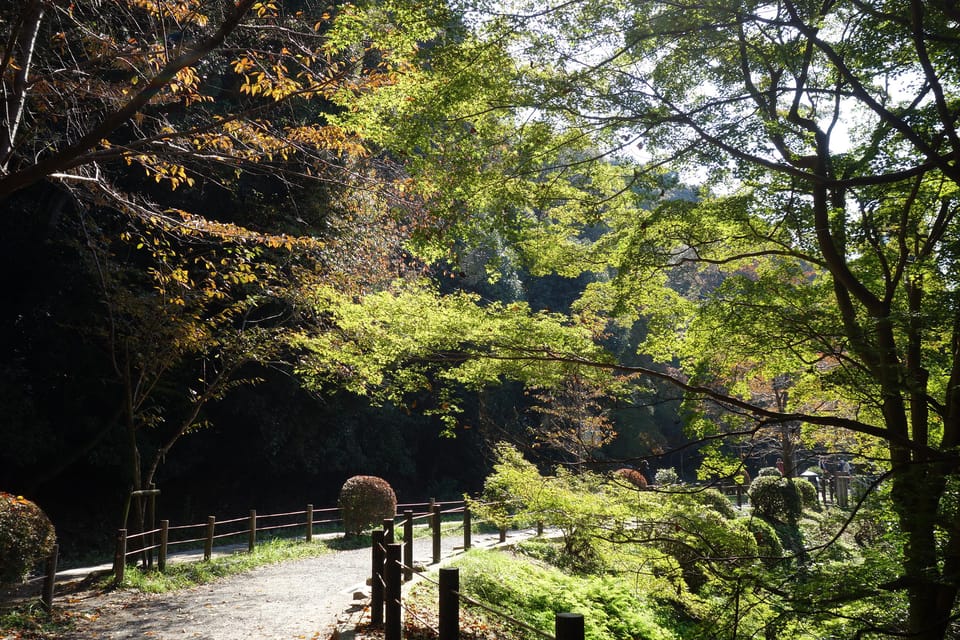
Kyoto can feel like two different cities at once. One is the photo-heavy postcard circuit. The other is the side streets, the garden corners, and the moments when you slow down and actually notice.
This tour leans hard into that second Kyoto. You cover multiple major stops in a single outing, but you still get time inside garden spaces and shrine/temple grounds rather than just snapping pictures from outside. The E-bike does a simple job well: it helps you keep moving without turning the day into an endurance event.
You also avoid one big frustration. Temple hopping on foot often means lots of stopping, lots of backtracking, and lots of waiting around while people get their bearings. On an E-bike, your body stays in the flow, so the cultural stops land better.
The value angle is real too. At $69 per person, you’re paying for more than sightseeing. You’re paying for an E-bike rental, helmet, a live tour guide, and entry fees to gardens, bundled into one price.
You can also read our reviews of more cycling tours in Kyoto
Meeting up: what’s included before you roll out
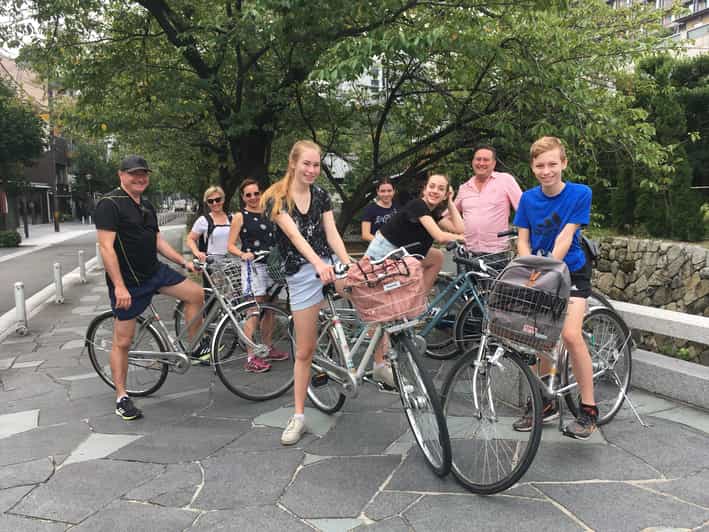
The tour starts at one of the designated pickup points, with Kyoto Bike Rentals at 222 Koyamachō listed as a starting option. Your exact meeting location may vary depending on the option you book, so I’d treat the confirmation message as the source of truth.
Once you arrive, the essentials are straightforward. You’ll get your E-bike rental and a helmet before you head out. You’re not figuring out gear logistics mid-tour, which matters in Kyoto where timing and traffic can get annoying.
Your guide is the main ingredient. The tour runs with a live guide in English or French, and the guides in these reviews (names like Salomé, Philippe, Phillip, Kevin, Tim, and Niall show up often) are consistently praised for knowledge and pacing. Many guests also mention the guides don’t just lecture for the whole day. They share what’s important, when it’s relevant, and then let the places do their work.
The one thing you should take seriously is cycling comfort. The provider can end the tour if they’re concerned for anyone’s safety, so book only if you feel confident riding for extended stretches and turning corners in city conditions.
Ginkaku-ji Temple and the Zen gardens: the calm anchor (45 minutes)
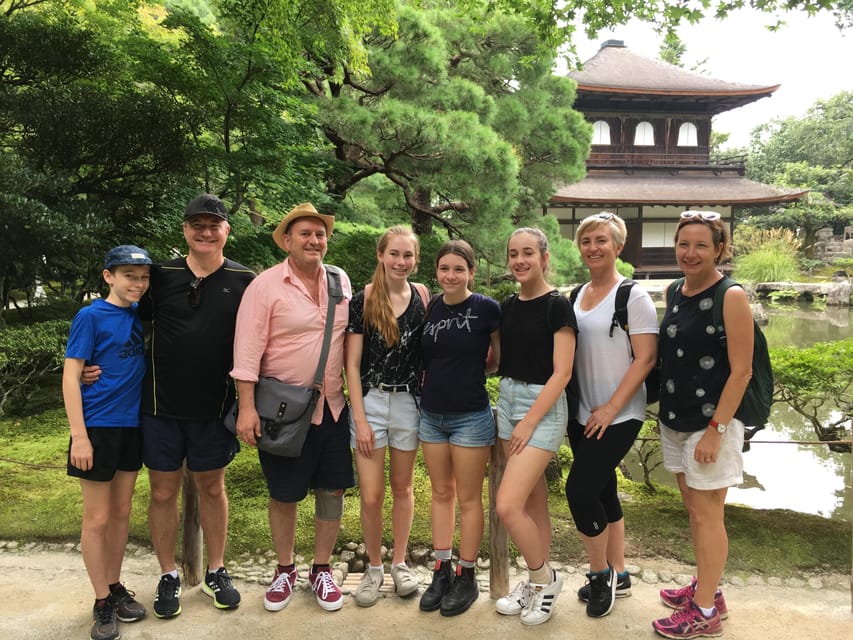
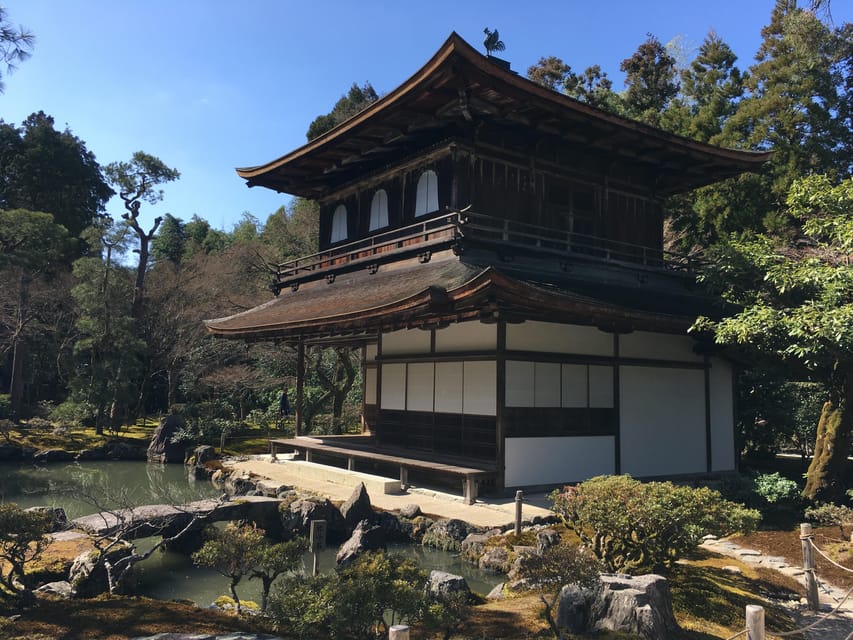
If you like Kyoto’s quieter side, Ginkaku-ji is a smart first real stop. It’s the kind of place where people don’t just look up at architecture. They look around, down at gravel paths, and across garden compositions meant to be absorbed slowly.
In this tour, Ginkaku-ji is paired with Zen gardens, plus an ancient shrine component. You also get entry fees to the gardens included, which saves you time and keeps you from doing the usual line-and-ticket shuffle.
What I like about starting here is that it sets the day’s mood. Before you hit the streets, you’re already in a space where silence is part of the experience. And because the guide is there, you don’t just see garden design—you get help reading it. This is where Shinto and Zen explanations start to feel practical rather than academic.
A drawback to plan for: garden time can feel mentally slow, even if the ride is active. If you’re someone who wants constant motion, you may feel a slight slowdown at this first stop. On the other hand, if you want that Kyoto reset, this is the best moment for it.
Pedaling to the Philosopher’s Path: easier access to a famous walk (30 minutes)
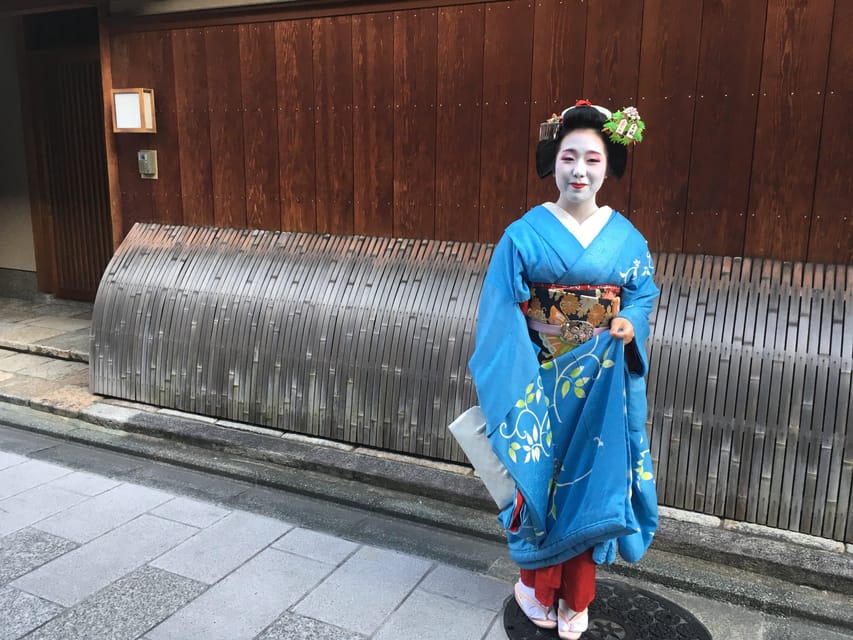
After Ginkaku-ji, the tour shifts into the Kyoto rhythm many people come for. The Philosopher’s Path is famous for a reason: it’s a long, scenic corridor that encourages slow looking—whether you walk it or pause along the way.
Here, you get 30 minutes that are long enough to feel the atmosphere without feeling like you must cover every inch. Since you’re on an E-bike, you can position yourself better than you would on foot. You can also spend less time navigating and more time paying attention.
The guide also helps you connect the path to the religious and philosophical ideas Kyoto is famous for. The tour is built around learning about Shinto and Zen, so this stop isn’t just scenic. It’s part of the larger story of why Kyoto feels different from other Japanese cities.
One practical consideration: this is still a popular area. Even if you’re not told anything about crowd levels, it’s safe to assume you’ll encounter some foot traffic. The bike helps, but you’ll want to be patient at crossings and around walkers.
Nanzen-ji visit: turning the corner from garden serenity (30 minutes)
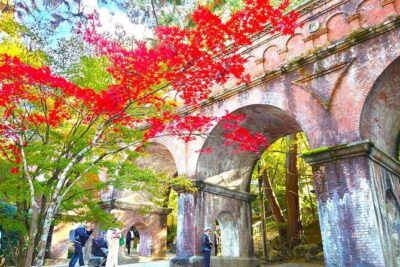
Next up is Nanzen-ji, with 30 minutes allocated for a visit. This stop helps balance the day. You’re not only cycling through the famous corridor feeling. You’re also stepping into another temple setting with its own spiritual tone.
The value here is the timing. You’ve already absorbed the Zen-garden mood at Ginkaku-ji and the reflective vibe along the Philosopher’s Path. Nanzen-ji acts like a mid-course reset: you keep moving, but you also get to change sensory gears from garden design to temple atmosphere.
Because the tour includes guided interpretation, you’re more likely to notice details rather than just passing through. In the reviews, guests repeatedly praise guides for answering questions and shaping the experience with context, not nonstop facts.
A potential drawback is simply time. 30 minutes sounds like a lot until you’re standing in a place that invites slow looking. If you’re the type who wants extra time to wander without stopping, you may wish this stop had 10–20 more minutes. The upside is that the rest of the tour stays compact and doesn’t drag.
You can also read our reviews of more tours and experiences in Kyoto


Heian Shrine guided time: finishing with Shinto perspective (45 minutes)
The tour ends with Heian Shrine, including a guided tour for 45 minutes. This matters because Heian Shrine brings more of the Shinto side of Kyoto’s spiritual map into the spotlight, especially after the Zen-forward stops earlier.
This is where the day’s education can click. If the Zen gardens and Philosopher’s Path made you curious about religion as lived experience, the shrine guide can turn that curiosity into clearer understanding. You start to see how different belief traditions shape how places are arranged, how people move through them, and how quiet works in practice.
I like the structure of the finish. By the time you reach the shrine, you’ve already covered the major “Kyoto feelings” of gardens and reflective walking. A guided finale keeps the emotional arc from petering out.
If you’re thinking about photos, plan to slow down and shoot between moments of explanation rather than during the guide’s key points. A lot of the value comes from hearing what things symbolize and how to read the setting.
The guide makes or breaks the day: how lessons stay human
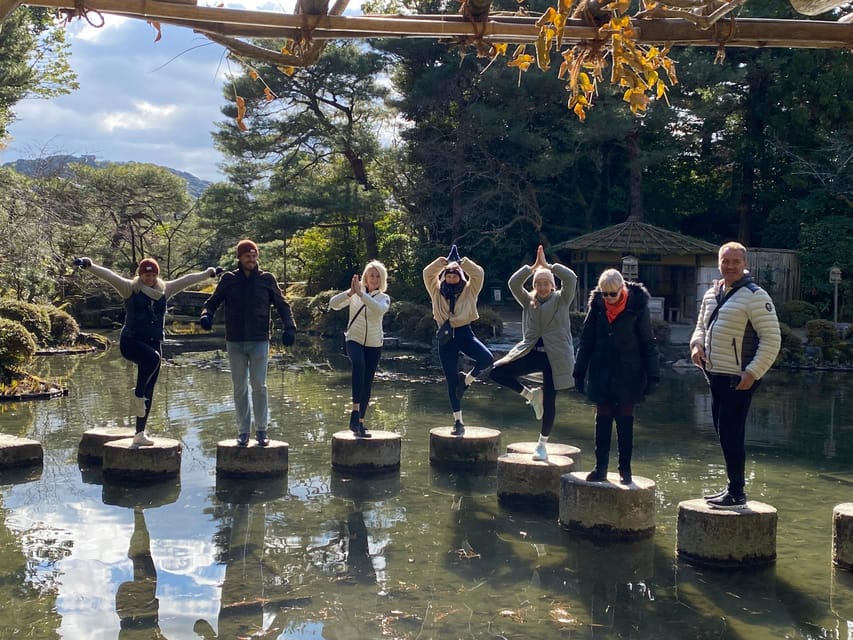
This is a tour where the guide is the difference between seeing temples and actually understanding what you’re looking at. And the feedback here is unusually consistent about guide quality.
Names that come up often include Phillip/Philippe and Kevin, plus Salomé, Tim, and Niall. Multiple reviews describe a calm, flexible style—guides who pace the group well and adjust to the day. One guest even mentioned improvising around lunch in a way that respected dietary needs, which signals the guide is paying attention beyond the script.
Just as important: the guides aren’t described as info-dump machines. Guests mention they share what’s important and interesting, without bombarding you from start to finish. That approach is exactly what you want in Kyoto, where too many facts can flatten the mood.
If you like conversation, you’ll probably do well here. The tour includes explanations about Shinto and Zen, and those topics invite questions. If you’re newer to Japan, this is also a nice chance to ask how these traditions show up in everyday life and city layout.
East Side vs the longer Wild West route
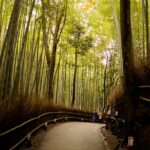
While the focus of this review is the Ginkaku-ji & Path of Philosophy route, it helps to know there’s also a longer option. The longer course adds major Kyoto icons such as the Arashiyama Bamboo Forest and other famed sites including the Golden Pavilion and Ryoanji Rock Garden. That route is listed as more adventurous and longer (around 6 hours), while the East Side course is shorter (around 4 hours).
So how do you choose? If you want fewer stops with more garden and shrine time, go East Side. If you want to stack headline sights and cover more ground, the longer route fits better.
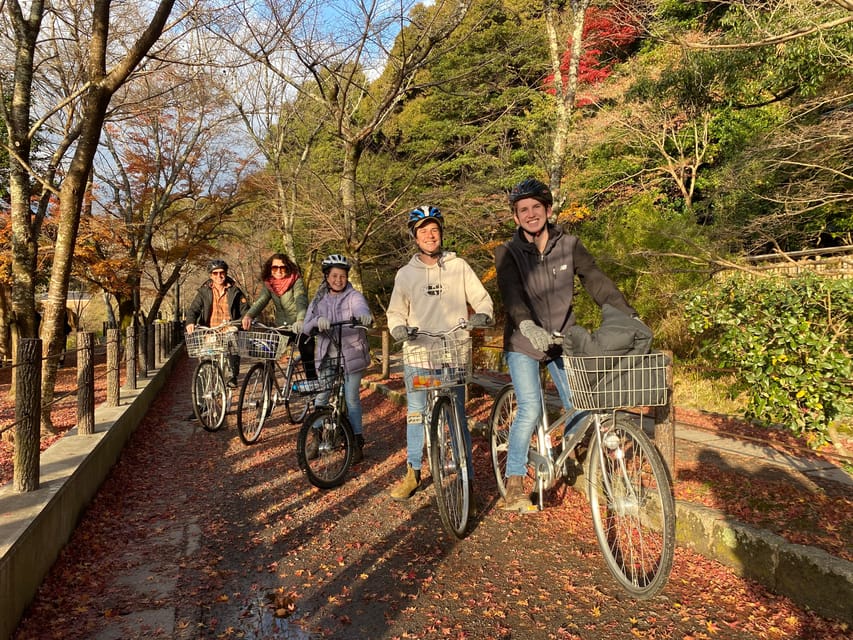
Either way, the E-bike helps you do the “distance trick” that walking tours often can’t. One review even noted an easy biking distance of around 9 miles, which gives you a sense of effort level for the kind of riding you’re signing up for.
Price and value: what $69 covers and why it feels fair
At $69 per person for 210 minutes, the biggest value piece is that this isn’t just a guided walk with training wheels. You’re paying for:
- E-bike rental
- Helmet
- Tour guide
- Entry fees to gardens
That combination matters because Kyoto often charges for individual garden/temple entry. Even if you’d planned to see only one garden, the included entry fees can quickly make the price feel less like a premium tour fee and more like a practical bundle.
Also, the time count is decent. You’re not paying for a short “drop in and out” experience. You’re getting a half-day-style outing that covers multiple spiritual landmarks without requiring you to master Kyoto’s transit systems or route planning.
Weather-wise, the plan is flexible. In light rain, you can reschedule, switch to a walking option, or keep going with a poncho. If rain is heavy, the provider may cancel with a full refund, so you’re not stuck with a bad situation and no path forward.
Should you book this Kyoto E-bike tour?
Book it if you want a day that balances major Kyoto sights with real time in Zen garden settings, and you like your sightseeing with explanations about Shinto and Zen. It’s also a good match if you’re new to Kyoto or short on time, because the E-bike helps you cover ground without burning out.
Skip it or reconsider if cycling sounds stressful to you. The provider can end the tour for safety, so only book if you’re truly comfortable riding through city areas for the duration. And if you prefer long, independent wandering with minimal structure, you may want a tour that gives more free time at each stop.
If you want Kyoto that feels thoughtful instead of hectic, this route is a strong bet. Start with Ginkaku-ji, settle into the Philosopher’s Path, and let the guide connect the religious ideas to what you can actually see.
FAQ
How long is the tour?
The tour duration is 210 minutes.
Where does the tour start?
The meeting point can vary based on the option booked. One listed starting location is Kyoto Bike Rentals, 222 Koyamachō.
Is the E-bike included in the price?
Yes. E-bike rental is included.
Are helmet and entry fees included?
Helmets are included, and entry fees to gardens are included as well.
Which stops are part of the Ginkaku-ji and Path of Philosophy route?
You’ll visit Ginkaku-ji Temple, the Philosopher’s Path, Nanzenji Temple, and Heian Shrine.
Do I need hotel pickup or drop-off?
No. Hotel pickup and drop-off are not included.
What happens if it rains?
For light rain, you can reschedule, switch to a walking tour, or go ahead with a poncho. If rain is heavy, the provider may cancel the tour with a full refund.
What languages are the guides?
The live tour guide speaks English and French.