REVIEW · KYOTO PREFECTURE
Kyoto: Zen Meditation and Garden Tour at a Temple with Lunch
Book on GetYourGuide →Operated by MagicalTrip · Bookable on GetYourGuide
Zen quiet in Kyoto, without the guesswork. This Kyoto Zen meditation and garden tour pairs a guided walk through a Zen garden with a real zazen practice at Tofukuji. I also love how the guide explains Zen ideas through what you’re looking at, not just through words.
Next, the heart of the tour is the zazen session: you’ll learn basic posture, breathing, and practice rhythms in a calm temple setting. In several guide-led experiences I’ve seen described, the guide (like Yutaka, Louis, or Eri) keeps things clear in English and helps you make sense of what the monk is doing, especially when it’s time to ask questions afterward.
One catch to plan for: zazen is mostly silent, and conversation is restricted while others meditate. Also, the monk may not speak English, so you should expect to rely on the provided silent materials and your guide’s help.
In This Review
- Key things you’ll remember
- Where Zen starts: the guided garden at Tofukuji
- Zazen basics: posture, breathing, and staying quiet
- Tofukuji highlights: gate, ceiling art, and that unusual toilet detail
- Shōrin-ji (Bishamon-dō): the temple rhythm between stops
- Lunch that fits the Zen lesson: Shojin ryori with dashi and a touch of dairy
- Guides and group size: why up to 7 people matters
- Price and value: is $107 worth it for Kyoto?
- What to bring and how to plan your day
- Should you book this Kyoto Zen meditation and garden tour?
- FAQ
- How long is the Kyoto Zen meditation and garden tour?
- Where do I meet the guide?
- Is the tour guide English-speaking?
- What is included in the price?
- What happens during the zazen (Zen meditation) session?
- Can I talk during meditation?
- What do you eat for lunch?
- Is this tour suitable for children?
- Is it suitable for gluten intolerance?
- What should I do if I arrive late?
Key things you’ll remember
- Tofukuji Temple setting: one of Kyoto’s five Great Zen Temples, practiced by monks since the 13th century
- Zen garden first: you learn how to read the garden before you sit
- Real zazen practice: posture and breathing coaching in a quieter temple space
- Temple-to-lunch flow: Shojin ryori meal served after meditation and a short talk
- Small group size (up to 7): easier to stay focused and get time for questions
- Practical monk discussion time: you share what you felt after the silent session
Where Zen starts: the guided garden at Tofukuji
If you think Zen is only about sitting, this tour corrects that fast. You begin at the Kōmyō-in Temple area for a garden walk, guided at a slow, respectful pace. The guide doesn’t just point at rocks and plants. They’ll frame what you’re seeing using Zen principles—how attention works, why stillness matters, and how to notice without forcing meaning.
This is a smart way to start, because it gives your brain a job before you sit down. You’re not waiting for the meditation to begin. You’re already practicing a lighter way of looking. In practice, it helps you settle into the atmosphere of a real temple, not a staged “meditation moment.”
And yes, the garden is beautiful in a calm, restrained Kyoto way. But the real value is how you’re taught to watch it: you learn to let your eyes move naturally, then to soften when the mind starts running. That’s the same skill you use during zazen.
You can also read our reviews of more tours and experiences in Kyoto Prefecture

Zazen basics: posture, breathing, and staying quiet
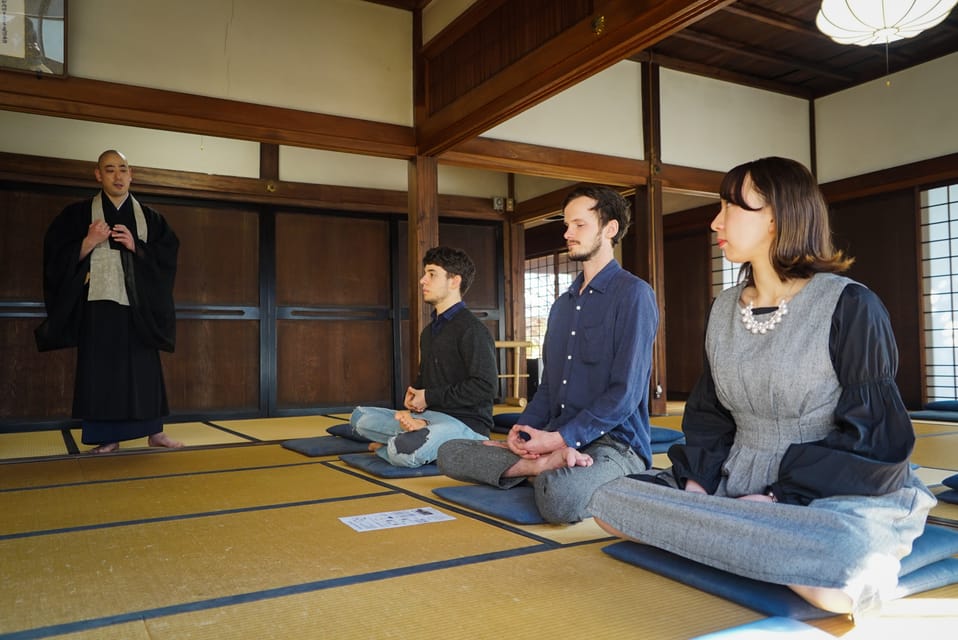
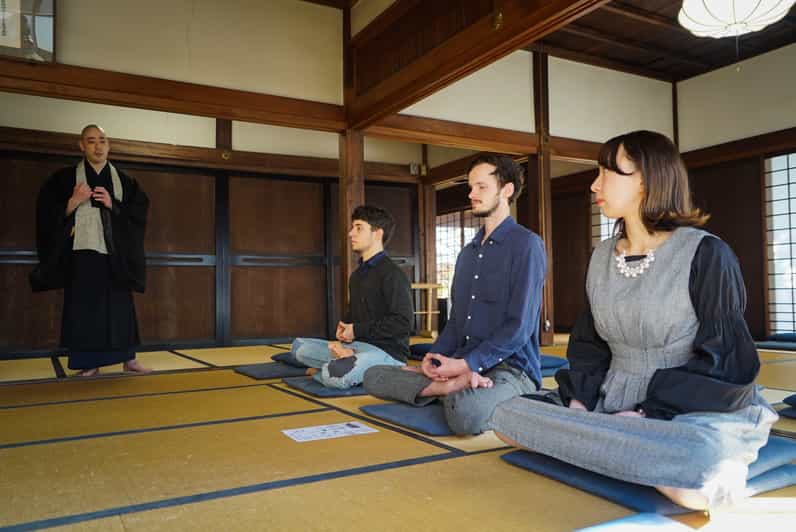
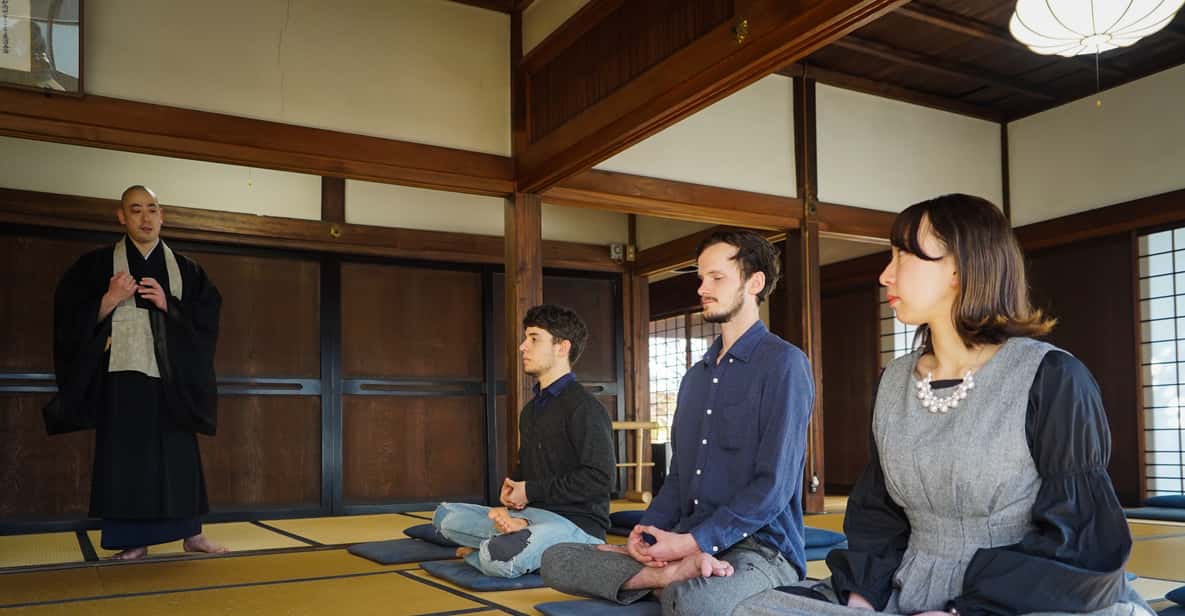
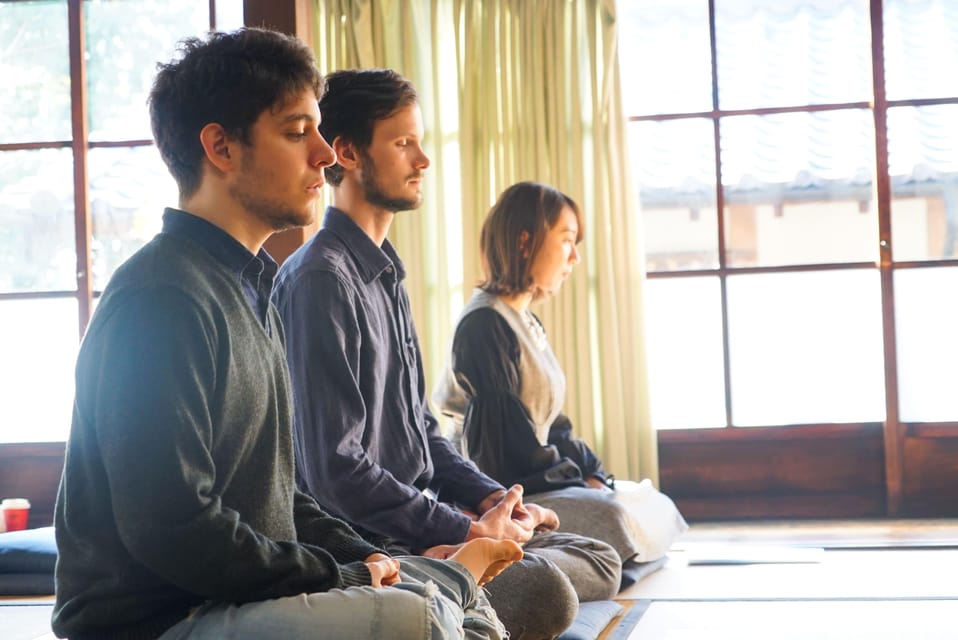
After the garden, you move into the zazen practice area at Tofukuji. One of the most useful parts is that you get actual instruction for the foundations: posture, breathing techniques, and the basic methods and ideas behind zazen. You’ll be shown the physical “how” first, then you spend time practicing.
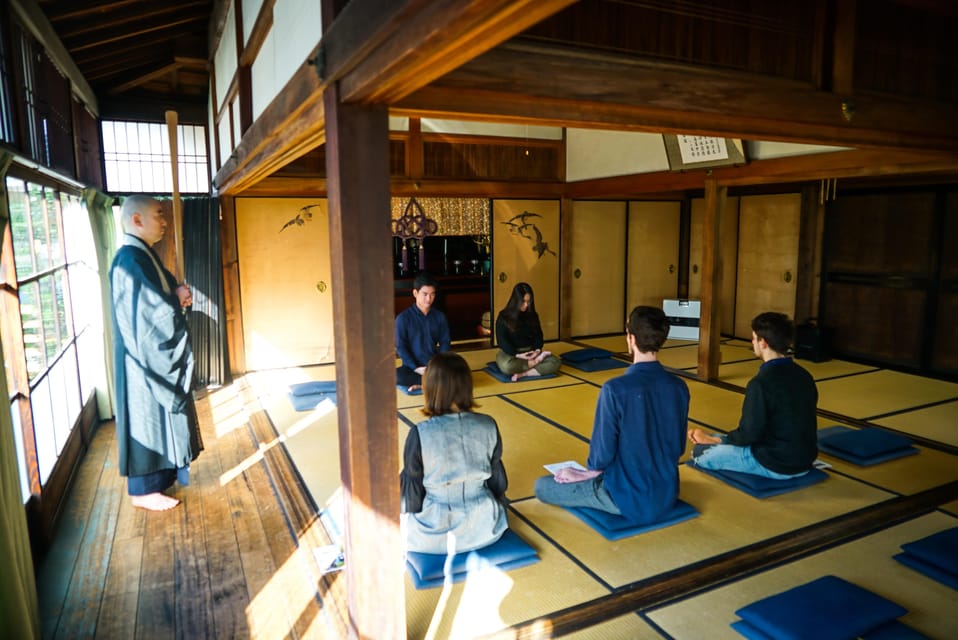
During the one-hour meditation, the guide maintains silence, and you’re given special reading materials designed for quiet use. This matters because it sets expectations. You’re not supposed to talk through the session. You’re meant to follow the practice and keep your attention steady.
Here’s the practical reality to plan for: your mind will wander. That’s normal. The point of zazen is learning what to do when it does—return to the posture, return to the breath, return to the moment. The structure of this tour supports that, because everything around you is quiet and slow.
A point to consider: in one experience described, the meditation space felt larger than expected, with more people than ideal for a deeply personal session. You’ll still get the instruction, but if you’re hoping for total solitude, you should know it may be shared.
Also, since at least some monks may not speak English, don’t assume there will be a free-flow conversation during the meditation itself. Instead, think of the monk discussion afterward, plus your guide’s support, as the place where your questions can land.
Tofukuji highlights: gate, ceiling art, and that unusual toilet detail
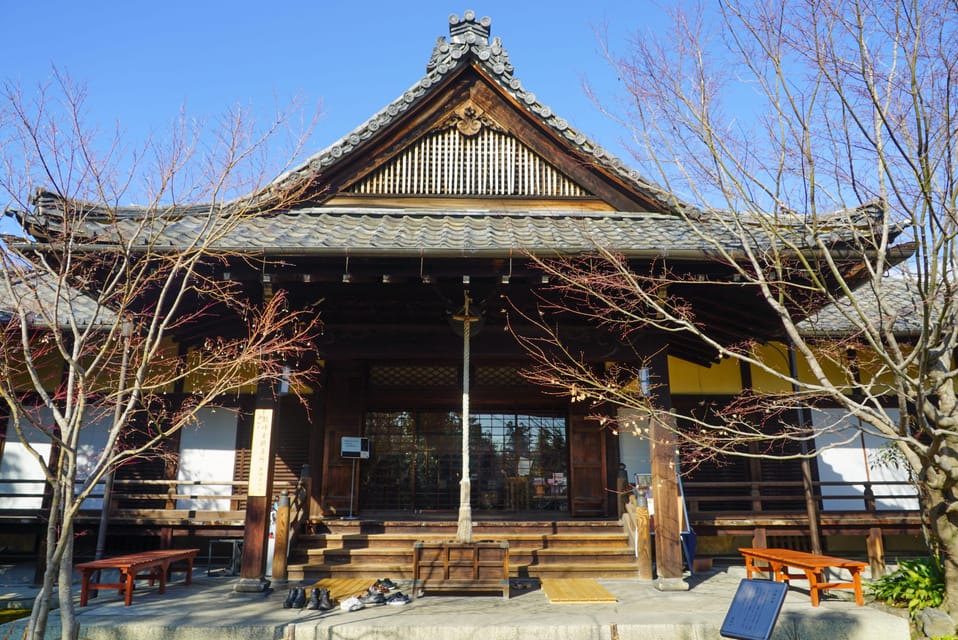
Before or alongside the meditation areas, you’ll tour key parts of Tofukuji Temple. This is where the tour becomes more than “sit and eat.” You get context for the place you’re entering.
Expect to see:
- the San-mon gate
- dragon ceiling paintings
- the oldest surviving toji (toilet)
That last detail might sound odd, but it’s exactly the kind of grounded temple fact that makes these visits feel real. It reminds you that these were working monasteries, not museum stages. Temples have practical needs; their history is written in every corner, including places visitors rarely expect to notice.
You’ll also get to visit a smaller area within the temple complex that’s dedicated to zazen practice. That shift—from big gate and art to a quieter practice space—helps you understand the temple’s purpose. The grand visuals set the scene. The smaller space is where you experience the discipline.
Time-wise, this segment isn’t trying to stuff everything into one rushed hit. The trade-off is you don’t get an all-day temple marathon. The benefit is you keep your energy for what matters most: the meditation and the meaning behind it.
Shōrin-ji (Bishamon-dō): the temple rhythm between stops
One of the longer chunks of time is at Shōrin-ji (Bishamon-dō), where you’ll spend about 70 minutes. This stop works well because it gives your day a tempo. You’re not moving every 10 minutes, and you’re not stuck in one room.
What I like about this kind of temple pacing is that it mirrors how you’d explore if you were there for a full afternoon. You get enough time to notice changes in space and sound—where the light falls, how the air feels inside different halls, how the tone changes with each doorway.
Drawback to keep in mind: if you’re the type who wants nonstop narration, you’ll likely feel that temples aren’t built for “constant talking.” That’s part of the appeal. Still, if you’re hoping for a performance, this isn’t it. It’s a guided experience with pauses that let the setting do work.
Lunch that fits the Zen lesson: Shojin ryori with dashi and a touch of dairy
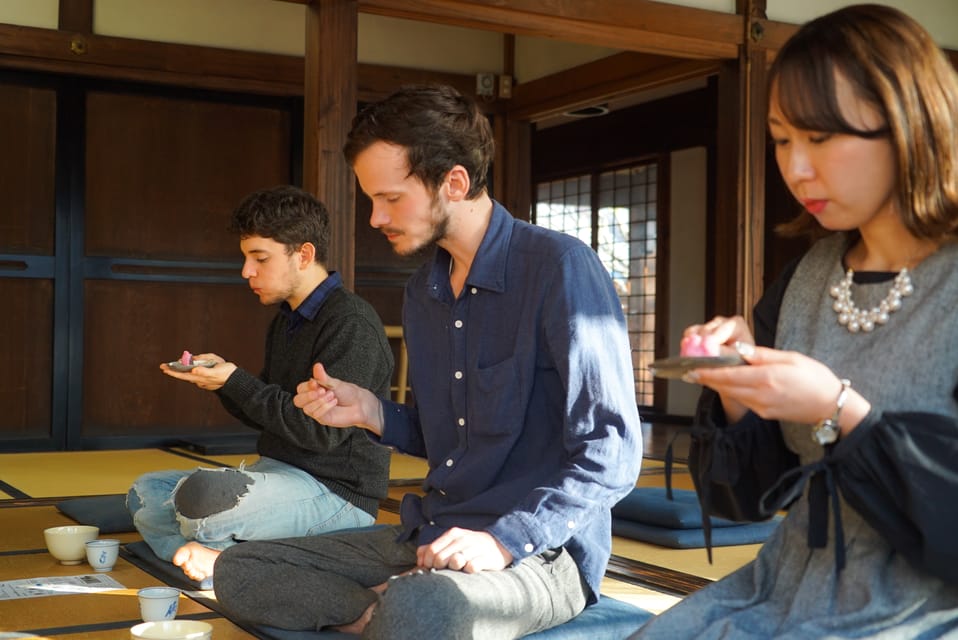
After zazen, the tour moves to a vegetarian lunch known as Shojin ryori. This is one of the best “calm continues” moments in the whole day. You’re still in the temple mindset, so the meal feels connected instead of random.
What you’ll likely eat is built around monk-style cooking: vegetables, mushrooms, and seaweed are central, and meat and fish are generally avoided in this tradition. In this particular lunch, you’ll have dashi-fish broth (so it’s not strictly vegan by most definitions) and there’s a bit of dairy included.
That detail is important for expectations. People often assume Shojin ryori means totally fish-free or totally dairy-free. Here, you can treat it as vegetarian with subtle ingredients that reflect Japanese Buddhist practice patterns rather than modern dietary categories.
The restaurant area is adjacent to a temple used for training. The tour description notes a historical peak of up to 1,200 monks. I like that this meal comes with that reminder: you’re eating what long-term trainees ate, not just a tourist plate designed to look nice.
Also, lunch time is where you usually get the most relaxed social vibe of the day. In the experiences I’ve read, people often describe it as a satisfying finish after the silence—more than a checkbox.


Guides and group size: why up to 7 people matters
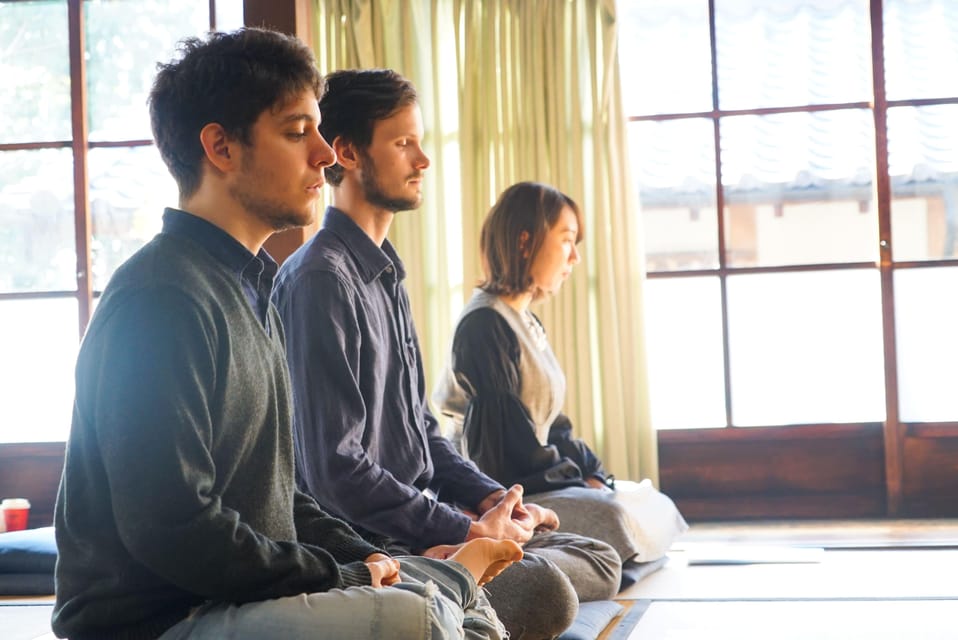
This tour runs as a small group limited to 7 participants. That small number changes the whole feel. You can pay attention to the guide’s explanations without fighting for space, and your questions during the monk discussion afterward are more likely to get time.
Guides mentioned in experiences include Yutaka, Louis, Eri, Yukata, Tammy, and others. Different guides bring different energy, but the common theme is clear communication: they explain Zen concepts and the temple symbolism in English, and they help you translate what you’re experiencing into something you can actually understand.
If you’re trying to learn Zen as a real practice (not just a photo-op), this group size is a big part of the value. If you’re looking for private meditation alone, you may still find shared time during zazen depending on the room and session—but your day won’t feel crowded in the “herded” way.
Price and value: is $107 worth it for Kyoto?
At $107 per person for about 270 minutes, you’re paying for three things working together:
- a guided garden introduction
- an instructor-led zazen session with a monk connection
- a traditional Shojin ryori lunch
You could, in theory, visit Tofukuji and eat nearby on your own. But the value here is guidance. Zen practice isn’t intuitive the first time. Posture, breathing, and the mindset cues are where a guide saves you from guessing. Plus, the monk discussion portion adds context you won’t easily get from a self-guided visit.
Another value point is convenience. The tour ties the day together so you’re not spending your Kyoto time figuring out which hall to enter, how to read the flow, and when to eat. You just follow the rhythm.
The main reason the price can feel high for some people is simple: it’s not a long sightseeing sprint. You don’t get dozens of stops. You get a focused experience. If you like slow, meaningful visits, that focus is worth it.
What to bring and how to plan your day
Because you’re in temples and outdoors for parts of the garden walk, come prepared.
- In hot, humid months: bring water and wear a hat to reduce heat-stress
- In winter: temple floors can feel cold, so wear thick socks
- Arrive on time. The tour starts when it starts, and being late can mean you miss the group
One more planning detail: if your departure time is 10:45, lunch may land around 14:15, after the meditation portion. So have enough breakfast or brunch, or you’ll feel the gap.
Finally, the meditation session is a quiet one. If you’re hoping to multitask with conversation, save it for outside the silent portion.
Should you book this Kyoto Zen meditation and garden tour?
If you want Kyoto that feels grounded—less shopping, more practice—this tour is an excellent pick. I’d especially recommend it if you:
- are curious about zazen and want structured help with posture and breathing
- like the idea of starting with the garden to understand Zen through what you see
- want a small-group day with real temple atmosphere
- would enjoy a Shojin ryori lunch that connects to the practice
Skip it or think twice if:
- you need a totally silent private meditation room the whole time
- you’re very sensitive to sessions where the monk may not speak English and you rely on guided materials instead
- you’re traveling with kids under 12 (this tour isn’t suitable)
- you have a gluten intolerance (this tour isn’t suitable)
Overall, this is the kind of Kyoto experience that leaves you calmer, not just impressed. If that’s the goal, book it.
FAQ
How long is the Kyoto Zen meditation and garden tour?
The tour runs for about 270 minutes.
Where do I meet the guide?
Meet outside Tofukuji Station, EXIT 2, next to the FamilyMart.
Is the tour guide English-speaking?
Yes. The live tour guide provides English interpretation.
What is included in the price?
The price includes the Zen meditation experience, the Shojin ryori lunch, temple and garden admission fees, photo-taking during the tour, and a local guide.
What happens during the zazen (Zen meditation) session?
You’ll practice in a quiet session focused on posture, breathing, and Zen meditation methods. The guide stays silent during the session, and you’ll receive special silent reading materials.
Can I talk during meditation?
Private conversations are generally prohibited during the zazen session so other guests can meditate.
What do you eat for lunch?
You’ll have Shojin ryori, a vegetarian Buddhist meal. It includes dashi-fish broth and a bit of dairy.
Is this tour suitable for children?
No. It is not suitable for children under 12 years old.
Is it suitable for gluten intolerance?
No. People with gluten intolerance should not book this tour.
What should I do if I arrive late?
The tour must start on time. If you’re late and miss the group, you won’t be able to join and there is no refund or rescheduling in that situation.