REVIEW · KYOTO
Private Customized Walking Tour in Kyoto
Book on Viator →Operated by Bumi Tours · Bookable on Viator
Kyoto unfolds best with a personal guide, and this private walk can be tailored to your interests— including Zen, shopping, or even the sword angle Sho can cover—while you can end anytime and request free photo shots. I especially like the English guidance and the flexible pacing. The only catch: temple entrance fees and lunch are on you.
You’ll move through a classic Kyoto sweep—Golden Pavilion, Senbon Torii, Kiyomizu-dera, a calmer Zen stop, then Nishiki Market—so first-timers get the big icons without feeling like they’re rushing. Plan on real walking, with a moderate fitness level needed, and the tour runs within weekday hours from 8:00 AM to 8:00 PM.
In This Review
- Key points to know before you go
- How a private, customized Kyoto walk actually feels
- Getting around: walking pace, bus/metro pass, and timing
- Stop 1: Kinkakuji (Golden Pavilion) and what to look for
- Stop 2: Fushimi Inari-taisha and the Senbon Torii plan
- Stop 3: Kiyomizu-dera, plus Higashiyama streets that frame it
- Stop 4: Nanzen-ji Zen temple, where you can breathe
- Stop 5: Nishiki Market for snacks and local shopping mood
- Price and value: what $130.06 buys you (and what it doesn’t)
- The best match: who should book this tour
- Who might want a different option
- Should you book this Kyoto private walking tour?
- FAQ
- FAQ
- How long is the Private Customized Walking Tour in Kyoto?
- Is this tour really private?
- Do I get picked up, and where does the tour end?
- What’s included in the price?
- Are temple or market tickets included?
- What if the weather is poor or I need to cancel?
Key points to know before you go
- A private itinerary you can shape: choose what matters most, and you can stop when you want
- Sho’s topic-based customizing: ask for a theme, and he’ll build the day around it (including swords)
- Free photo help when you ask: quick picture support so you don’t wrestle with your camera alone
- Real Kyoto logistics included: a Kyoto Bus/Metro 1-day pass is part of the package (not JR/other lines)
- Admission is mixed across stops: some temples charge, others are free, so budget for tickets as needed
- Icon temples plus a quieter Zen pace: big sights first, then a more reflective break before market time
How a private, customized Kyoto walk actually feels
Kyoto can be overwhelming. Streets look similar, temples blur together, and you can lose time just figuring out what to do next. This tour helps you stay in motion with an English guide who adjusts the plan to your interests, rather than forcing you down a fixed script.
What I like most is the freedom. You’re not locked into a rigid finish line—you can end the tour whenever you like. That matters in Kyoto, where crowds and weather can swing your day fast.
And Sho brings a very practical style of guiding. One review mentioned asking for a sword-focused Kyoto angle, and the guide shaped the experience around that. If you care about culture details—tea spaces, Zen thinking, how places relate to each other—you’ll get answers that match your curiosity, not generic facts.
You can also read our reviews of more walking tours in Kyoto


Getting around: walking pace, bus/metro pass, and timing
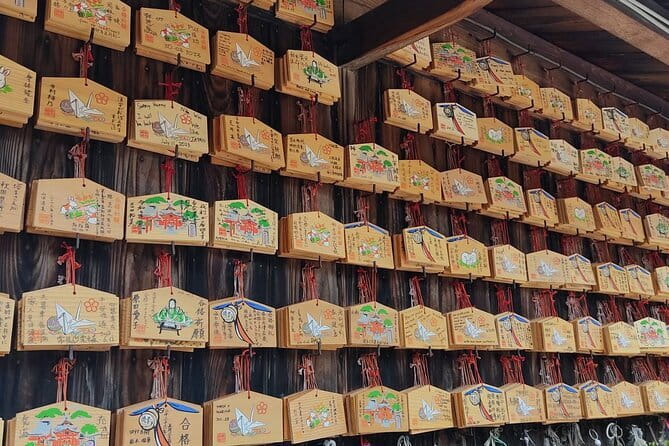
This is a walking tour with a duration of about 4 to 9 hours, depending on how long you want at each stop and how you move between them. The schedule includes travel time back and forth, so you’re not guessing how much of your day disappears into transit.
A big value item is the Kyoto Bus/Metro 1-day pass included with the tour. It does not cover JR, Keihan, Hankyu, Randen, or Kintetsu lines, so you’ll still want to pay attention to route planning on your phone. But for a day built around buses and subway links, it can save you from buying separate tickets.
The tour also operates during weekday hours (Monday through Friday, 8:00 AM to 8:00 PM). If you’re planning a trip that’s tight on days, that’s worth noting so you can match your Kyoto timetable.
Stop 1: Kinkakuji (Golden Pavilion) and what to look for
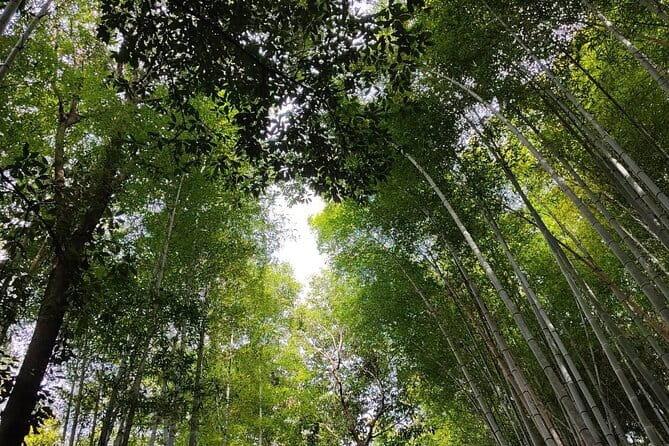
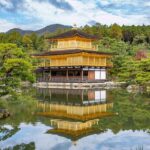
Kinkakuji is one of those places that’s famous for a reason. The Golden Pavilion is a Buddhist temple, and the surrounding garden creates a built-in “slow down” moment—even if the crowds are there.
You’ll have about 45 minutes here, and the admission ticket is not included. That means you should mentally budget for entry fees at Kinkakuji before you arrive, so it doesn’t become an awkward surprise in the line.
A good guide makes this stop more than a photo checkpoint. You’ll get short notes to help you understand what you’re seeing: how the pavilion, buildings, and garden layout work together, and what other areas nearby can add to your visit. If you’re the type who likes to know why a place is designed the way it is, this is a strong start.
Practical tip: if you want photos without turning your day into a waiting game, don’t just aim for the most obvious angle. Ask your guide where the best viewpoints are, then take a few minutes to walk the edges of the area around your viewpoint.
Stop 2: Fushimi Inari-taisha and the Senbon Torii plan
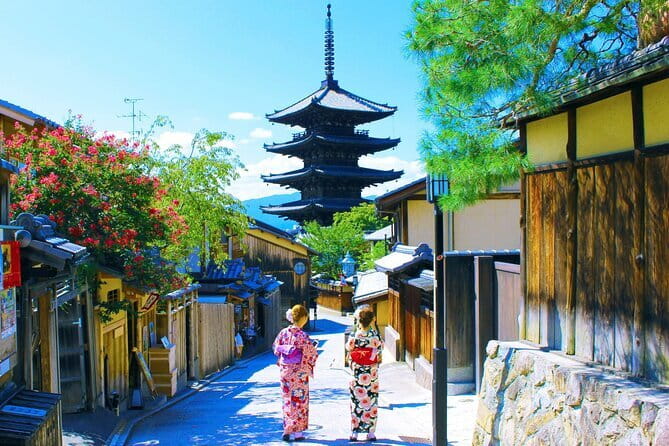
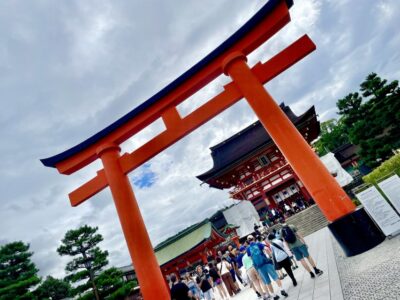
Next up is Fushimi Inari-taisha, famous for its Senbon Torii gates—hundreds of orange gates that create a tunnel effect as you walk through. This stop is free, and you’ll get about 1 hour.
This shrine is also more than a scenic walk. It’s known for prayers tied to things like good business luck, safe child growth and birth, romance, and a good harvest. You don’t need to memorize the meanings, but knowing what people come for helps you read the atmosphere differently.
The torii lines can be intense at peak hours. What helps is timing and movement strategy—how far you go in, when you pause, and where you stand for photos. Having a guide helps you avoid wasting time circling around when you could be walking in the direction that best fits your goals.
One more practical point: it’s a walking experience, so comfortable shoes matter. Even if this stop sounds like sightseeing, your legs will do most of the work.
Stop 3: Kiyomizu-dera, plus Higashiyama streets that frame it
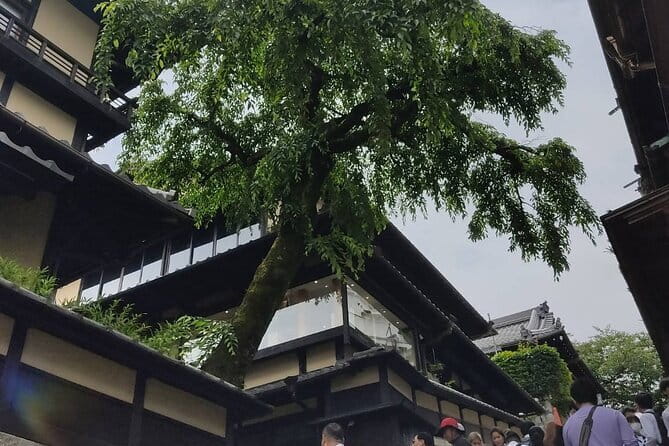
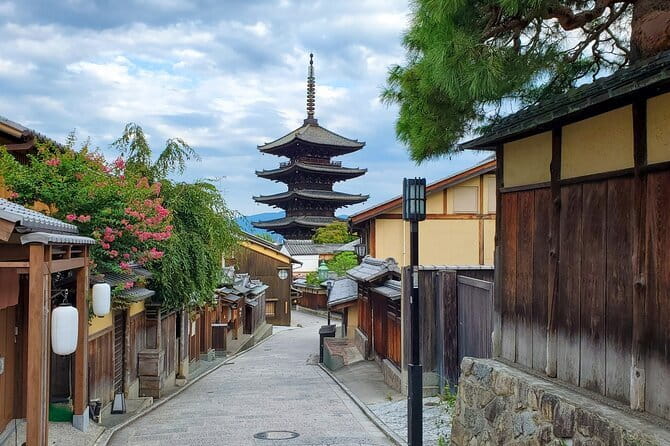
Kiyomizu-dera is a temple that feels tied to Kyoto’s identity. It sits in the preservation area of Higashiyama, and that matters because you’re not just walking to a building—you’re walking through a whole historic street environment.
You’ll spend about 1 hour here, and admission is not included. So again, budget for entry tickets when planning your day.
What you’ll appreciate is the way this stop connects to nearby streets: Sannenzaka and Ninenzaka are nearby, and Gion Hanami Kohji is also in the area. These streets are part of why Kiyomizu-dera is such a memorable stop. If you only focus on the temple structures, you miss half the experience.
This is also a good moment to ask for photo help. The tour includes free picture support when you ask, and Kiyomizu-dera’s viewpoints and steps are exactly the kind of place where it’s hard to get a clean shot while you’re managing your own camera.
Consideration: Kiyomizu-dera can mean crowds plus hills plus stairs. If you want a slower pace here, speak up early. The tour is private and should flex with you.
You can also read our reviews of more private tours in Kyoto

Stop 4: Nanzen-ji Zen temple, where you can breathe
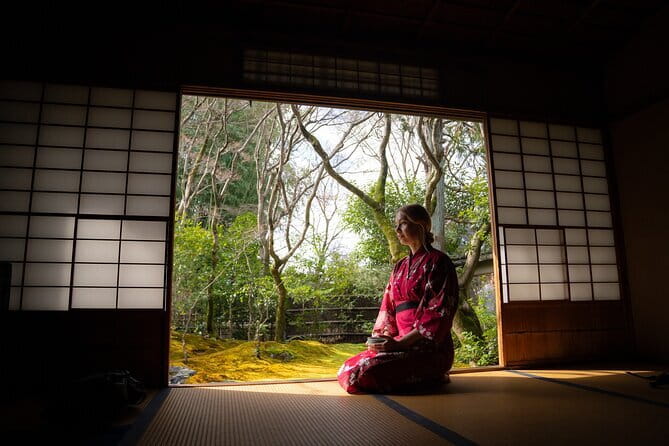
After the big icons, Nanzen-ji is the calmer gear shift. The temple was founded by Kameyama Emperor after the Mongolian invasion, and the guide’s notes can help you connect the place to that story and the Zen tradition that grew from it.
This stop also lasts about 1 hour, and admission tickets are not included. Even if you’re paying entry, this is usually the kind of stop where the time feels worth it because it changes the tone of the day.
What’s special here is the balance of Zen atmosphere and garden design. There’s a dry garden, and there’s also a garden in the villa of Kameyama Emperor. If your mind feels tired from Torii gates and busy temple courtyards, this is the point where the day slows down and you notice details like spacing, quiet corners, and the way gardens shape movement.
A guide can also help you pick where to spend your minutes. You’ll likely get different viewpoints depending on where you stop, so don’t treat Nanzen-ji like a quick pass. Ask for a suggested route that matches your energy level.
Stop 5: Nishiki Market for snacks and local shopping mood
Nishiki Market is where Kyoto becomes sensory. It’s known as a shopping district where locals used to buy food for their tables, and today it’s a market with lots of food, drinks, and atmosphere.
You’ll have about 30 minutes here, and it’s free. That short time is intentional. Nishiki can expand into a long hang, and you may start skipping what you wanted to see next. With a guided plan, you get the market feeling without losing the rest of the day.
This is also a good “reset” point. If you didn’t eat lunch earlier, use this as your chance to grab something quick—just remember lunch and snacks are not included in the tour package. So keep a little cash or a payment method handy, because you’ll almost certainly want to try at least one item.
Practical approach: pick one thing to eat, one drink, and one item to bring back. Otherwise, Nishiki turns into decision fatigue.
Price and value: what $130.06 buys you (and what it doesn’t)
The price is $130.06 per person, and it’s a private tour. That sounds like a lot until you break down what you’re paying for: an in-person English guide, a customized plan, and built-in navigation between several major Kyoto areas.
You’re also not paying for private transportation—so you’ll rely on walking and the included Kyoto Bus/Metro 1-day pass. If you already planned to use buses or metro that day, that inclusion improves the value.
Where the value is obvious:
- Your day is tailored: you’re not stuck with a generic script
- You get photo help: you can ask for quick picture support
- You can stop early: flexibility in Kyoto is worth money
Where the value is less “all inclusive”:
- Temple entry fees are not included for key stops like Kinkakuji and Kiyomizu-dera (and Nanzen-ji)
- Lunch and snacks are not included
- Private transportation is not part of the package
If you want everything included and zero decisions, this may feel like an in-between option. But if you like being guided without paying for a chauffeur, it’s a fair deal—especially for a first Kyoto day.
The best match: who should book this tour
This tour is a great fit if you want:
- A private English guide who can steer your day toward what you care about
- A balanced route that mixes big-name temples with a more reflective Zen stop
- A plan that supports walking, but doesn’t force you to endure it without help
It’s also a solid choice for families. One review described an enjoyable private day for the whole family, with customization even when the weather was less than ideal. Even if you’re not traveling with kids, that flexibility is a plus if your energy level changes mid-day.
If you hate crowds, you can still do this, but you should be realistic: Kinkakuji and Fushimi Inari are popular. What saves you is having a guide to help with pacing and photo timing.
Who might want a different option
You might want to skip this style if:
- You want all admission, meals, and transport fully bundled with no extra payments
- You prefer to wander on your own with a phone app and no guide input
- Your physical comfort is low for stairs and longer walking stretches
The tour notes mention moderate physical fitness is recommended. Kyoto is not flat, and a “temple day” adds stairs even when you try to keep your pace gentle.
Should you book this Kyoto private walking tour?
Yes—if you want Kyoto with less stress and more meaning. The mix of Kinkakuji, Fushimi Inari-taisha, Kiyomizu-dera, Nanzen-ji, and Nishiki Market covers the Kyoto “greatest hits,” but the private, customized format keeps it from feeling like a stamp-collecting exercise.
Book it if you value real guidance, not just directions. Sho’s ability to tailor topics—like a sword-focused angle—shows the guide can meet you where your interests are.
Skip it if you’re expecting a fully all-inclusive day with no extra fees. Plan for temple admissions at the stops that require them, and budget for lunch/snacks on your own.
FAQ
FAQ
How long is the Private Customized Walking Tour in Kyoto?
The tour runs for about 4 to 9 hours, depending on pacing and how long you spend at each stop. The schedule also includes travel time back and forth.
Is this tour really private?
Yes. It’s a private tour/activity, so only your group participates.
Do I get picked up, and where does the tour end?
Pickup is offered. The tour ends back at the meeting point.
What’s included in the price?
You get an itinerary with short notes, free photo support when you ask, an English in-person guide, and a Kyoto Bus/Metro 1-day pass. The pass does not include JR, Keihan, Hankyu, Randen, or Kintetsu lines.
Are temple or market tickets included?
Admission tickets are not included for Kinkakuji Temple, Kiyomizu-dera Temple, and Nanzen-ji. Fushimi Inari-taisha and Nishiki Market Shopping District are free.
What if the weather is poor or I need to cancel?
The experience requires good weather. If it’s canceled due to poor weather, you’ll be offered a different date or a full refund. You can cancel for a full refund up to 24 hours in advance.