REVIEW · KYOTO
Kyoto: Kaiseki Dinner at a Historical Townhouse
Book on GetYourGuide →Operated by Tondaya, Co., Ltd. · Bookable on GetYourGuide
Kyoto dinner in a 140-year-old townhouse.
What makes this one stand out is the two-part flow: first you’re guided through Tondaya, a machiya cultural property, then you settle in for a full Kyoto-style kaiseki meal with a garden view. I especially like how the menu is made for the season and the occasion, and that they handle dietary requests like vegan, gluten-free, and halal. One thing to keep in mind: the experience is only about 2 hours, so if you want very slow pacing and lots of back-and-forth explaining in English, you may want to ask questions early.
This is a great choice when you want Kyoto that feels real, not staged. The staff bring training across traditional arts like kimono, tea ceremony, calligraphy, and ikebana, which helps the visit feel tied together instead of feeling like just dinner. Just remember it’s not wheelchair-friendly, and you’ll be in socks inside—bare feet are not allowed.
In This Review
- Key highlights to know before you go
- Entering Tondaya: Kyoto’s 140-Year-Old Townhouse Welcome
- Inside the Machiya Tour: What You’ll Notice First
- Seasonal Kaiseki Served With Garden Light
- Dietary Options (Vegan, Gluten-Free, Halal) Without Stress
- Is the $141 Price Fair for This Kyoto Setup
- Practical Stuff That Makes or Breaks the Evening
- Should You Book This Kaiseki Dinner in Kyoto’s Tondaya?
- FAQ
- How long is the Kyoto kaiseki dinner experience?
- What’s included in the price?
- Are drinks included?
- Can I request vegan, gluten-free, or halal options?
- Do I need to bring socks, and are bare feet allowed?
- Where do we meet?
- Is this experience wheelchair accessible?
- What languages are offered?
- When is Tondaya closed, and are there holiday surcharges?
Key highlights to know before you go
- 140-year-old machiya tour first, dinner second, so you get context before the food arrives
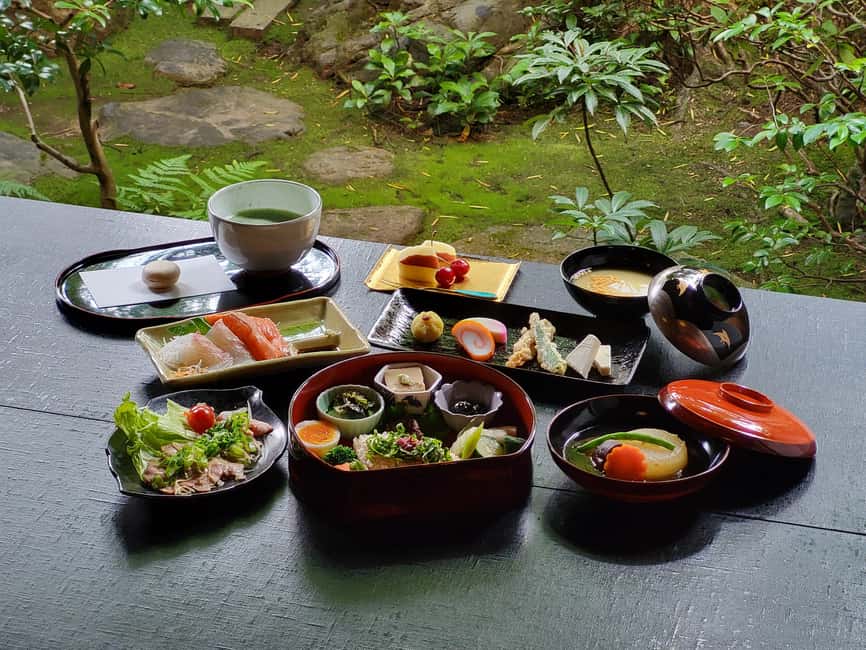
- Kyoto-style kaiseki made by a seasoned Kyoto chef, adjusted for season and occasion
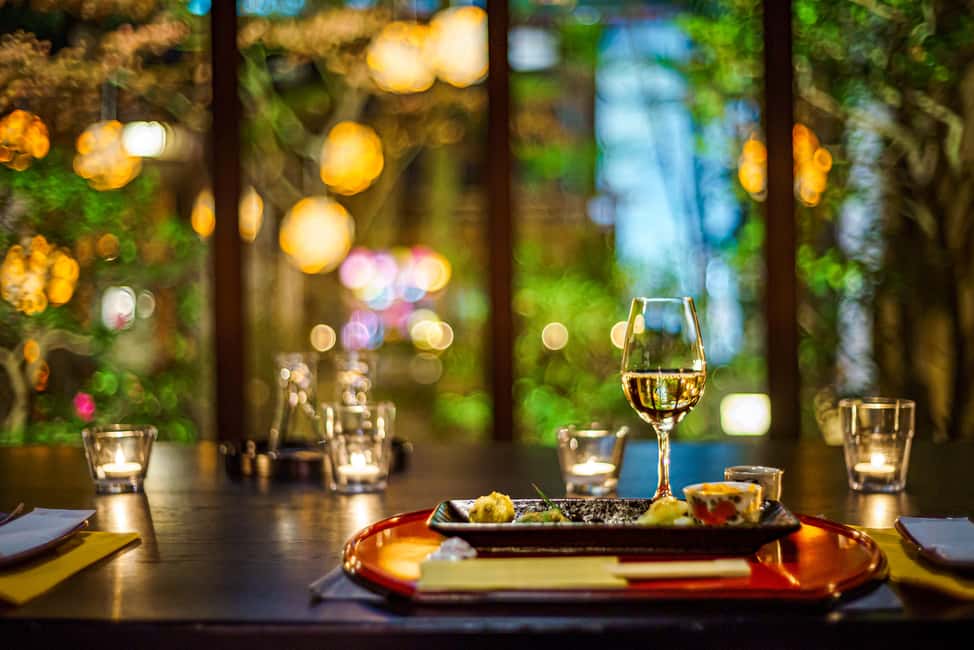
- Illuminated garden views while you eat, with low, gentle lighting in a historic home
- Dietary options on request: vegan, vegetarian, gluten-free, and halal
- Traditional-art staff background in kimono, tea ceremony, calligraphy, and ikebana
Entering Tondaya: Kyoto’s 140-Year-Old Townhouse Welcome
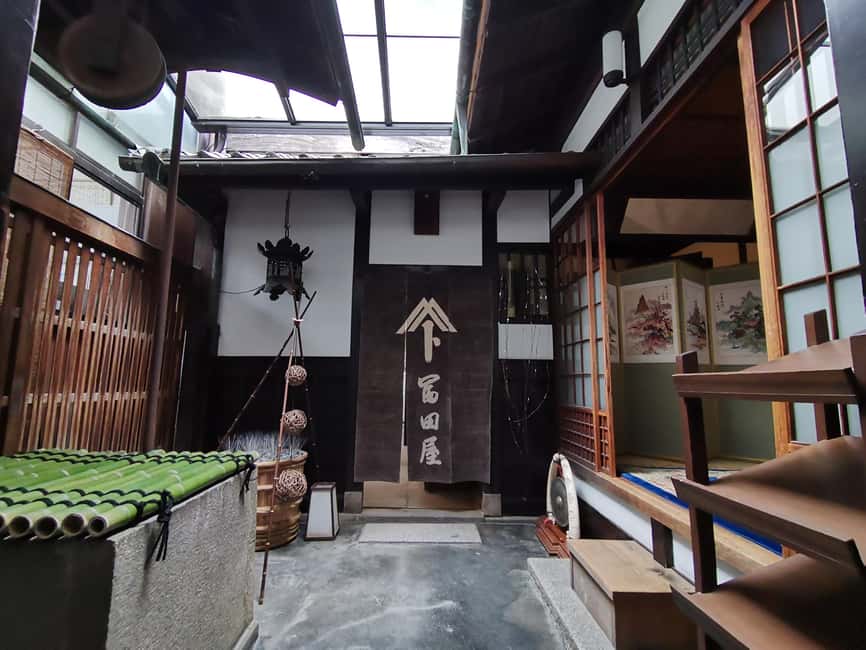
Your evening starts at Tondaya, a 140-year-old machiya (traditional Kyoto townhouse) recognized as a culturally significant landmark by the Kyoto City Government. That matters because you’re not just being seated somewhere pretty. You begin in the building itself, with the staff guiding you through what makes the space important and worth protecting.
From the start, the tone is respectful and quiet. This kind of setting has rules, and you’ll feel them right away: you’ll need to follow the sock-only, indoor footwear expectations, and the schedule runs with intent. If you like experiences where the atmosphere is part of the point, this will click fast.
You can also read our reviews of more historical tours in Kyoto

Inside the Machiya Tour: What You’ll Notice First
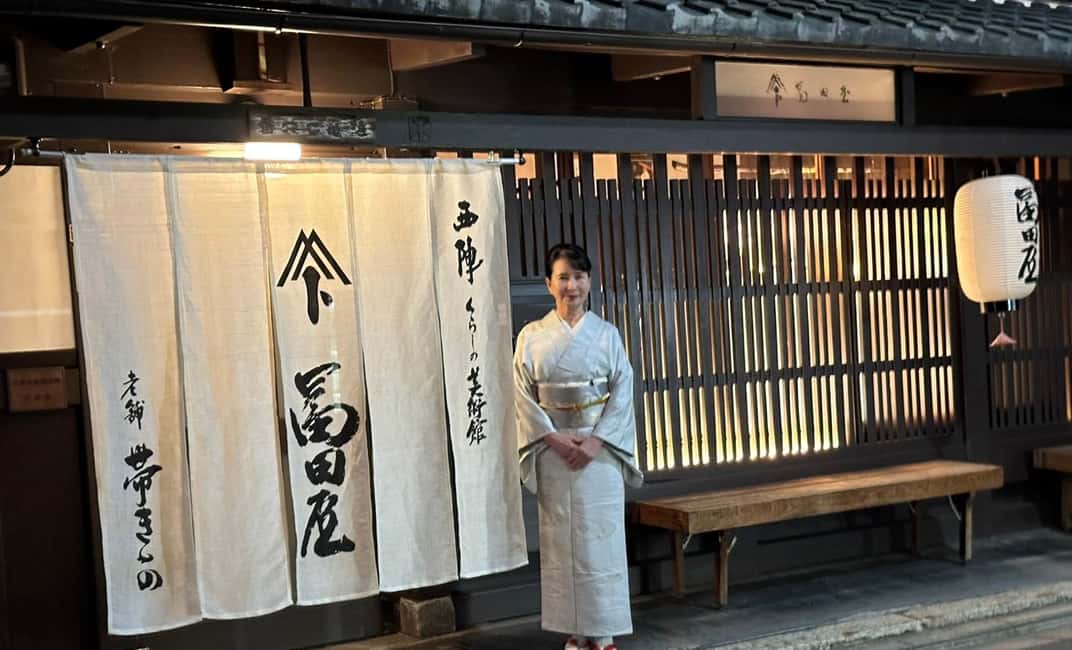
The visit inside Tondaya focuses on the townhouse as a cultural property. You’ll be shown historically valuable features and hear the stories connected to the home and its past role in Kyoto life. The staff are experienced in several traditional arts—kimono, tea ceremony, calligraphy, and ikebana—so even when language is imperfect, you’ll usually sense the care behind the explanations.
Language can be a practical concern. The host or greeter is available in English and Japanese, but not every staff member may speak English fluently. The good news: they’ll do their best to arrange an interpreter, and a translation device may be used when needed. If you have dietary restrictions or you’re hoping to ask about meaning behind specific elements, plan to communicate clearly at the start rather than waiting until dinner.
Also note the pace: the experience is designed to move from house tour to meal within a tight 2-hour window. That’s not bad—just realistic. If you’re the type who loves stopping, looking, and asking follow-up questions for a long time, be ready to speak up early.
Seasonal Kaiseki Served With Garden Light
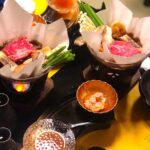
After the townhouse visit, you’ll move into your dinner portion and be served an authentic Kyoto-style kaiseki meal. Kaiseki is all about sequence and balance—small courses that build in flavor, texture, and visual presentation. Here, the chef selects ingredients and adjusts the menu based on the season and the occasion, which is a key Kyoto habit: food should match the time of year, not fight it.
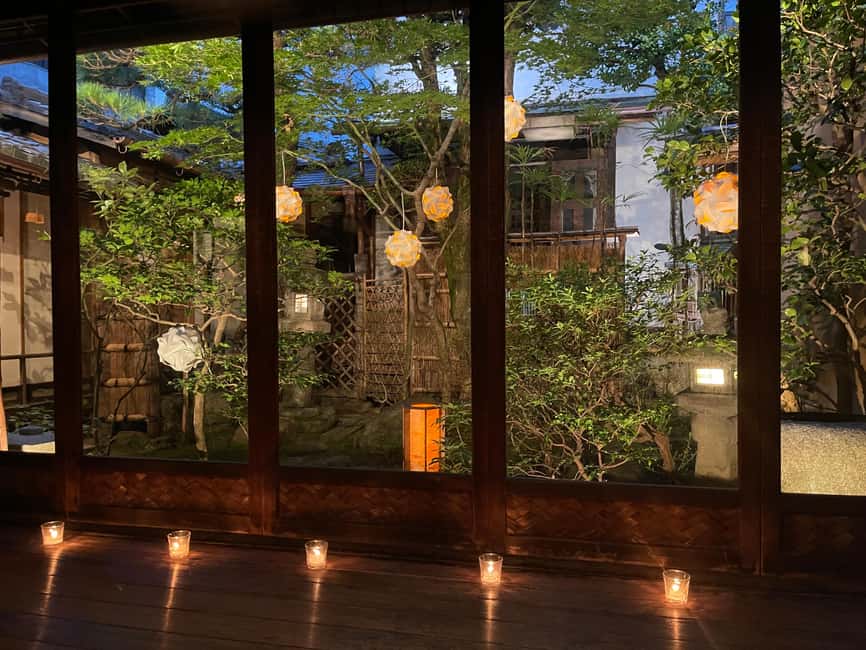
The setting during dinner is half the experience. While you eat, you’ll look out at a beautifully illuminated garden. That soft lighting does two things well: it makes the meal feel intimate, and it keeps the focus on the food rather than on a loud restaurant scene. The result is the kind of evening where you can actually taste and notice what’s happening between courses.
The meal is included, and it’s multi-course—so plan to treat this as dinner, not a quick snack. You’ll likely be seated in a traditional indoor layout, and because it’s a structured cultural setting, you’ll want to stay present rather than multitasking.
Dietary Options (Vegan, Gluten-Free, Halal) Without Stress
This is one of the most reassuring parts of the experience. You can request vegan, vegetarian, gluten-free, and halal options ahead of time. That’s a big deal for kaiseki, because menus can depend heavily on stock, seasonal garnishes, and small ingredient decisions.
Here’s what will help you get the best result:
- Inform Tondaya in advance about any allergies and dietary restrictions.
- Make sure your request includes the details you care about most (for example, gluten and cross-contact concerns for gluten-free).
- Arrive on time. If you run late, the whole timing of a multi-course meal can get squeezed.
Also, the experience encourages cultural etiquette—so expect a calm pace and polite service rather than a high-speed, restaurant-style flow. If you prefer everything explained slowly and in depth, ask your host for clarification early so the chef’s course logic makes sense to you as it unfolds.
Is the $141 Price Fair for This Kyoto Setup
At $141 per person for a 2-hour experience, this isn’t the cheapest dinner in Kyoto. But it’s not overpriced in the way “pretty dinner” options sometimes are either.
Why the value feels fair:
- You’re paying for a traditional kaiseki meal, not just a set entrée.
- You also get entrance to a cultural landmark (the machiya tour).
- You’re included with the garden view and the historic interior atmosphere, which is part of how the dinner is designed to be experienced.
- Additional drinks are not included, which actually helps the price stay focused on the meal and setting.
If you were going to do a kaiseki meal anyway, the house visit changes the equation. You’re getting context—why the space matters—then you get the food experience tied to that setting.
If your priority is only eating (not the atmosphere or cultural tour part), you might find cheaper kaiseki-style options. But if you want Kyoto that feels grounded in place, this setup pays off.
You can also read our reviews of more tours and experiences in Kyoto
Practical Stuff That Makes or Breaks the Evening
A few rules can matter more than you’d think with a machiya dinner.
Socks are required. The experience says to bring socks, and bare feet are not allowed. Also, avoid wearing stockings or tights. Simple plan: wear comfortable socks you don’t mind getting a bit warm.
Foot comfort matters too. Because this isn’t a shoe-in, shoe-out restaurant, think about what you’ll be comfortable doing while seated indoors.
Accessibility is limited: it’s not suitable for wheelchair users. If mobility is a concern, you’ll want to choose a different experience.
Timing wise, arrive on schedule. The experience starts with the townhouse tour and then moves into dinner, and it’s designed to finish in one smooth evening block.
Should You Book This Kaiseki Dinner in Kyoto’s Tondaya?
I’d book this if you want an evening that blends Kyoto architecture, a guided townhouse visit, and a chef-led kaiseki meal in the same flow. It’s especially a strong fit for special occasions, business dinners, or travelers who like structure and etiquette as part of the fun.
Skip it if you need long free time, heavy accessibility, or a very casual, no-rules dining experience. Also consider it carefully if you’re hoping for a super slow, deeply conversational pacing in English throughout—language can vary, and the schedule is built to run.
If you’re choosing one “Kyoto dinner with meaning” evening, this is the kind that tends to leave you thinking about both the food and the space.
FAQ
How long is the Kyoto kaiseki dinner experience?
The experience lasts about 2 hours, including the guided townhouse visit and then the multi-course kaiseki meal.
What’s included in the price?
Your ticket includes a traditional Kyoto kaiseki meal, entrance to the cultural landmark (Tondaya), and a view of the illuminated garden during dinner.
Are drinks included?
No. Additional drinks are not included.
Can I request vegan, gluten-free, or halal options?
Yes. You can request vegan, vegetarian, gluten-free, and halal options. Be sure to inform Tondaya in advance, especially if you have allergies.
Do I need to bring socks, and are bare feet allowed?
You should bring socks, and bare feet are not allowed. Also, you’re asked to refrain from wearing stockings or tights.
Where do we meet?
The meeting point may vary depending on the option you book.
Is this experience wheelchair accessible?
No. It’s not suitable for wheelchair users.
What languages are offered?
The host or greeter is available in English and Japanese, and an interpreter or translation device may be used when needed.
When is Tondaya closed, and are there holiday surcharges?
Tondaya is closed on December 31 and January 1. From December 28 to January 5 (excluding the closed days), there’s a 30% holiday surcharge on experience fees.