REVIEW · KYOTO
Private Dinner with a Geisha
Book on Viator →Operated by WaRaiDo Guide Networks · Bookable on Viator
Gion does not open this way every night. In about 3.5 hours, you start near the Minamiza Kabuki Theatre and get real time with a geiko or maiko, including dinner conversation and in-room entertainment you usually only see from afar. This is the kind of Kyoto experience that feels rare because it’s built around private access and etiquette.
My favorite part is the human scale. I love how the evening is centered on talking with a geiko or maiko—questions, stories, and small moments that make the culture feel personal, not staged. I also like the kaiseki approach: multiple courses, often fish and seasonal vegetables, served in a traditional Kyoto style that matches the setting.
One consideration: the dinner is a set, traditional experience. If you’re picky or need strict dietary limits, a fixed kaiseki menu can be tough, and some rooms may feel active enough that you don’t hear every word during the walk.
In This Review
- Key things you’ll remember from this geiko dinner
- Why this Kyoto dinner feels different from the usual Gion stop
- Meeting by Minamiza: what to do at the 5:00 pm start
- The Gion walk: your guide turns streets into context
- Kaiseki dinner in a private room: what you’re actually paying for
- Tea house option: drinks included, plus more atmosphere
- During dinner: conversation, music, dances, and the rhythm of Q&A
- The biggest value drivers: guide, access, and respectful etiquette
- Price and value: what $381.49 per person is buying you
- Who should book this (and who should plan carefully)
- Should you book Private Dinner with a Geisha?
- FAQ
- Where does the tour start?
- What time does the experience begin?
- How long is the experience?
- What’s included in the price?
- Do I get drinks?
- Is this a private tour?
- Can you accommodate dietary requirements?
- Is there a minimum drinking age?
- Is this experience refundable if I cancel?
Key things you’ll remember from this geiko dinner
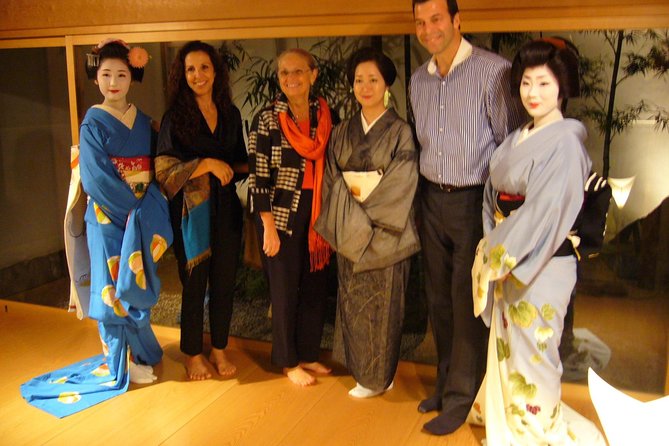
- A private dinner with a geiko or maiko plus singing, music, and dancing during the meal
- A guided Gion walk led by an English-speaking guide (names like Mia, Mie, Miyah, and Mei show up often in feedback)
- Kaiseki meal in a Japanese restaurant or tea house, usually half or full-course
- Performance + conversation in the same space, with Q&A and games that keep it flowing
- Private tea house option adds drinks (sake and beer, for those of age)
Why this Kyoto dinner feels different from the usual Gion stop
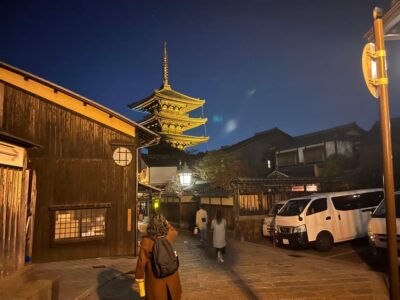
Kyoto’s Gion can look like a postcard at dusk, but most experiences stay outside the fences—photo spots, souvenir lanes, and quick explanations. This one is built around a dinner where the culture happens at the table.
What makes it feel special is the pairing of three elements: a short guided walk to set context, a traditional meal, and then in-room entertainment with a geiko or maiko. You’re not just watching. You’re learning how the profession works, how the evenings are structured, and what guests should (and shouldn’t) assume.
Also, the format is designed for focus. Your tour is described as private, with only your group participating, and it uses a meeting point in the Shijo area that’s easy to reach once you know where you’re going.
You can also read our reviews of more private tours in Kyoto

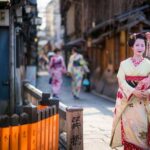
Meeting by Minamiza: what to do at the 5:00 pm start
The evening begins at 5:00 pm outside the Minamiza Kabuki Theatre, in front of the main gate facing Shijo street. The tour description is specific here because the timing matters: you’re meeting, then moving into Gion while the light is shifting.
Practically, arrive a few minutes early and plan to be ready to walk right away. You’ll want your phone charged for directions and any photos you’re hoping to take later. Since this starts in a lively area, I recommend wearing comfortable shoes. The walk portion is short, but Gion streets are still uneven in places.
You’ll end back at the meeting point, so it’s not a one-way route where you’re left to figure out transit after dinner.
The Gion walk: your guide turns streets into context
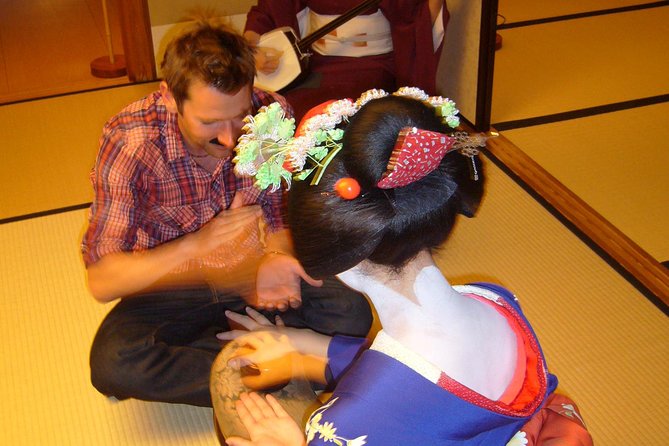
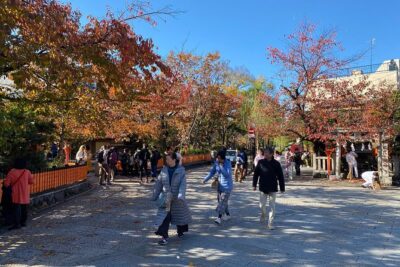
Before dinner, you’ll take a guided walk through Gion, Kyoto’s geiko district. If you choose options beyond the casual dinner, the walk is paired with a visit to a private venue afterward—so the walking time acts like a primer.
What I like about this part is that it’s not just pointing at old buildings. The guide’s job is to explain the realities and myths around geiko and maiko life—why certain customs exist, how performance works, and what etiquette helps make the evening respectful on both sides.
From the feedback that repeats across different bookings, English interpretation is usually a big part of the value. Guides such as Mia (and others with similar roles) are described as friendly, funny, and very ready with answers—questions included. One practical point: the walk is usually where you’ll get the most context for what you’ll see during the meal.
A small caution: if your dining group is larger than you expected, the overall sound level can make it harder to hear details during the walking portion. You can solve this by staying closer to your guide and not drifting behind the group.
Kaiseki dinner in a private room: what you’re actually paying for
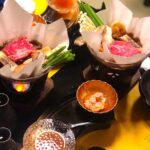
This experience includes dinner in either a Japanese restaurant or a private tea house (depending on the option you select). You’ll have a half or full kaiseki meal, served as multiple courses. The description notes tempura, seafood, and vegetables, which signals a seasonal, traditional approach rather than a Western-style menu you can customize.
That’s the core of the value. You’re paying for:
- the meal served in a traditional format,
- the private room setup,
- and the presence of a geiko or maiko who stays engaged during the dining and entertainment portion.
Many reviews highlight that the food is a big part of why the evening works. But I also want to flag something honest: kaiseki tends to be built around fish and traditional ingredients. If you’re vegan or vegetarian, or if you avoid seafood for medical or ethical reasons, you should treat the dinner as potentially limited in flexibility.
The operator specifically asks you to advise dietary requirements at booking, but multiple experiences described a fixed, traditional menu. If you have strict needs, message your requirements clearly at checkout time and be prepared for the possibility that substitutions are limited.
If you’re curious and adventurous, bring that appetite. Kaiseki is paced to match the evening’s tone—so go hungry and slow down with the courses.
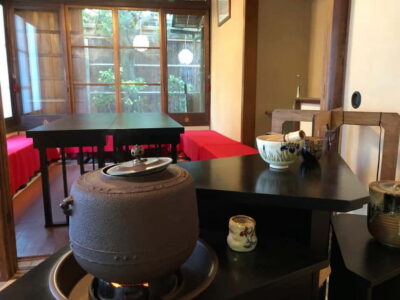
Tea house option: drinks included, plus more atmosphere
If you select the private tea house option, the dinner includes drinks: sake and beer. That’s a real value add if you plan to drink anyway, because the tea house setup tends to make the whole experience feel more ceremonial.
One practical note: Japan’s legal drinking age is 20, so if you’re booking for a group, you’ll want to make sure everyone who plans to drink meets the minimum age requirement.
Even if you don’t drink, the tea house option can still be worth it for the setting. A traditional room changes how you experience the performance—less like a show restaurant, more like a curated private evening.
You can also read our reviews of more tours and experiences in Kyoto
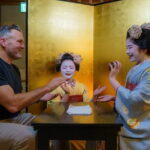
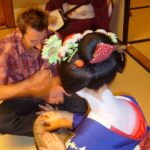
During dinner: conversation, music, dances, and the rhythm of Q&A
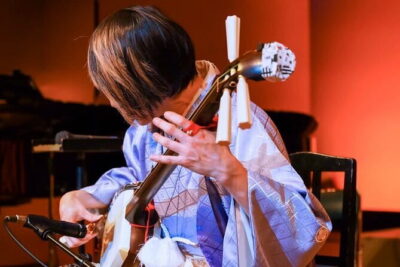
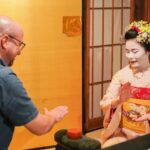
While you eat, a geiko, maiko, or both will entertain you with singing, musical instruments, and dancing. Dinner-time entertainment is part of the included package, so it’s not something you have to hunt for after dessert.
From the details in feedback, you can also expect interactive moments. Many experiences describe Q&A, games, and a playful tone where the geiko or maiko explains things directly and answers questions with the guide translating.
You may also notice that the room limits how much movement the performer can do. Some reviews describe the performance as brief or constrained by the small space. That doesn’t necessarily mean it’s disappointing—it just means your expectations should be realistic. Think of this as conversation and performance inside a small, controlled setting, not a stage show with big choreography.
If you’re hoping for photos: you might be able to take pictures during the evening, and several accounts mention being able to capture memorable moments. To keep it respectful, let your guide handle any timing and cues.
The biggest value drivers: guide, access, and respectful etiquette
The tour includes a professional guide, and the guide role is doing a lot more than translating. A strong guide helps you understand what you’re looking at, and how to behave so the experience stays smooth for everyone.
Several repeated themes show up in the feedback:
- Guides are often described as warm and very willing to answer questions.
- The walk-to-dinner flow helps you understand the profession before entertainment begins.
- The geiko or maiko’s engagement is a major reason people feel it was worth the price.
There’s also an important etiquette piece. The operator explains that the geiko/maiko world involves traditions not open to the public, and they can refuse service if someone does not show proper respect. If that happens, the tour can be canceled without refund.
So if you want this to go well, bring a calm attitude, dress neatly, and treat the evening like a cultural appointment, not a nightlife outing.
Price and value: what $381.49 per person is buying you
At $381.49 per person, this isn’t a casual Kyoto dinner. The value only makes sense if you want the specific elements this includes:
- private access to geiko or maiko time during dinner,
- guided context in Gion,
- and kaiseki served in a traditional format,
- plus the performance portion included at dinner time.
This also helps explain why many people book fairly far in advance (the average booking time is listed at 38 days). The experience is limited by availability and the complexity of scheduling an evening like this.
If you’re trying to decide between options at checkout, think about what you want to maximize:
- If you want the biggest “once-in-a-lifetime” feel and plan to drink, the private tea house choice can add value through included sake and beer.
- If you’re mainly after conversation and performance, the restaurant options can still deliver, but you should be realistic about the traditional food format.
Who should book this (and who should plan carefully)
This works best if you want an evening with structure and meaning—someone guiding you through Gion, then setting you up for conversation and entertainment in a traditional setting.
Book it if:
- you’re excited to meet a maiko (apprentice) or geiko and ask questions,
- you’ll enjoy kaiseki-style dining,
- and you want a respectful, guided cultural experience rather than a stop-and-go photo tour.
Consider another option if:
- you need strict dietary accommodations (especially seafood-free or fully vegetarian/vegan),
- you dislike fixed menus,
- or you expect a long, flexible show format with lots of performer movement.
Also, this is listed as suitable for most people, and it’s a private tour/activity with only your group participating—so it’s a strong fit for couples and small families who want a guided night out.
Should you book Private Dinner with a Geisha?
If you’re choosing one “Kyoto night” that should feel special, I’d lean toward booking—especially if you want that rare combination of Gion context + private geiko/maiko conversation + in-room performance. The pricing stings a bit, but the elements included are not a generic dinner package.
Just go into it with two smart expectations. First, treat the kaiseki as part of the experience, not an interchangeable meal. Second, bring respectful patience: this is a traditional setting with etiquette, and small room constraints can make performances feel shorter than a theater production.
If your dietary needs are strict, confirm them carefully at booking and be ready to adjust. If you’re adventurous with food and excited to ask questions, this is the kind of Kyoto evening that tends to land as the trip highlight.
FAQ
Where does the tour start?
It starts at 198 Nakanochō, Higashiyama Ward, Kyoto 605-0075, and the meeting point is described as being in front of the main gate of the Minamiza Kabuki Theatre facing Shijo street.
What time does the experience begin?
The start time is 5:00 pm.
How long is the experience?
The duration is approximately 3 hours 30 minutes.
What’s included in the price?
Included are a professional guide, dinner, geiko or maiko accompaniment, and a geisha dance performance during dinner time. If you choose the private tea house option, drinks are also included.
Do I get drinks?
Drinks are included only if you choose the private tea house option (sake and beer). Otherwise, drinks are available for purchase.
Is this a private tour?
Yes. It’s described as a private tour/activity, with only your group participating.
Can you accommodate dietary requirements?
You’re asked to advise specific dietary requirements at the time of booking. The dinner is described as a set kaiseki-style meal, so what can be changed may be limited.
Is there a minimum drinking age?
Yes. The minimum drinking age in Japan for included alcohol is 20.
Is this experience refundable if I cancel?
No. It’s listed as non-refundable and cannot be changed for any reason.