REVIEW · KYOTO
One Hour Geisha Show in Gion Kyoto
Book on Viator →Operated by GuideMe Japan · Bookable on Viator
Gion is easier to understand than you think. This one-hour show brings you face-to-face with a maiko and then wraps it with tea, a light snack, and a real Q&A so you’re not just watching pretty movement. I love the up-close performance (it feels personal, not distant), and I like that the experience keeps talking until you understand what you’re seeing. The one catch: it’s a curated show, so don’t come expecting to wander Gion and play geisha-spotting roulette.
What makes it especially appealing is the rarity factor. Kyoto has only about 40 maiko left, and this format is a more reliable way to experience geisha culture than waiting around for a random sighting on the street. You’ll also get a Japanese game lesson and a clear run-through of what’s happening, which most casual viewing misses.
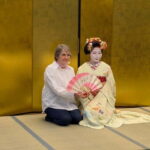
If you’re lucky, you’ll see a maiko performance like the one in a past session with Kosome-san, who did two dances, then Q&A, then played a game with the group. Either way, the end of the program includes a chance to take photos—handy if you want a souvenir that isn’t just a blurry street shot.
In This Review
- Key highlights you’ll actually care about
- Where the show happens: Gion’s “real-life” setting
- Enter the maiko world: watching up close in Gion
- The one-hour flow: dances, tea, and a light snack
- Q&A that explains what you’re seeing (and what you’re missing)
- The Japanese game: a fun way to learn by doing
- Photo time at the end: how to get good shots politely
- Price and value: is $79.26 worth it?
- Timing and logistics: a 4:00 pm plan that fits sightseeing
- Who this show is best for (and who should skip it)
- Should you book this One Hour Geisha Show in Gion?
- FAQ
- How long is the One Hour Geisha Show in Gion?
- What time does the show start?
- Where do I meet for the show?
- What’s included in the ticket price?
- Is there a Q&A and photo time?
- Can I cancel for a full refund?
- Is this show suitable for most people?
Key highlights you’ll actually care about
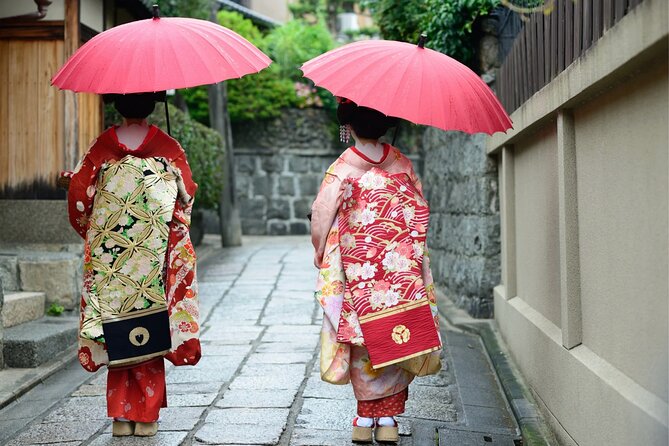
- Up-close maiko performance in Gion without the guessing game
- Tea and a light snack included during the show
- Q&A time to ask the questions you’d normally swallow
- A Japanese game so you do something, not only watch
- Photo time at the end so you know when to line up
Where the show happens: Gion’s “real-life” setting
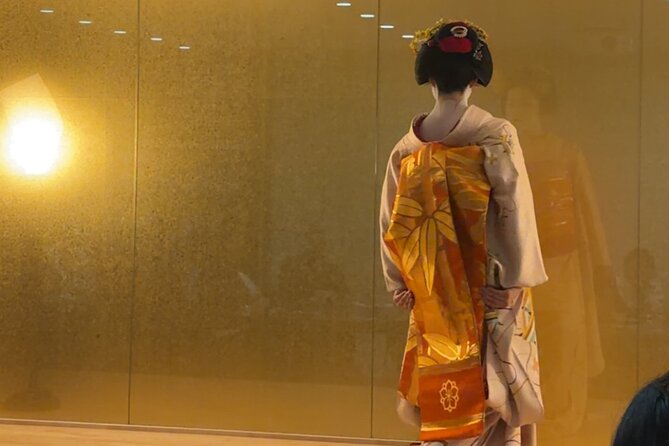
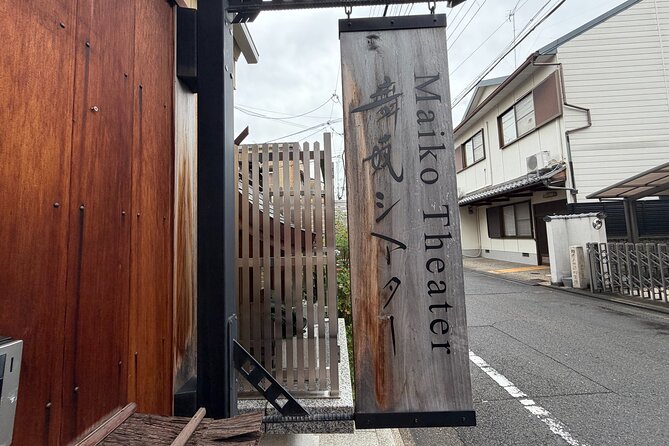
You’re meeting in Gion, Kyoto’s famous east-side district where the geisha and maiko world is most concentrated. The address is 302-2 Daikokuchō, Higashiyama Ward, Kyoto, 605-0832, Japan, and the activity starts at 4:00 pm. That late afternoon timing matters: the area is starting to shift into evening mode, which helps the whole experience feel more atmospheric.
The good news for your planning brain is that you’re not going on a long route. The show ends back at the meeting point, so you don’t lose time trekking across town with a stomach full of snack expectations.
You can also read our reviews of more tours and experiences in Kyoto


Enter the maiko world: watching up close in Gion
This experience is built around seeing a maiko perform up close, not from far away like you’re at a venue with stadium sightlines. You get to watch the apprentice geisha (maiko) in action, with the format designed so you can actually take in the details of movement and presentation.
That “rare” claim isn’t marketing fluff in your head once you’re there. Kyoto has only about 40 maiko left, and the show gives you a reliable pathway to meet that moment instead of spending your evening scanning for sightings.
One practical consideration: because it’s a scheduled show, the energy is more structured than street wandering. If your dream is to slip into Gion, blend in, and accidentally catch culture between buildings, this won’t scratch that itch. But if your goal is understanding and participation, it does a lot.
The one-hour flow: dances, tea, and a light snack
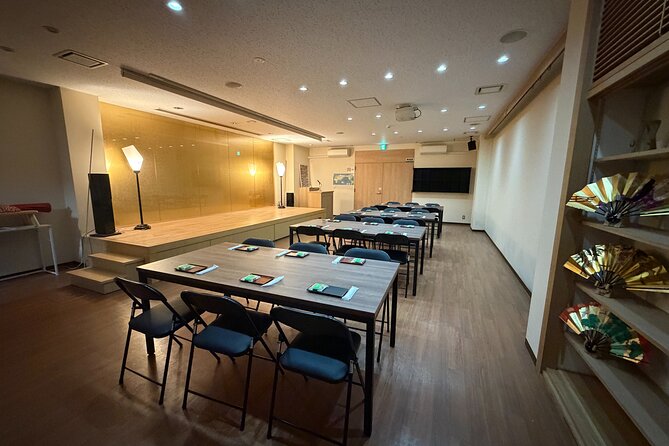
The core of the program is the live dance performance by the maiko/geisha tradition. You’ll watch traditional-style dances as part of the one-hour pacing, with the show deliberately designed to keep you oriented.
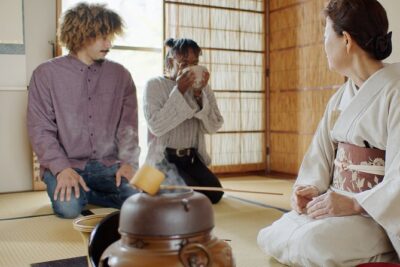
And yes, you get tea and a light snack included. That’s a real value point, especially in Kyoto where you can easily lose track of time while sightseeing. It also helps the show feel less like a “pay and sit” experience and more like a short, guided cultural moment you can actually enjoy without getting hungry.
No big meal is promised here, so treat the snack as a nice add-on rather than a dinner replacement. If you’re coming straight from a late day of walking, you’ll likely feel grateful for the tea and something small to eat.
Q&A that explains what you’re seeing (and what you’re missing)
This is where the experience earns its high ratings. There’s a Q&A segment, and it’s set up to answer the kind of questions most people never get around to asking. The point isn’t just to hear facts; it’s to connect the performance to meaning and context.
I like this because it turns “I watched a dance” into “I understand what I noticed.” You can ask about the experience and the culture being shown, and you’ll get clearer answers than you’d get from quick glances at photos or captions.
In a past session, one maiko named Kosome-san followed dances with Q&A before moving into the game portion. That pacing is useful: you’re not left trying to interpret everything after the music stops. You get the human explanation while it’s still fresh.
The Japanese game: a fun way to learn by doing
You don’t just sit through the cultural performance. The program includes learning how to play a Japanese game and then playing as part of the group.
This might sound like an extra, but it’s actually a strong teaching tool. When you’re doing something with your hands and attention, you remember how the moment felt—and you pick up the cultural “how” behind the experience. It also gives the show a lighter, social tone after the more formal dance segment.
If you’re the type who learns best through participation, this part is a big plus. And if you’re not, it still works because the game is short and tied directly to the flow of the hour.
You can also read our reviews of more tours and experiences in Kyoto



Photo time at the end: how to get good shots politely
At the end, you’ll have the opportunity to take photos. The timing matters because it’s after the main performance and Q&A, so the energy is clear: this is when photos happen, not when you should guess.
A practical tip: treat photo time like a mini line-up window, not a long photo session. Move when it’s your turn, keep your expectations reasonable, and focus on getting one or two solid images rather than trying to capture everything at once.
If your main goal is a souvenir, this is a better setup than trying to photograph from street distance where you might feel awkward—or miss the best angle anyway.
Price and value: is $79.26 worth it?
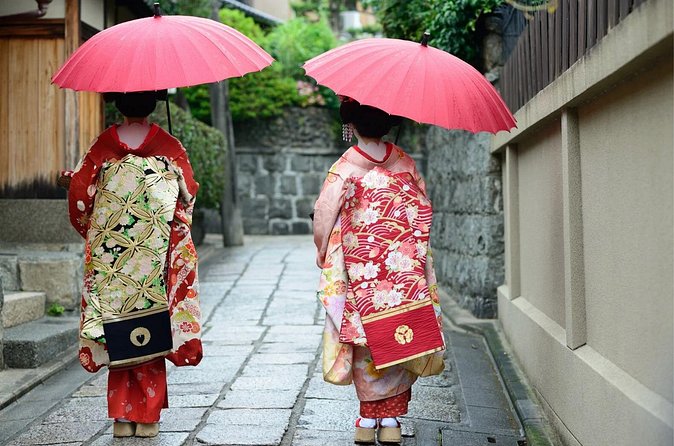
At $79.26 per person for about one hour, you should evaluate value based on what you’re receiving—not just the show itself.
Here’s the honest breakdown of why it can be worth it:
- You get a live maiko/geisha show (not a filmed or audio-only experience).
- Tea and a light snack are included, which saves you from finding a café mid-walk.
- The Q&A gives you context you can’t easily pick up on your own in a crowd.
- You also do a Japanese game, which makes the session interactive.
- There’s photo time at the end.
If you’re trying to build your Kyoto evening around one “high-effort, high-clarity” cultural moment, this price starts to make sense. If you’re on a tight budget and would rather spend that money on multiple meals and street wandering, you might feel the cost more than the value.
My advice: treat it like buying an hour of clarity. It’s not a bargain, but it’s structured so you don’t waste time hoping for the one thing you paid for.
Timing and logistics: a 4:00 pm plan that fits sightseeing
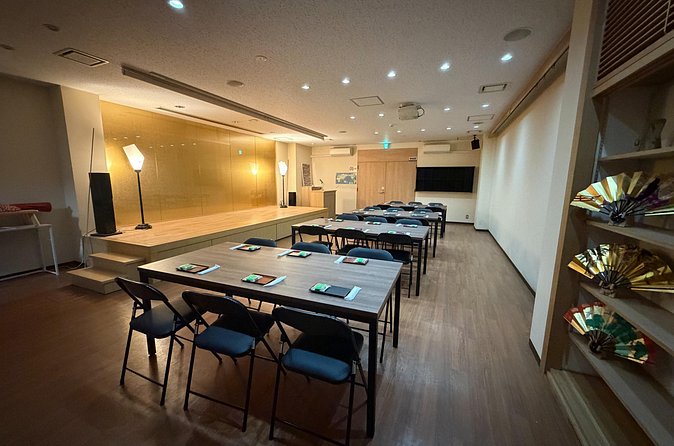
The show starts at 4:00 pm, and it lasts about one hour. That makes it a smart “bridge” in your day: early enough to enjoy the rest of evening afterward, late enough that Gion feels cinematic.
Because it ends back at the meeting point, you can plan a smooth follow-up. You won’t need to immediately figure out transport while you’re still processing what you just saw.
If you want to make the most of the hour, don’t schedule something stressful right after. Give yourself a small buffer so you can ask any follow-up questions in your head (you’ll likely have them) and then continue your evening at a calm pace.
Who this show is best for (and who should skip it)
This is best for people who want:
- a reliable way to see a maiko in Kyoto’s Gion area
- cultural context through Q&A
- an interactive element via the Japanese game
- tea and a light snack included, without extra spending
It’s less ideal if your dream is to do long, free-form wandering and “maybe we’ll see something” moments. Since the experience is staged and scheduled, you’re trading spontaneity for certainty and explanation.
If you’re traveling in a small group or family setup where everyone has different interests, this type of format often works well. One hour is short enough to keep energy up, and the Q&A and game give multiple ways to connect.
Should you book this One Hour Geisha Show in Gion?
Yes, you should book it if you want a focused, well-timed cultural experience with clear payoffs. The biggest reasons are the reliable access to a maiko moment, the included tea and snack, and the Q&A that actually explains what you’re watching.
Book it especially if you’re the kind of person who hates guessing. Kyoto’s geisha and maiko world is hard to “luck into” on demand, but this show gives you a path to the experience without waiting around for a miracle.
Pass on it if you’re chasing pure street atmosphere and you don’t care about structured learning, or if you’d rather spend the budget on meals, temples, and extra hours of walking.
If you do book, plan to arrive ready to pay attention. This hour is meant to be understood, not just captured.
FAQ
How long is the One Hour Geisha Show in Gion?
It lasts about one hour.
What time does the show start?
The start time is 4:00 pm.
Where do I meet for the show?
You meet at 302-2 Daikokuchō, Higashiyama Ward, Kyoto, 605-0832, Japan.
What’s included in the ticket price?
The experience includes the geisha/maiko show, plus light tea and a light snack.
Is there a Q&A and photo time?
Yes. There is a Q&A session, and you’ll have the opportunity to take photos at the end.
Can I cancel for a full refund?
Yes. You can cancel up to 24 hours in advance of the experience for a full refund.
Is this show suitable for most people?
The information provided says most travelers can participate.