REVIEW · KYOTO
Ikebana Floral Design Workshop in Kyoto
Book on Viator →Operated by HanaYou · Bookable on Viator
Kyoto has a quiet side, and this class shows it. In a small HanaYou studio, you’ll create your own ikebana arrangement with founder Ryoko Arnwine guiding you step by step. It’s hands-on, calm, and made for beginners—then you walk out with fresh flowers and a photo you’ll actually want to keep.
I like two things most: you get real seasonal flowers to take back to your hotel, and you’re taught the meaning behind the placement, not just how to copy a diagram. The class is also taught in English or Japanese (your choice), which makes the cultural bits easier to understand while you’re working with your hands.
One thing to plan for: the studio is on the 2nd floor and you’ll need to use stairs. If you don’t love steps, factor that in when you choose your day around Kyoto’s busier streets.
In This Review
- Key highlights at a glance
- Inside HanaYou’s Kyoto Studio: What the Setting Feels Like
- Meeting and Getting Started Without Any Art Background
- Making Your Own Ikebana With Ryoko Arnwine
- What You Take Home (And How to Think About It)
- The Tea, Sweet, and Photo Corner: More Than Extras
- Price and Value: Is $97.73 Worth It?
- Timing, Flow, and How to Plan Your Day in Kyoto
- Getting There: Kawaramachi Marutamachi Iseyacho Meeting Point
- Who This Workshop Is Perfect For
- Quick FAQ
- FAQ
- How long is the ikebana workshop?
- Do I need prior ikebana experience?
- Who teaches the class?
- What language is instruction provided in?
- Are materials and flowers provided?
- What’s included besides the instruction?
- Is the group size small?
- Should You Book HanaYou’s Ikebana Floral Design Workshop?
Key highlights at a glance
- Small group energy (max 4 travelers) for patient, close-up guidance
- Ryoko Arnwine teaches you the basics of balance and harmony through your own arrangement
- Fresh seasonal flowers to take home so the experience lasts after class
- Tea and a seasonal sweet plus light refreshments in a relaxed studio setting
- Photo corner set up so you can document your work easily
- No prior experience needed, with materials provided and studio tools used on-site
Inside HanaYou’s Kyoto Studio: What the Setting Feels Like
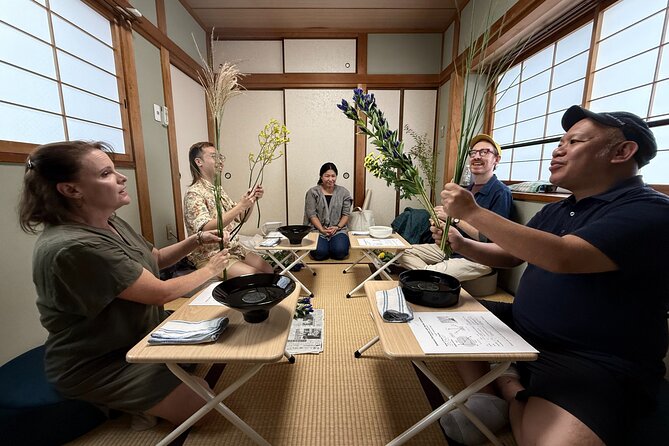
This ikebana workshop is all about slowing down. HanaYou’s studio is in Kyoto’s central area, near public transportation, so you’re not locked into long transfers just to do something creative and traditional. What you’re buying isn’t a “see it from a distance” experience—it’s a working session where you handle the materials and make decisions.
The location has a practical catch: you’ll walk up stairs to reach the studio on the 2nd floor. It’s not a problem for most people, but it is a real factor in Kyoto, where you may already have a lot of walking planned. If you’re traveling with mobility limitations or you’re having a low-energy day, consider that before you book.
You can also read our reviews of more tours and experiences in Kyoto


Meeting and Getting Started Without Any Art Background
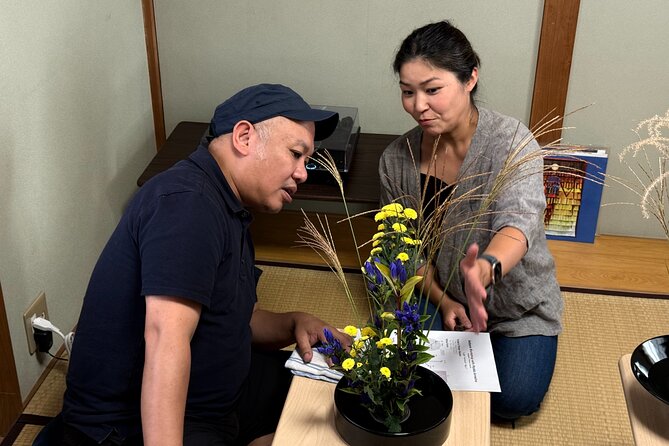
The class runs about 90 minutes, and it’s designed for people who have never done ikebana before. When you arrive, you’ll be in a quiet studio setup where the focus is on your arrangement. There’s no need to bring your own tools, because the studio provides what you need for the session (vase, scissors, pins, and other items used during class).
Language is another comfort point. You can choose guidance in English or Japanese, so you’re not stuck relying on guesswork while you learn the concepts. That matters, because ikebana isn’t only about decoration—it’s about structure, balance, and intentional placement. In the better moments of this class, that meaning clicks because you understand what your instructor is asking you to do and why.
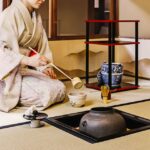
Expect light refreshments during the workshop as well, along with traditional Japanese tea and a seasonal sweet. This isn’t just “snack time.” It supports the pace of the session and keeps the experience feeling like a calm break rather than a rushed activity.
Making Your Own Ikebana With Ryoko Arnwine
The heart of the experience is making something you can take home. You’ll work directly with fresh seasonal flowers, and Ryoko Arnwine, HanaYou’s founder, guides you through the process. The key is that the class doesn’t assume you already know how to think like a flower arranger.
From the way the class is described, you’ll learn the basics around balance and harmony and how flower placement carries meaning. That’s a big deal for beginners. If you’ve only ever seen ikebana as a finished display, you might not realize that the “rules” are really about expressing structure and intention. With hands-on instruction, you get to experience that logic while you’re building your arrangement.
You’ll also have a studio photo setup so you can capture your work while it’s fresh and intact. That takes pressure off you to time selfies or find the right background. You can focus on finishing your arrangement while still knowing you’ll get a good record of it.
What You Take Home (And How to Think About It)
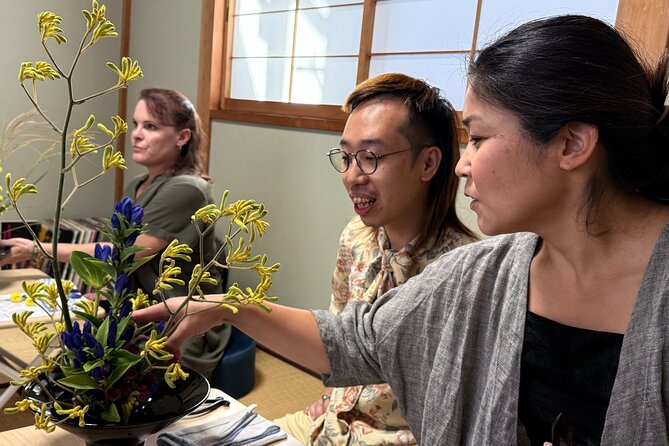
You will take home your finished ikebana arrangement, made with real flowers. That’s one of the most valuable parts of this workshop. Many crafts turn into a lesson you only remember in your head. Here, you leave with something living and beautiful that you can enjoy right away in your room.
The studio also provides the equipment used during class, including vases and tools like scissors and pins. But those studio items aren’t meant to be taken home. What you keep is the finished arrangement and the fresh flowers themselves, which are the core “souvenir.”
A practical note: because you’re transporting fresh stems, it helps to plan for how you’ll carry your creation back. You’re not expected to do anything complicated, but you should give yourself a little mental space for keeping your arrangement stable on the walk and while you transition back to your hotel.
The Tea, Sweet, and Photo Corner: More Than Extras
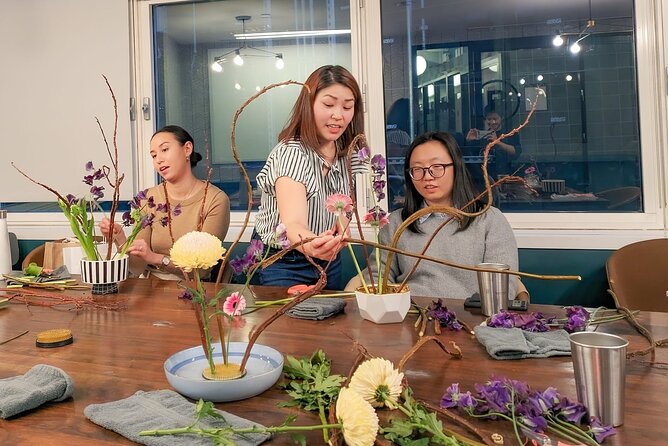
The tea and seasonal sweet are small, but they’re part of how this class stays grounded. You’re not just learning a technique—you’re experiencing a slower rhythm. Sharing tea in the studio also helps you reset between the mental work (learning placement and meaning) and the hands-on work (adjusting stems, balancing shapes, and refining the final look).
Then there’s the photo corner. This is the kind of thoughtful detail that makes a difference if you’re traveling with your phone already full of Kyoto photos. It’s designed for your ikebana display, so you don’t have to hunt for a “good background” while you’re holding something fragile and fresh.





Price and Value: Is $97.73 Worth It?
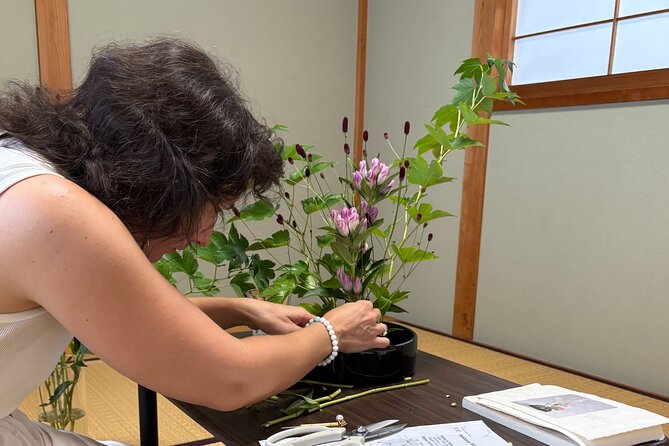
At $97.73 per person for about 90 minutes, this class prices itself as a guided, materials-included workshop—not a self-guided activity. The value comes from what’s included: instruction, fresh seasonal flowers to take home, traditional tea plus a seasonal sweet, and the studio photo setup.
You also don’t have to buy or borrow tools ahead of time. Studio equipment is available for use during the lesson, so you can show up empty-handed. For many visitors, that’s the real “hidden savings”—you’re paying for a complete experience instead of piecing things together yourself.
There’s also the small group size: a maximum of 4 travelers. That level of attention tends to matter in skill-building activities. If you’re a beginner, you want someone who can notice when you need a tweak and then explain it clearly.
One more thing: booking is typically made about 46 days in advance on average. That’s a sign this is popular, especially for people who want an early cultural activity that isn’t a museum checklist.
Timing, Flow, and How to Plan Your Day in Kyoto
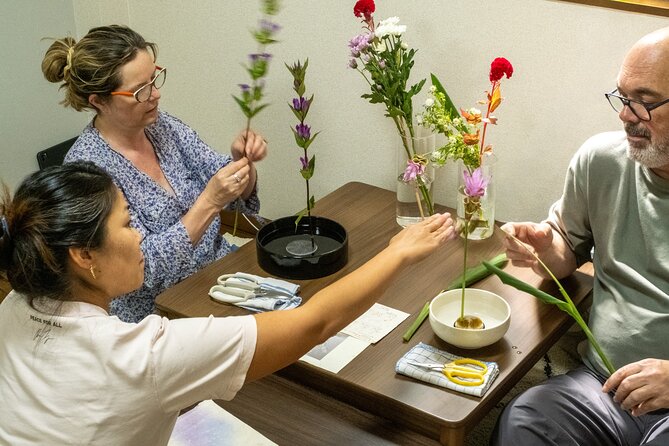
Plan around the fact that this is a studio class with stairs. Try not to schedule it as the very last stop of the day unless you’re sure your legs are feeling okay. Kyoto can wear you down, and you’ll likely want energy for hands-on work.
You’re also done where you start: the activity ends back at the meeting point. That’s useful if you’re navigating independently after the class, because you’re not dropped somewhere else that requires another puzzle to solve.
The duration—about 1 hour 30 minutes—fits well into a day that already includes temples and neighborhoods. It works especially well as a break between sightseeing zones: one part culture, one part making, and a guaranteed takeaway that doesn’t depend on weather.
Getting There: Kawaramachi Marutamachi Iseyacho Meeting Point
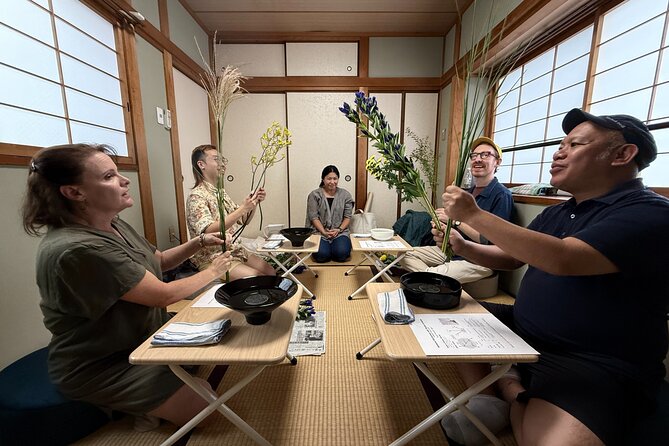
The meeting point is Kawaramachi Marutamachi Iseyacho, Kamigyo Ward, Kyoto, 602-0873, Japan. It’s near public transportation, which is a big help in Kyoto where route planning can shift depending on crowds and time of day.
When you arrive, confirm you’re going to the correct building and be ready for stairs to the 2nd floor. If you’re carrying any bags from earlier in the day, keep them light. You’ll want your hands free and your focus on the arrangement rather than juggling.
Who This Workshop Is Perfect For
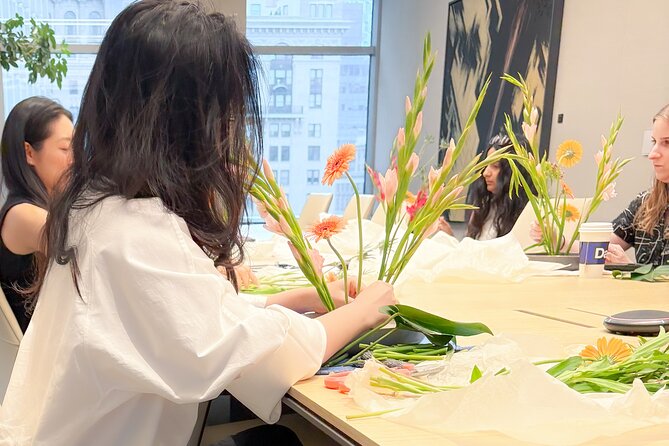
This ikebana class is a great fit if you:
- want a hands-on cultural activity that doesn’t require experience
- enjoy small-group instruction and patient guidance
- like taking home something physical and personal (fresh flowers)
- want a calm, creative break from long lines and heavy walking
It’s also a strong option if you prefer learning directly from a local founder. Ryoko Arnwine’s role is central here, and the class approach emphasizes understanding balance, harmony, and meaning—not only copying a final look.
If you’re expecting something like a show with no participation, you might find this less satisfying. This is active making time, with you doing the arranging.
Quick FAQ
FAQ
How long is the ikebana workshop?
It lasts about 1 hour 30 minutes.
Do I need prior ikebana experience?
No. The class is designed for beginners.
Who teaches the class?
The workshop is guided by Ryoko Arnwine, HanaYou’s founder.
What language is instruction provided in?
Guidance is available in English or Japanese, based on your preference.
Are materials and flowers provided?
Yes. You’ll use studio equipment during class, and you’ll work with fresh seasonal flowers to take home.
What’s included besides the instruction?
You’ll also get traditional Japanese tea and a seasonal sweet, light refreshments, and access to a photo setup for your arrangement.
Is the group size small?
Yes. The workshop has a maximum of 4 travelers.
Should You Book HanaYou’s Ikebana Floral Design Workshop?
If you want a Kyoto experience you can feel in your hands, book this. The combination of small group attention, beginner-friendly teaching, and the fact that you take home fresh seasonal flowers makes it a high-value way to spend 90 minutes. It’s also one of the better “do something different” options when you’re tired of standing in lines.
I’d only hesitate if you strongly dislike stair access, since you’ll climb to the studio on the 2nd floor. Otherwise, this is a smart choice for solo travelers, couples, and anyone who wants a calm creative souvenir that isn’t mass-produced.
Go in with zero expectations. Plan to pay attention while your instructor explains the meaning behind placement. Then enjoy the best part: living flowers in your room that keep reminding you of Kyoto long after the class ends.