REVIEW · KYOTO
Kyoto: Zen Garden, Zen Mind (Private)
Book on Viator →Operated by An Design · Bookable on Viator
Zen gardens click when you learn the rules behind them. This private walk through Kyoto’s temple gardens is led by Andrew of An Design, and he explains the design ideas with a garden designer lens, not just temple facts. You’ll visit three Nanzen-ji sites in one stretch, including Nanzen-ji, plus the sub-temples Konchi-in and Tenjuan.
I especially love how the garden design lessons connect to day-to-day Japanese spirituality, and I like that the route takes you to places that are harder to reach by car or bus. The main drawback is simple: entrance fees are separate (¥1,600 per person for the three temple sites), and the tour runs best with good weather.
In This Review
- Key highlights at a glance
- Kyoto’s Zen Garden Lesson Plan: Why This Walk Works
- Meet Andrew of An Design and His Garden-Design Approach
- Route Overview: Konchi-in to Tenjuan to Nanzen-ji
- Stop 1: Konchi-in Sub-Temple (About 1 Hour)
- Stop 2: Tenjuan Temple (About 1 Hour)
- Stop 3: Nanzen-ji Head Temple (About 1 Hour)
- What You’ll Learn: Zen Garden Principles, Buddhism, and Shinto Basics
- Timing and Foot Route: How to Avoid Kyoto Stress
- Entrance Fees and the Real Cost of “Private”
- Mobile Ticket: Small Detail, Big Day-Off-Your-List Benefit
- Who This Tour Is Best For (and Who Might Skip It)
- Should You Book Kyoto: Zen Garden, Zen Mind (Private)?
- FAQ
- What sites are included on the Kyoto Zen Garden, Zen Mind private tour?
- How long is the tour?
- Is this a private tour?
- Where does the tour start and end?
- Are entrance fees included in the price?
- Do I get a mobile ticket?
- What if the weather is bad?
- Is the tour near public transportation?
- What is the cancellation policy like?
Key highlights at a glance
- Private tour for up to 4 with a single guide, so you can ask real questions
- Konchi-in, Tenjuan, and Nanzen-ji packed into about 3.5 hours
- Design insights from Andrew (An Design) with 15 years of experience
- A foot route to quieter temple spots you might not stumble into on your own
- Buddhist and Shinto context that makes the garden symbolism easier to read
Kyoto’s Zen Garden Lesson Plan: Why This Walk Works
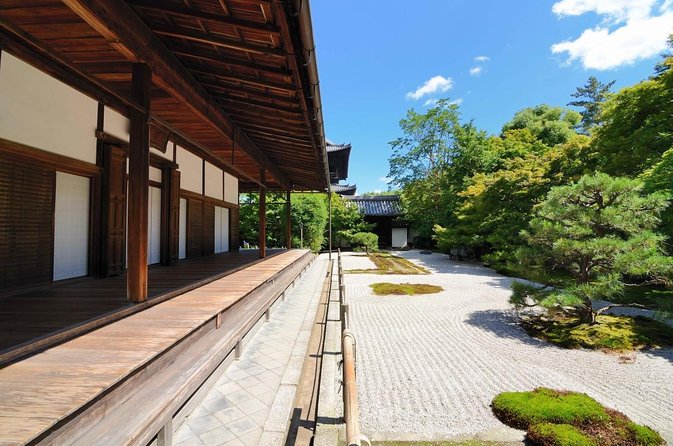
Some Kyoto tours hand you a list of sights. This one teaches you how to look. You’re not just moving from temple to temple; you’re learning the logic behind the rocks, the layout, and the quiet pacing that Zen gardens are built to support.
The big win is that you get context while you’re standing in front of the garden itself. That means things like stone placement, sightlines, and the overall feeling of the space stop being random aesthetics. You start seeing patterns.
This tour also fits people who want Kyoto spirituality without getting lost in vague explanations. You’ll get clear guidance on what Zen practices aim for, plus some baseline Shinto and Buddhist context so the setting makes sense.
You can also read our reviews of more private tours in Kyoto


Meet Andrew of An Design and His Garden-Design Approach
Andrew is the heart of this experience. He brings years of real professional work into the tour, plus a teaching style that keeps the story grounded in what you can actually see.
From the way the tour is described, the focus isn’t only on temple names. It’s on how garden design supports Zen thinking—how a space can slow your attention down and shape your mood. That design angle matters because Zen gardens are meant to be read, almost like a quiet text.
You’ll also notice a practical detail: this is a private setup. Only your group participates, so Andrew can tailor the pace and explanations to your interests. If you want deeper design logic, he can go there. If you’d rather understand the spiritual side, he can keep pulling the thread back to meaning.
Route Overview: Konchi-in to Tenjuan to Nanzen-ji
The tour runs about 3 hours 30 minutes and stays focused on one compact temple area. That matters because Kyoto walking can balloon if you’re constantly repositioning. Here, you’re moving on foot between related sites, so your attention stays on the gardens.
The three stops build like steps in a lesson. You start at Konchi-in, then move to Tenjuan, and finish at Nanzen-ji. By the end, you’re not only familiar with each location—you have a framework for interpreting why the gardens look and feel the way they do.
One more practical note: you end right in the Nanzen-ji area (in front of Nanzen-ji). That’s helpful because you can then continue exploring the neighborhood on your own after the tour without backtracking.
Stop 1: Konchi-in Sub-Temple (About 1 Hour)
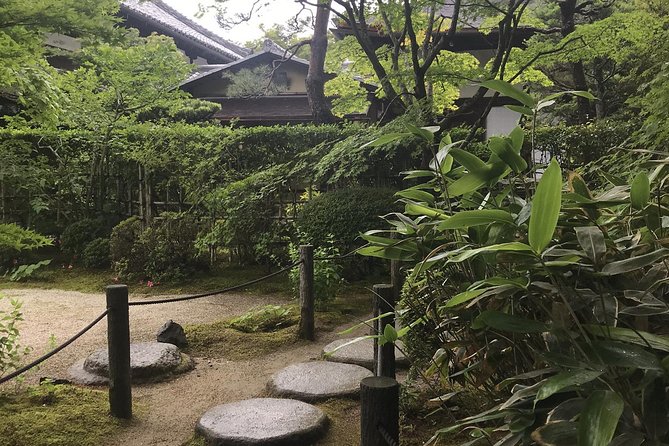
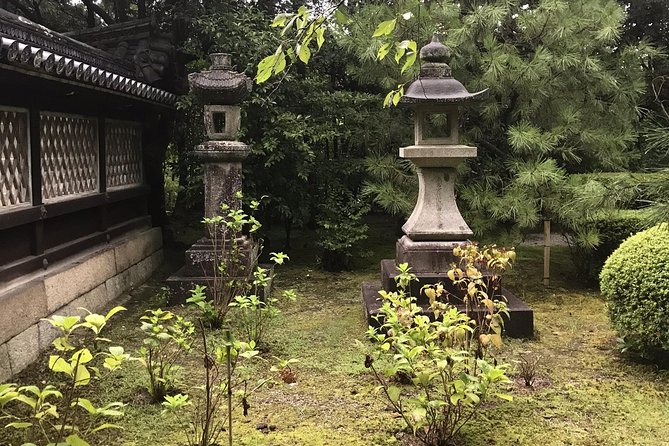
Konchi-in is a sub-temple connected to Nanzen-ji, and that relationship is part of what makes it interesting. Sub-temples often feel more intimate. They can help you notice the design details that get lost when you rush through larger main sites.
Expect this hour to focus on garden reading. Andrew’s approach is built around principles—what the composition is trying to communicate, and how Zen thinking shapes the experience. You’ll likely spend time adjusting your viewpoint as you look, because part of understanding a garden is learning where to stand and what changes when you shift your angle.
This stop is also a good place to ask questions. If you’re wondering what you should look for in Japanese gardens, this is an ideal early moment to get your bearings.
Stop 2: Tenjuan Temple (About 1 Hour)

Tenjuan Temple continues the same theme with a slightly different perspective. Since it’s another Nanzen-ji sub-temple, you can compare how the design language shifts while still staying within the same spiritual and institutional context.
This hour is the bridge between first impressions and deeper understanding. If Konchi-in helps you learn the basics of how to look, Tenjuan helps you see how the ideas apply across different garden settings.
It’s also where the tour’s “Zen garden plus spirituality” blend starts to feel more complete. You’re not just collecting images. You’re learning how Japanese religious thinking shows up in space, rhythm, and the way visitors are guided to pay attention.





Stop 3: Nanzen-ji Head Temple (About 1 Hour)
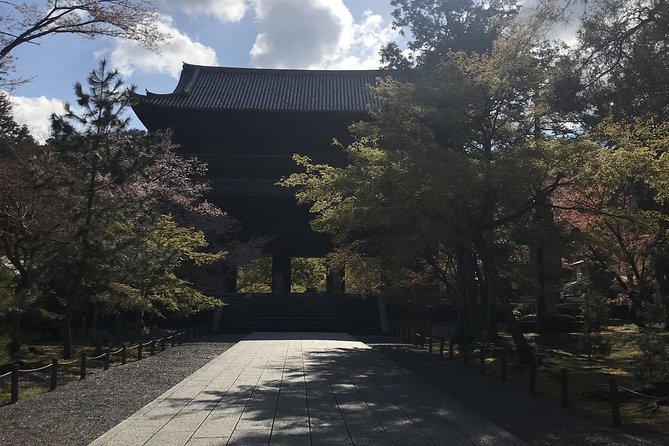
You finish at Nanzen-ji, the head temple of the Nanzen-ji Zen monastery. This is where the scale and significance come into focus, and it’s also where the design lessons you picked up earlier start to click into place.
Finishing here is smart. By the time you arrive, you already have a mental checklist for what to notice. You can connect the look of the garden to the bigger ideas: Zen practice, Japanese aesthetics, and how the temple environment supports contemplation.
Nanzen-ji also gives you a satisfying “wrap” to the experience. You’re ending where the story matters most, rather than ending somewhere obscure that makes it hard to explain why the tour was worth it.
What You’ll Learn: Zen Garden Principles, Buddhism, and Shinto Basics
The tour is built around more than sightseeing. Andrew talks about the meaning behind Zen gardens, and he also includes basics about Shinto and Buddhist traditions and practices.
That combo is helpful because Kyoto isn’t one religion in one box. It’s layered. Temples often sit alongside shrines, and the cultural logic behind what you see can feel confusing if you only study one tradition. Getting even a basic framework makes your independent exploring afterward much easier.
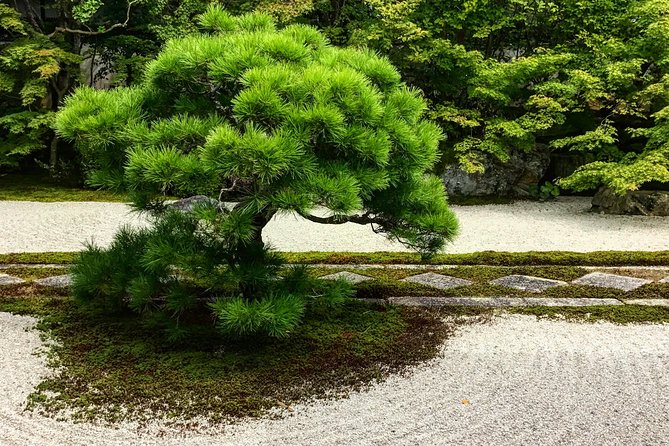
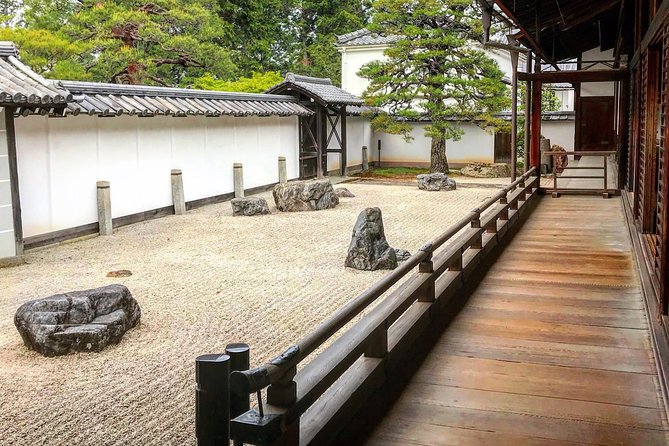
The design side is the other half of the learning. You’ll get explanations tied to how rock gardens are constructed and how meaning shows up in the composition. The effect is practical: you start noticing patterns you would normally skip.
From the way the tour is described, the goal is understanding, not memorizing. Andrew’s style focuses on connections—how design choices link back to philosophy and spiritual intent. That’s why people come away feeling they gained a new perspective rather than just more trivia.
Timing and Foot Route: How to Avoid Kyoto Stress
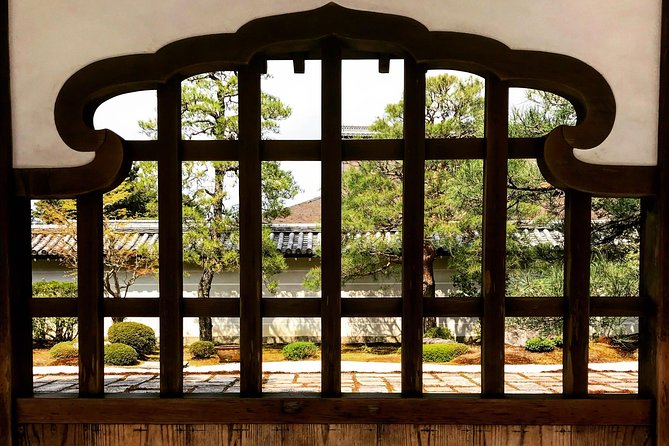
The total time is about 3 hours 30 minutes, and it’s a walking experience. That’s a good length: long enough to learn, short enough that you still have energy for the rest of your Kyoto day.
You also get a key location advantage. The tour is designed around walking paths that reach spots you may not get to by car or bus. That means you’re not only visiting gardens—you’re experiencing the neighborhood approach that fits the temples’ surroundings.
The meeting point is near public transportation: Keage Station (Keage Sta., Higashikomonozacho, Higashiyama Ward). You’ll end in front of Nanzen-ji (Nanzenji Fukuchicho, Sakyo Ward). That end point is a handy launchpad for more temple wandering.
If you’re mapping your day, I’d plan your other activities with the end point in mind. Nanzen-ji is a different vibe than central Gion, so don’t schedule something that pulls you across town immediately after.
Entrance Fees and the Real Cost of “Private”
The tour price is $380 per group (up to 4). That sounds high at first glance—until you do the math based on group size and what you’re actually buying.
You’re paying for a private walking tour with a garden designer guide, time on foot at three temple sites, and structured narration focused on garden meaning. For a group of two or four, that cost can become reasonable compared with paying separate tickets and trying to piece together context on your own.
One caution: the ¥1,600 per person entrance fees for the three temples are not included. The itinerary states entrance ticketing, but the pricing details say you should expect to pay that total separately for each person. Factor it into your budget so you do not get surprised at the temples.
Also note that the tour requires good weather. If weather forces a change, you’ll either switch dates or get a full refund. If your trip dates are tight, build in a little flexibility.
Mobile Ticket: Small Detail, Big Day-Off-Your-List Benefit
You’ll receive a mobile ticket. In Kyoto, that saves time and hassle. You won’t be searching for a printer or trying to decode paper confirmation at a busy station exit.
This is the kind of detail that doesn’t sound exciting until you’re already on your feet and trying to meet a guide on time.
Who This Tour Is Best For (and Who Might Skip It)
This is a great match if you:
- Want Kyoto’s Zen gardens explained in a way you can actually read while standing there
- Care about Japanese spirituality, including both Zen and the wider religious context around shrines
- Prefer a private guide who can answer follow-up questions
- Like nature and calm spaces, not just big-name photo stops
You might consider skipping if:
- You dislike walking tours or you have limited patience for multiple temple stops in one session
- You want only broad overview sightseeing and not design or spiritual meaning
- You’re traveling when weather looks unpredictable and you can’t flex your schedule
Should You Book Kyoto: Zen Garden, Zen Mind (Private)?
If your goal is to understand Zen gardens rather than just check them off, I’d book it. The combination of three related Nanzen-ji sites, a private format for up to four, and Andrew’s garden-design way of explaining meaning is exactly what turns a garden visit into real learning.
This tour is also a smart choice for first-time Kyoto visitors who plan to explore temples afterward. You’ll leave with a framework for noticing details on your own, especially around how philosophy shows up in stone, layout, and atmosphere.
Just go in with two practical expectations: plan for the ¥1,600 per person entrance fees, and remember the experience depends on good weather. If you can handle those, you’ll likely feel you got far more than a tour.
FAQ
What sites are included on the Kyoto Zen Garden, Zen Mind private tour?
The tour includes three temple stops within the Nanzen-ji area: Konchi-in, Tenjuan Temple, and Nanzen-ji.
How long is the tour?
It’s approximately 3 hours 30 minutes.
Is this a private tour?
Yes. It’s private, so only your group participates (up to 4 people).
Where does the tour start and end?
It starts near Keage Station (Keage Sta., Higashikomonozacho, Higashiyama Ward) and ends in front of Nanzen-ji (Nanzenji Fukuchicho, Sakyo Ward).
Are entrance fees included in the price?
No. Entrance fees for the three temple sites total ¥1,600 per person.
Do I get a mobile ticket?
Yes. The experience includes a mobile ticket.
What if the weather is bad?
This experience requires good weather. If it’s canceled due to poor weather, you’ll be offered a different date or a full refund.
Is the tour near public transportation?
Yes. The meeting point is near public transportation.
What is the cancellation policy like?
Free cancellation is available. You can cancel up to 24 hours in advance for a full refund.