REVIEW · KYOTO
Kyoto Michelin Ramen Workshop or Painting Ramen Essentials
Book on GetYourGuide →Operated by Musoshin Fit inc. · Bookable on GetYourGuide
Kyoto ramen can be serious business. At Musoshin Ramen Academy, you get hands-on noodle making plus painting, all backed by a Michelin-nominated recipe. I love that the class is built around what Musoshin does every day in-house. I also like the family vibe and the way guides step in with patient help, even when kids get noodle on their sleeves. One possible drawback: the workshop space can feel small, so you may want to consider that if your group hates cramped quarters.
Musoshin started in Kyoto in 2022 and now runs restaurants in Kyoto and Toronto. The recipe you learn is the same one that powers their noodle-and-soup obsession: fresh noodles made in the shop each morning, then rested overnight, and broth simmered for 12 hours. In other words, this is not a performative cooking demo. It’s closer to learning how a top ramen shop works.
In This Review
- Key Highlights You’ll Actually Care About
- Why Musoshin Ramen Academy Feels Different From Other Ramen Classes
- The Hour of Noodle Making: What You Do and Why It Matters
- Painting Ramen Essentials: Spoons and Bowls, Plus the Kiln-Baked Keepsake
- After Class: The Restaurant Ramen Meal That Makes It Worthwhile
- Dietary Needs: Planning for Celiac, Vegetarian, and Vegan Ramen
- Price and Value at $54: What You’re Really Buying
- Who This Ramen Workshop Is Best For in Kyoto
- Practical Tips: Small Space, Smart Preparation
- Should You Book This Kyoto Ramen Workshop?
- FAQ
- What is the duration of the ramen workshop?
- What is included in the price?
- Can I paint a bowl or spoon?
- Is there an option to bake the custom bowl?
- Are vegetarian or vegan ramen options available?
- Do they offer gluten-free options?
- What languages are used during the class?
- Where is this experience located?
- How does the class handle dietary restrictions or changes?
- Can I reserve now and pay later, and what about cancellation?
Key Highlights You’ll Actually Care About

- An hour focused on noodles, guided step-by-step in a small, hands-on setup
- Painting ramen essentials (spoons and bowls), plus a free kiln-baked bowl option for pick-up the next day
- Michelin-nominated Musoshin ramen at the restaurant included, not just a snack
- Dietary options including vegetarian and vegan ramen, and gluten-free support when needed
- In-house process: noodles, long-simmered soup, handmade soy sauce, and handmade roast pork
Why Musoshin Ramen Academy Feels Different From Other Ramen Classes
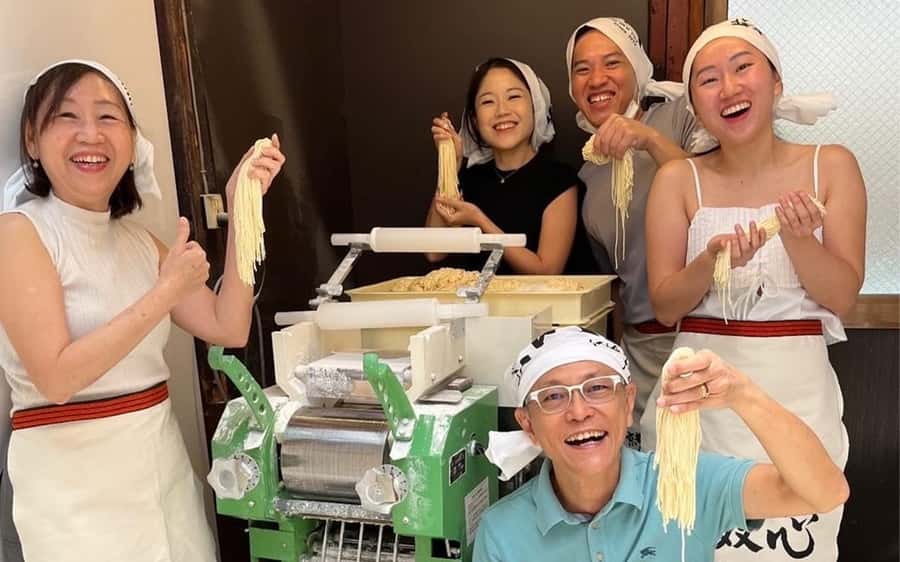
Most ramen classes teach you a version of ramen you can copy at home. This one teaches you the logic behind ramen. You’re not just mixing ingredients. You’re learning how Musoshin times things and why they treat noodles and broth like the main event.
What makes it click is the scale of the process. Musoshin insists on making key components in-house: noodles are made every morning and then left to sit overnight so the next day’s texture works. The soup is made with a 12-hour approach. Even the soy sauce and roast pork are handmade. That matters to you because it explains why “good ramen” is rarely about one trick. It’s about consistent steps, repeated until they become taste.
You’ll also like the trust factor. Musoshin in Toronto has been nominated for Michelin for three consecutive years, and the Kyoto operation shares the same recipe concept. The class is run by Musoshin Ramen, and the experience is directly tied to their restaurant day-to-day work.
You can also read our reviews of more tours and experiences in Kyoto


The Hour of Noodle Making: What You Do and Why It Matters

The core of this experience is a focused, hands-on noodle-making session. Expect instruction and support from a kind guide as you work the dough through multiple steps. Reviews often mention guides like Koki and Makoto, and hosts such as Shin and Patti, with the common theme that they’re patient and ready to help you stay on track.
Here’s what the “hands-on” part looks like in practice: you’ll mix ramen noodle ingredients, roll or shape the dough, and work with a noodle machine. Then the noodles need resting time (you may not eat the noodles you form immediately). One helpful detail from the experience is that you’re not left guessing. You’re doing it with guidance, so you understand the sequence and what each step is trying to achieve.
Why this matters for your results at home:
- Noodle texture is all about hydration and rest. Learning the rest period is a big deal.
- Rolling and shaping are where thickness and consistency get decided.
- If you get involved with the steps, you’ll better understand why ramen shops don’t just buy noodles and call it a day.
If you care about photos, you’ll likely be able to take some during the process, since the class is actively happening at eye level. A finished-product picture is also part of the experience, which is nice because you’ll have proof that your ramen ambitions survived the noodle machine.
Painting Ramen Essentials: Spoons and Bowls, Plus the Kiln-Baked Keepsake
For many people, the painting portion is the “wow, we’re actually doing ramen stuff” moment. Depending on the option you book, you can decorate ramen spoons and/or a custom bowl design.
The kit vibe is practical. You’ll use items connected to the experience, like a bandana used in the workshop, and you can receive options such as a Musoshin ramen spoon, ramen bowl, and apron. If you choose the bowl option, Musoshin will bake your designed bowl in a kiln for free.
That free kiln-bake option is a real value add because it turns a fun activity into a usable souvenir. And since it’s picked up the next day, it’s also a gentle way to avoid scrambling with fragile items during your Kyoto walking route.
One small note from the experience: color choice can affect visibility. For example, if you use pink, it may show better if applied thicker so it doesn’t fade visually after baking. It’s a tiny detail, but it can save your bowl from turning into a subtle blob of optimism.
After Class: The Restaurant Ramen Meal That Makes It Worthwhile
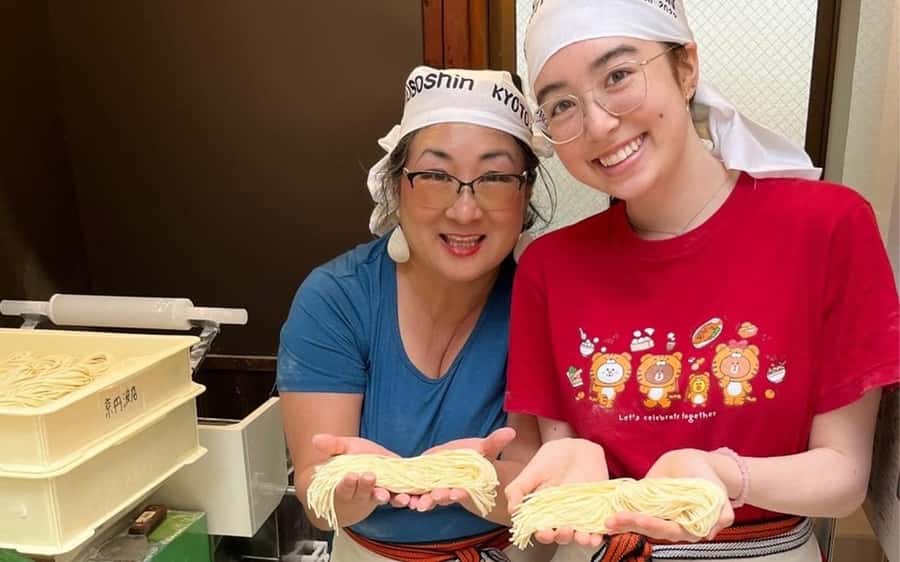
This class ends with the point of the whole exercise: eating Musoshin ramen. A drink is included, and the meal happens at the Musoshin restaurant. People consistently describe the resulting bowl as the best ramen they’ve had in Kyoto or even across a multi-day trip.
What you’re eating connects directly to the in-house process:
- Soup made over a long 12-hour period
- Handmade ramen soy sauce
- Handmade roast pork
You also get options for vegetarian and vegan ramen. That’s important because it means the class isn’t only friendly when everything goes perfectly. It’s set up so non-meat eaters can still build the ramen experience around something satisfying.
Some diners choose the restaurant’s specialties and pair it with other items. If you’re hungry right after noodle making, this meal works as the “here’s your reward” step, and you can relax rather than rushing to dinner.
Dietary Needs: Planning for Celiac, Vegetarian, and Vegan Ramen
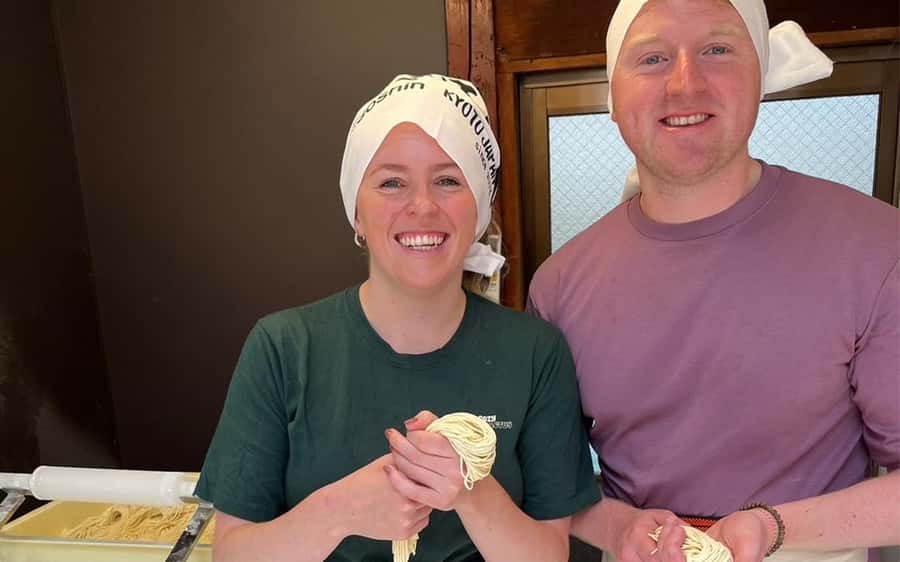
If you’re watching gluten, this is one of the stronger points of the experience. One account describes a very practical response: when a child was identified with celiac disease right before class, the team arranged gluten-free noodles and cooked a separate gluten-free soup. That’s the kind of coordination you don’t want to gamble on with a random hands-on cooking event.
For more general dietary patterns, the experience clearly states vegetarian and vegan ramen options are available. That’s a big checkbox for family travel because you don’t want to spend your evening doing mental math around ingredients.
How to use this info smartly:
- If gluten-free is part of your plan, tell them clearly when you reserve.
- If you’re vegetarian or vegan, still flag it upfront so you’re not surprised by the default bowl style.




Price and Value at $54: What You’re Really Buying
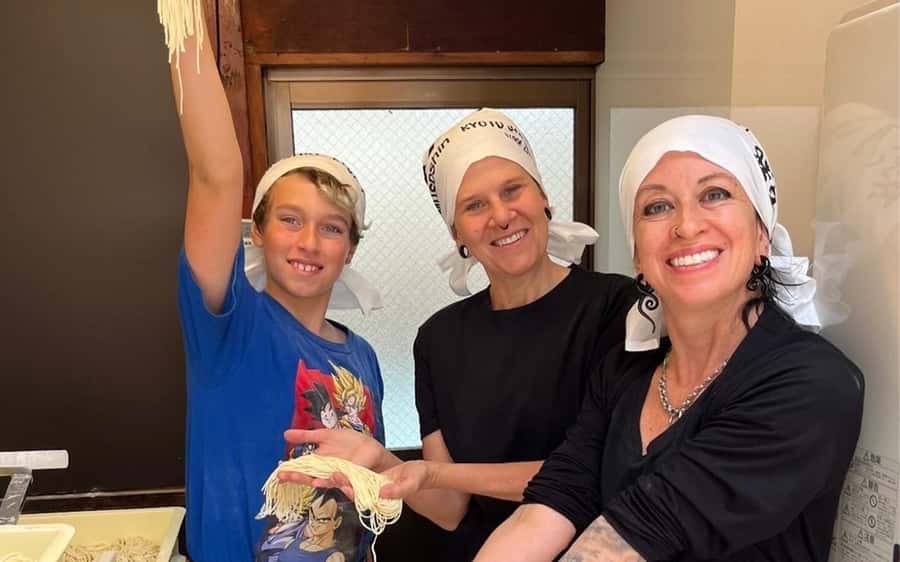
At $54 per person, you’re paying for more than an hour of cooking. You’re buying a set of things that normally cost extra across a typical Kyoto food day: a guided workshop, restaurant ramen, and a drink. On top of that, the program may include workshop items like a bandana used during the session, and you can add optional pieces like spoons, bowls, and apron.
The free kiln-bake bowl option is the kind of value that’s easy to miss in the price headline. It’s also the difference between a craft activity and a souvenir that actually survives being packed.
You’re also paying for a specific brand of “in-house discipline.” When noodles are made fresh each morning and rested overnight, and broth is simmered for 12 hours, the process is doing real work. If you care about understanding flavor beyond just tasting it, this structure is exactly what you want.
Could it be pricey for a very short attention span? Maybe. But if you like food craft, and you want a meal that feels connected to what you learned, the pricing makes more sense.
Who This Ramen Workshop Is Best For in Kyoto
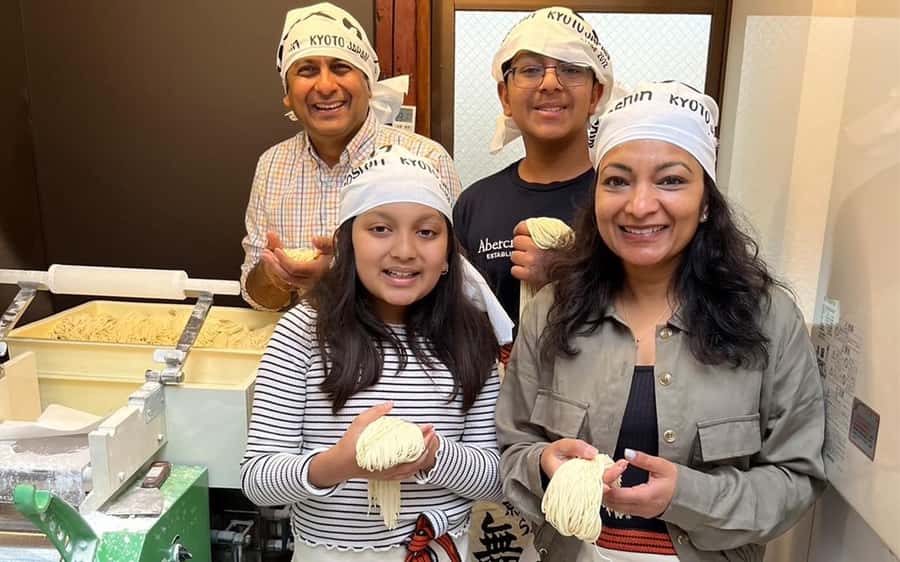
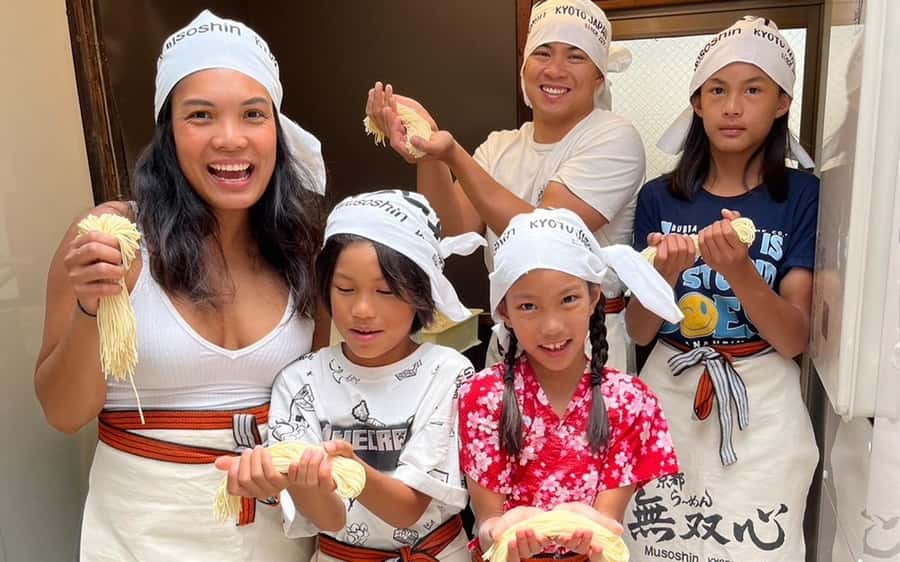
This is a solid pick for families, couples, and small groups who like getting hands-on. The experience is described as family friendly and fun, with guides who support kids as they learn. Several notes mention that children enjoyed using their hands and getting involved with the noodle machine, which is what you want from a cooking class with younger travelers.
It’s also good for:
- Couples who want an activity that feels different from temple lines
- Friends who want shared laughs while working dough
- Foodies who care about ramen components and not just the final bowl
If you’re traveling with teens, the chance to learn the process and then eat a Michelin-nominated style ramen can land well. One account even highlights that having ramen made with a chef mindset made the class feel special.
Practical Tips: Small Space, Smart Preparation
Let’s talk logistics in a way that helps you enjoy the day.
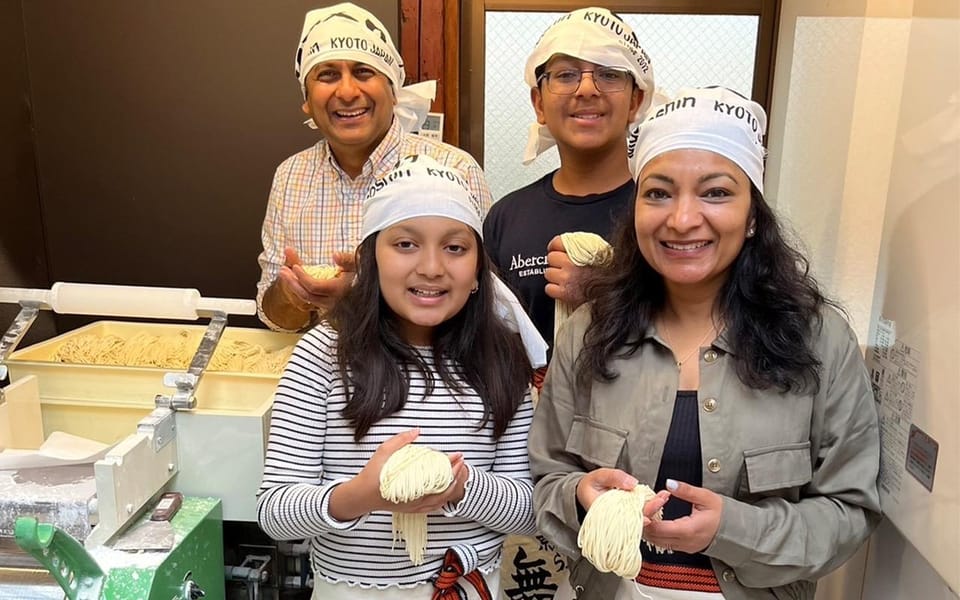
First, the workshop space can feel tight. One account mentions it felt quite cramped when the group was larger than ideal. So if your group is sensitive to crowding, keep that in mind when you choose your time slot or option.
Second, you’ll be working with dough, so wear clothes you don’t mind getting a little flour-adjacent. Think: easy sleeves, something you can wipe off.
Third, the class runs in English and Japanese. That’s great because you can follow instructions without relying entirely on translations. Even with language support, the hands-on part is visual, so you’ll be fine if you’re not fluent.
Finally, the meeting point can vary depending on the option booked, and the activity ends back at the meeting point. That’s convenient for planning your next Kyoto stop. Just double-check your exact meeting location when you confirm.
Should You Book This Kyoto Ramen Workshop?
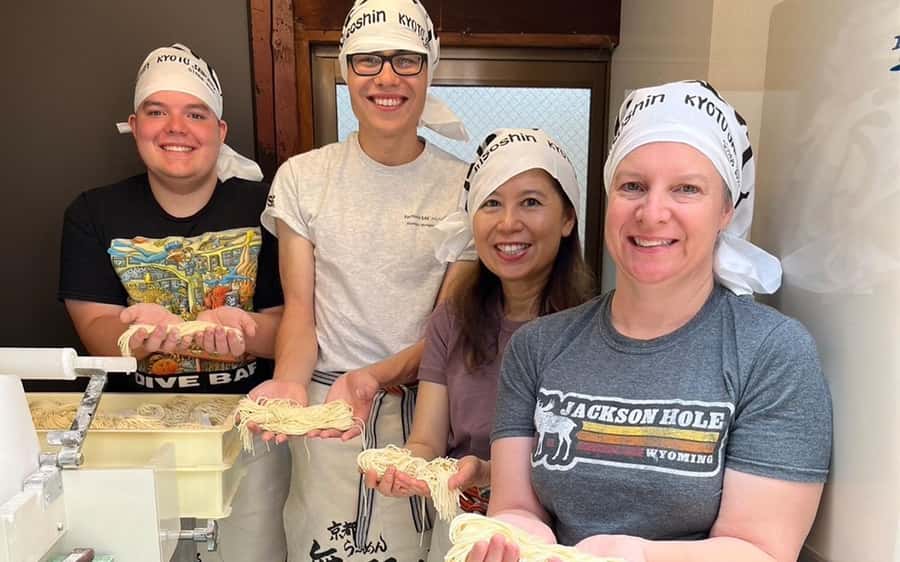
If you want a ramen experience that connects the learning to a serious restaurant bowl, I’d book it. The best reason is the combination: an hour of noodles plus a restaurant meal, with in-house ramen components and real guide support.
Book it if:
- You’re traveling with kids and want a hands-on activity that doesn’t feel like a “watch while others do it” situation
- You care about ramen technique, not just flavor
- You want a memorable souvenir option through kiln-baked bowl designs
Skip it or adjust expectations if:
- Your group strongly dislikes tight indoor spaces
- You only want a quick tasting, not a process-based class
- You’re hoping to eat the noodles you make immediately (the rest time matters, so you’ll likely eat ramen from the restaurant meal as the main course)
FAQ
What is the duration of the ramen workshop?
The workshop focuses on about an hour of noodle making.
What is included in the price?
The experience includes Musoshin Ramen (Michelin-nominated), a drink at the Musoshin restaurant, and the workshop essentials tied to the session. You may also have optional add-ons like utensils and an apron.
Can I paint a bowl or spoon?
Yes. Depending on the option you book, you can paint ramen essentials such as spoons and/or a bowl.
Is there an option to bake the custom bowl?
Yes. If you choose the bowl design option, your bowl can be baked in a kiln for free, and you pick it up the next day.
Are vegetarian or vegan ramen options available?
Yes. Vegetarian and vegan ramen options are available.
Do they offer gluten-free options?
The experience includes evidence of gluten-free support, including gluten-free noodles and a gluten-free soup prepared when needed for a celiac diagnosis.
What languages are used during the class?
The workshop is offered in English and Japanese.
Where is this experience located?
It takes place in Kyoto, on Honshu, Japan.
How does the class handle dietary restrictions or changes?
Dietary options are available, including vegetarian/vegan and gluten-free support as described. You should flag your needs when you reserve.
Can I reserve now and pay later, and what about cancellation?
You can reserve & pay later. You can cancel up to 24 hours in advance for a full refund.