REVIEW · KYOTO
One Hour Geisha Show in Kyoto
Book on GetYourGuide →Operated by GuideMe Japan · Bookable on GetYourGuide
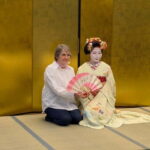
A Maiko show is rarer than you expect. In Kyoto, this one-hour experience puts you face-to-face with a Maiko up close and lets you capture the moment with photos and videos.
I also like how the evening is built around conversation, not just watching from far away—your questions and that lively Q&A make it feel personal, even in a small group.
What really makes this worth your time is the structure: a short traditional dance, then another, then the Q&A and a chance to play a traditional Japanese game with her. You’ll also be fed—tea and traditional Japanese snacks are included—so you can stay focused on the performance instead of hunting for food afterward.
One drawback to plan around: the Maiko is not performing continuously for the full hour. The show is intentionally short, because that’s how the art keeps its grace and exclusivity, and you’ll notice the pacing is respectful, not nonstop entertainment.
In This Review
- Key things to know before you go
- The big draw: seeing a Maiko where it actually happens
- Tea House or Gion Theater: choose the setting that fits your comfort level
- How the show really runs: two dances, then questions and a game
- The guide’s role: interpretation makes the culture click
- Tea, snacks, and the pause that makes it feel unhurried
- Kitano Tenmangū Shrine session: what you get with the tea house option
- Timing and group size: why it affects your photos and comfort
- Price and value: what $50 gets you in Kyoto terms
- Practical Kyoto tips: socks, no bare feet, and what to bring
- Who should book this Maiko experience (and who might skip it)
- Should you book the One Hour Geisha Show in Kyoto?
- FAQ
- How long is the One Hour Geisha Show in Kyoto?
- What does it cost?
- Where do I meet for the tour?
- Are there two different show options?
- Is Kitano Tenmangū Shrine included?
- Can I take photos or videos?
- Will the Maiko perform continuously for the full hour?
- What’s included in the price?
- What should I wear or bring?
- Is the tour wheelchair accessible?
Key things to know before you go
- Up-close Maiko access in Kyoto: Kyoto is one of the only places where you can see this authentic world.
- Photos and videos are welcome: You’ll have time set aside for pictures.
- Two short dances, then interaction: Expect a brief performance rhythm—dance, dance, then Q&A and a game.
- Tea house vs Gion Theater matters: Tea house option has a shrine session and differs in wheelchair access.
- Small groups: Max 23 for the tea house option, max 30 for Gion Theater.
- Bring socks: Bare feet aren’t allowed.
The big draw: seeing a Maiko where it actually happens
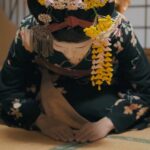
If you’re chasing the Kyoto version of geisha culture, this is the kind of experience that delivers. A Maiko (apprentice geisha) is the star of the show, and the program is designed so you don’t just watch from a distance. You’re close enough to see the care in the movements, and you get a sense of how formal and precise the presentation is.
I like that the experience treats the performance as art, not a theme-park spectacle. The show follows a traditional rhythm—short dances, then space for questions—and that pacing matches what you’re trying to witness: skill, etiquette, and a long apprenticeship tradition.
One practical thing to know: Kyoto is the place for this. If you’re splitting your time across Japan, this is the stop where you’re most likely to get the real deal rather than a simplified cultural show.
You can also read our reviews of more tours and experiences in Kyoto

Tea House or Gion Theater: choose the setting that fits your comfort level
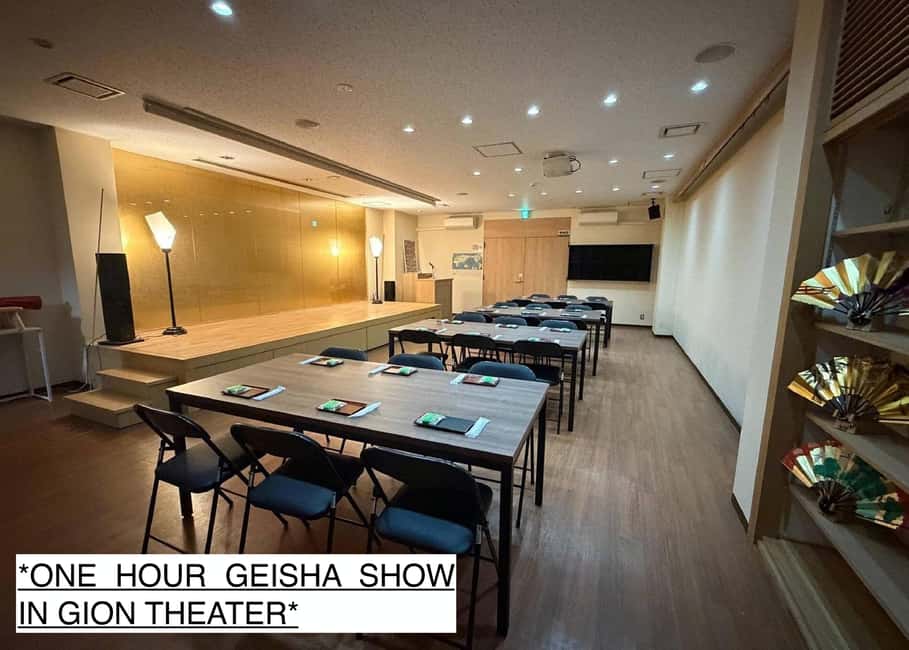
This experience comes in two different formats, and it’s worth choosing based on how you like your atmosphere.
Tea House option
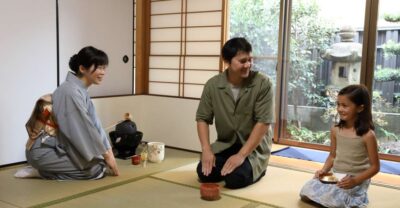
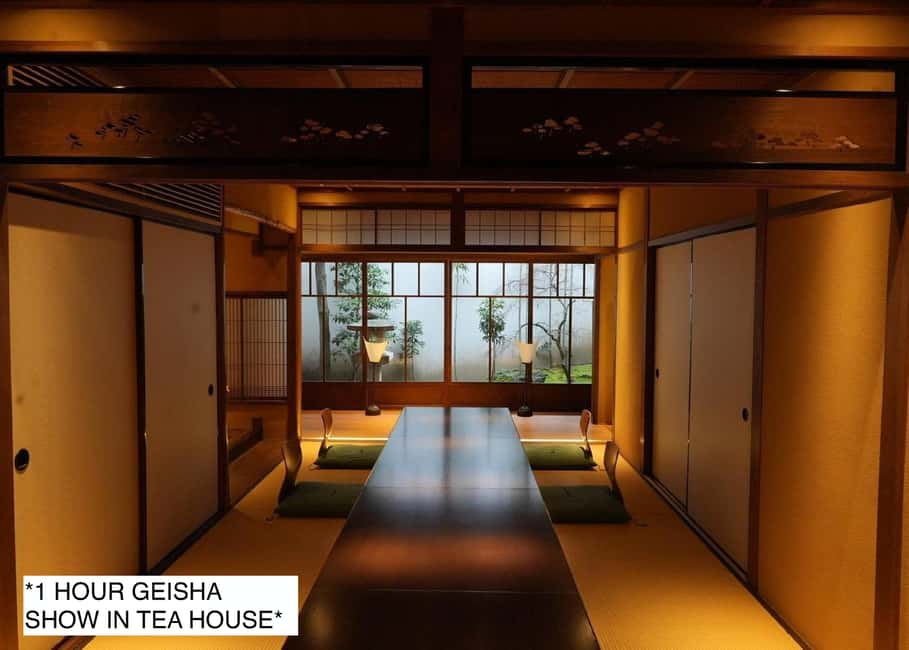
The show happens in a Kyoto-style house (a Japanese Kyo-machi-ya). This option also includes a 30-minute session connected to Kitano Tenmangū Shrine, with a guided walk that’s part of this tea house version.
Gion Theater option
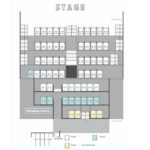
This is a showhouse setting in the Gion area. The big advantage is accessibility: wheelchair access is available here, while the tea house option doesn’t allow wheelchairs.
Here’s how I’d decide. If you want a more intimate, traditional-feeling environment, the tea house option sounds like your match. If mobility matters, or you simply prefer a purpose-built show space, go with the Gion Theater option.
How the show really runs: two dances, then questions and a game
Don’t go in expecting a nonstop hour-long performance. The program is built around short, graceful dances and then interaction. That’s not a trick; it’s part of how the tradition preserves its exclusivity.
Here’s what you’ll see and do in the main show:
- The Maiko performs a traditional dance set (around 10 minutes).
- Then there are two dances in total, with each dance about 5 minutes.
- After the dances, you get time for Q&A.
- You also get time to take photos and videos.
- Then you play a traditional Japanese game with her.
This is where the value shows. The Q&A can turn a performance you’d normally watch quietly into something you understand. In the experience I’m describing here, the guides help you communicate and make sense of what you’re seeing—things like what’s behind the look of the kimono, the hair styling, and the meanings tied to the role.
There’s also a playful side. Multiple people talk about the game as the fun break in the middle, and yes, you can likely end up losing a round unless you’re already good with Japanese party games.
The guide’s role: interpretation makes the culture click
Even when a performance is beautiful, context is what helps it land. That’s why the professional tour guide matters here.
This tour runs with live guidance in English and Korean, and the guide’s job is to translate and steer the moment. In practice, that means you don’t just hear vague explanations. You get help interpreting the Maiko’s role, and you get your chance to ask questions without standing there guessing.
If you’re in a mixed language group, this is still helpful. You’ll notice that the guide acts as the bridge between you and the Maiko, especially during Q&A and during the game. Names that have come up in the guiding lineup include Genki, Chihiro, Rin, Akari, and Ai—each of them described as friendly and clear in how they handle the flow of the interaction.
Tea, snacks, and the pause that makes it feel unhurried
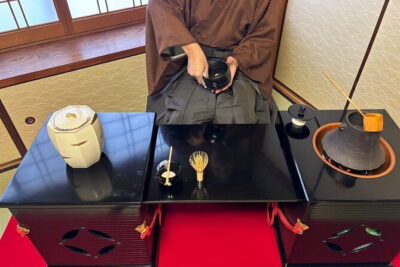
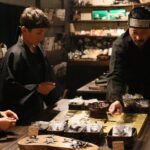
This experience isn’t just the show. Tea and traditional Japanese snacks are included, and that matters more than it sounds.
A cup of tea gives you a natural reset point, so you’re not rushing from one cultural moment to the next. It also makes the whole thing feel less like a timed performance you attend and forget, and more like a small cultural appointment.
If you’re the kind of person who likes noticing details, you may find that the tea house stop includes hot matcha tea (or water, depending on choice). The key point for your planning: you’re not expected to buy food on the fly during this segment.
You can also read our reviews of more tours and experiences in Kyoto



Kitano Tenmangū Shrine session: what you get with the tea house option
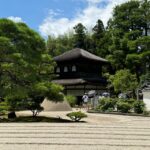
If you book the tea house format, you’ll also get a shrine session tied to Kitano Tenmangū. This part is guided, and it’s part of the tea house itinerary, not the Gion Theater version.
In real terms, that means you’ll spend about 30 minutes at the shrine as part of your overall experience time. This adds a Kyoto outdoor/atmosphere layer that balances the indoor show.
If you’re deciding between the two formats, think about what you want more:
- More intimate, tradition-in-a-house feel plus shrine time (tea house option).
- A showhouse setting in Gion where wheelchair access is available (Gion Theater option).
Timing and group size: why it affects your photos and comfort
This is a short, structured experience, and group size can make or break how enjoyable the close-up parts feel.
Group maximums are capped at:
- 23 people for the tea house option
- 30 people for the Gion Theater option
In a smaller room or traditional setting, fewer people usually means better sightlines and less jostling during Q&A and picture time. That’s especially true when you’re close to the performer and everyone is trying to capture the same moments.
You’ll also see why the whole event lasts around 1 hour to about 105 minutes depending on the option. Short dances plus interaction take time in a calm way. It’s not rushed nonstop, and it’s not designed as a quick photo grab.
Price and value: what $50 gets you in Kyoto terms
At $50 per person, this doesn’t compete with the cheapest cultural shows. But it can be excellent value if you care about access and understanding, not just spectacle.
Here’s why the price can make sense:
- You’re seeing a real Maiko up close in Kyoto.
- You get an organized Q&A and game, not just silent viewing.
- Photos and videos are allowed during the experience.
- Tea and traditional Japanese snacks are included.
- You also get a live English/Korean guide who helps interpret what you’re seeing.
In short: you’re paying for structure and access. That’s exactly where this kind of experience tends to justify itself—because the difference between a performance you don’t understand and one you can ask questions about is huge.
Practical Kyoto tips: socks, no bare feet, and what to bring
This is the kind of activity where small details actually matter.
You’ll want to bring:
- Socks (and you’ll need them)
You should also know what’s not allowed:
- Baby strollers aren’t permitted.
- Alcohol and drugs aren’t allowed.
- Bare feet aren’t allowed.
If you’re traveling with kids or using a stroller, plan for a different activity during this slot. If you’re wearing shoes all day, it’s fine—you just switch to socks for the show environment.
Also note the age guidance: it’s not suitable for people over 95 years. If that applies, you’ll want to choose a different format with less standing and less time on your feet.
Who should book this Maiko experience (and who might skip it)
This experience is a strong fit if you:
- Want a Kyoto-specific Maiko encounter rather than a general “Japanese show”
- Care about asking questions and learning what you’re seeing
- Like hands-on cultural interaction like the traditional game
- Prefer small-group, guided moments
It may not be for you if:
- You expect a nonstop performance for a full hour
- You need full wheelchair access and are considering the tea house option (wheelchair access is not available there)
- You’re trying to travel with a stroller
- You’re sensitive to sitting/standing in a small, traditional setting
One more thought: if your day already includes Gion walking plans, this can be an excellent “anchor” activity because it’s structured and short.
Should you book the One Hour Geisha Show in Kyoto?
I think you should book it if your goal is a rare, up-close Maiko experience with real interaction and a guide who helps you connect the dots. The biggest reason to go is simple: you’re not just watching beauty in silence. You’re meeting the Maiko through a controlled, respectful flow—dances, Q&A, photos, and a game—plus tea and snacks.
Skip it if your priority is a long, continuous performance. The show is intentionally short, and that’s part of its value. If you’re good with that pacing, though, this is exactly the kind of Kyoto cultural appointment that’s hard to recreate anywhere else.
FAQ
How long is the One Hour Geisha Show in Kyoto?
The duration is listed as 1 hour to 105 minutes, depending on the option you choose.
What does it cost?
The price is $50 per person.
Where do I meet for the tour?
The meeting point can vary depending on the option booked. One starting location listed is 梅乃 UMENO, 302-2 Daikokuchō, KOHYO Kamishichikenten.
Are there two different show options?
Yes. There are two options: the Tea House option and the Gion Theater option, and they are different shows.
Is Kitano Tenmangū Shrine included?
A 30-minute Kitano Tenmangū Shrine session is included only with the tea house option.
Can I take photos or videos?
Yes. You’ll be welcome to take pictures and videos during the experience.
Will the Maiko perform continuously for the full hour?
No. The performance is not continuous for one hour; the dances are intentionally short, with breaks for Q&A and photos.
What’s included in the price?
Included items are the Geisha show (1 hour), tea and traditional Japanese snacks, and a professional tour guide. The 30-minute shrine session is included only for the tea house option.
What should I wear or bring?
You should wear socks. Bare feet are not allowed.
Is the tour wheelchair accessible?
Wheelchair access is not available for the Tea House option, but it is available for the Gion Theater option.