REVIEW · KYOTO
Kyoto: Traditional Yuzen Dyeing Experience
Book on GetYourGuide →Operated by Cultural Edu-tourism Council · Bookable on GetYourGuide
Two hours of calm silk painting in Kyoto. This Kyoto Yuzen dyeing experience happens in a real machiya home in the Nishijin district, where traditional craft is the main event, not a performance.
I like two things most. First, you pick one or two colors and the artisan helps you build a balanced palette, so your piece looks intentional, not accidental. Second, it stays personal: a small group (up to 6) with an interpreter means you can actually follow the steps and ask questions while the colors develop on silk.
One thing to think about: you’ll be working with dye, so wear clothes you don’t mind getting stained, and let the organizers know about any allergies or sensitivities before the workshop.
In This Review
- Key things that make this Kyoto Yuzen class special
- Kyoto Yuzen on silk: why this souvenir feels different
- Inside Nishijin: the machiya house atmosphere you can’t fake
- How you choose a design and build your color palette
- The Yuzen technique: painting stamped images into dyed silk
- The workshop flow: what the two hours actually feel like
- Meet the artisan and interpreter support (the real reason this works)
- What you take home: your finished Yuzen-dyed silk piece
- Price and value: is $161 worth it in Kyoto?
- Who this class suits best (and who should skip it)
- Practical tips so you enjoy it (not just survive it)
- Should you book this Kyoto Yuzen dyeing experience?
- FAQ
- How long is the Kyoto Traditional Yuzen Dyeing Experience?
- Where does the experience take place in Kyoto?
- How large is the group?
- Who teaches the class?
- What languages are available?
- What do I make during the experience?
- What’s included in the price?
- What is not included?
- Is the workshop wheelchair accessible?
- What should I bring, and is it safe for kids?
Key things that make this Kyoto Yuzen class special
- A Kyoto machiya, not a studio showroom: you’ll work inside the artisan’s traditional townhome.
- Your palette gets guided: you choose initial colors, then the artisan (and interpreter) helps steer harmony.
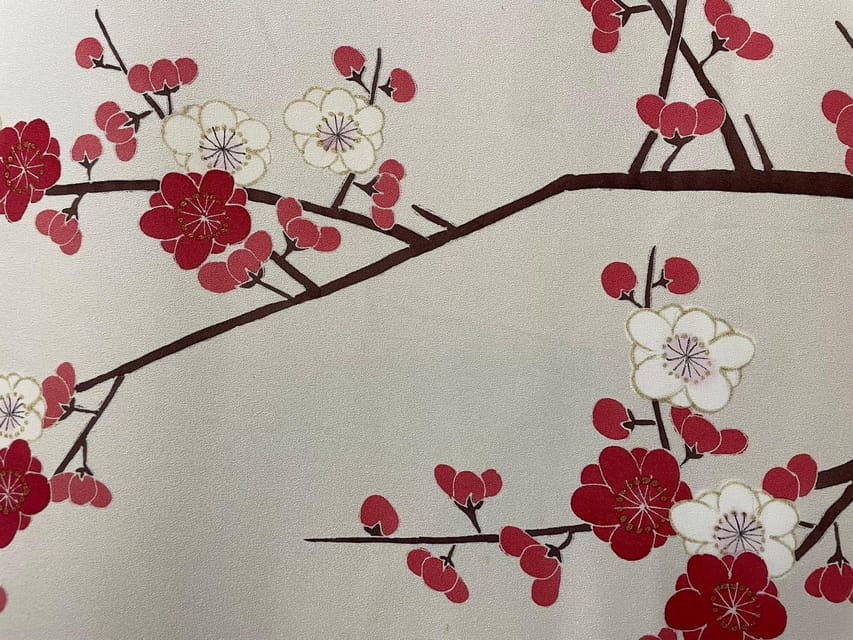
- Silk artwork with pre-drawn outlines: your fabric comes with a design already set so you paint within the plan.
- Small group attention: limited to 6 participants, which makes the pace feel human.
- You take home a finished piece: your Yuzen-dyed silk becomes a real souvenir, not just photos.
Kyoto Yuzen on silk: why this souvenir feels different
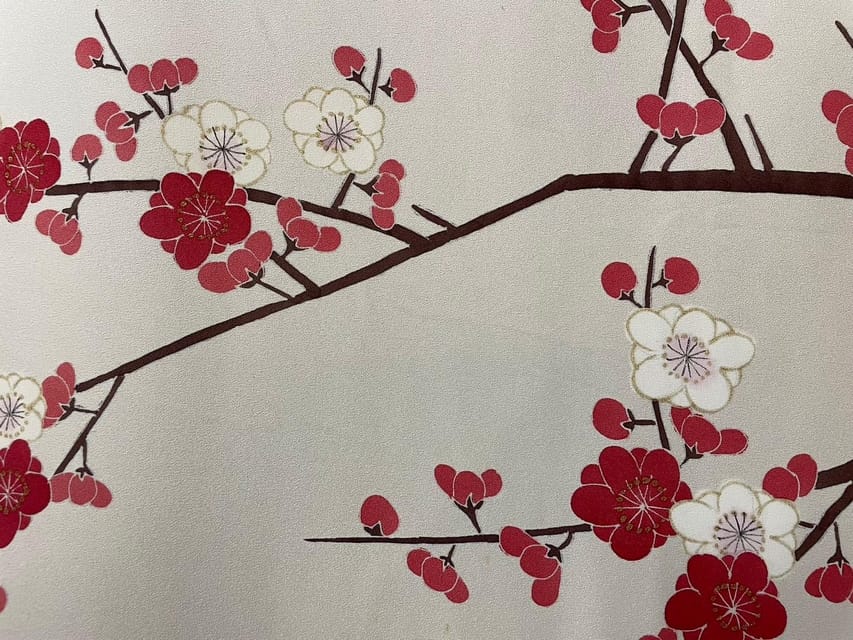
Kyoto Yuzen is one of those Japanese crafts where the details matter. The workshop is built around that idea: you don’t just watch dyeing, you make something that reflects your choices and the artisan’s eye.
What makes the final result worth caring about is the workflow. You start with a design and outlines already on the silk, then you paint and control color placement. That combination means your work looks like art from the start, even if you’re not a “craft person.”
You can also read our reviews of more tours and experiences in Kyoto.



Inside Nishijin: the machiya house atmosphere you can’t fake
This class takes place in Kyoto’s Nishijin district, in a traditional machiya townhouse. It’s an intimate setting because it’s the artisan’s own home, not a rented classroom vibe.
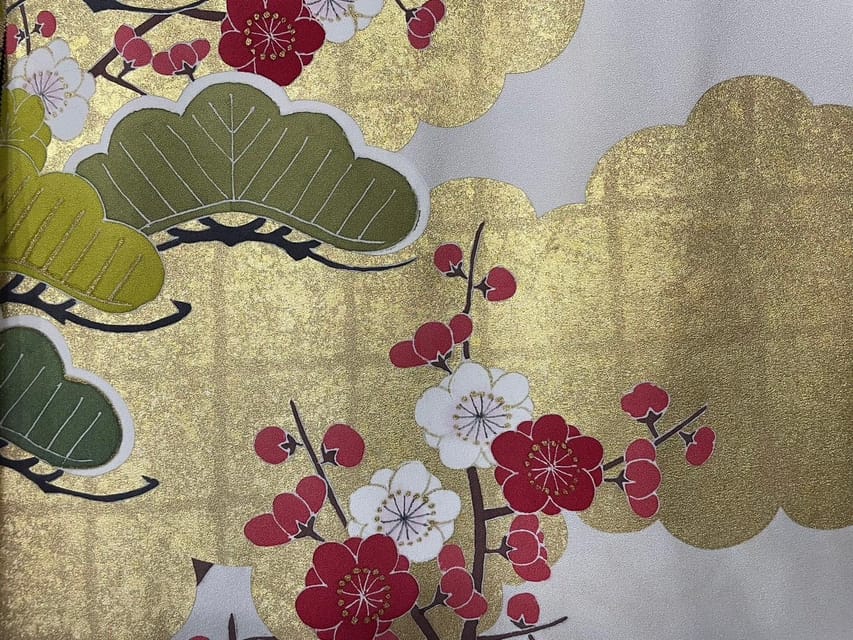
You’ll also get to see display pieces of Kyoto Yuzen works during the experience. That matters, because it gives you context for what you’re making and helps you understand how the pros think about color and composition.
If you’re hoping for a cultural experience beyond sitting at a counter, this is the direction to go. The calm, home-studio feel is part of the point, and it helps the two hours move at a comfortable rhythm.
How you choose a design and build your color palette
Before you paint, you select your design and then begin talking color. The process is straightforward, and that’s a big plus: you don’t need experience to get started.
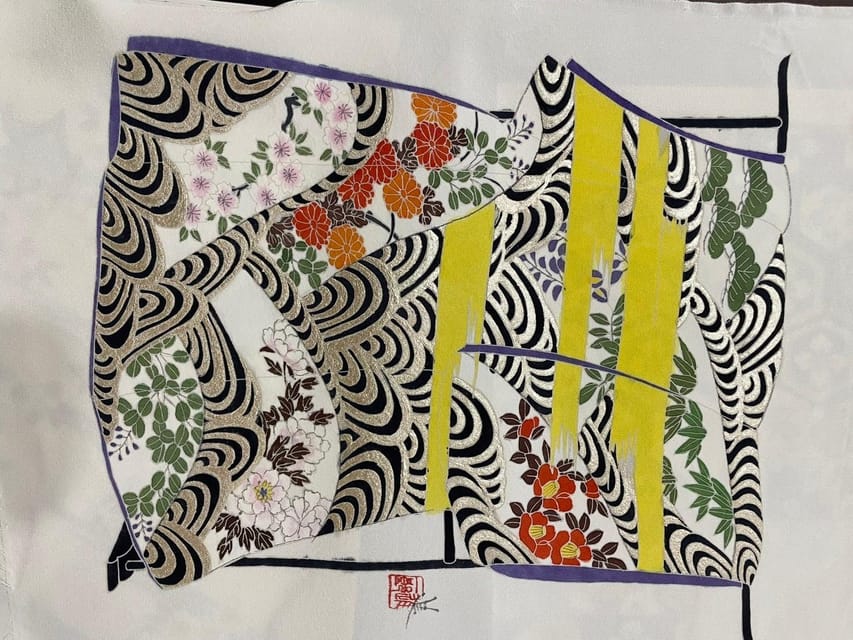
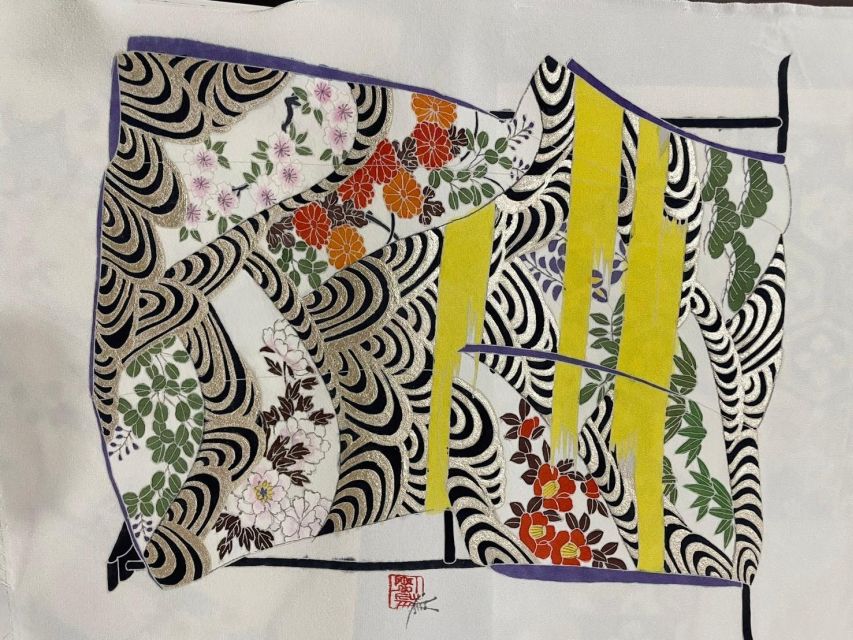
Typically, you’ll choose one of several premade designs (in some sessions, the options can be limited, so it helps to arrive ready to decide). Once you’ve chosen, the fabric comes prepared with the design outlines—golden outlines are specifically mentioned in accounts of this workshop—so your job is to bring the colors to life inside the lines.
Color choices work in two stages:
- You choose one or two colors you like.
- The artisan selects the remaining tones and helps make sure the final palette is harmonious.
People often remember this part because the master isn’t just “approving.” Master Shin’Ichiro is described as mixing colors right there and giving suggestions that match your preferences. With interpreter support (for example, Ha is mentioned in accounts), you can understand what’s happening and why.
The Yuzen technique: painting stamped images into dyed silk
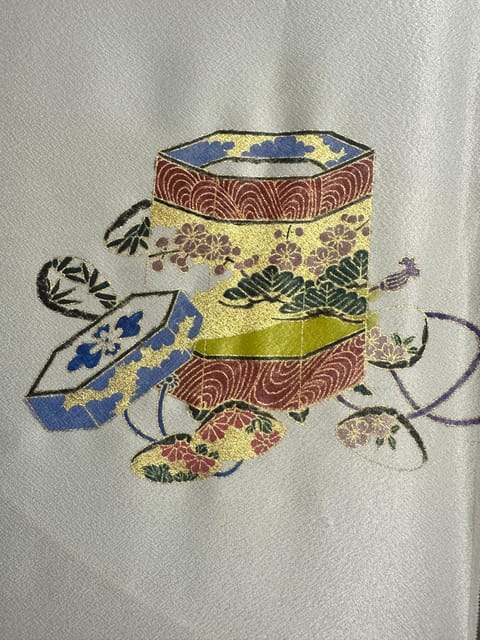
Yuzen isn’t like basic tie-dye. In many sessions, the class is described as closer to painting: you work with dye like a controlled brush medium, following the pre-set pattern.
One description highlights painting stamped images on silk of the artisan’s own design. Another account compares the experience to tie-dyeing, but in a way that feels more like painting than splashing.
You’ll see the colors appear as you work, and the artisan’s guidance is key. Multiple accounts mention that the master knows the right paint-and-water concentration to achieve the shade you want, sometimes showing you how a color turns out on the fabric.
That’s also why the session can feel almost meditative. You’re focused, not rushed, and you’re building a piece where each color choice has a job.
The workshop flow: what the two hours actually feel like
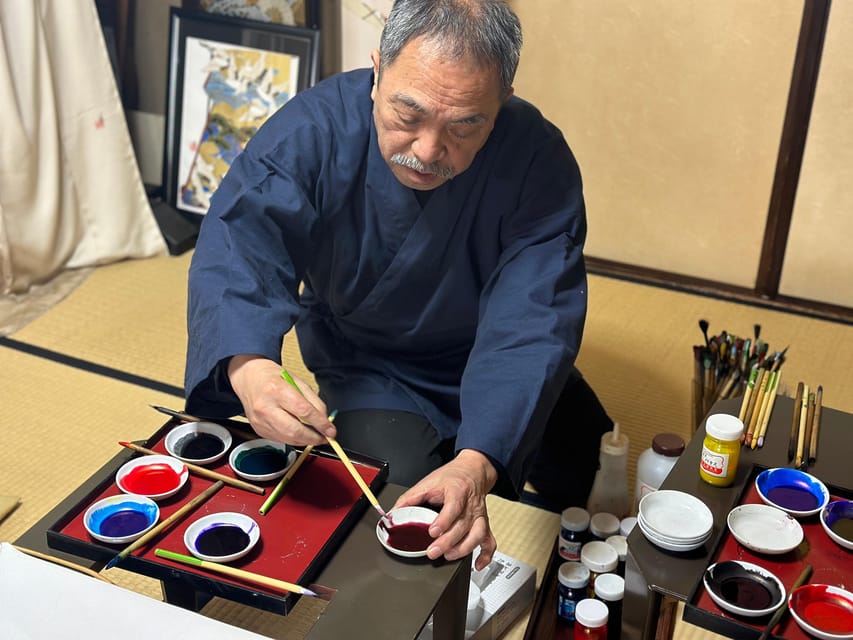
The session is designed to be hands-on from start to finish. You’ll:
- Step into the machiya and settle in with the artisan and interpreter.
- Choose your design and discuss color preferences.
- Learn the tools and materials.
- Paint/dye your silk within the outlined design.
- Finish so you can take your work home.
A helpful detail from accounts: you may feel the session runs longer than the scheduled window at times. That matters if you have tight plans afterward. It’s not chaos, but it’s worth giving yourself buffer time.
People also mention the workshop pace is not pushy. Even when the session runs over, hosts can stay patient and supportive. That’s a good sign if you’re the type who needs a little time to get comfortable with the brush and dye.

Meet the artisan and interpreter support (the real reason this works)
The most consistent praise is about teaching quality. You’re not thrown into “good luck” mode.
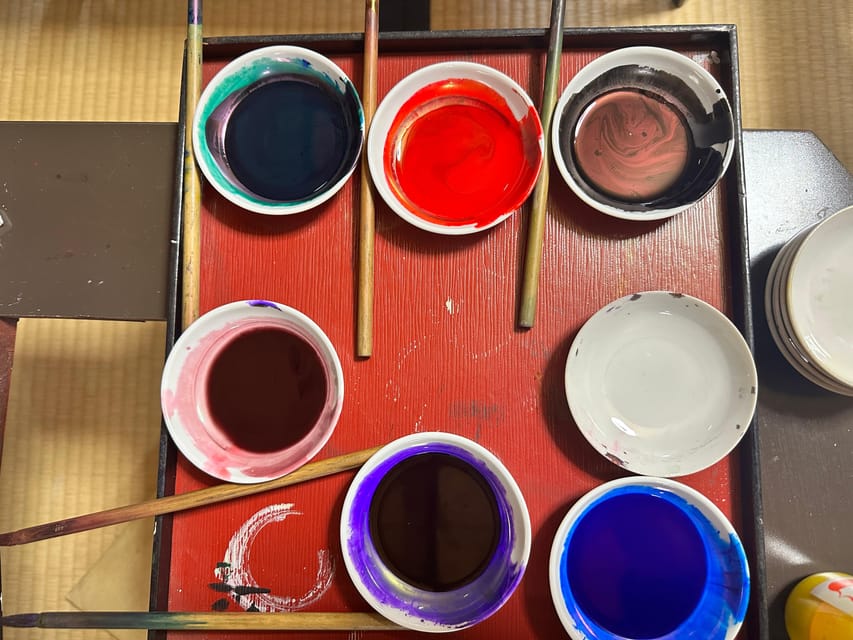
The artisan is the teacher throughout, and accounts describe friendly professionalism and hands-on explanation of technique and color mixing. Master Shin’Ichiro is mentioned directly in one detailed description, including how he mixes colors in front of you.
Then there’s the interpreter. English and Chinese are offered, and people specifically mention interpreters like Ha as kind, helpful, and able to translate the process clearly. That translation layer is more than language convenience. It helps you understand what the master is trying to achieve with each brush decision.
So if you’re nervous about language gaps, this class is set up to reduce that stress. You can ask questions and get real feedback while you work.
What you take home: your finished Yuzen-dyed silk piece
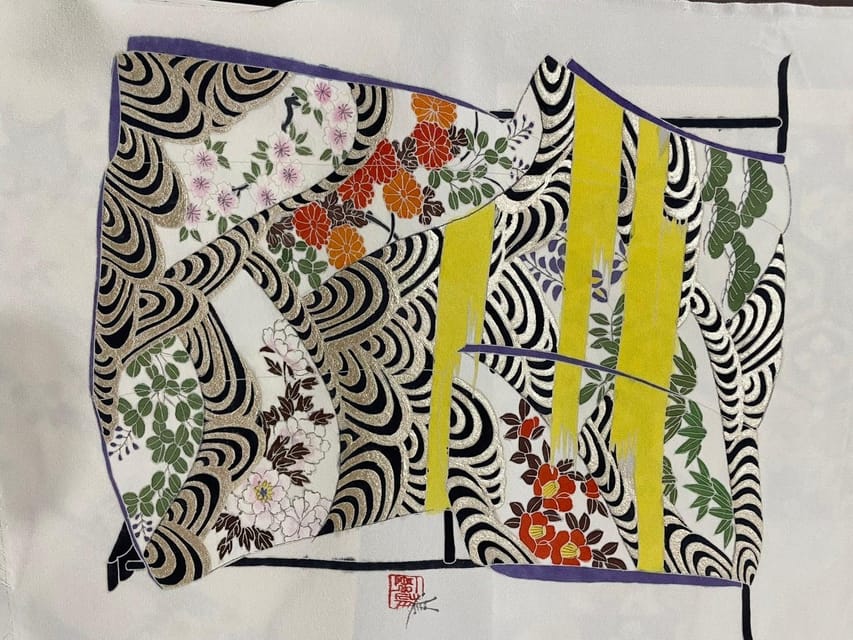
Your souvenir is the point. You’ll create your own Yuzen-dyed silk fabric to take home, based on your design selection and color choices.
More than one account notes that the workshop includes a finishing step. In one example, the artisan irons the piece to help ensure it’s dry before you leave. That’s practical: you’re less likely to worry about handling a damp item on the spot.
Also note the experience may include an optional chance to buy additional works from the artisan later, with extra costs paid by cash. That’s not required, but it’s a common feature of classes hosted in a working artisan home.
Price and value: is $161 worth it in Kyoto?
At $161 per person for a two-hour experience, you’re paying for something you can’t easily replicate: direct instruction from an artisan in a traditional home workshop, plus interpreter support and a take-home silk artwork.
Compared with generic craft classes, the value here is the combination of:
- Small group format (up to 6), which supports real teaching.
- Artisan-led guidance, including color mixing and technique direction.
- A finished, take-home piece made through the real Yuzen process.
You don’t pay for transportation to and from the meeting point. So factor that into your day planning, especially if you’re pairing it with other Nishijin or central Kyoto stops.
If you want a souvenir that feels personal and tied to craft heritage, this is one of the more meaningful options. If you only want a quick activity with zero mess and zero concentration, you might find the focus level a bit much for your style.
Who this class suits best (and who should skip it)
This workshop is best for adults and older kids who enjoy a slow, focused activity.
It’s not suitable for children under 10, and it’s also not suitable for babies under 1. A few accounts also flag that the class may involve sitting on the floor for about two hours, so it’s not ideal if sitting comfortably that long is a dealbreaker for you.
On the positive side, it’s wheelchair accessible. So mobility limits don’t automatically rule it out; the location setup is designed to accommodate wheelchair access.
If you’re an art lover, hobbyist, or simply curious about Japanese craftsmanship, you’ll probably enjoy the combination of technique and cultural context. And if you like making something you’ll actually keep, this is one of those rare classes where the product matters.
Practical tips so you enjoy it (not just survive it)
A few details will make your workshop smoother:
- Wear comfortable clothes you don’t mind getting dye on. Dye can stain fabric, and the activity may involve chemicals.
- Tell the organizers ahead of time if you have any allergies or sensitivities related to dyes or related materials.
- Avoid alcohol and drugs, and don’t bring party groups. This is meant to stay calm and focused.
- Give yourself a buffer after the session. If the class runs slightly long, you’ll feel better with breathing room.
Also, plan to be mentally present. This isn’t a background activity. The best sessions feel like you’re painting with the master watching, correcting, and guiding your color choices.
Should you book this Kyoto Yuzen dyeing experience?
Book it if you want a Kyoto craft that’s personal, hands-on, and tied to a real artisan home in Nishijin. The small group size, interpreter support, and color guidance from the master are exactly what make this more than a tourist craft.
Skip it if you’re uncomfortable with staining-risk clothing, have dye-related sensitivities, or can’t comfortably sit on the floor for around two hours. Also skip if you want something very casual and fast.
If your goal is a meaningful souvenir and a calm, skill-focused experience in Kyoto, this is an easy yes.
FAQ
How long is the Kyoto Traditional Yuzen Dyeing Experience?
The workshop lasts 2 hours.
Where does the experience take place in Kyoto?
It happens in Kyoto’s historic Nishijin district, inside a traditional machiya townhouse.
How large is the group?
The group is small, limited to 6 participants.
Who teaches the class?
The instruction is directly from the artisan, with an interpreter to support communication.
What languages are available?
English and Chinese are available.
What do I make during the experience?
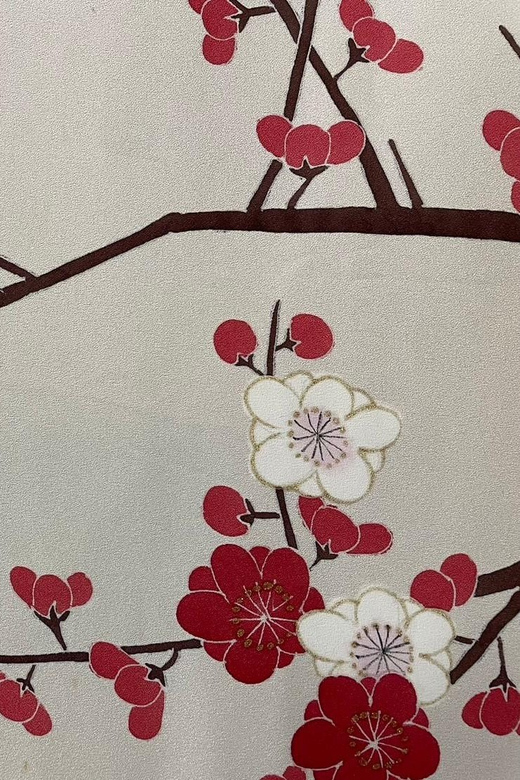
You create your own unique Yuzen-dyed silk fabric, choosing from designs and color preferences.
What’s included in the price?
Included are the Yuzen dyeing experience, instruction from the artisan, an interpreter, and a display of Kyoto Yuzen works.
What is not included?
Transportation to and from the meeting point is not included, and any additional purchases from the artisan (paid by cash, for example) are not included.
Is the workshop wheelchair accessible?
Yes, it is wheelchair accessible.
What should I bring, and is it safe for kids?
Wear comfortable clothes you don’t mind getting dye on. It isn’t suitable for children under 10, and babies under 1 are not suitable. Also let them know about any allergies or sensitivities, since chemicals may be involved.