REVIEW · KYOTO
Kyoto: Gion World of the Geisha Guided Walking Tour
Book on GetYourGuide →Operated by Japan Wonder Travel · Bookable on GetYourGuide
Gion feels alive with a good guide. This Kyoto tour is a focused way to see the Gion streets and understand maiko/geiko culture through real stories, not just photos. One thing to plan for: it’s a walking tour with stairs, so it’s not set up for wheelchair users or people with mobility limits.
What I love most is how efficiently you move through the area without feeling rushed, thanks to a small group and a route that actually makes sense. My favorite part was hearing the explanations from Ito, who breaks down what you’re looking at as you go, including tips on where to spot maiko in action if you’re lucky.
In This Review
- Key highlights to know before you go
- Why this Gion walking tour works better than DIY
- Price and what you really get for $29
- Start points: how to choose the option that fits your day
- Yasaka Shrine: the first 40 minutes set your context
- Walking Gion: two geisha districts and the stories that connect them
- The short sightseeing bits and why the timing matters
- Shirakawa Canal: the calm pause in the middle of the walk
- Gion Corner: finishing with cultural framing
- Spotting maiko and geiko: what the guide can help with
- Small group size and the route experience
- Who this tour suits (and who should skip it)
- Final verdict: should you book Kyoto Gion World of the Geisha?
- FAQ
- How long is the Kyoto Gion World of the Geisha Guided Walking Tour?
- Is the tour guided in English?
- Is this a small-group tour?
- What places will we visit during the tour?
- Where can the tour start?
- If I choose the kimono rental option, where do I meet the guide?
- Will we see geiko or maiko during the tour?
- Is the tour rain or shine?
- Is the tour suitable for wheelchair users or mobility impairments?
- What should I wear?
Key highlights to know before you go
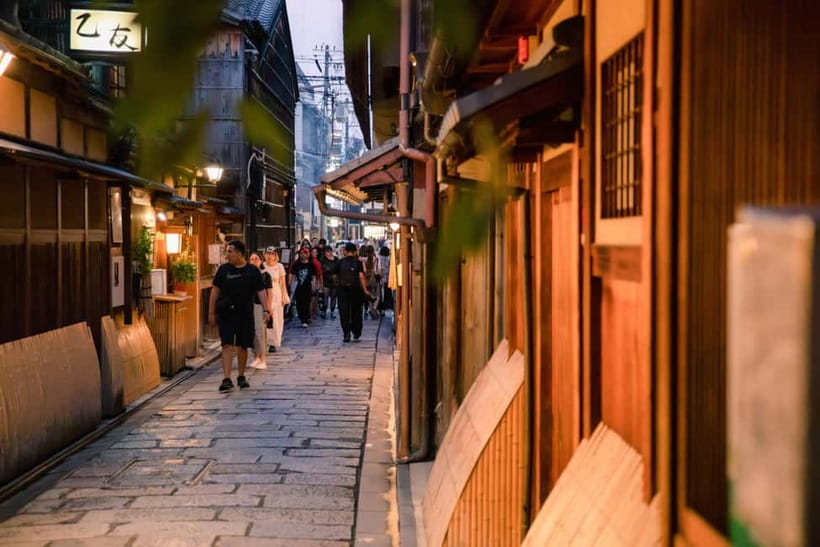
- Two geisha districts in Gion: you’ll get context on how Kagai works and why the area is arranged the way it is
- Maiko and Geiko stories: listen for clear, human details about apprentice maiko and Kyoto geiko
- Yasaka Shrine start: a cultural anchor before you head into the alleys of Gion
- Shirakawa Canal sightseeing: a quieter, scenic pause that helps you reset during the walk
- Gion Corner stop: a cultural sightseeing segment that fits the theme of the day
Why this Gion walking tour works better than DIY
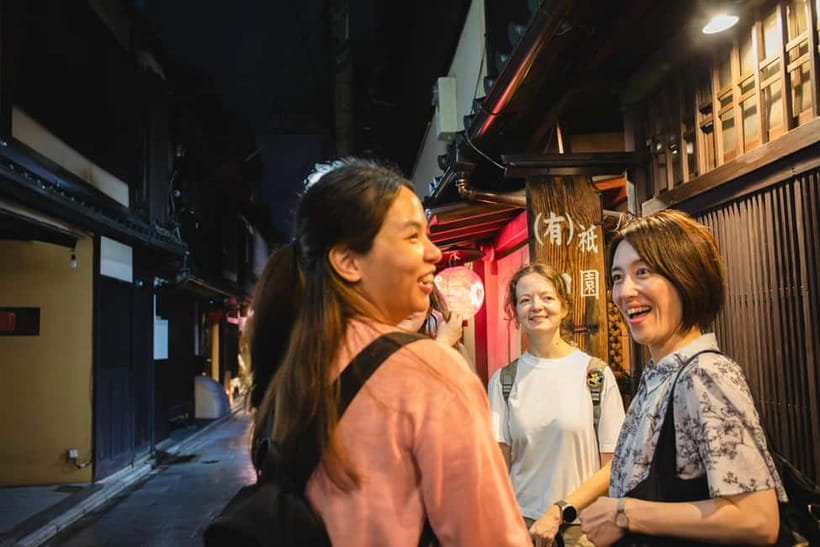
Kyoto’s Gion can feel like a maze. You’ll see the famous streets, sure, but without guidance you often miss the “why” behind the places. This tour is designed to help you connect the dots: shrine → geisha districts → the street-level look and feel of Kagai, with context as you walk.
I also like that it’s paced like a conversation. You’re not just herded between stops. A small group means you can ask questions, get straight answers, and actually hear the stories your guide is telling.
The biggest trade-off is also the most common one with classic districts: it’s mostly walking. Expect comfortable shoes and plenty of steps, especially in a neighborhood built on older streets and buildings.
You can also read our reviews of more walking tours in Kyoto


Price and what you really get for $29
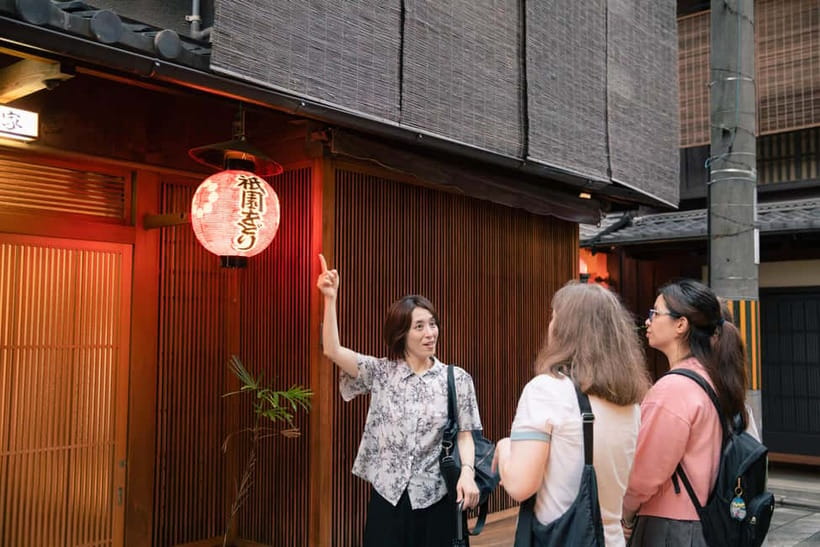
At $29 per person, this is priced like an efficient culture walk rather than a full-day ticketed experience. And that’s the point: you’re paying for an English-speaking local guide and a guided route through Gion’s geisha districts.
What makes it good value is the combination of:
- multiple theme stops (Yasaka Shrine, Shirakawa Canal, Gion Corner)
- a guided walk focused on geisha culture
- practical observation tips, especially for learning where you might see maiko activity
If you’re the type who enjoys historical context while you walk, this price makes sense. If you’re only after the most iconic postcard scenes, you may feel you could do it on your own. For me, the guide-led explanation is the difference between looking at Gion and understanding it.
Start points: how to choose the option that fits your day
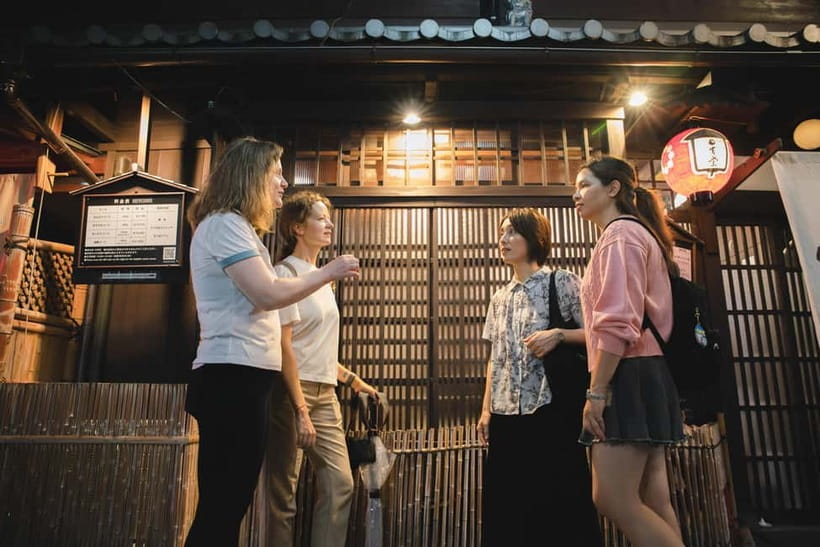
You’ve got three starting location options, and the best one depends on what you’re already doing that morning or afternoon. Your start could be near the Statue of Izumo-no-Okuni, the wargo Kyoto Kimono Rental Kyoto Gion Store, or the 漢検漢字博物館・図書館 (Kanji Museum & Library) area. Meeting points can vary depending on what you booked, so double-check your exact option before you set out.
Here’s the practical trick if you pick the kimono rental option: after you change into kimono, you go on your own to Japan Kanji Museum & Library, and the guide is waiting there. That means you’re not dealing with two separate guided groups. You’re basically switching your start point after the change.
Either way, arrive a little early. Gion streets can be crowded, and you’ll want time to find the meeting spot calmly.
Yasaka Shrine: the first 40 minutes set your context
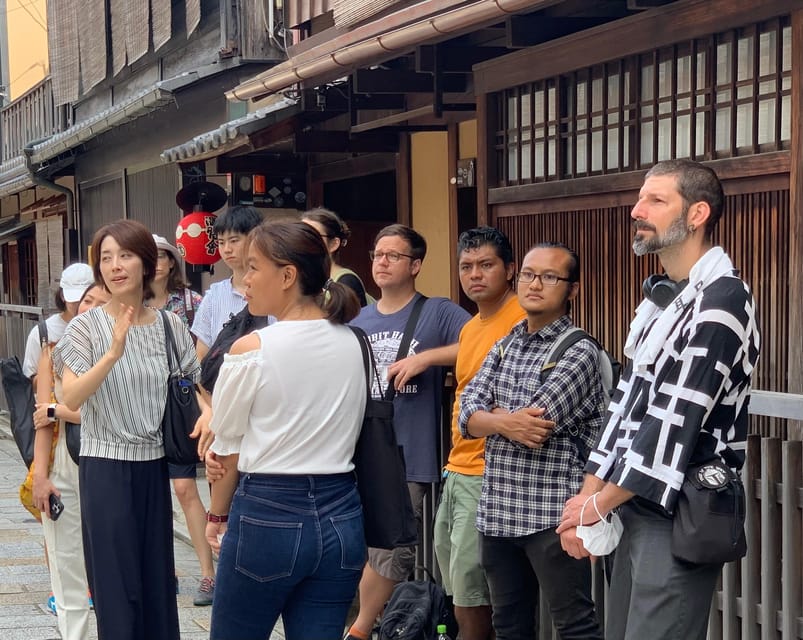
The tour begins with a guided segment at Yasaka Shrine for about 40 minutes. This matters because Gion isn’t only about aesthetics—it’s tied to Kyoto’s longer cultural rhythms. A shrine start gives you a frame for what you’re about to see in the geisha districts.
What to do here: slow down and watch the guide’s cues. When your guide explains what you’re seeing, you’ll be better prepared for the changes in atmosphere once you leave the shrine area and move into Gion’s quieter, lane-like streets.
A small note: this is early “information time.” If you’re sensitive to being on your feet right away, wear comfy shoes and don’t rush your entrance into the shrine zone.
Walking Gion: two geisha districts and the stories that connect them
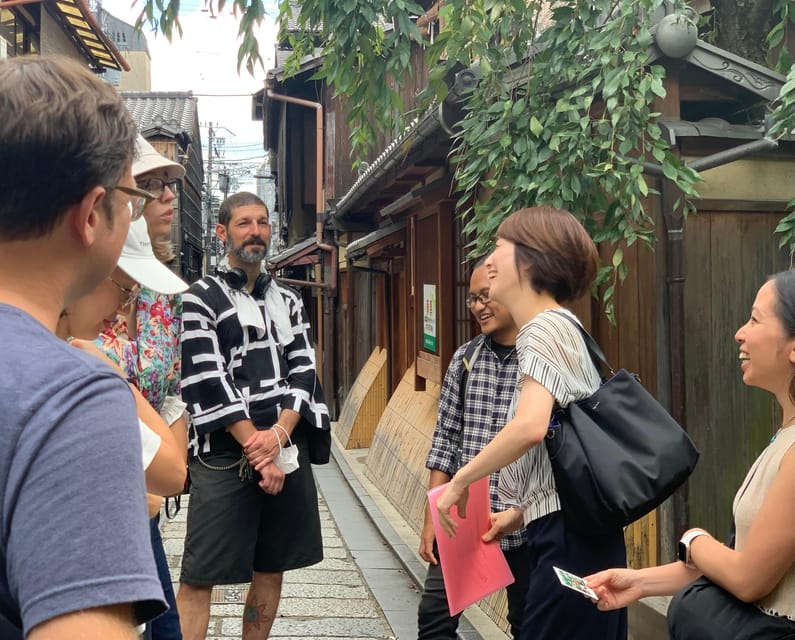
The heart of the tour is the Gion portion—about 80 minutes of guided walking. This is where you’ll explore the two geisha districts in Gion, gaining a sense of Kyoto’s traditional Kagai heritage.
The guide focuses on the lifestyle behind the scenes, including explanations of Maiko (apprentice geisha) and Geiko (what Kyoto calls geisha). The best part of this segment isn’t memorizing terms. It’s learning how roles, training, and daily life shape what you notice on the street—style, behavior, and the general rhythm of the district.
Ito’s approach (and the reason people rave about the guiding) is that he connects visual details to the culture story. It’s not just narration. You’re looking at a place while someone helps you read it.
You can also read our reviews of more guided tours in Kyoto



The short sightseeing bits and why the timing matters
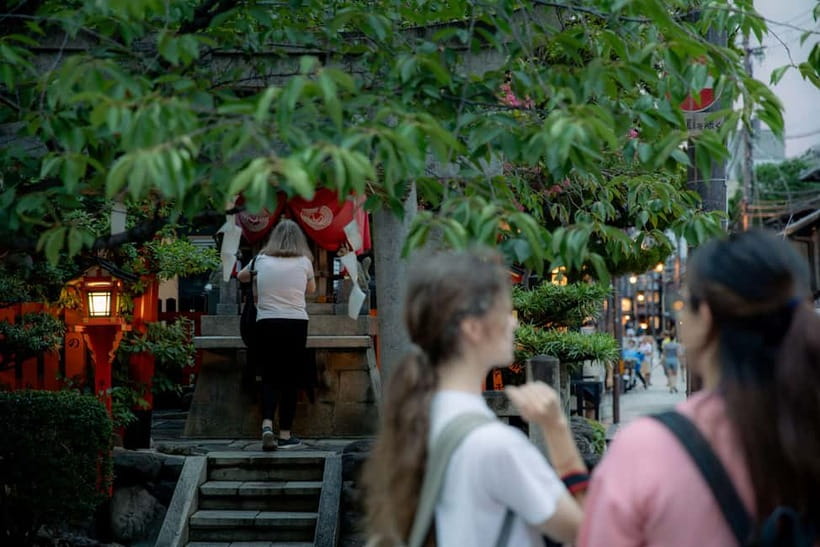
Between the longer guided segments, you’ll have small windows for sightseeing and a photo stop. The schedule includes brief guided sightseeing (around 5 minutes) and another photo stop for about 5 minutes.
Do not treat these as throwaway moments. In Gion, the best photos often come from knowing where to stand and when to shift your angle. A short stop with a guide is really about getting you in the right position without turning it into a long standstill.
Also, these timed breaks help you avoid the classic problem: walking too fast, then realizing you missed the details you came for. The rhythm keeps you oriented.
A practical tip: if you care about photos, keep your camera accessible. You’ll waste less time fumbling in a bag when the guide says stop.
Shirakawa Canal: the calm pause in the middle of the walk
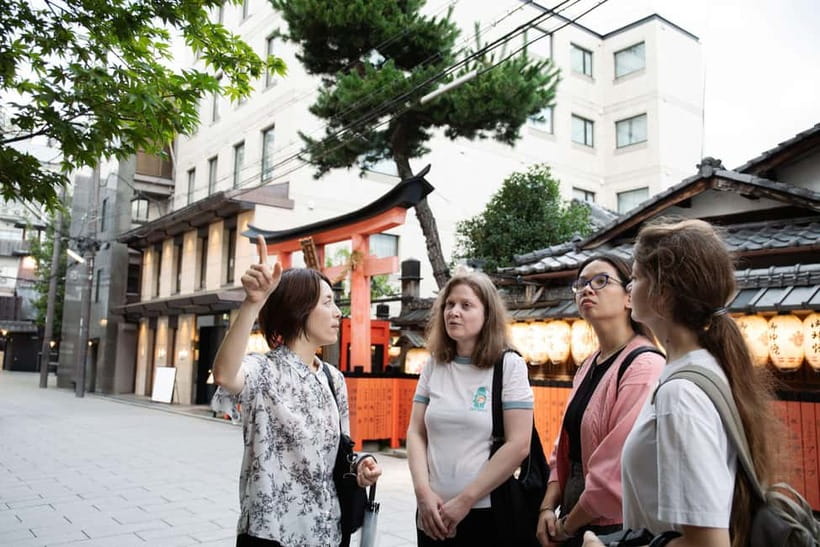
Next comes Shirakawa Canal for sightseeing. This is a great break from the tighter street feel of Gion because the canal area offers a different kind of scenery and a slower visual pace.
I like canal stops on walking tours because they give your eyes a reset. Even if you’re not photographing, you’ll notice how architecture and street planning change the mood.
If you’re there on a busy day, the guide’s direction matters here too. You’ll be in the right zone long enough to enjoy the view without getting stuck where you can’t see.
Gion Corner: finishing with cultural framing
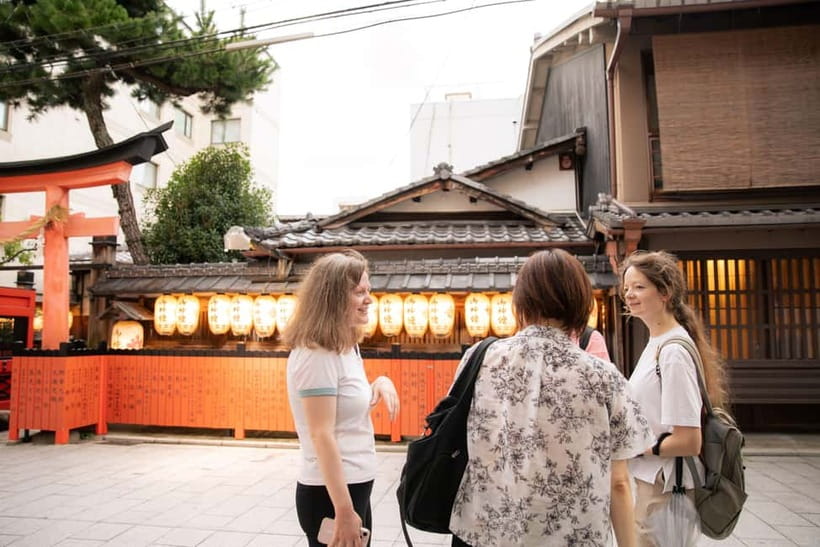
The tour includes Gion Corner as a guided sightseeing stop. Even if you’re just treating it as a cultural stop rather than a performance, it completes the theme of traditional arts and storytelling in the broader Gion world.
This final segment is useful because it pulls you out of “street mode” and back into “Kyoto culture” mode. By the time you’re here, you’ve already learned about maiko and geiko, seen Yasaka Shrine context, and walked the geisha districts. Gion Corner helps you understand that this is a living cultural environment, not a set.
If you’re hoping to see people in traditional roles during your walk, your energy matters most here. Stay present, look around, and follow the guide’s pacing instead of trying to force sightings.
Spotting maiko and geiko: what the guide can help with
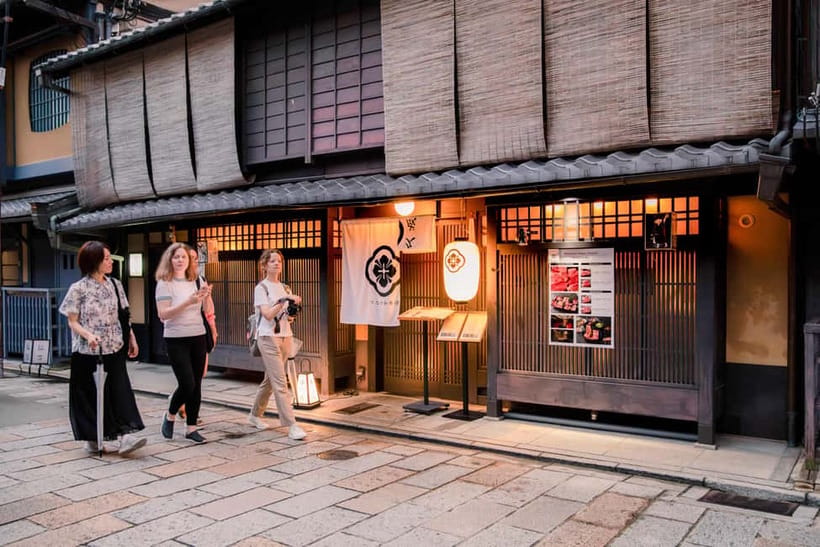
One of the most exciting parts of this experience is that you might spot geiko and maiko during your tour. The guide doesn’t promise it, but they do share tips on where you can see maiko in action.
This is where a guide earns their fee. Without guidance, you can stare at storefronts and miss the context that signals where activity might happen. With guidance, you learn what to look for and how not to treat sightings like a “grab-and-go” photo hunt.
Respect matters here. If you do see someone, keep your distance and focus on observing rather than interrupting. The goal is to notice the atmosphere and understand the culture—not to turn it into a spectacle.
Small group size and the route experience
The tour is offered as a small group, and that’s a major quality signal for this kind of walk. In Gion, lanes are narrow and the pace can get complicated fast. A smaller group keeps the experience from turning into one long line of people blocking each other’s view.
It also makes the storytelling work. With fewer voices competing in the group, you catch more details—especially the explanation of how Kyoto’s geisha districts operate. This is the kind of tour where hearing the meaning behind a street view makes your photos better even if you take the same picture.
Also, a small group helps you stay flexible. If you’re moving slowly because you’re reading signs or trying to understand architecture, the guide can naturally slow down without losing the schedule.
Who this tour suits (and who should skip it)
This is a great choice if you want:
- a guided walk through Gion with explanations about Maiko/Geiko culture
- structured stops at Yasaka Shrine, Shirakawa Canal, and Gion Corner
- a chance to spot geiko/maiko with practical viewing tips
- an English-speaking guide and a route that saves you from wandering aimlessly
It’s not ideal if you:
- need step-free access. The tour is not suitable for people with mobility impairments or wheelchair users due to stairs
- want a fully self-paced experience with long stops at every landmark
If you’re traveling with kids, children must be accompanied by an adult, and you’ll want to watch for comfort levels on a walking route.
Final verdict: should you book Kyoto Gion World of the Geisha?
I’d book this if you’re coming to Kyoto to understand the culture, not just collect sights. The best reason is the guiding: the stories are specific, and Ito’s style (easy to follow, strong on Gion context) turns a scenic neighborhood into a place with meaning.
Book it if you also like walking tours with a clear theme. At $29, you get a focused, guided route that covers major cultural anchors in the geisha-district setting, with tips for seeing maiko activity if luck is on your side.
Skip it if you’re mobility-limited, or if you dislike guided pacing and prefer roaming alone. Gion is beautiful, but this tour is really about learning how to read it—and that’s where it earns its value.
FAQ
How long is the Kyoto Gion World of the Geisha Guided Walking Tour?
The duration is listed as 2 hours up to 270 minutes, depending on the starting time and option you book.
Is the tour guided in English?
Yes. The tour has a live guide in English.
Is this a small-group tour?
Yes. It’s described as a small group.
What places will we visit during the tour?
The tour includes guided time at Yasaka Shrine, sightseeing at Shirakawa Canal, and a sightseeing stop at Gion Corner. There are also short sightseeing segments and a photo stop.
Where can the tour start?
There are three start options: Statue of Izumo-no-Okuni, wargo Kyoto Kimono Rental Kyoto Gion Store, or 漢検漢字博物館・図書館 (Kanji Museum & Library). The exact meeting point can vary by the option booked.
If I choose the kimono rental option, where do I meet the guide?
After changing into kimono, you go on your own to Japan Kanji Museum & Library. The guide will be waiting there.
Will we see geiko or maiko during the tour?
If you are lucky, you might encounter geiko and maiko. The guide also shares tips on where you can see maiko in action.
Is the tour rain or shine?
Yes. The tour takes place rain or shine.
Is the tour suitable for wheelchair users or mobility impairments?
No. It is not suitable for people with mobility impairments and wheelchair users, and it includes stairs.
What should I wear?
Wear comfortable walking shoes, since this is a walking tour.
![[Kyoto Street Shot] Recording every wonderful moment of travel with shutter (free kimono experience) - Meeting Spot and the Real Timing: When to Arrive](https://l.discoveringkyoto.com/wp-content/uploads/kyoto-street-shot-recording-every-wonderful-moment-of-travel-with-shutter-free-kimono-experience-400x267.jpg)